Fine Motor Skills Extra Challenge Letter Recognition Worksheets for Ages 4-5
7 filtered results
-
From - To
Discover our "Fine Motor Skills Extra Challenge Letter Recognition Worksheets" for ages 4-5, designed to enhance preschoolers' early literacy while meticulously developing their fine motor skills. These engaging worksheets introduce children to letter recognition through fun activities such as tracing, coloring, and creative crafts. Each exercise is tailored to captivate young learners, making alphabet mastery both enjoyable and effective. By combining fine motor tasks with letter exercises, these worksheets promote tactile learning, ensuring children not only recognize letters but also strengthen their hand-eye coordination and dexterity. Perfect for home or classroom use, our worksheets provide an excellent resource for early educators and parents alike!
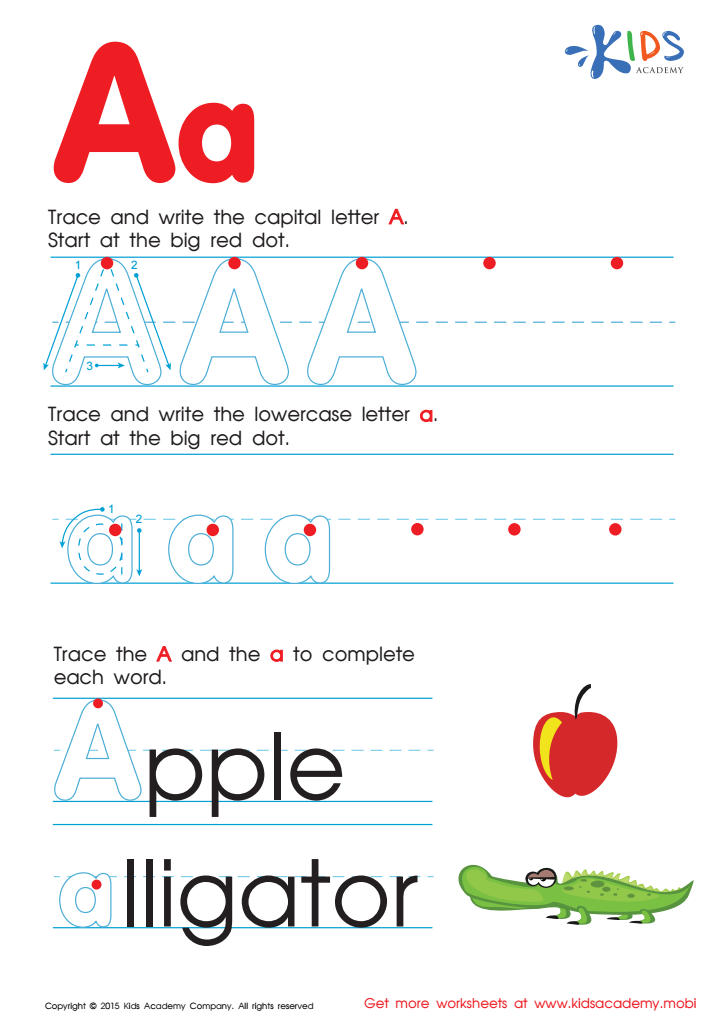
Letter A Tracing Page
 Assign to My Students
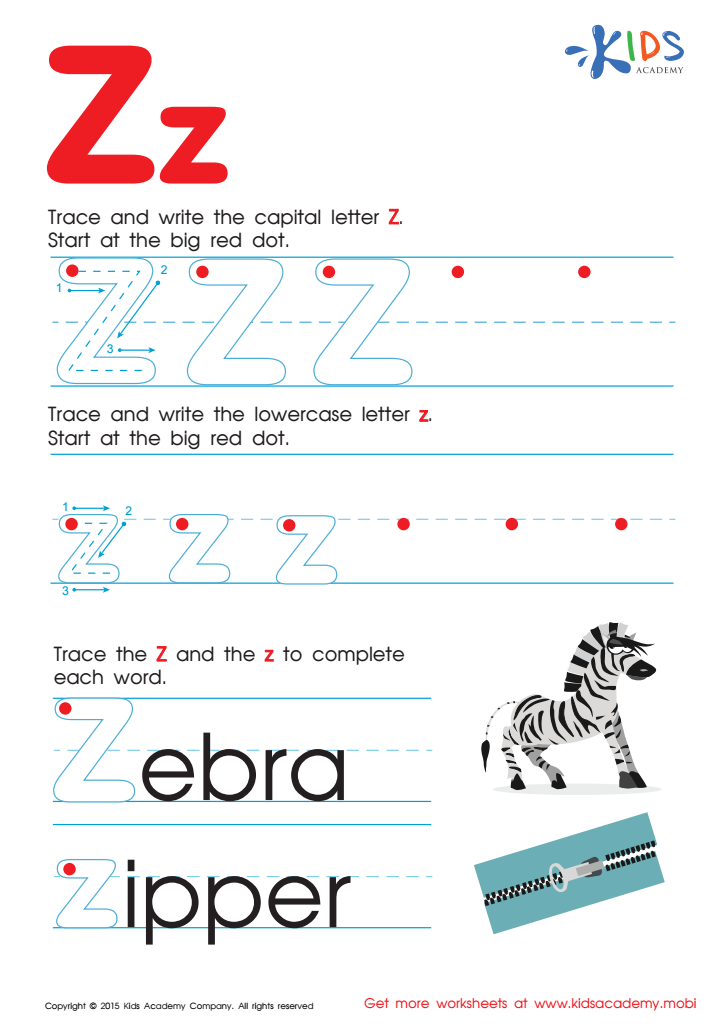
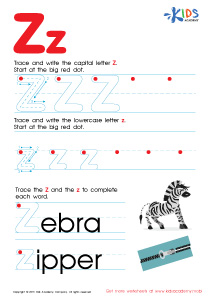
Letter Z Tracing Page
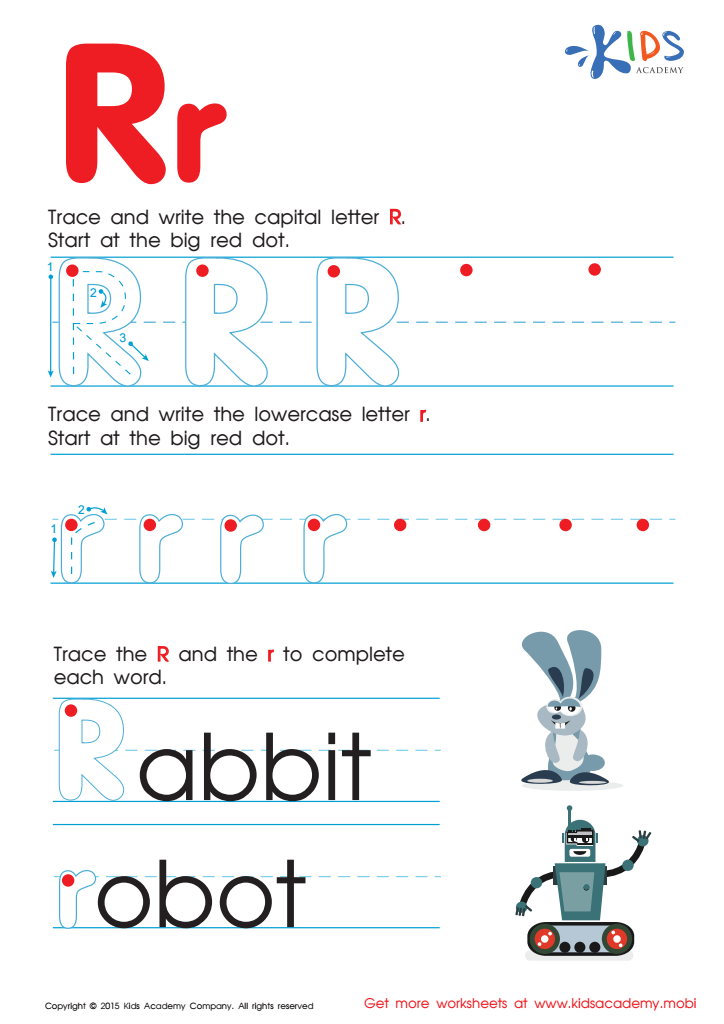
Letter R Tracing Page
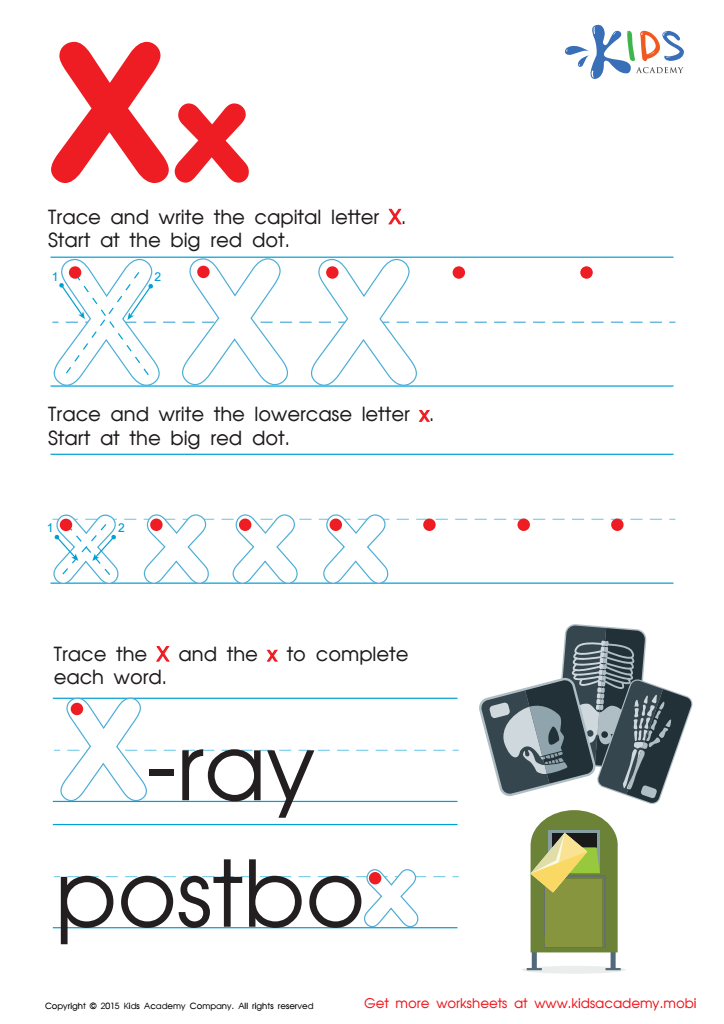
Letter X Tracing Page
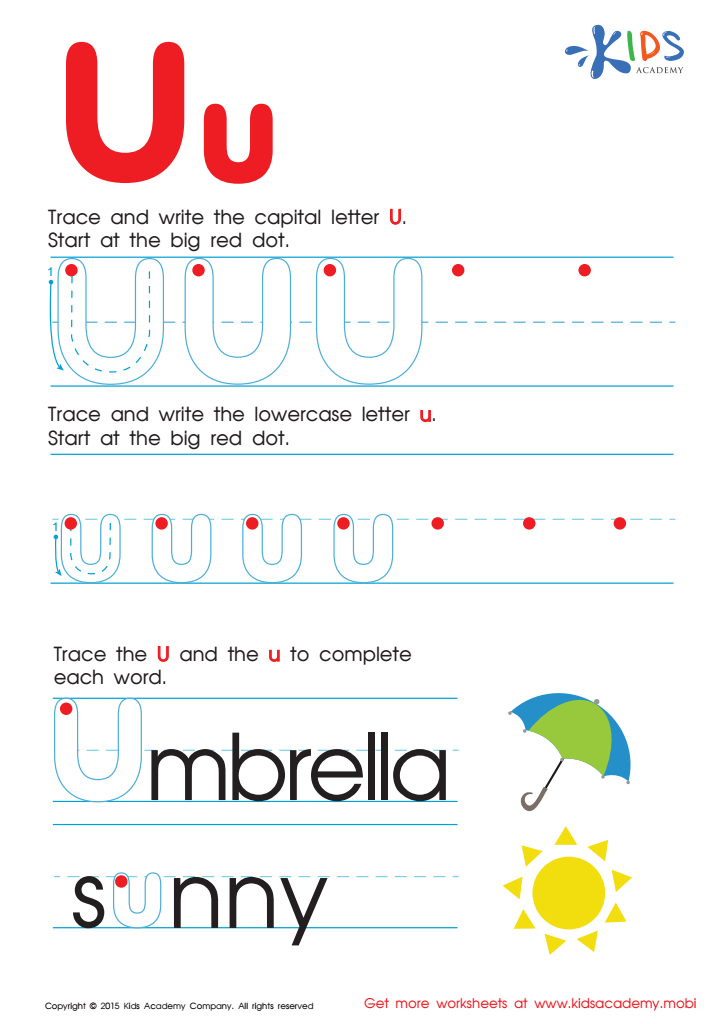
Letter U Tracing Page
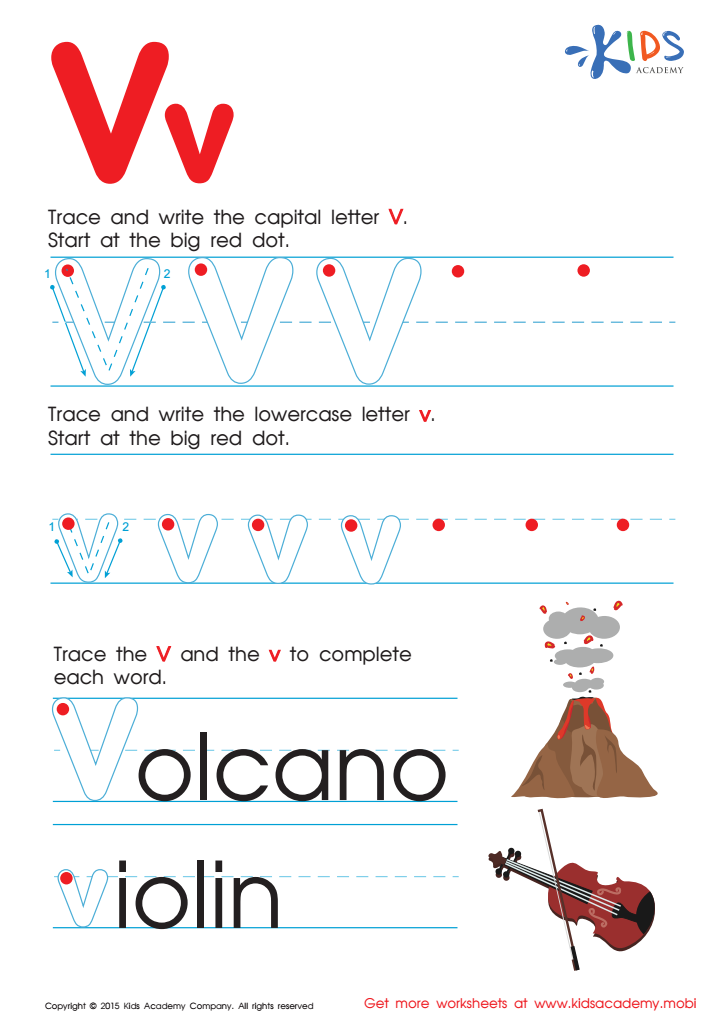
Letter V Tracing Page
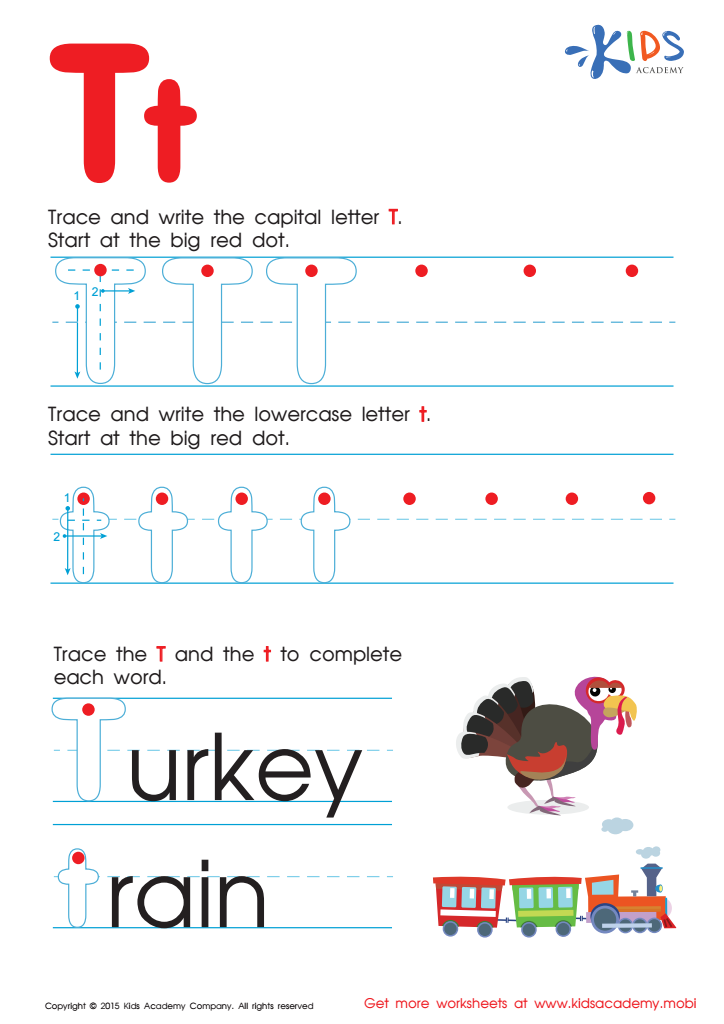
Letter T Tracing Page








Parents and teachers should care about Fine Motor Skills Extra Challenge Letter Recognition for ages 4-5 because these foundational skills play a crucial role in a child's early development and academic success. Fine motor skills, which involve the small muscles in the hands and fingers, are essential for tasks like writing, drawing, and self-care activities such as buttoning or zipping. When engaged in activities that enhance these skills, children gain better hand-eye coordination and dexterity, leading to increased confidence in their abilities.
In conjunction with fine motor development, letter recognition is vital for preschoolers as it lays the groundwork for literacy. Recognizing letters is the first step towards reading and writing, both of which are essential for communication and comprehension. By integrating fine motor activities with letter recognition challenges, children can make connections between their physical movements and the letters they learn, reinforcing their understanding in an engaging way.
Moreover, these skills profoundly impact a child's emotional and cognitive development. Mastering fine motor tasks promotes patience, focus, and problem-solving abilities, all of which are invaluable both in the classroom and beyond. Therefore, encouraging these skills through fun and challenging activities is critical for fostering well-rounded, successful learners.