Number Recognition Extra Challenge Numbers Worksheets for Ages 4-5 - Page 2
27 filtered results
-
From - To
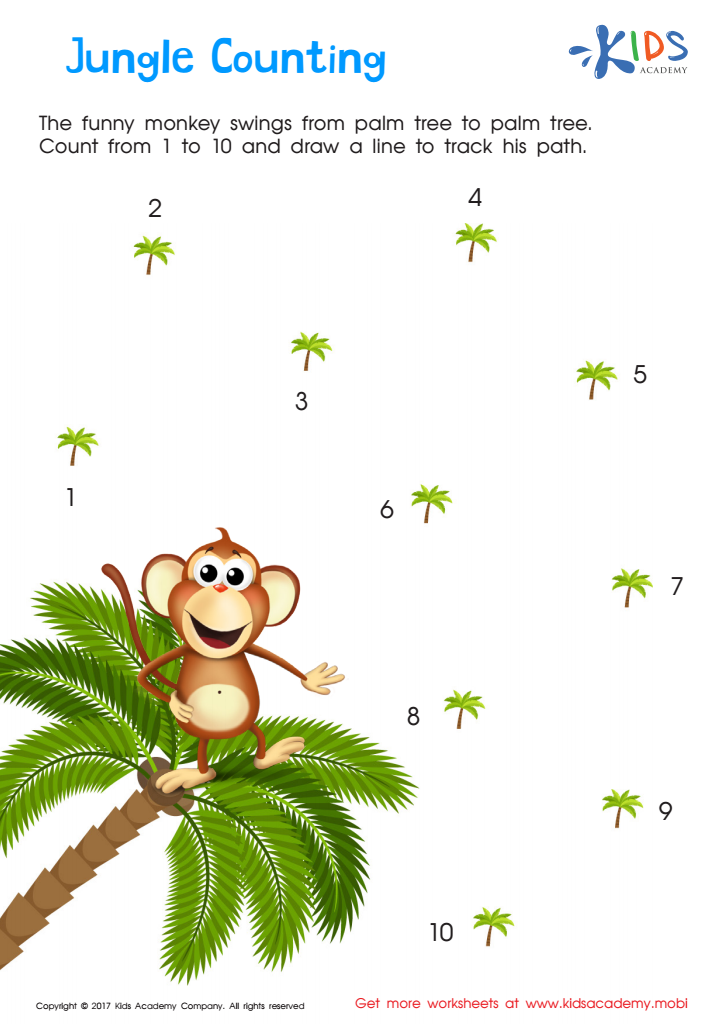
Jungle Counting Connect Dots Worksheet
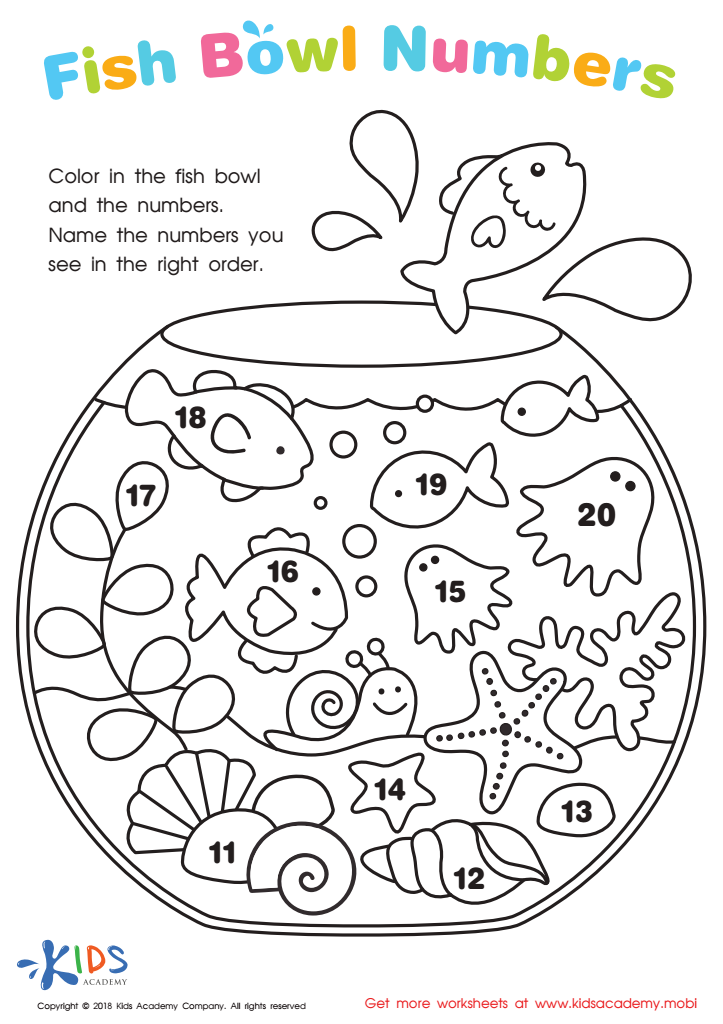
Fish Bowl Numbers Worksheet
 Assign to My Students
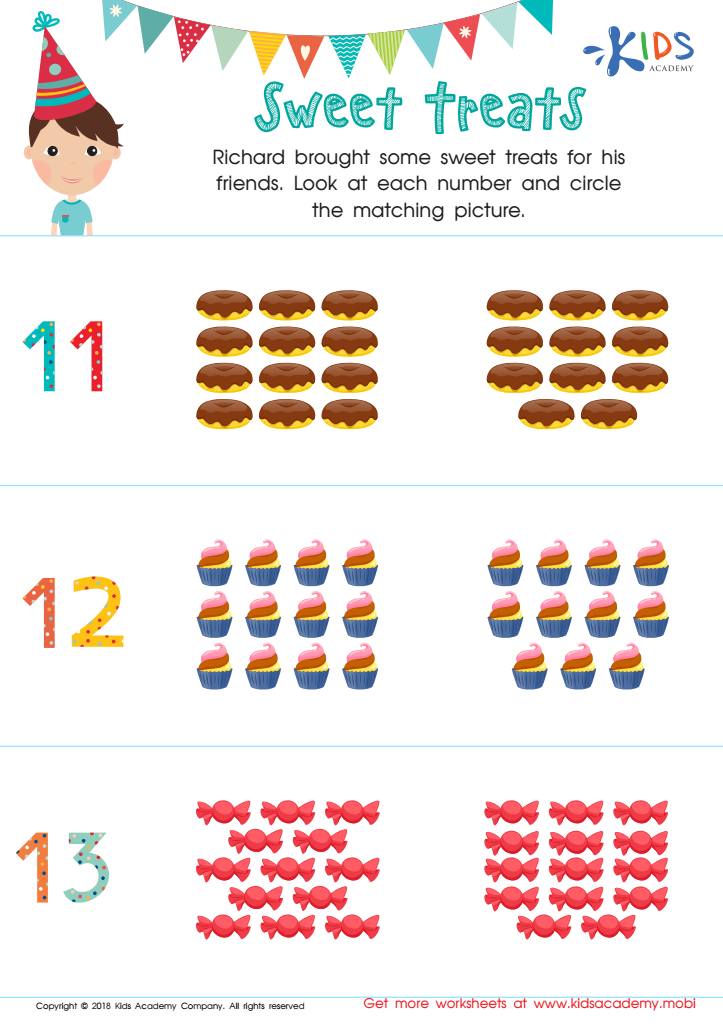
Kindergarten Math Worksheet Matching Numbers







Number recognition is a foundational skill that sets the stage for a child's mathematical abilities. For children aged 4-5, introducing an extra challenge with numbers goes beyond mere identification; it nurtures critical thinking and problem-solving skills. When parents and teachers emphasize number recognition through advanced activities, they create a stimulating environment that fosters cognitive development.
Children who engage with challenging number recognition tasks learn to differentiate between quantities, patterns, and numerical symbols, which enhances their comprehension of mathematics. By incorporating games and hands-on activities, educators and parents can make learning enjoyable, motivating children to explore and inquire deeply.
Furthermore, cultivating a strong number recognition skillset at an early age creates a sense of confidence in children. This self-assuredness carries over into future academic pursuits, helping to reduce anxiety around math as they progress through school. Early mastery of numbers also correlates with better performance in later grades, paving the way for more advanced mathematical concepts.
Ultimately, prioritizing an extra challenge in number recognition not only enriches children’s educational experience but equips them with essential skills for lifelong learning and success in mathematics. Parents and teachers share a vital role in laying this groundwork during these formative years.