Alphabet Recognition Extra Challenge ABC Letters Worksheets for Ages 4-6
3 filtered results
-
From - To
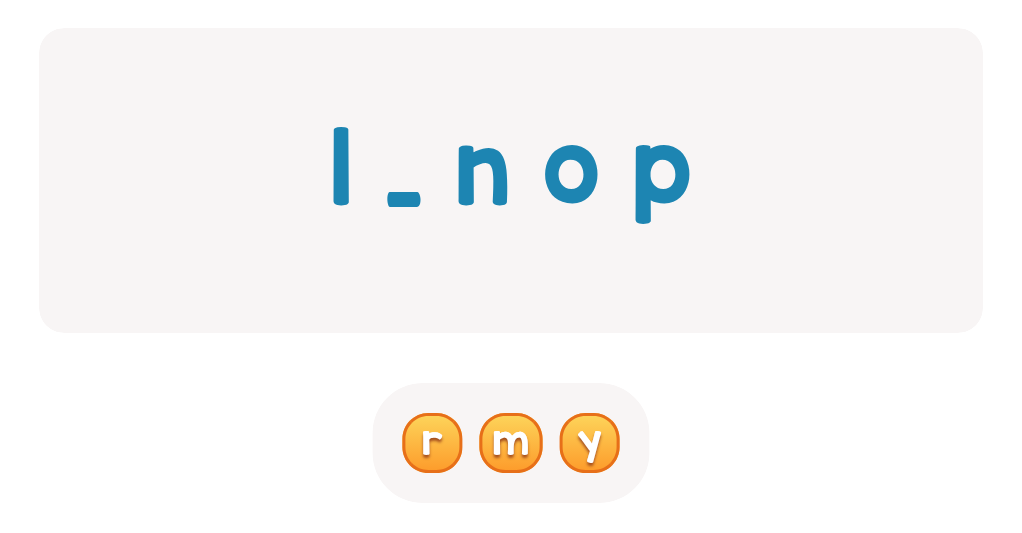
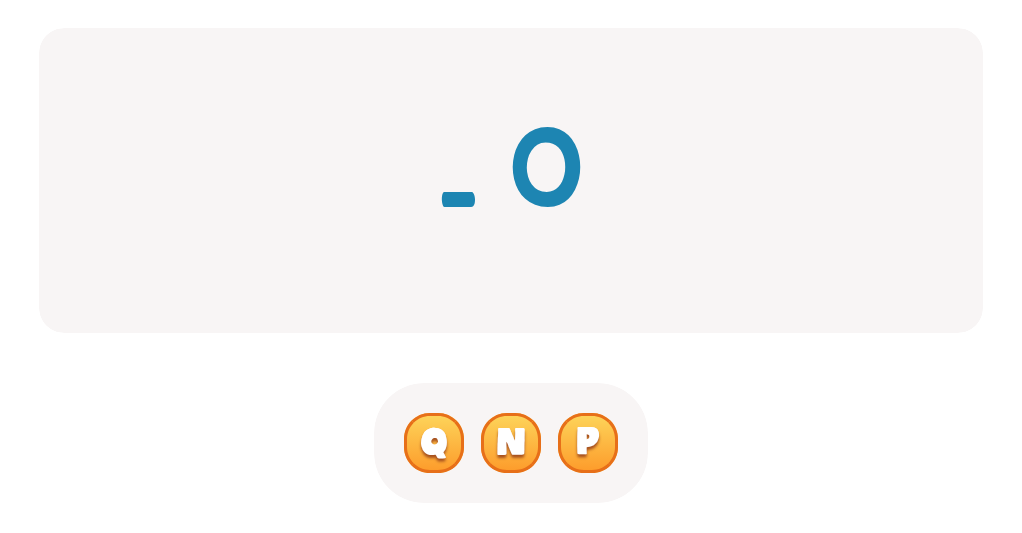
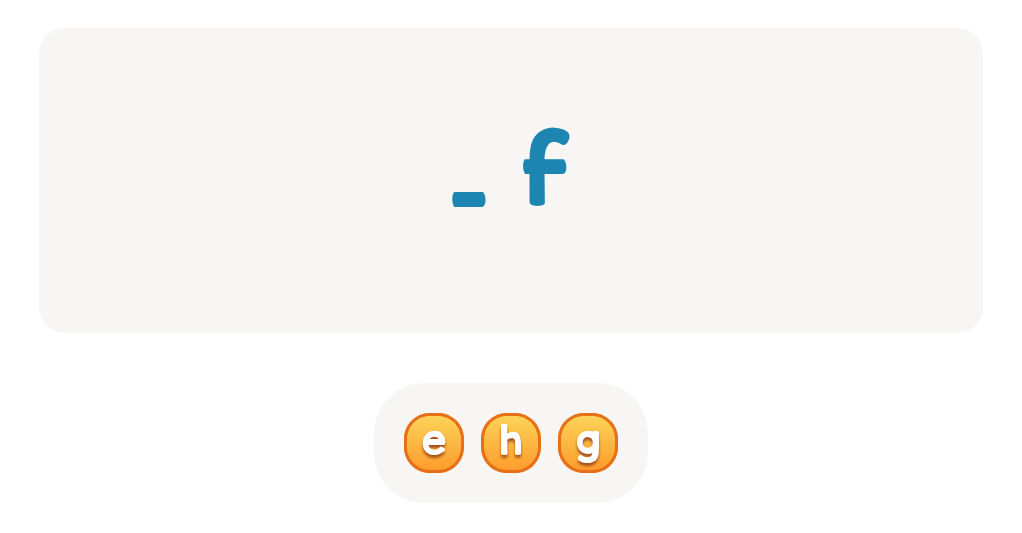
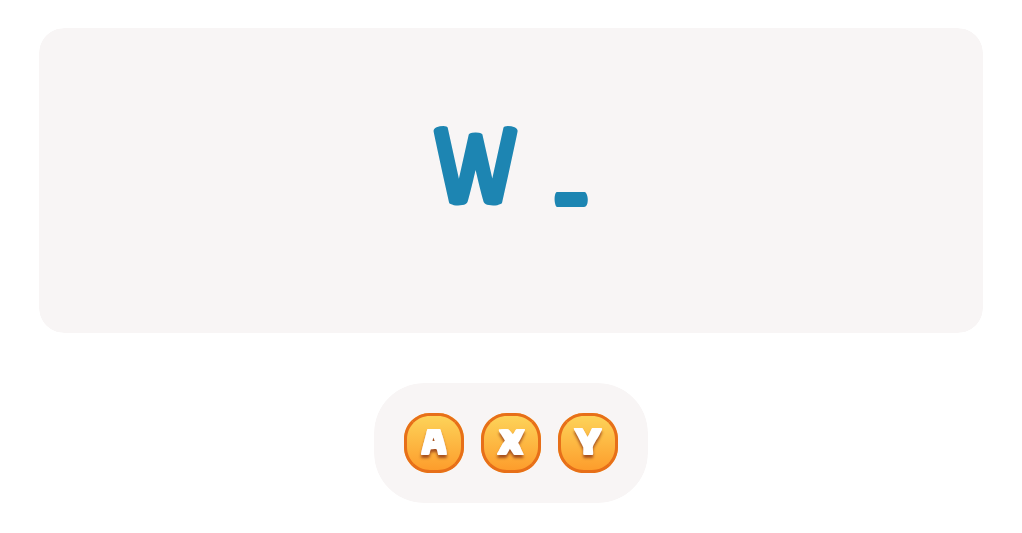
Boost your child's alphabet mastery with our Alphabet Recognition Extra Challenge ABC Letters Worksheets, designed for ages 4-6. These engaging and challenging printables help young learners strengthen their letter identification and pronunciation skills while having fun. Each worksheet presents varied activities to enhance cognitive skills, ensuring children develop a robust foundation in the alphabet. Perfect for reinforcing early literacy in preschool and kindergarten, these worksheets are an excellent tool for parents and educators striving for academic excellence. Cultivate confidence and curiosity in your child by exploring our alphabet challenge worksheets today!
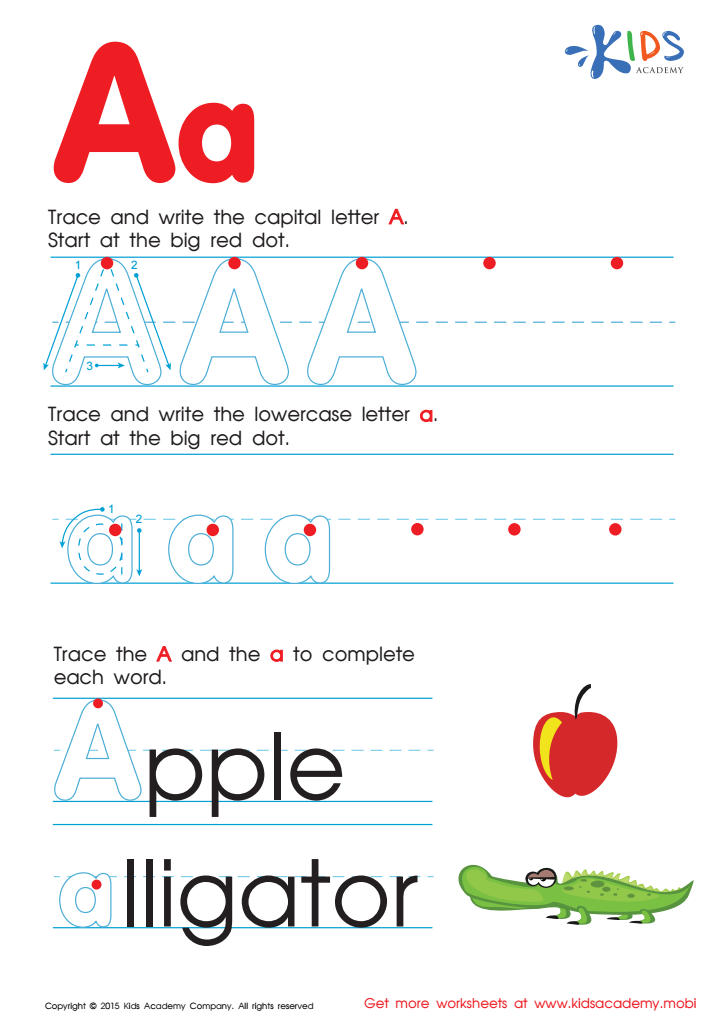
Letter A Tracing Page
 Assign to My Students




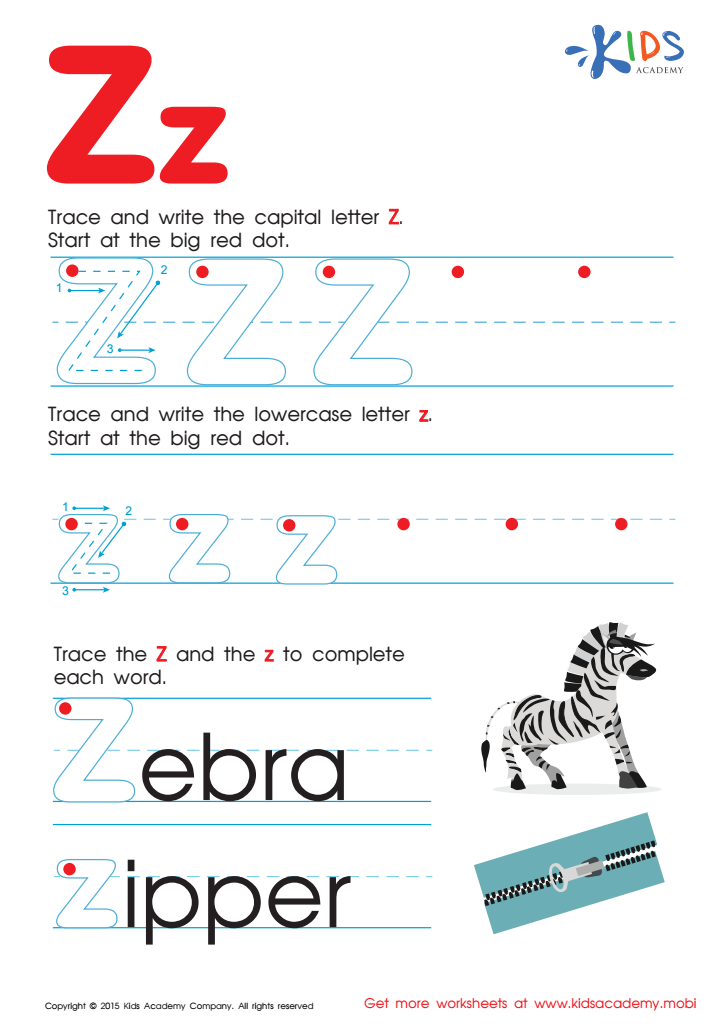
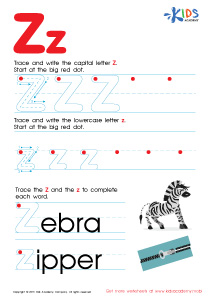
Letter Z Tracing Page
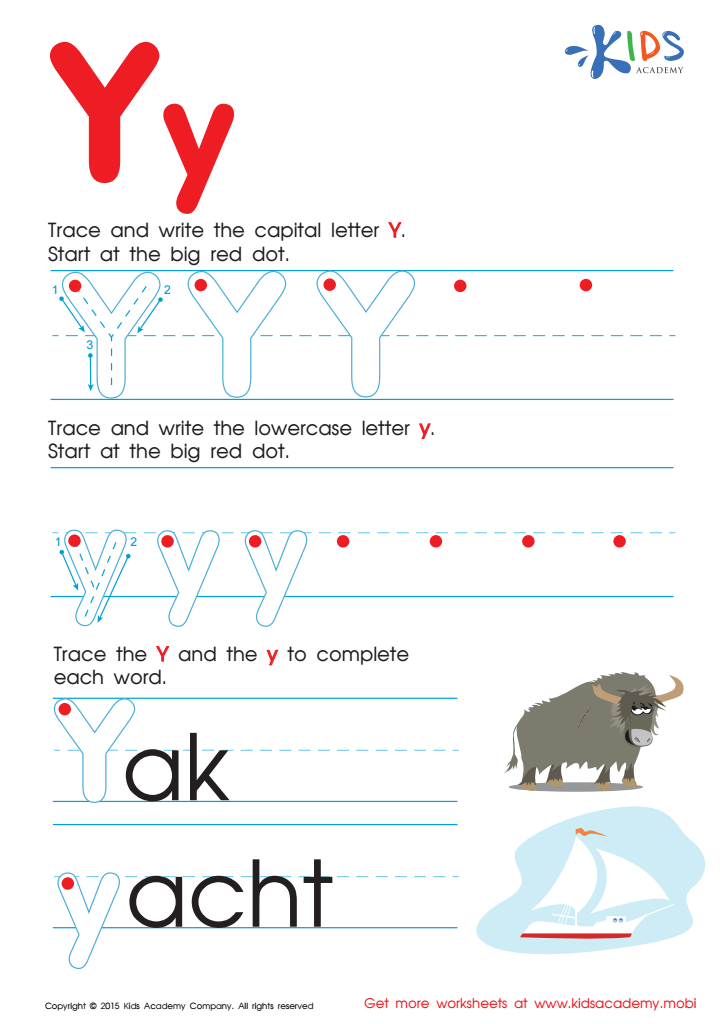
Letter Y Tracing Page








Alphabet recognition is a crucial foundational skill for young learners, laying the groundwork for future reading and writing proficiency. Parents and teachers should prioritize tools like the Alphabet Recognition Extra Challenge ABC Letters for Ages 4-6 because early literacy development directly influences academic success. Engaging children with fun, interactive activities helps them to identify letters and associate them with their corresponding sounds effectively.
By incorporating an "extra challenge," these activities can enhance a child's learning experience beyond basic recognition. They stimulate cognitive development by encouraging problem-solving and critical thinking, which are essential skills in all areas of learning. Additionally, these challenges make the process enjoyable, fostering a positive attitude toward education.
Moreover, early mastery of alphabet recognition can lead to greater retention and understanding, enabling children to decode words more swiftly when they begin formal reading instruction. This skill also supports handwriting, as children learn to associate both the visual and written forms of each letter.
In essence, investing in alphabet recognition activities is investing in a child’s future success. It ensures they build a robust literacy foundation, promotes an engaged and stimulating learning environment, and helps children develop confidence in their abilities from an early age.