Categorization skills Extra Challenge Worksheets for Ages 4-6
4 filtered results
-
From - To
Boost your child's categorization skills with our engaging Extra Challenge Worksheets for ages 4-6! Designed to foster critical thinking and enhance cognitive development, these worksheets encourage young learners to group objects based on shapes, colors, and other attributes. Ideal for home or classroom use, they provide a fun and interactive way to encourage problem-solving and classification skills. Our comprehensive selection not only challenges kids but also cultivates their creativity and attention to detail. Suitable for various learning environments, these worksheets are a fantastic resource for early education. Download now and help your child excel in their learning journey!
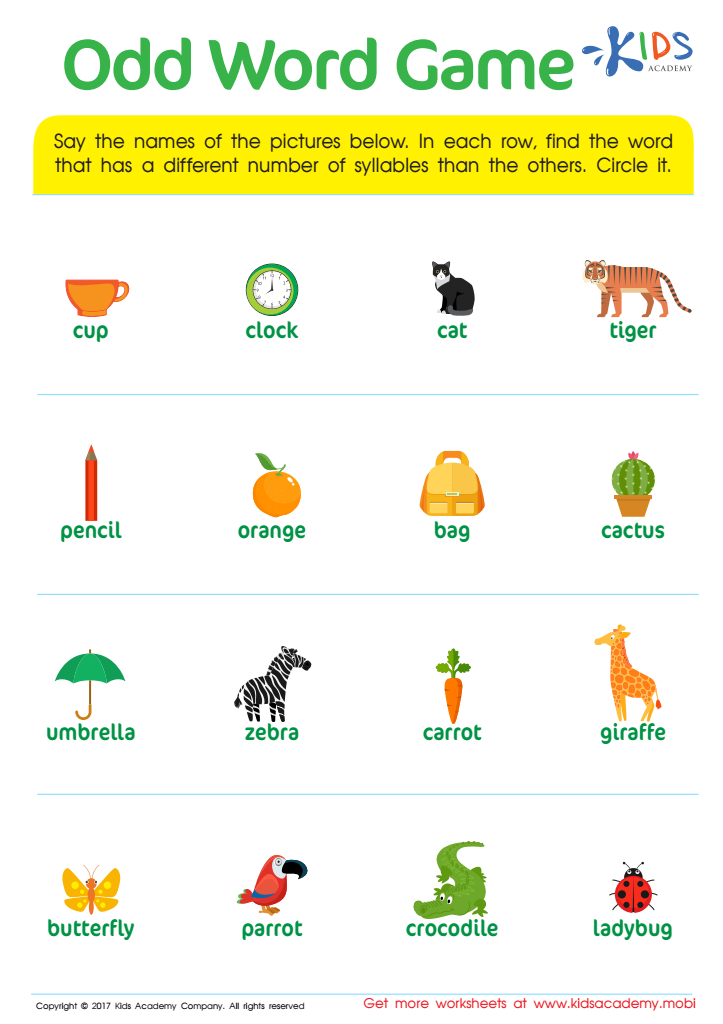
Count Syllables: Odd Word Game Worksheet
 Assign to My Students
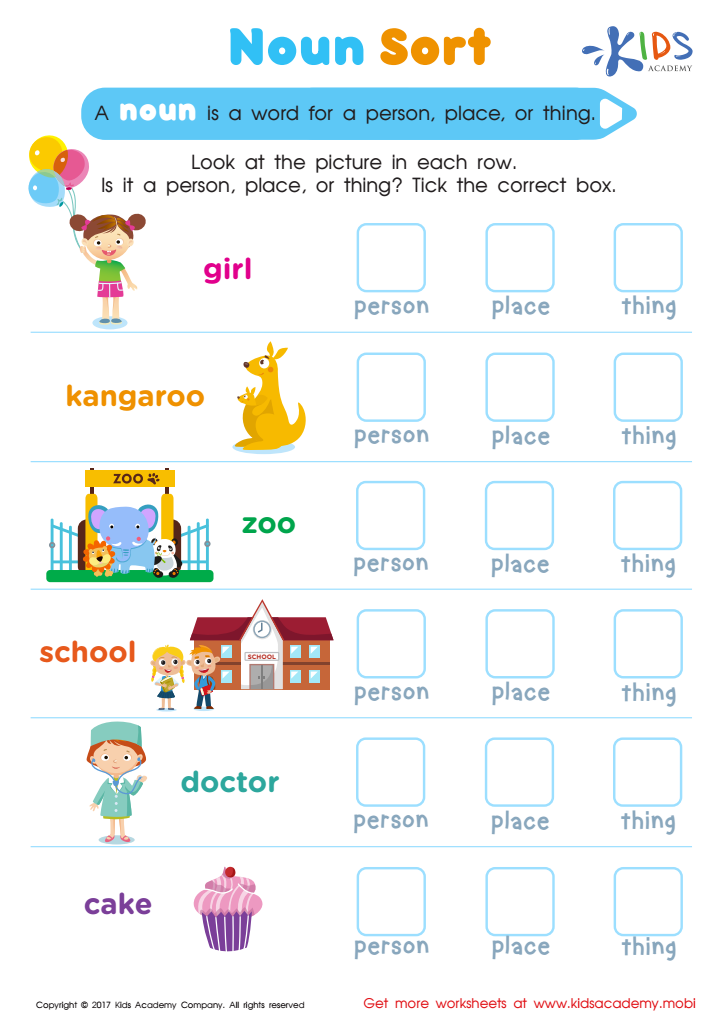
Noun Sort Printable
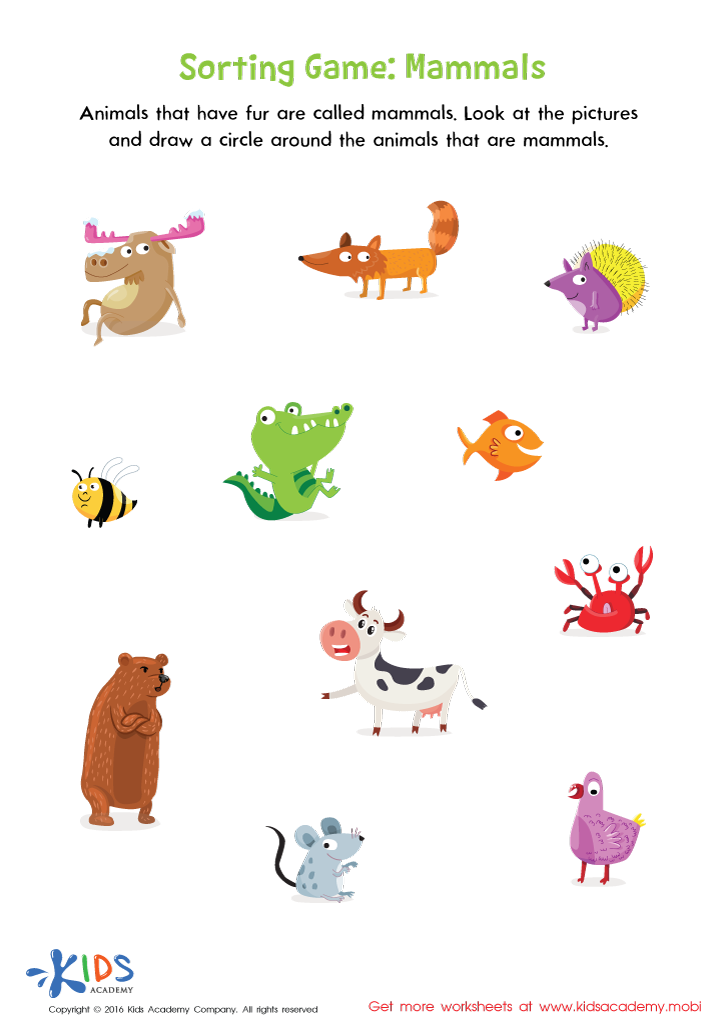
Mammals Sorting Worksheet
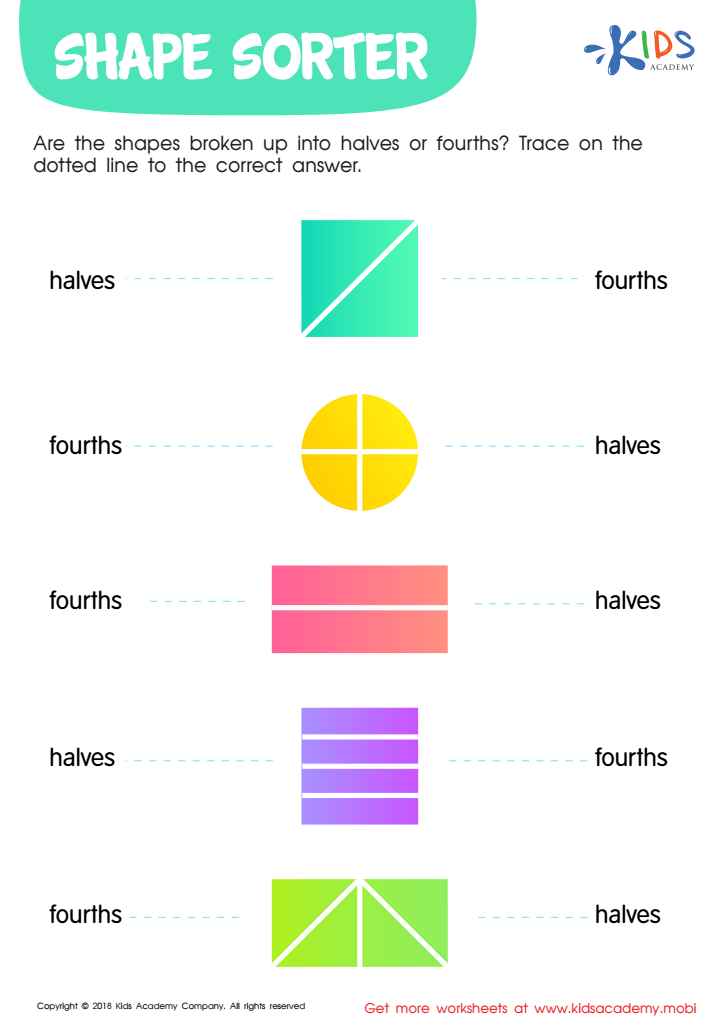
Shape Sorter Worksheet





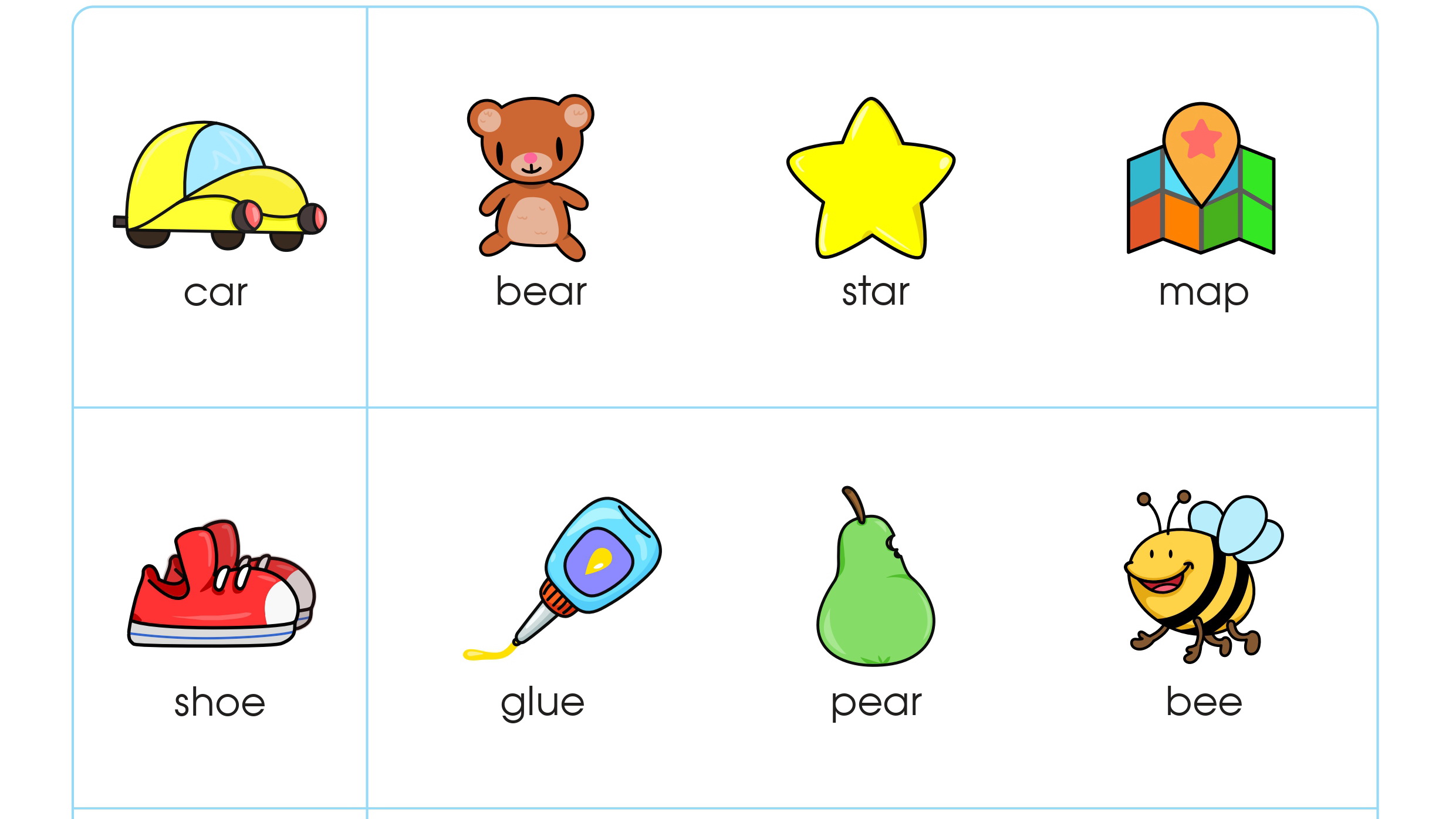

Categorization skills are foundational for early childhood development, extending well beyond simple classification activities. For parents and teachers of children aged 4 to 6, nurturing these skills is essential for several reasons.
Firstly, categorization helps children make sense of the world around them. By organizing information into groups based on shared characteristics, children enhance their comprehension and retention of new concepts. This skill fosters critical thinking and promotes effective problem-solving abilities, as they learn to distinguish between similarities and differences.
Furthermore, developing categorization skills supports language development. As children classify objects or ideas, they gain vocabulary related to those categories, enhancing their communication skills. For example, knowing the difference between animals, shapes, or colors allows them to express their thoughts more clearly.
Additionally, categorization promotes social interaction and cooperation among peers. Grouping activities can encourage teamwork, as children discuss and negotiate the criteria for forming categories, cultivating social skills and conflict resolution abilities.
In summary, emphasizing categorization skills is vital for cognitive and social-emotional development. By prioritizing these skills, parents and teachers equip children with essential tools for academic success, better communication, and positive social interactions as they grow.








