Vocabulary enhancement Extra Challenge Alphabet Worksheets for Ages 4-7
5 filtered results
-
From - To
Introducing our Vocabulary Enhancement Extra Challenge Alphabet Worksheets, designed for ages 4-7! These engaging worksheets boost your child's vocabulary by making learning the alphabet fun and interactive. Each activity encourages young learners to explore words, improve spelling, and grasp the basics of reading. Full of colorful illustrations and creative exercises, these worksheets make mastering letters a joyous journey. Perfect for classroom use or home practice, they support essential language skills and lay the foundation for future academic success. Bring excitement to your child's learning with our vibrant and educational alphabet worksheets today!
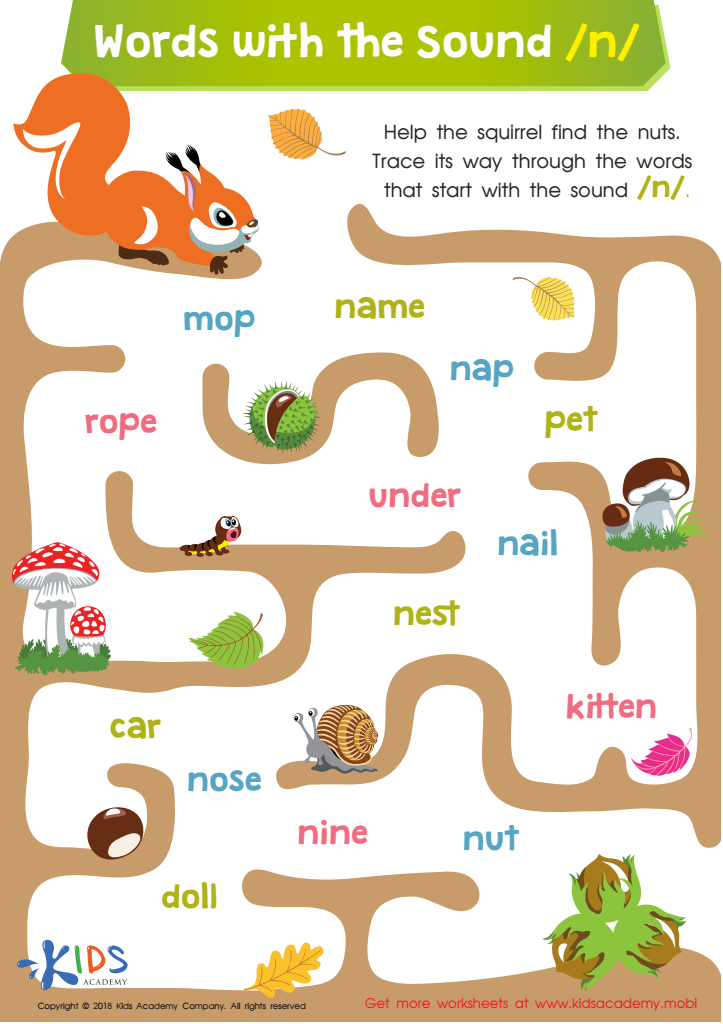
Words with Sound N Reading Worksheet
 Assign to My Students
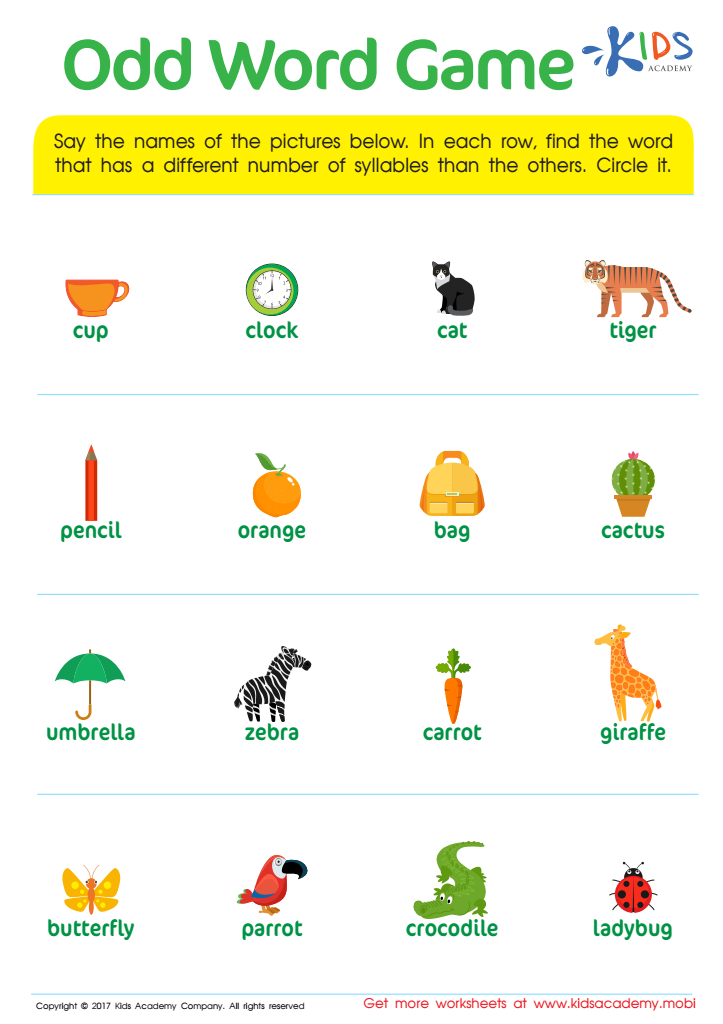
Count Syllables: Odd Word Game Worksheet
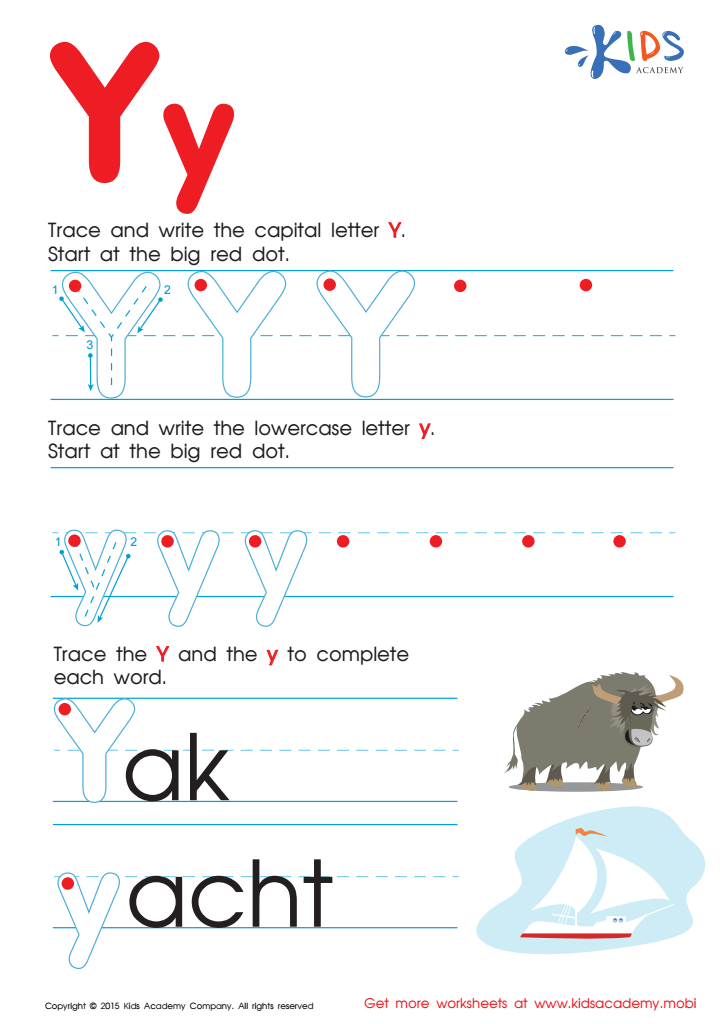
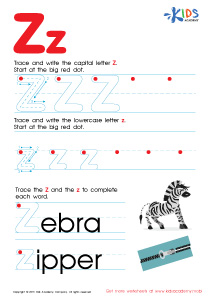
Letter Y Tracing Page
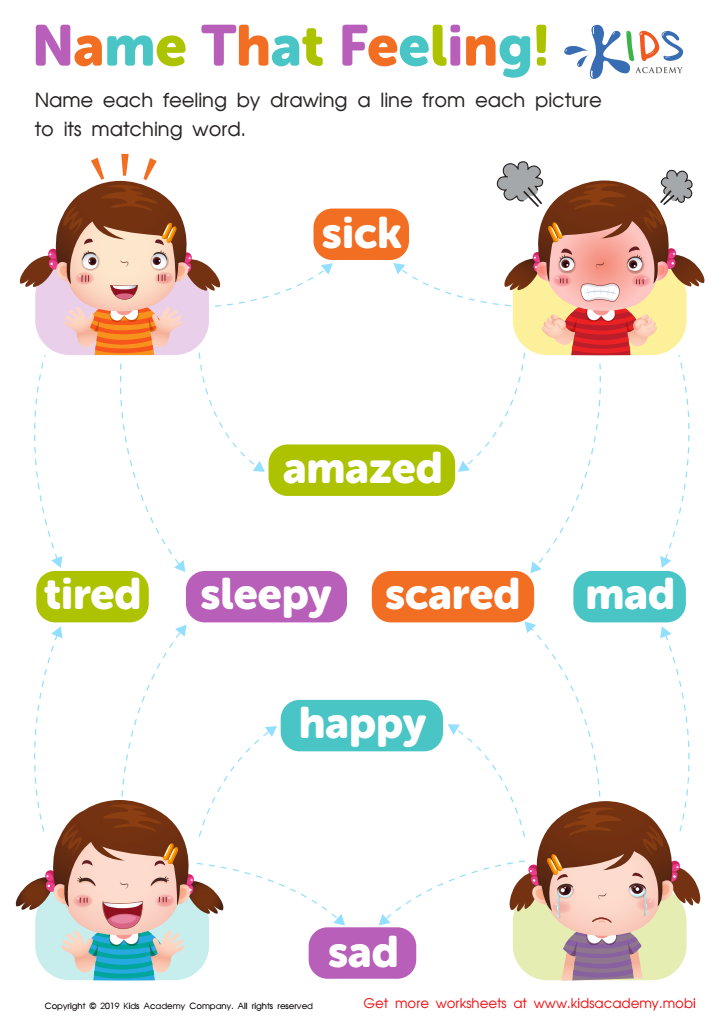
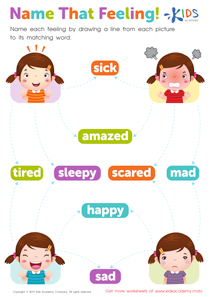
Name that Feeling Worksheet
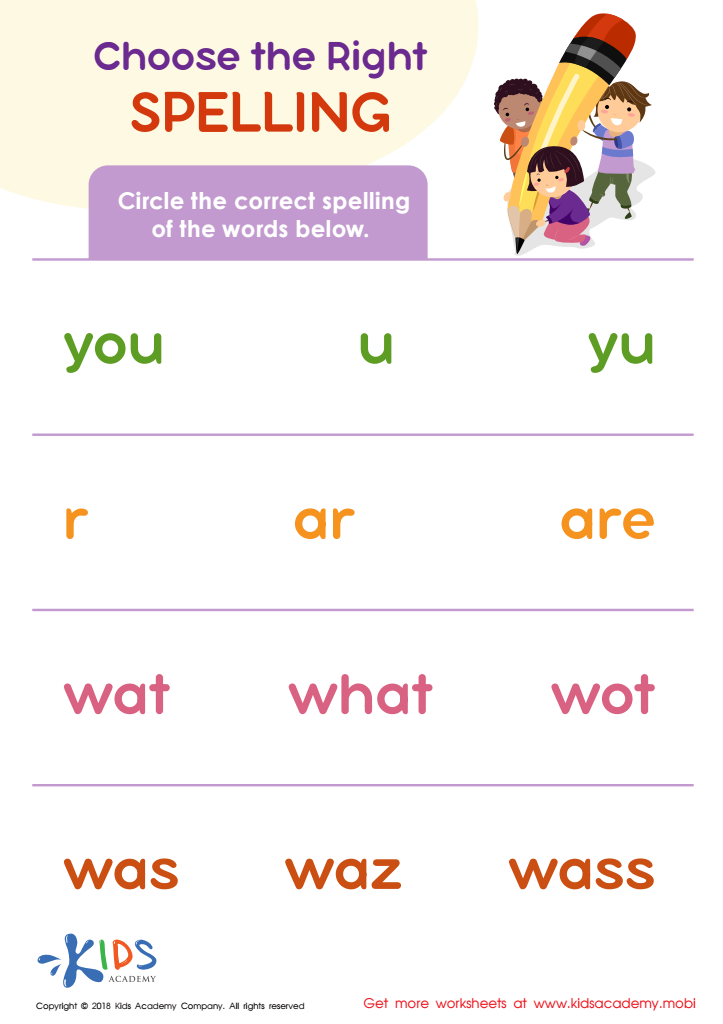
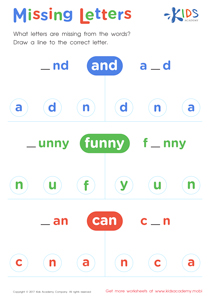
Choose the Right Spelling Worksheet








Simply put, vocabulary enhancement for ages 4-7 sets the groundwork for a child's academic and social success. This critical period of rapid brain development is when children are most receptive to learning new words, patterns, and concepts. Introducing vocabulary through fun, engaging means like challenges or exercises can make learning feel more like play than work, stimulating a deeper interest and engagement with language.
For parents, this investment is crucial for their child’s future. Strong vocabulary skills in early years translate to better reading comprehension and expressive abilities, providing a head start in almost all academic areas. These skills are often correlated with increased cognitive development, better critical thinking, and advanced problem-solving abilities. Moreover, enriching their vocabulary enhances communication skills, enabling children to express thoughts and feelings more effectively, which is a vital component of healthy emotional and social development.
For teachers, a well-rounded vocabulary curriculum enriches classroom dynamics. It makes lessons more interactive and helps children understand and follow instructions more accurately. By introducing extra vocabulary challenges associated with alphabets, teachers can cater to diverse learning paces and styles, ensuring that each child in the 4-7 age group has the best tools for reaching their learning milestones comfortably.
Ultimately, early vocabulary enhancement is an indispensable building block for a child's educational and personal growth.