Fine Motor Skills Extra Challenge Letter Recognition Worksheets for Ages 4-7
7 filtered results
-
From - To
Introducing our Fine Motor Skills Extra Challenge Letter Recognition Worksheets for ages 4-7. Designed by educational experts, these worksheets offer engaging and challenging activities that help young learners develop crucial fine motor skills while mastering letter recognition. Perfect for kids who are ready for an extra challenge, each worksheet combines fun, interactive exercises with systematic practice. Parents and educators can confidently support children’s literacy journey with these thoughtfully designed tools. Boost your child's dexterity, handwriting, and early reading skills with our innovative worksheets. Discover the perfect blend of education and enjoyment at Kids Academy today!
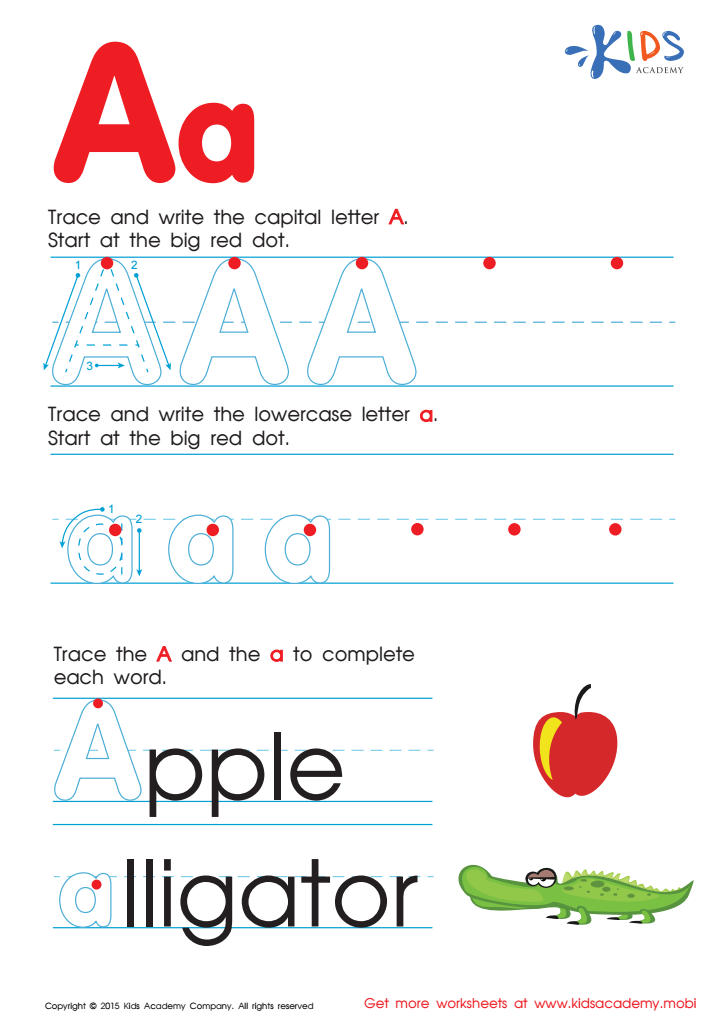
Letter A Tracing Page
 Assign to My Students
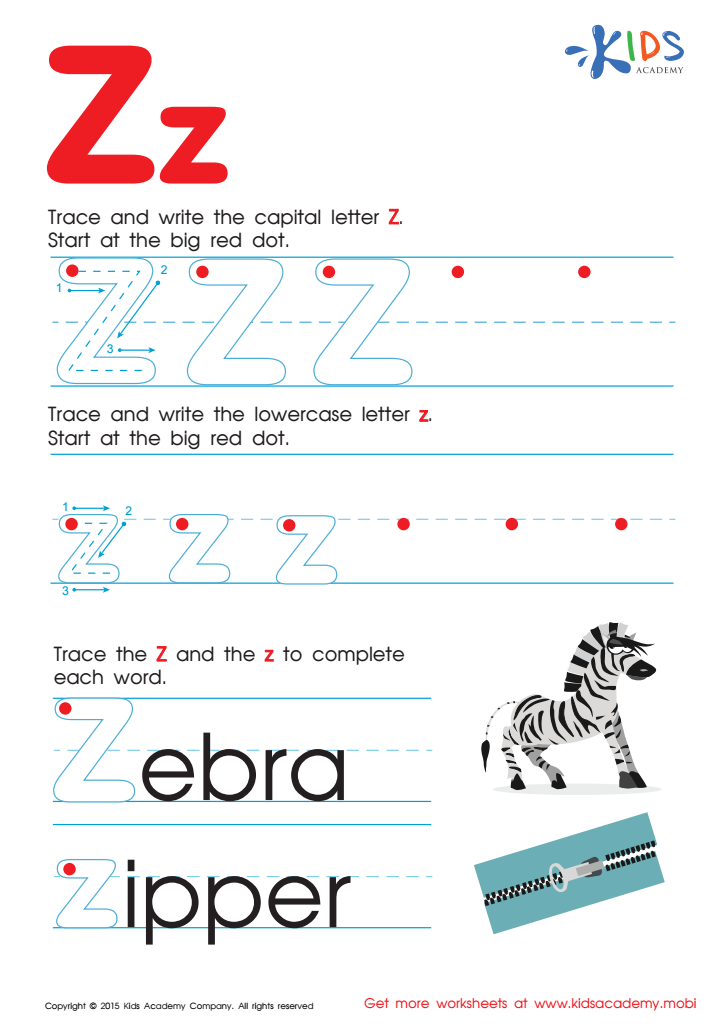
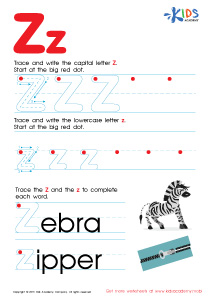
Letter Z Tracing Page
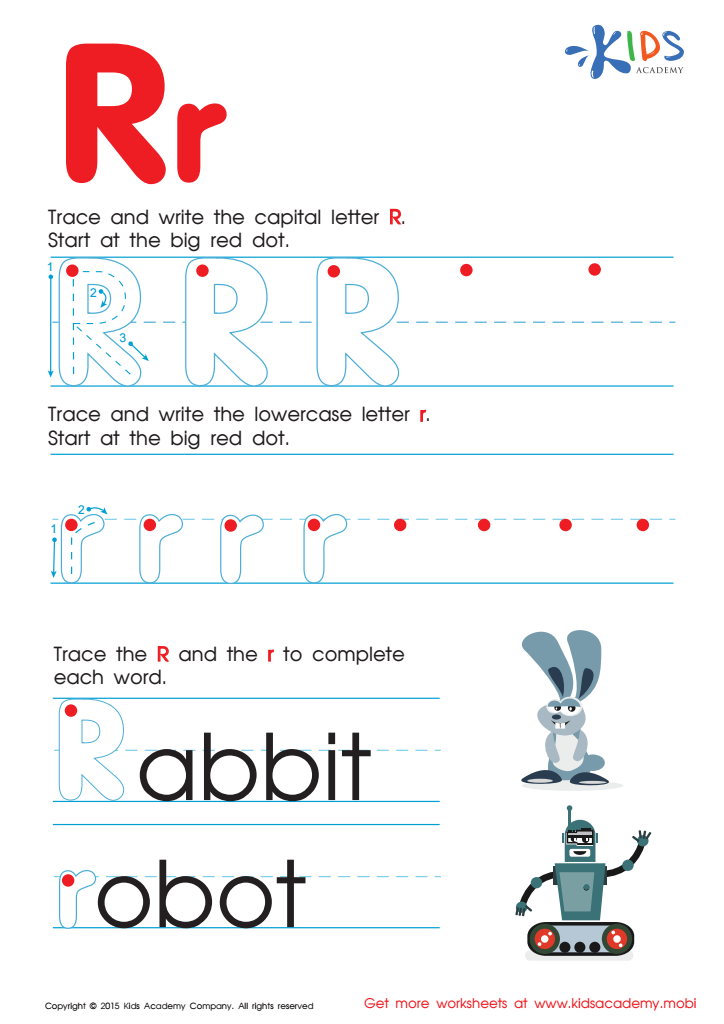
Letter R Tracing Page
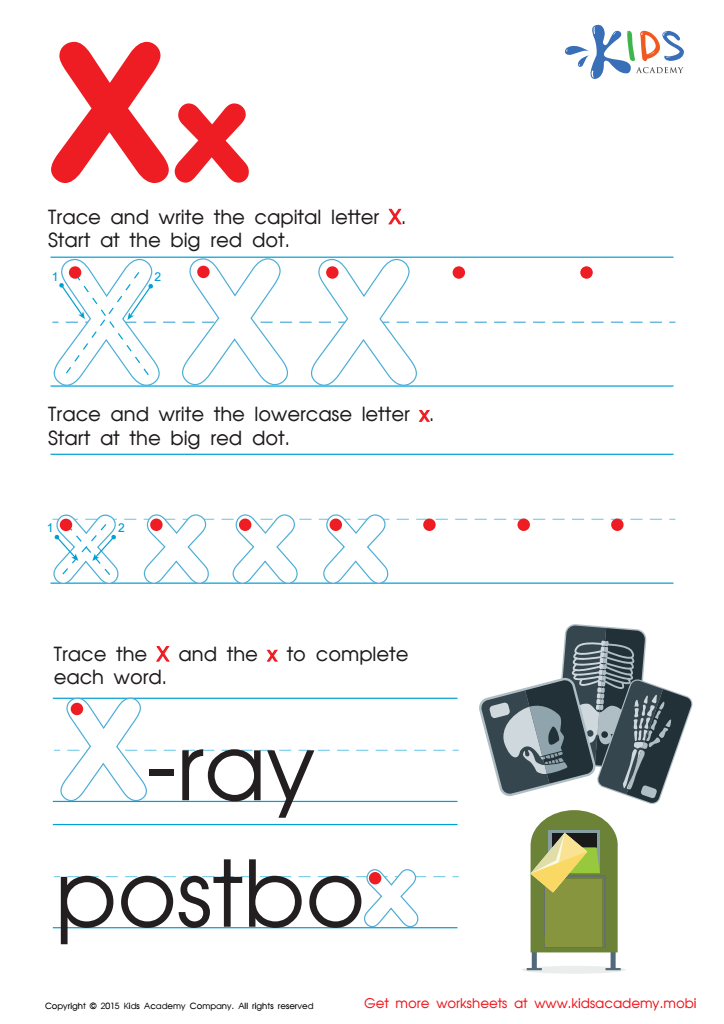
Letter X Tracing Page
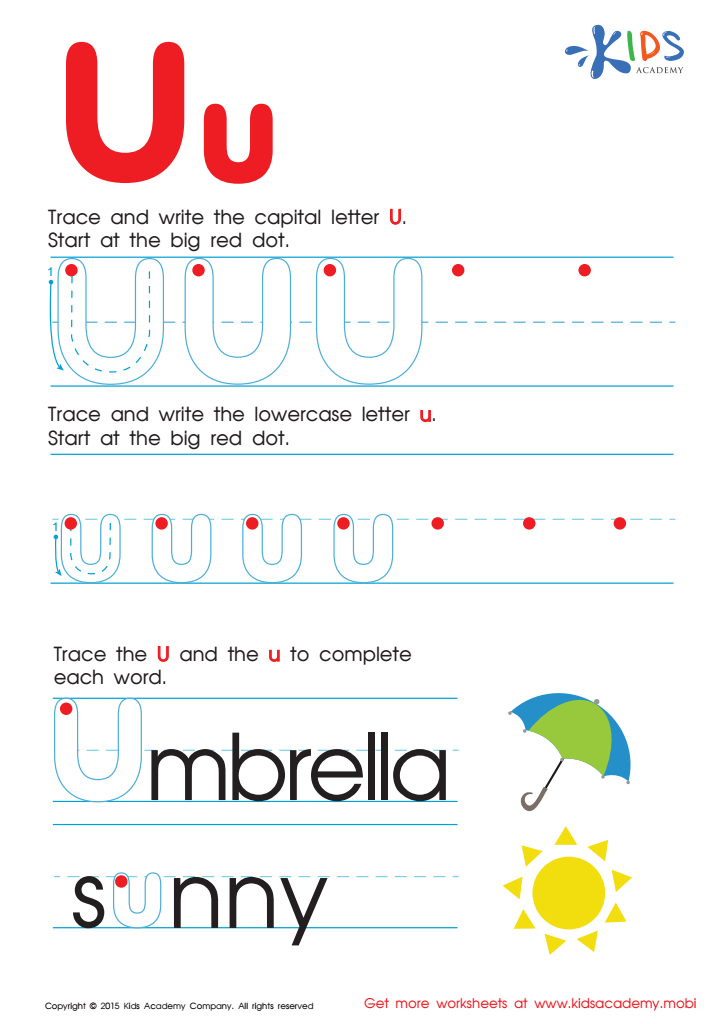
Letter U Tracing Page
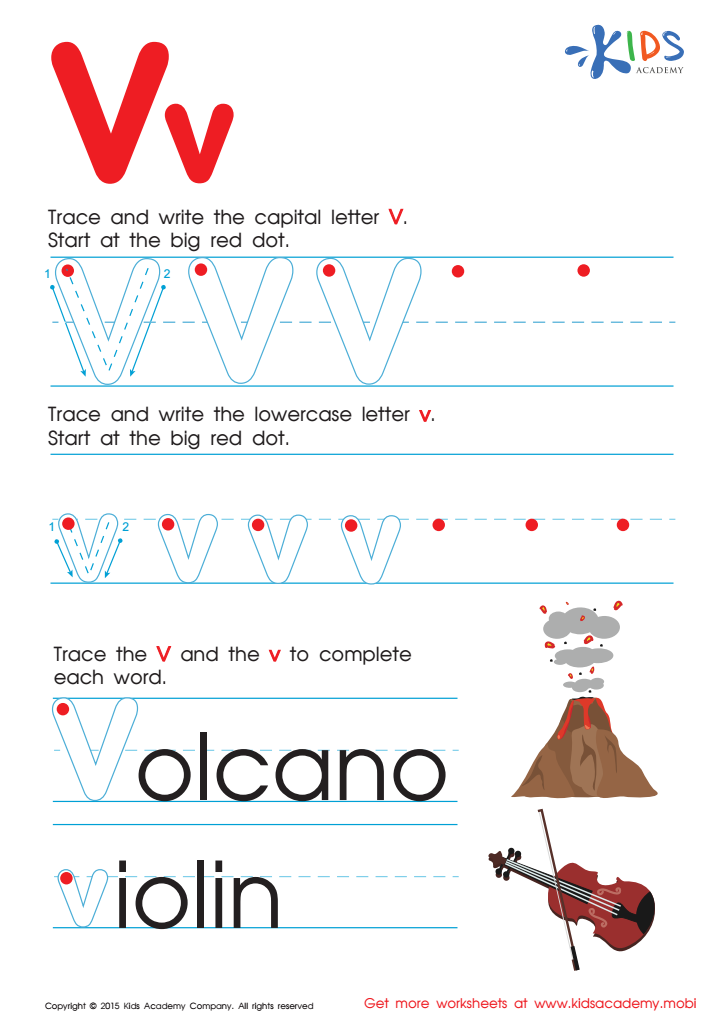
Letter V Tracing Page
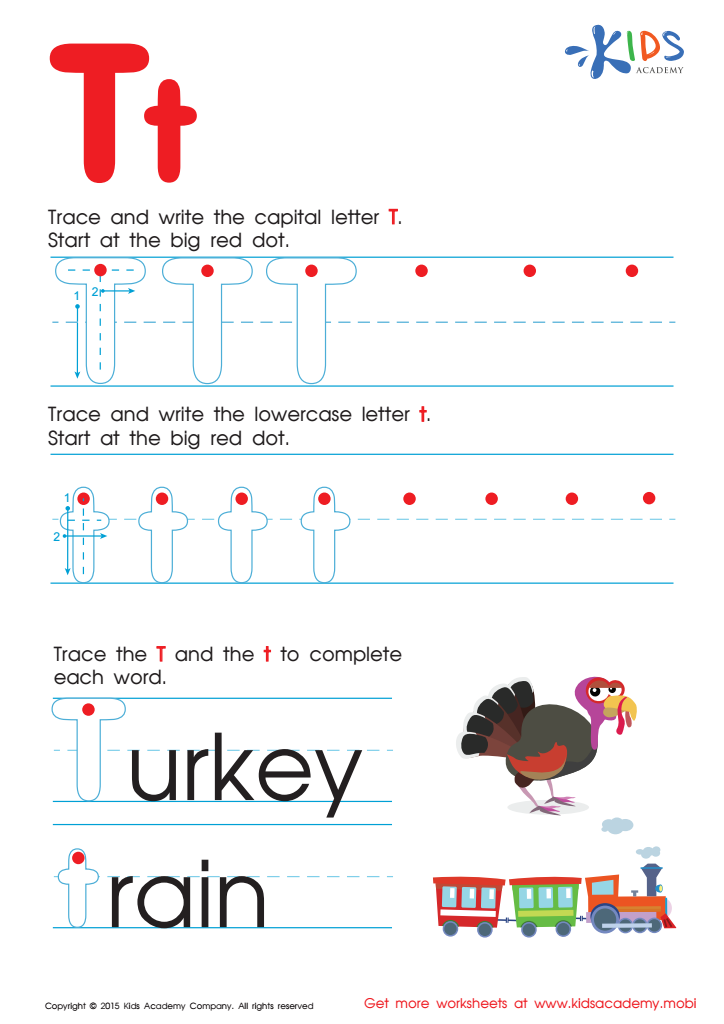
Letter T Tracing Page








Fine motor skills and letter recognition are foundational elements in early childhood education, particularly for children aged 4-7. Fine motor skills involve the coordination of small muscles in the hands and fingers, which are essential for tasks like writing, buttoning clothes, and using utensils. By enhancing these skills, parents and teachers set children up for greater academic and daily life success.
Letter recognition is equally critical as it forms the basis of literacy. Being able to recognize and name letters is a key precursor to reading and writing, integral skills for future learning. When children can identify letters and understand their corresponding sounds, they can decode words more efficiently, promoting both fluency and comprehension.
Combining fine motor skill activities with letter recognition exercises has a compound benefit. Activities like tracing letters or cutting out letter shapes not only reinforce the alphabet but also strengthen hand-eye coordination and dexterity. For children facing challenges in these areas, targeted interventions can prevent frustration and boost confidence.
Ultimately, attention to fine motor skills and letter recognition supports overall cognitive development, prepares children for more complex tasks, and fosters a positive attitude toward learning. Therefore, providing extra support in these areas is a crucial step in ensuring each child's educational success and personal growth.