Fine Motor Skills Extra Challenge Tracing Letters Worksheets for Ages 4-7
7 filtered results
-
From - To
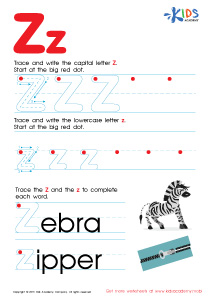
Discover our "Fine Motor Skills Extra Challenge Tracing Letters Worksheets" designed for children ages 4-7. These engaging worksheets enhance fine motor skills while making letter tracing fun! Each worksheet features unique letter designs, allowing young learners to practice their handwriting and improve hand-eye coordination. Perfect for preschool and kindergarten classrooms or at-home learning, our worksheets support early literacy development through playful activities. With a variety of tracing challenges, kids can build confidence as they master the alphabet. Download now and turn learning into an exciting adventure that nurtures both creativity and skill! Let your little ones excel with practice—one stroke at a time!
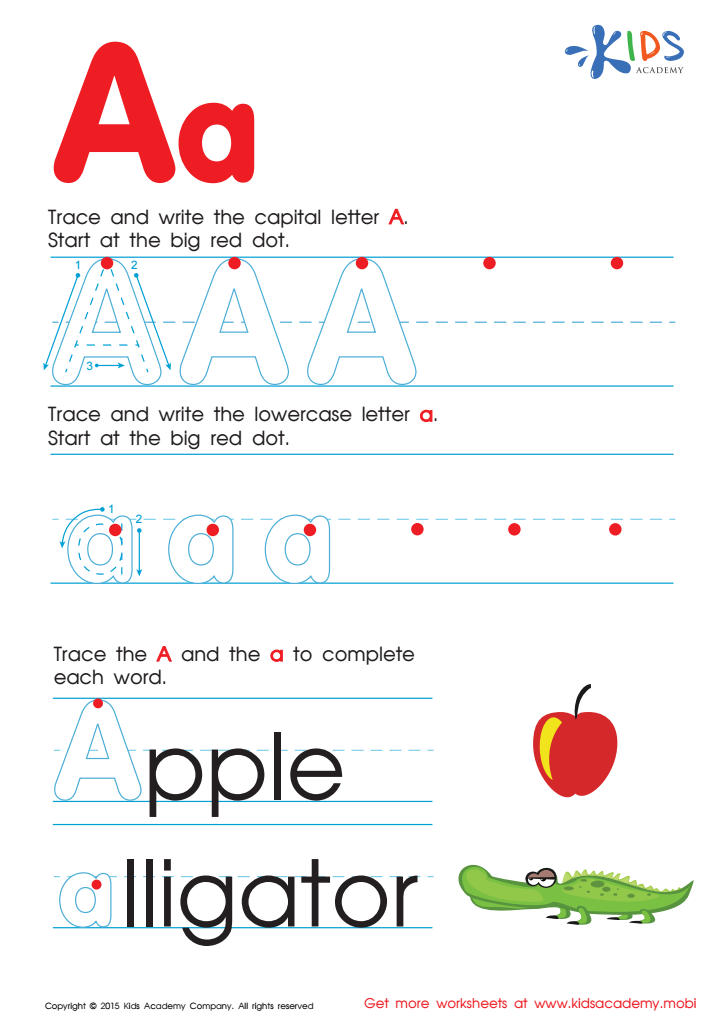
Letter A Tracing Page
 Assign to My Students
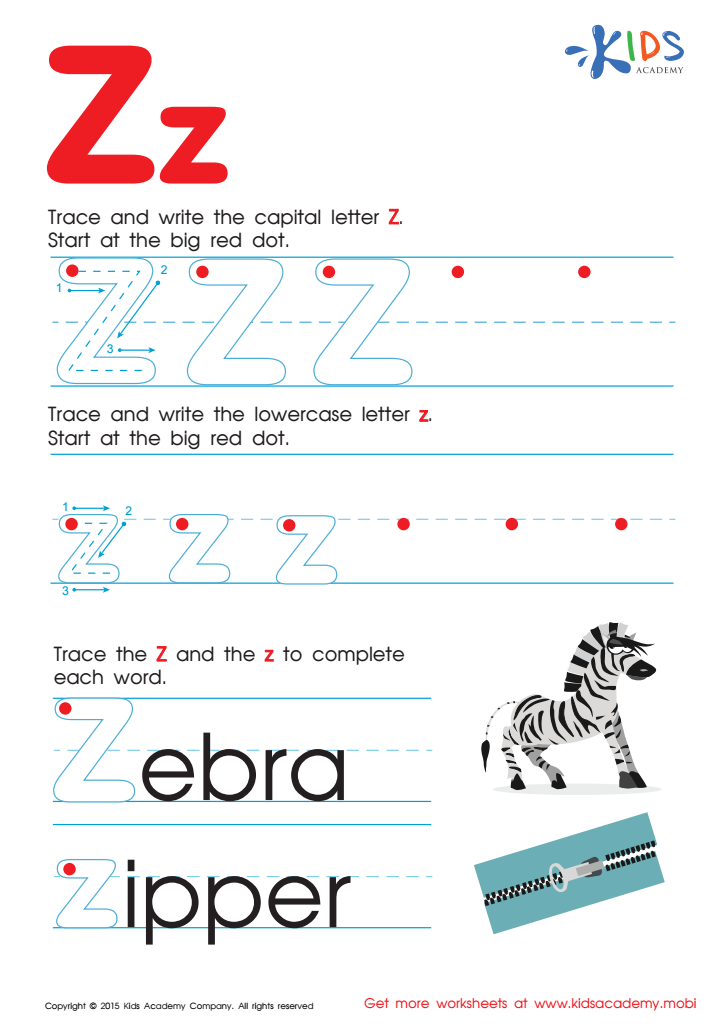
Letter Z Tracing Page
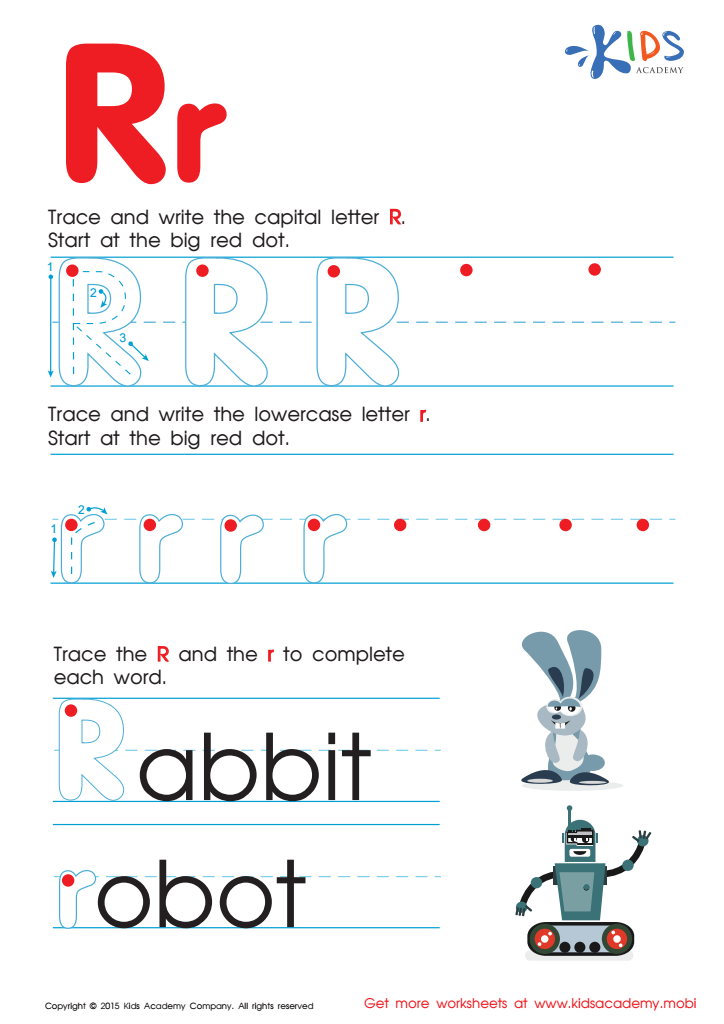
Letter R Tracing Page
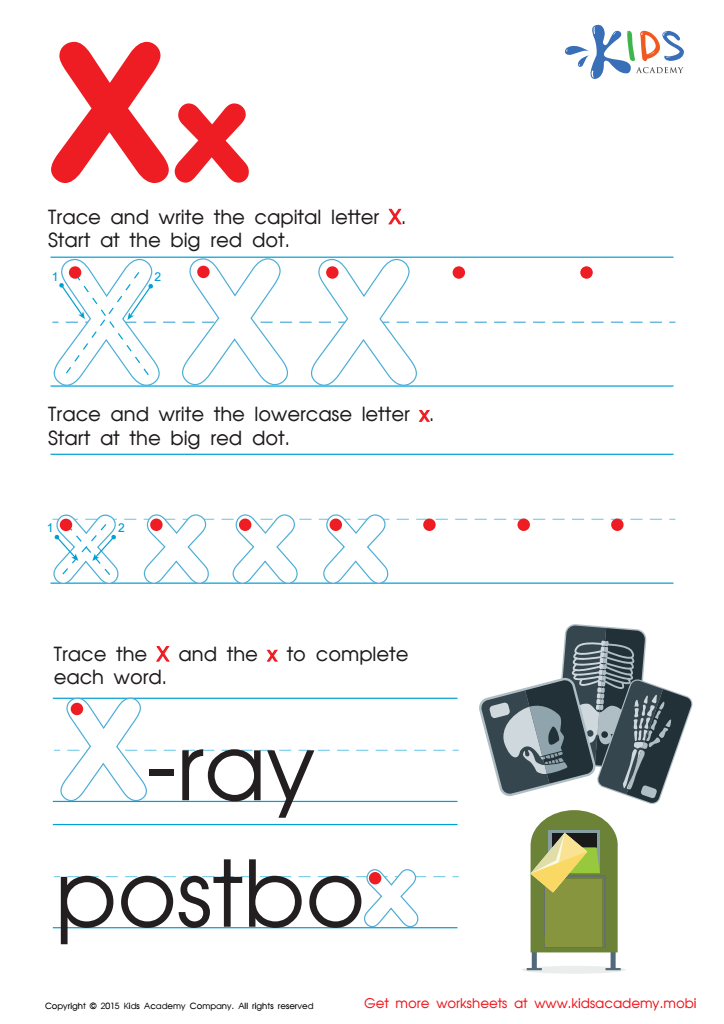
Letter X Tracing Page
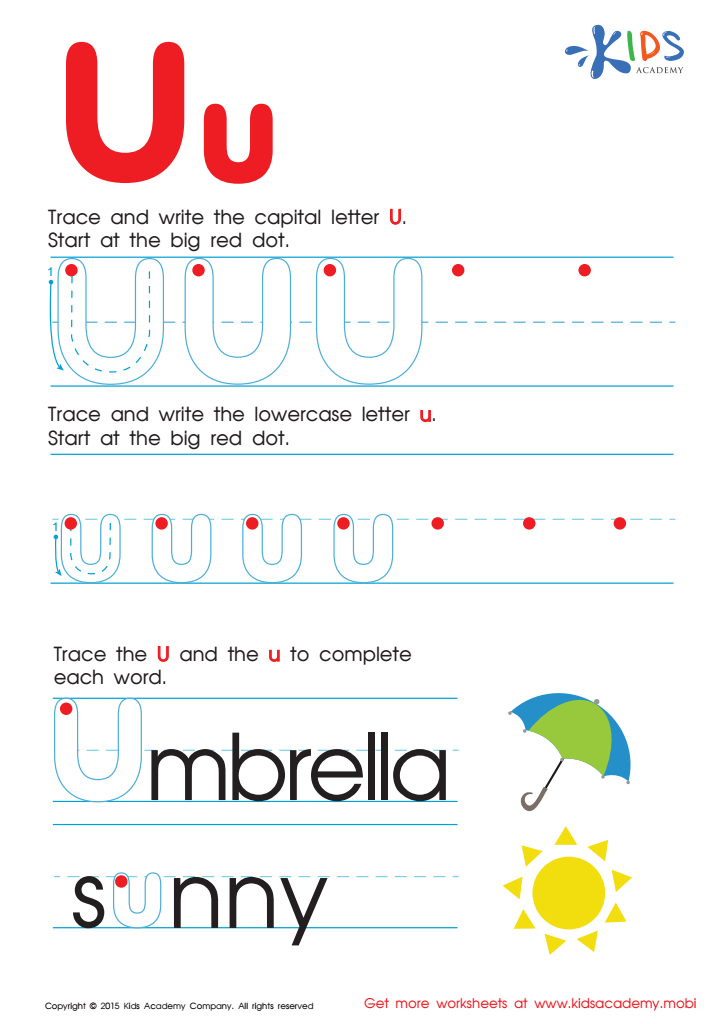
Letter U Tracing Page
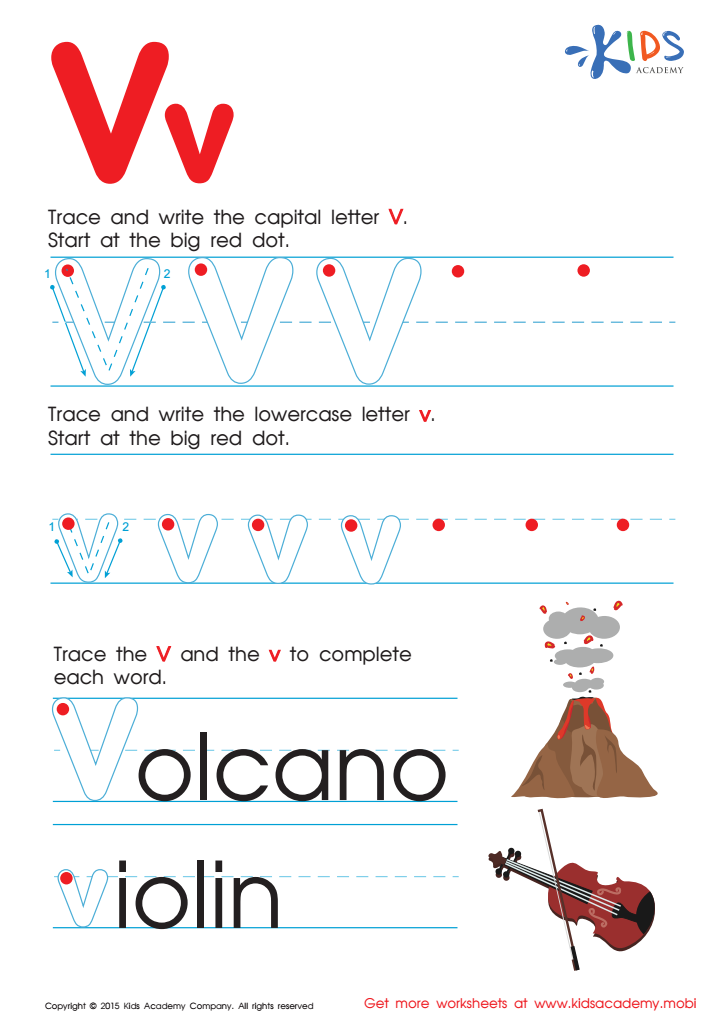
Letter V Tracing Page
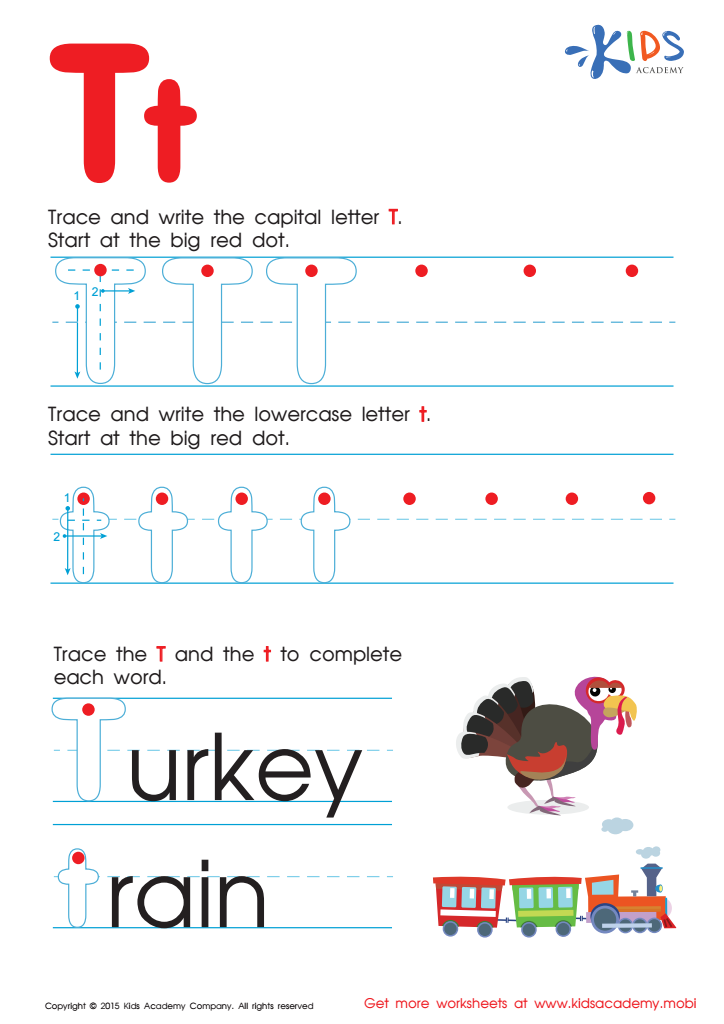
Letter T Tracing Page








Fine motor skills are crucial for children's overall development, particularly for ages 4-7, as they form the foundation for later writing and self-care abilities. Engaging children in activities like the Fine Motor Skills Extra Challenge, which involves tracing letters, has numerous benefits.
Firstly, these activities enhance hand-eye coordination and dexterity, enabling children to control their hand movements more precisely. This skill is vital for tasks such as writing, drawing, and eventually keyboarding—important skills in today’s digital world.
Secondly, tracing letters improves letter recognition and promotes early literacy. As children practice, they develop familiarity with uppercase and lowercase letters, which are essential for reading and writing competencies. This, in turn, boosts their confidence in language arts, fostering a lifelong love for reading.
Moreover, fine motor tasks provide a creative outlet, allowing children to express themselves while developing critical thinking and problem-solving skills. When parents and teachers prioritize these activities, they help children build their self-esteem, encouraging perseverance as they master new skills.
Lastly, incorporating these challenges into daily routines creates a fun learning environment, making educational growth enjoyable and engaging. Supporting fine motor skill development ensures children are well-prepared for future academic challenges and daily life tasks.