Extra Challenge Comparing Numbers Worksheets for Ages 4-7
4 filtered results
Difficulty Level
Grade
Age
-
From - To
Subject
Activity
Standards
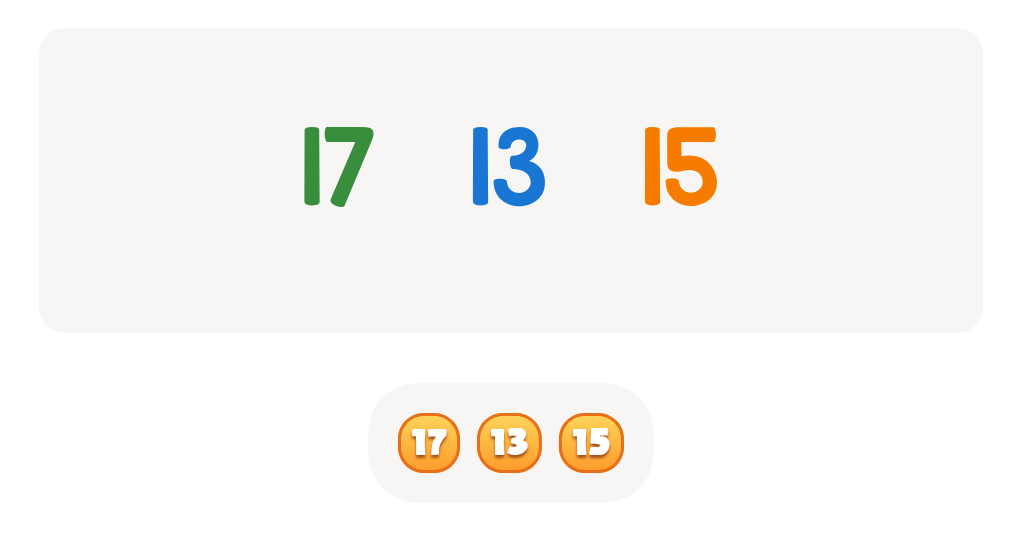
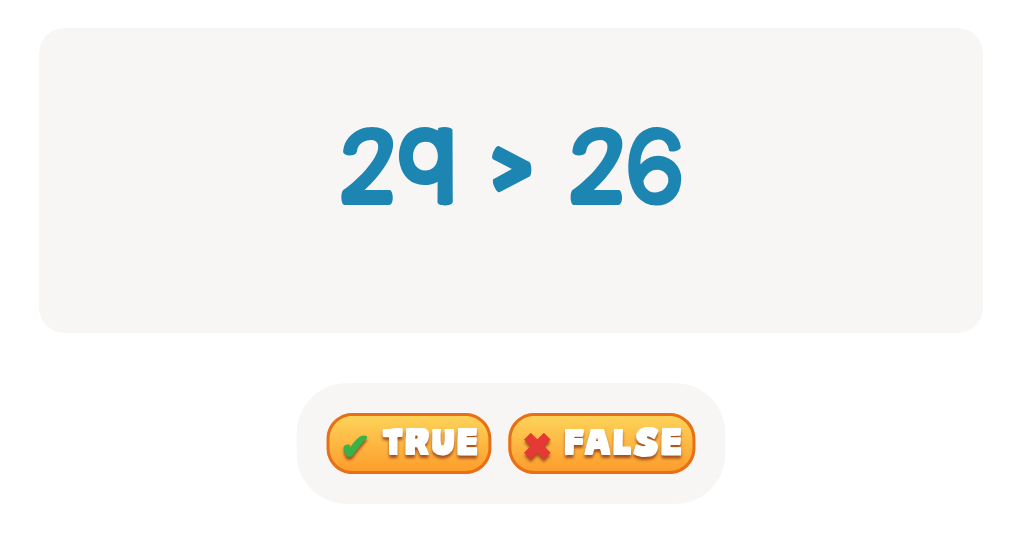
Explore our "Extra Challenge Comparing Numbers Worksheets" for children aged 4-7! These engaging, printable worksheets are designed to enhance your child's numerical understanding and comparison skills. Packed with fun and educational activities, they encourage young learners to compare numbers through a variety of formats including visual aids and engaging scenarios. Ideal for homeschooling or supplemental practice, these worksheets foster a love of math while building confidence in counting, greater than/less than concepts, and number recognition. Ignite your child's curiosity and encourage critical thinking with our thoughtfully crafted challenges tailored to their skill development! Download now to make math exciting!
Favorites
With answer key
Interactive
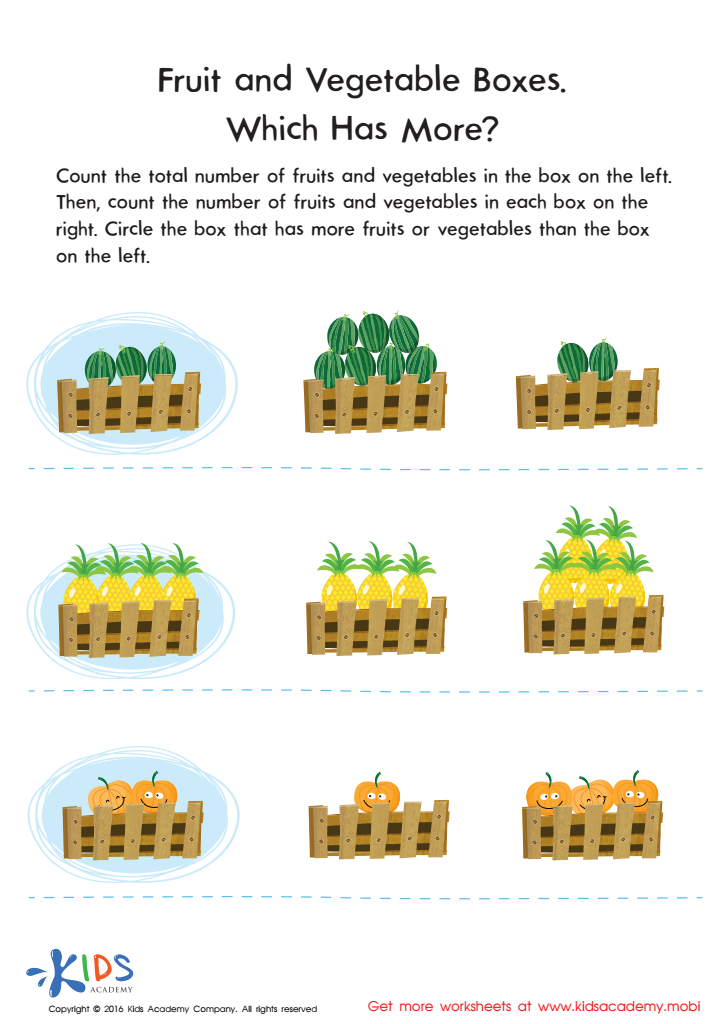
Which Has More? Size Worksheet
This worksheet is perfect for your child to practice critical thinking and logical reasoning. Your child will count and compare the fruits and veggies in the crates to decide which one has more. They will use complex cognitive skills and practice following precise rules. Guide them through the directions and help keep their focus, while enjoying the images.
 Assign to My Students
Which Has More? Size Worksheet
Worksheet

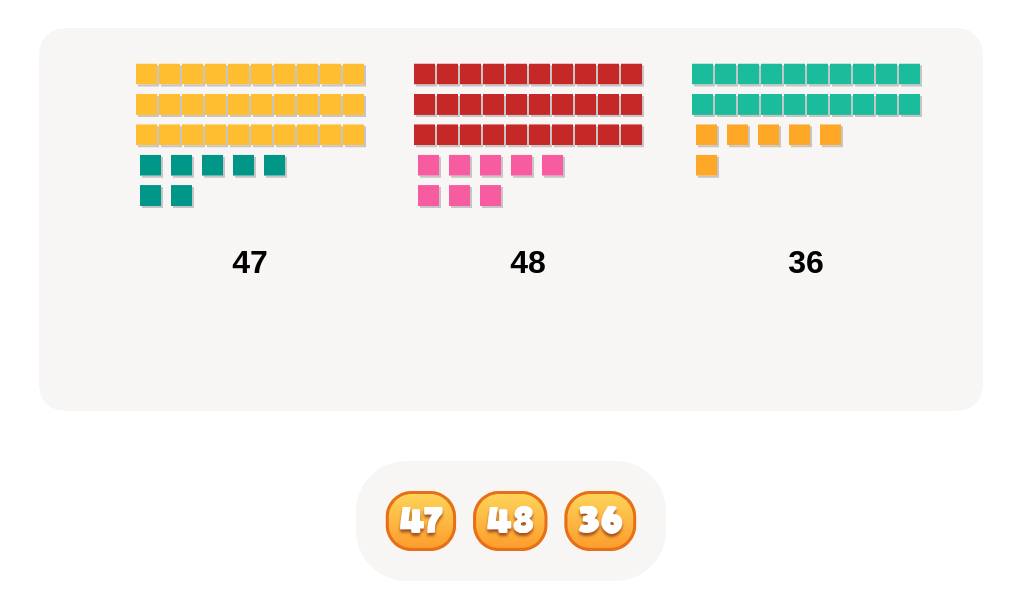
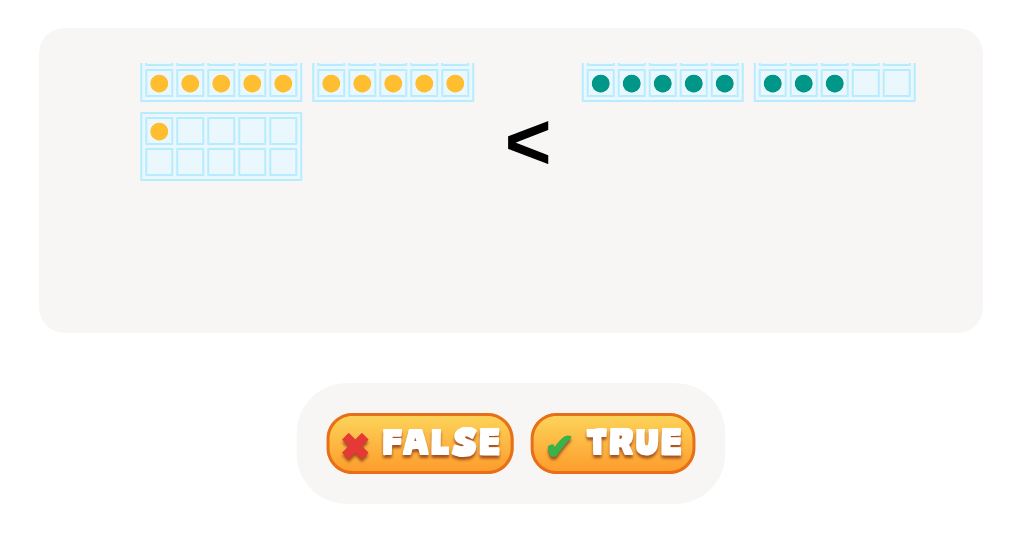
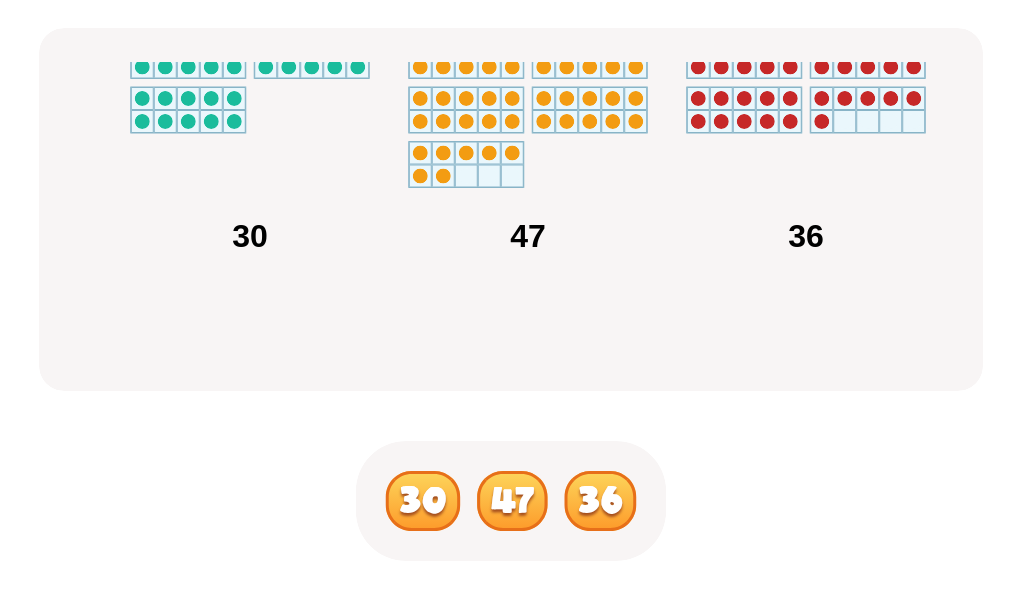
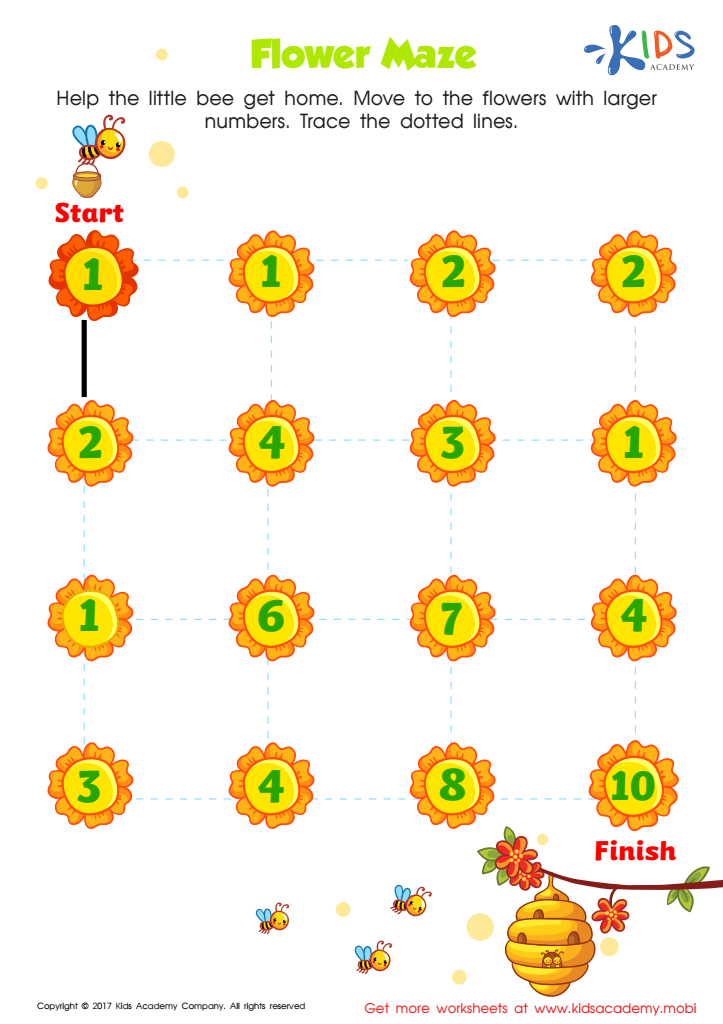
Number Maze For Kindergarten Printable
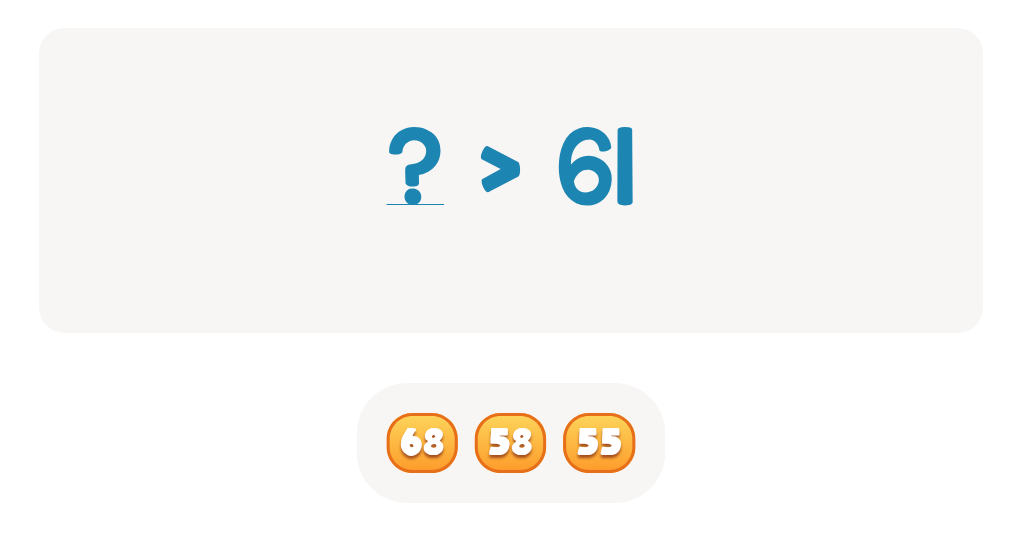
Help the bee get home to his hive by moving through a fun-filled, tricky maze! Compare numbers as you go and select the flower with the larger number. Great for motivating kindergarteners to develop their number sense - a bright number maze!
Number Maze For Kindergarten Printable
Worksheet
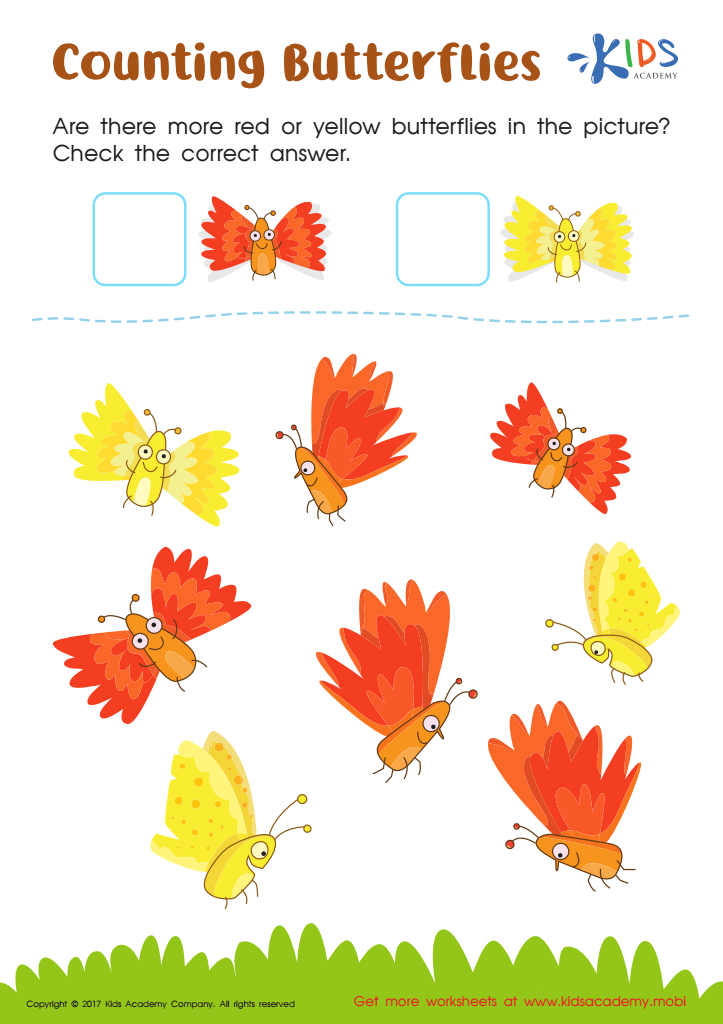
Counting Butterflies Worksheet
Count and compare the butterflies in the picture with your child. How many are red, and how many are yellow? Stimulate thinking and counting skills while having fun. Check the answers when you're done.
Counting Butterflies Worksheet
Worksheet
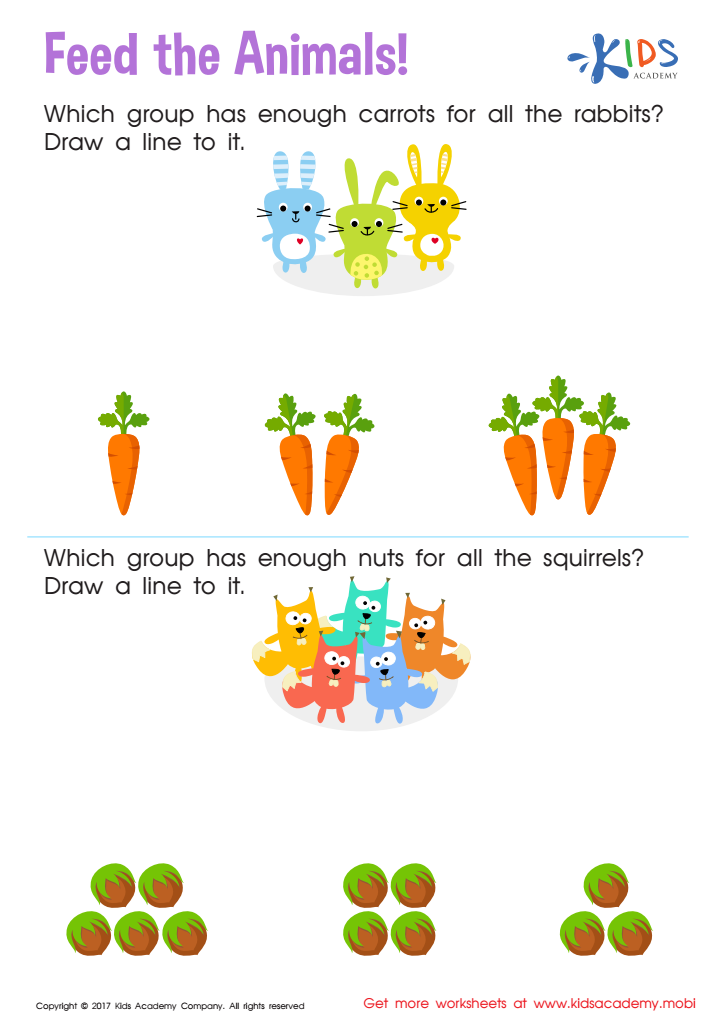
Count and Match: Feed the Animals Worksheet
Learning and growing involves more than just numbers, phonics and comparison. This Feed the Animals worksheet helps kids to exercise their reasoning skills. They must work out how many rabbits and carrots there are, and then repeat the process for the squirrels. This encourages problem solving and counting skills.
Count and Match: Feed the Animals Worksheet
Worksheet
Join Kids Academy for Free
Who is primarily going to use this learning content?








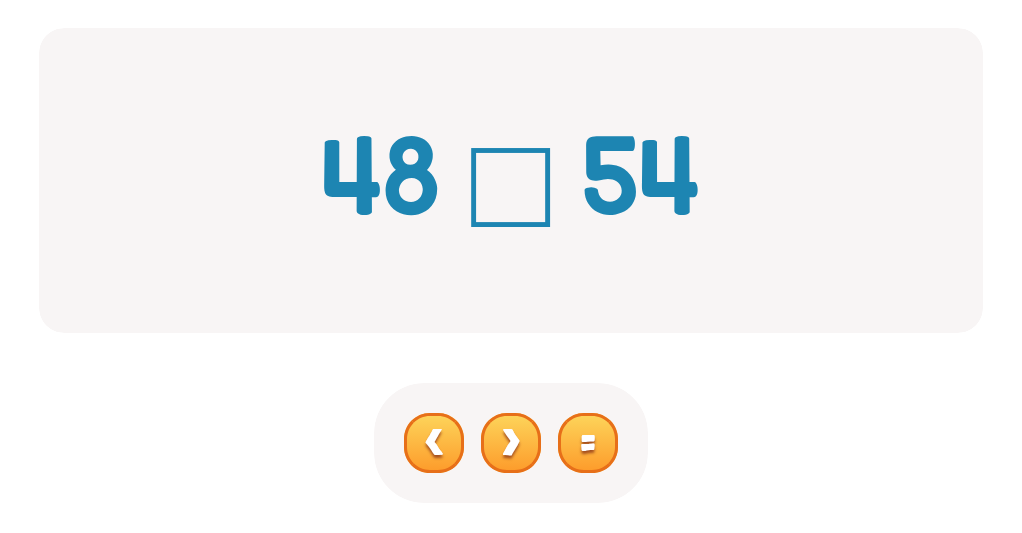
Parents and teachers should care about extra challenge activities like "Comparing Numbers" for children ages 4-7 because they play a crucial role in early mathematical development. These activities encourage mathematical thinking, helping young learners develop essential skills in number recognition, comparison, and critical reasoning. Engaging in these comparisons allows children to explore concepts of greater than, less than, and equal to, reinforcing their understanding in a hands-on and memorable way.
Furthermore, such challenges promote problem-solving skills and foster a growth mindset. By tackling more complex tasks, children learn to persevere through difficulties and celebrate their successes, building confidence in their abilities. These experiences contribute to a solid foundation for future mathematical concepts, preparing students for more advanced topics in primary education.
Additionally, investing time in extra challenges can keep learning exciting and engaging, preventing boredom and disengagement from the curriculum. It promotes a love for learning and exploration that extends beyond academics, nurturing an environment where curiosity thrives. Ultimately, focusing on activities that enhance number comparison supports holistic growth, laying the groundwork for lifelong learners equipped for success in and out of the classroom.