Problem-Solving Skills Extra Challenge Building Vocabulary Worksheets for Ages 4-7
4 filtered results
-
From - To
Enhance your child's vocabulary and critical thinking with our "Problem-Solving Skills Extra Challenge Building Vocabulary Worksheets" designed for ages 4-7. These engaging worksheets blend fun activities with skill-building exercises to foster strong language development and cognitive skills. Perfect for early readers, each sheet encourages children to think logically, make connections, and expand their word knowledge, all while enjoying playful learning. Guided by educational experts, our worksheets offer an excellent supplemental resource, pairing effectively with classroom learning or for extra practice at home. Watch your child flourish as they solve problems and build a rich vocabulary foundation!
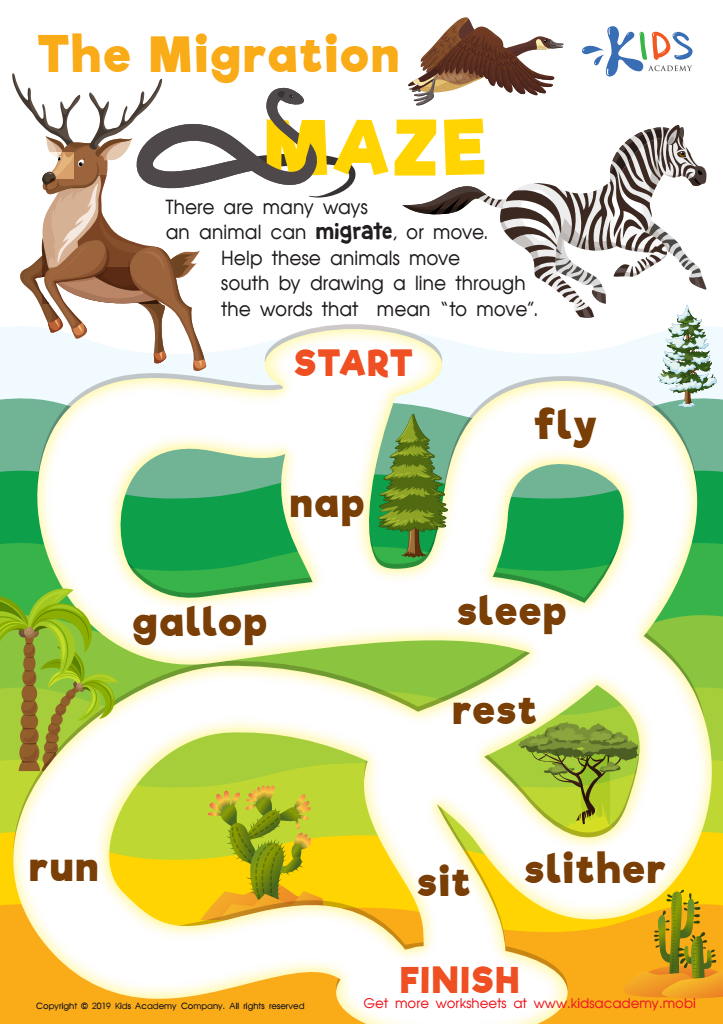
The Migration Maze Worksheet
 Assign to My Students











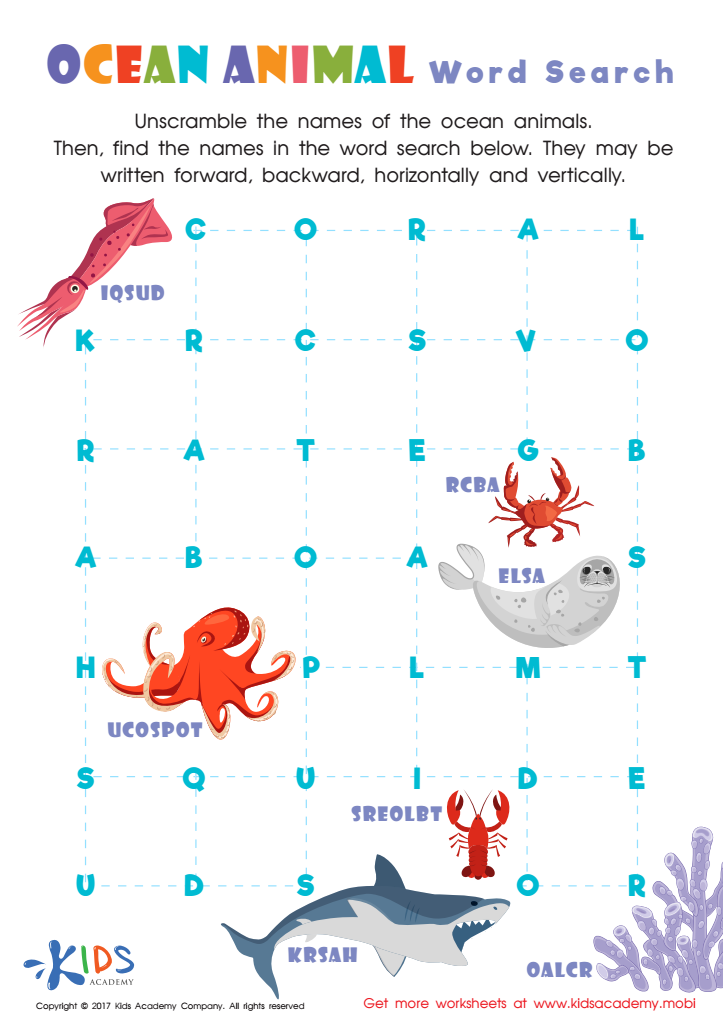
Ocean Animals Word Search Printable
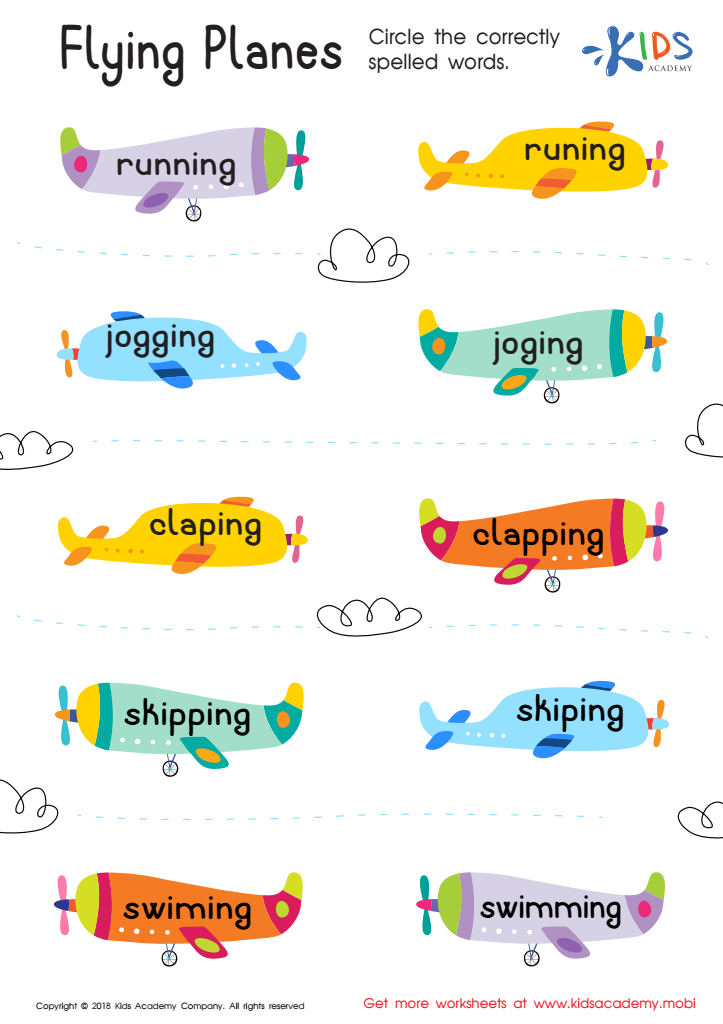
Flying Planes Worksheet
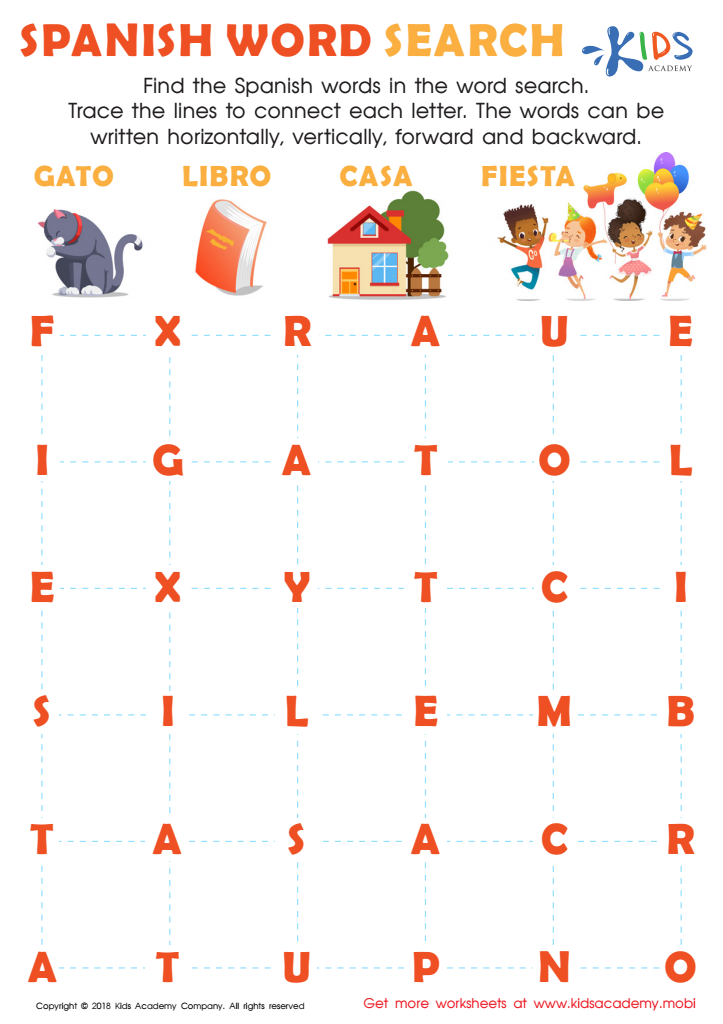
Spanish Word Search Worksheet








Parents and teachers should prioritize Problem-Solving Skills Extra Challenge Building Vocabulary activities for children aged 4-7 because early childhood is a pivotal period for cognitive and linguistic development. These activities enhance critical thinking abilities by encouraging youngsters to approach and resolve challenges proactively, fostering a sense of independence and confidence. When children tackle problem-solving exercises, they learn to think analytically, consider different perspectives, and develop innovative solutions.
Moreover, integrating vocabulary-building components enhances their verbal skills, making it easier for them to articulate their thoughts, questions, and solutions effectively. A rich vocabulary is fundamental to later academic success; it supports reading comprehension, writing abilities, and overall communication skills.
Building vocabulary through problem-only amplifies these benefits because kids associate words with practical scenarios, hence better retention and understanding. These combined skills serve as foundational competencies beyond the classroom, preparing them for various life situations and academic challenges that they will encounter as they grow older.
Incorporating problem-solving and vocabulary-building challenges into daily routines solidifies the learning process through repetition and context, making it an enjoyable yet educational experience. Ultimately, strengthening these skills promotes lifelong learning, ensuring children grow into well-rounded, capable, and communicative individuals.