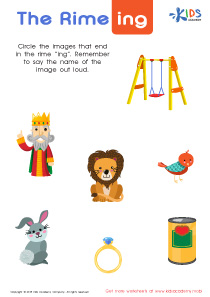
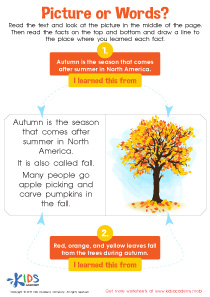
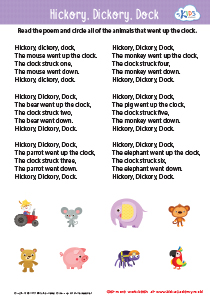
Letter recognition Extra Challenge Reading Worksheets for Ages 4-7
3 filtered results
-
From - To
Unlock your little one’s potential with our Letter Recognition Extra Challenge Reading Worksheets for ages 4-7! Designed to stretch young minds, these engaging and educational worksheets focus on advanced letter recognition skills. Each activity is meticulously crafted to boost reading confidence and fluency through fun and interactive challenges. Perfect for eager learners ready to go beyond the basics, our worksheets make mastering the alphabet an exciting adventure. Tailored to support early literacy, these printables will help your child excel in their reading journey. Start building a strong foundation for future success today!
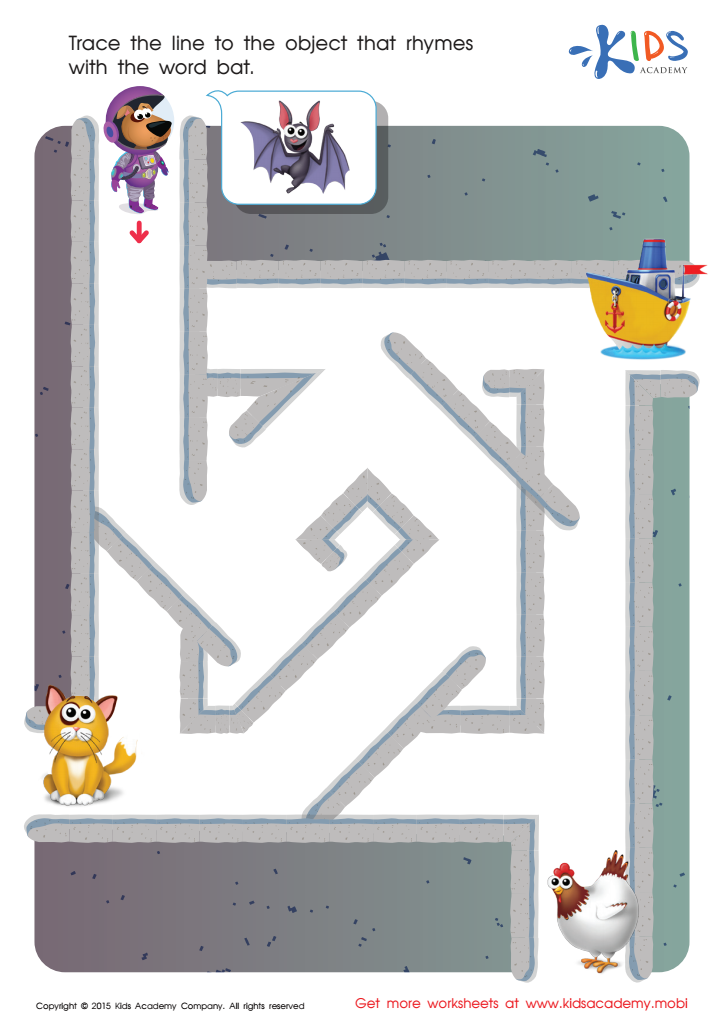
Bat Rhyming Words Worksheet
 Assign to My Students
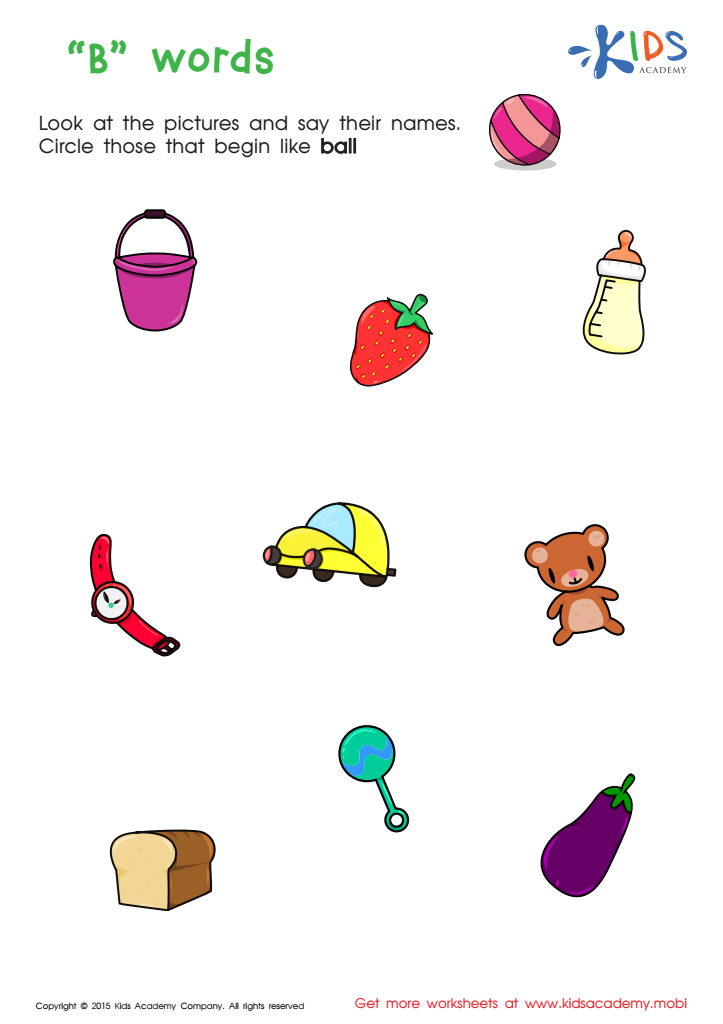
First Words Worksheet
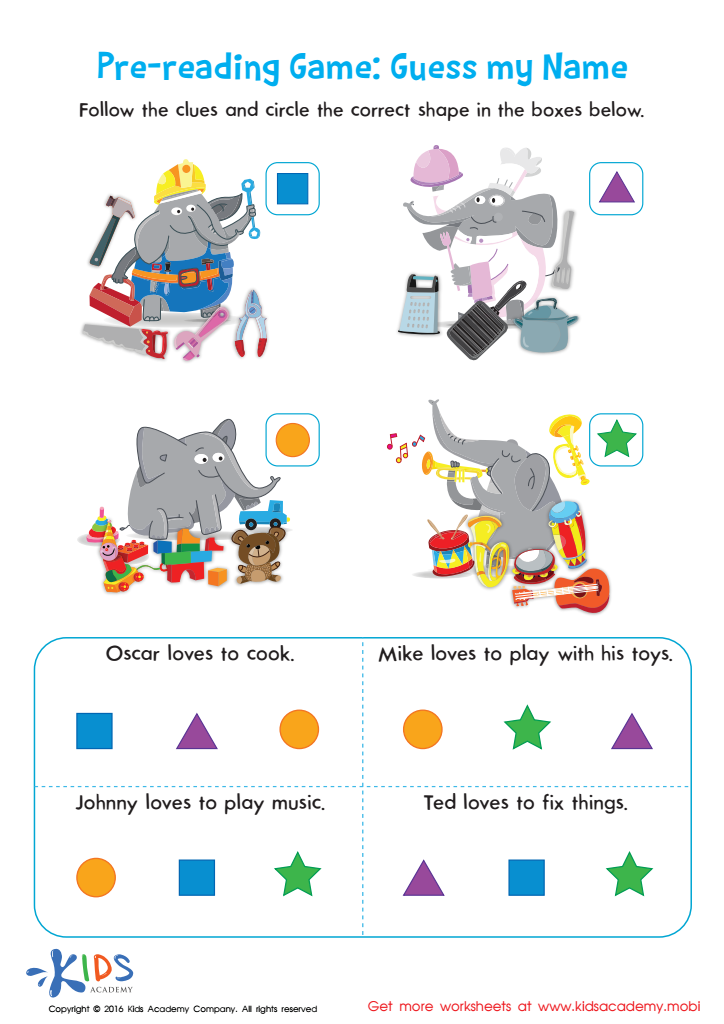
Pre Reading Worksheet Guess My Name







Letter recognition is a crucial foundational skill for young children aged 4-7, forming the building block for their literacy development. Teachers and parents should prioritize it and consider engaging in extra challenge reading to bolster this fundamental ability.
Firstly, early letter recognition is directly correlated with later reading success. Understanding letters and their associated sounds paves the way for children to decode words, an essential skill in becoming proficient readers. Without solid letter recognition, kids may struggle with reading fluency and comprehension, impacting their overall academic progress.
Secondly, extra challenge reading encourages cognitive development through repetitive and engaging practice. It can foster an enriched vocabulary, improve memory, and enhance language skills. By frequently encountering letters in varied and fun contexts, children can solidify their understanding and retention.
Moreover, such activities can nurture a love for reading early on. When children find reading engaging and enjoyable, they are more likely to develop a lifelong habit of reading, which is linked to academic achievement and personal growth.
Lastly, letter recognition is critical for writing. Knowing how to identify and properly use letters enables children to communicate their thoughts and ideas effectively in written form.
Therefore, parents and teachers committed to providing Letter Recognition Extra Challenges can significantly impact a child's early learning journey, setting them up for long-term academic and personal success.