Story sequencing Extra Challenge Reading Worksheets for Ages 4-7
3 filtered results
-
From - To
Enhance your child’s reading skills with our "Story Sequencing Extra Challenge Reading Worksheets" designed for ages 4-7. These engaging worksheets encourage young learners to improve their comprehension by arranging story events in logical order. Ideal for reinforcing narrative structure, these activities help children develop critical thinking skills and boost their understanding of the story sequence. Each worksheet features colorful illustrations and age-appropriate stories that captivate young imaginations. Perfect for classroom use or at-home learning, our extra challenge worksheets provide an enriching educational experience, allowing children to confidently practice sequencing while having fun. Explore our collection today and spark a love for reading!
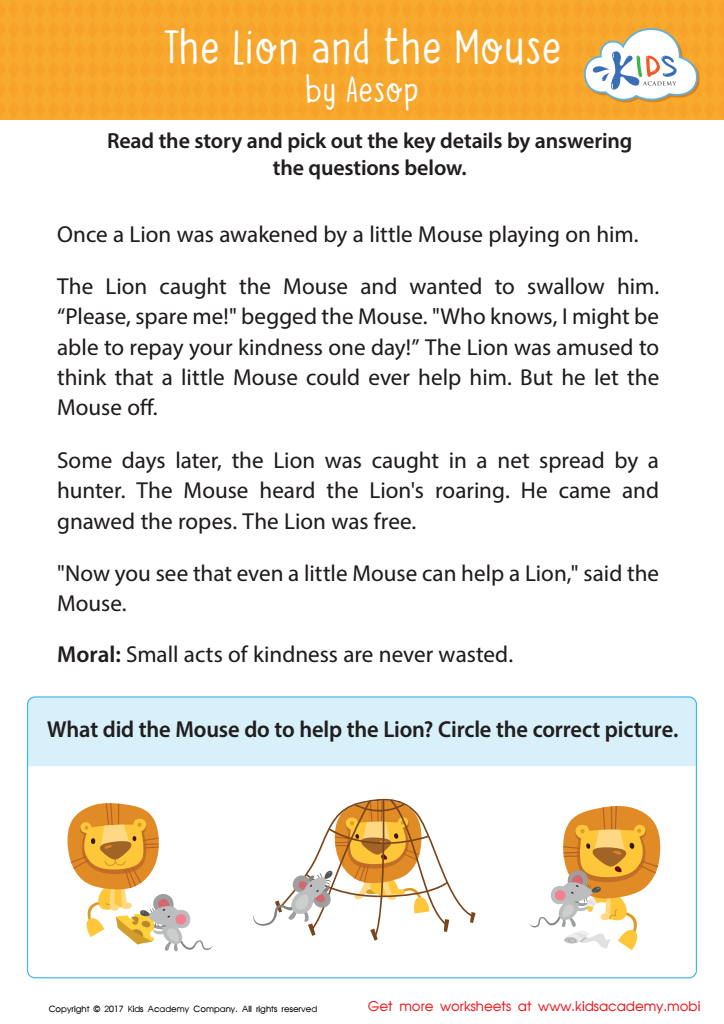
The Lion and The Mouse Sequencing Worksheet
 Assign to My Students
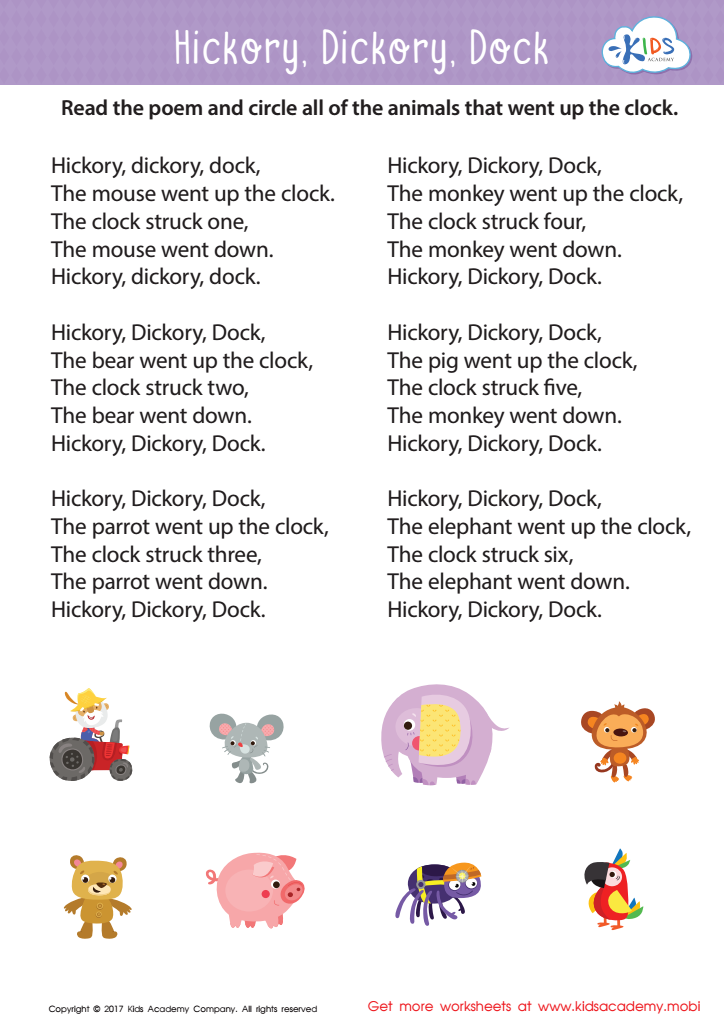
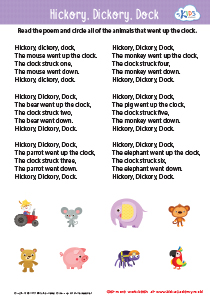
Hickory Dickory Dock Sequencing Worksheet
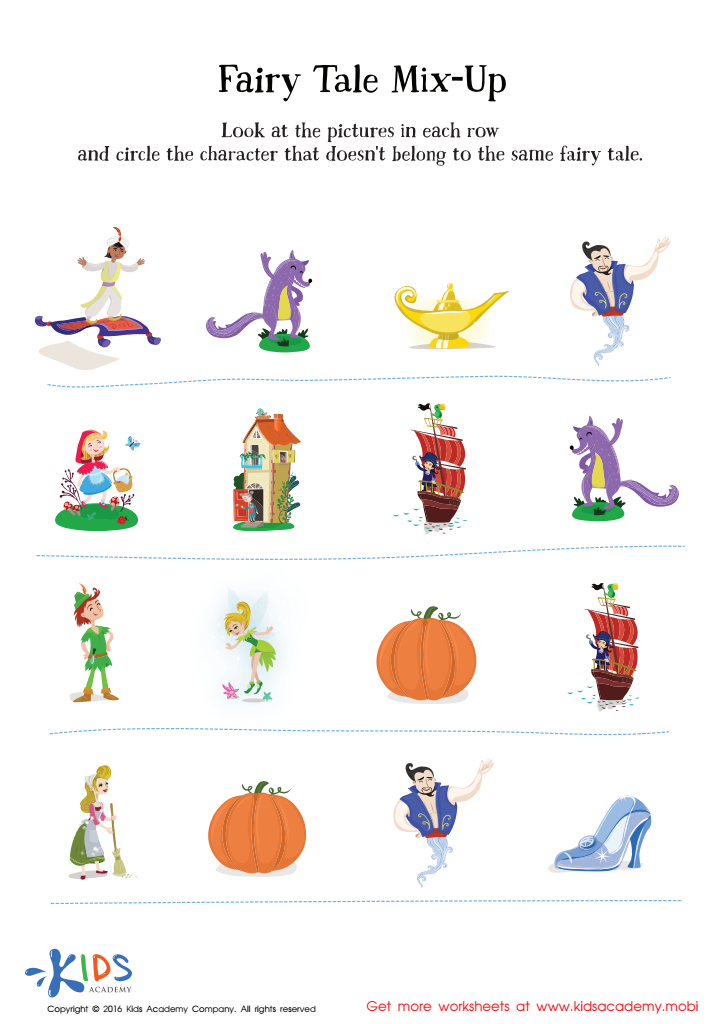
Fairy Tale Worksheet: Story Mix Up





.jpg)


Parents and teachers should care about story sequencing exercises for children aged 4-7 because they play a crucial role in developing vital cognitive and literacy skills. Story sequencing helps young learners understand the structure of narratives, which enhances their comprehension abilities. By identifying the beginning, middle, and end of a story, children learn to recognize key events and their connections, fostering critical thinking.
Moreover, sequencing activities promote language development. As children recount a story's sequence, they practice vocabulary use and sentence structure, both essential for effective communication. Additionally, these exercises cultivate listening skills, as children must pay attention to details in order to organize events accurately.
Engaging children in story sequencing can also spark creativity and imagination, allowing them to express their interpretations of stories while building confidence in their storytelling abilities. This early practice can cultivate a lifelong love for reading and storytelling.
Finally, incorporating story sequencing into learning environments can enhance social skills as children often engage in group activities, sharing ideas, and collaboratively forming narratives. Overall, story sequencing is a foundational cognitive exercise that supports literacy, communication, and social-emotional growth, making it a key area of focus for parents and teachers alike.