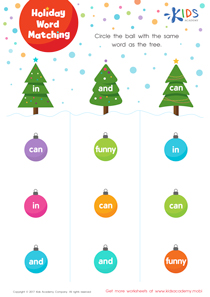
Word Recognition Extra Challenge Word Scramble Worksheets for Ages 4-7
3 filtered results
-
From - To
Our "Word Recognition Extra Challenge Word Scramble Worksheets for Ages 4-7" offer a fun and engaging way for young learners to enhance their reading skills. These worksheets are designed to boost word recognition by presenting scrambled letters for kids to unscramble and form correct words. Perfectly suited for ages 4-7, this extra challenge stimulates critical thinking and reinforces vocabulary. Whether in the classroom or at home, the word scrambles provide an exciting educational activity that turns learning into play. Equip your child with the skills needed to recognize and understand words confidently through these interactive and enjoyable worksheets.
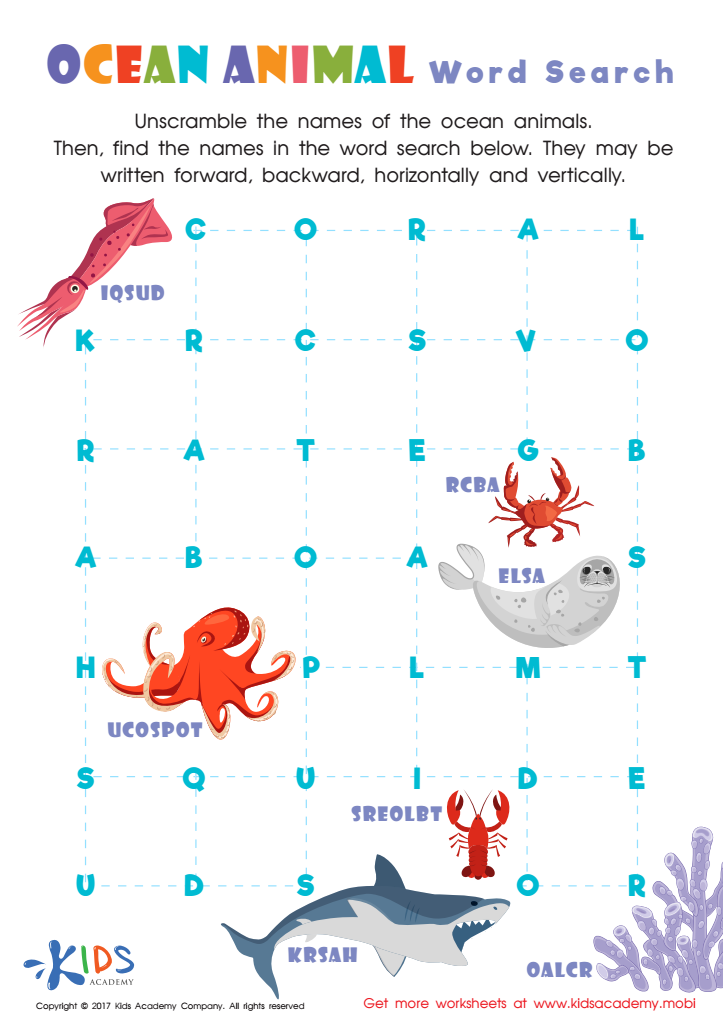
Ocean Animals Word Search Printable
 Assign to My Students
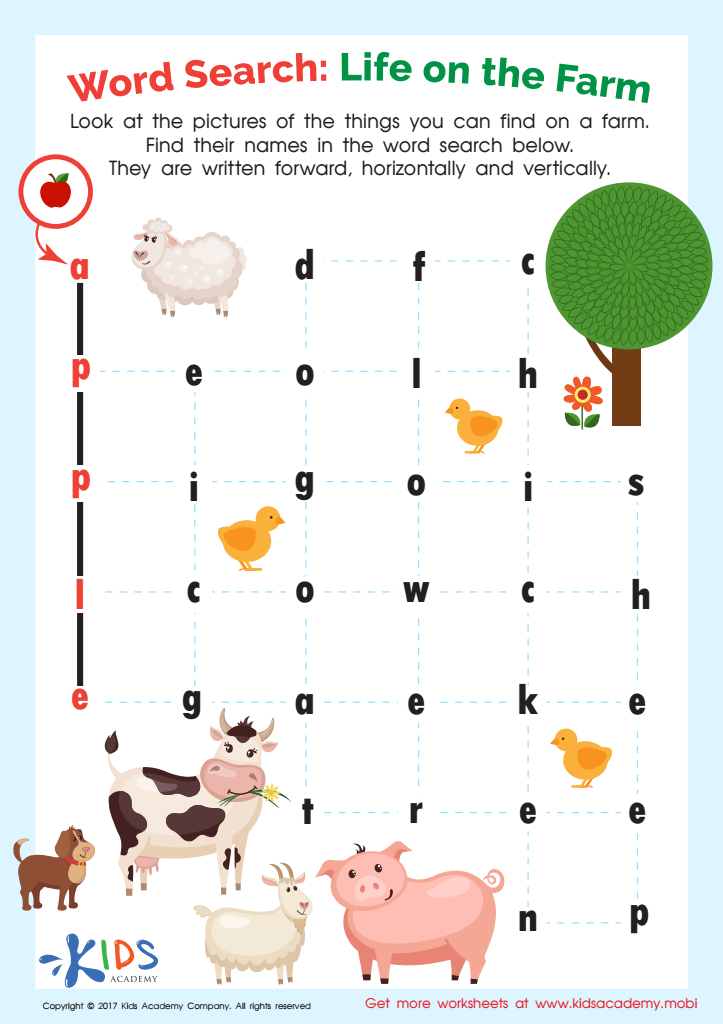
Word Search Puzzles Worksheet
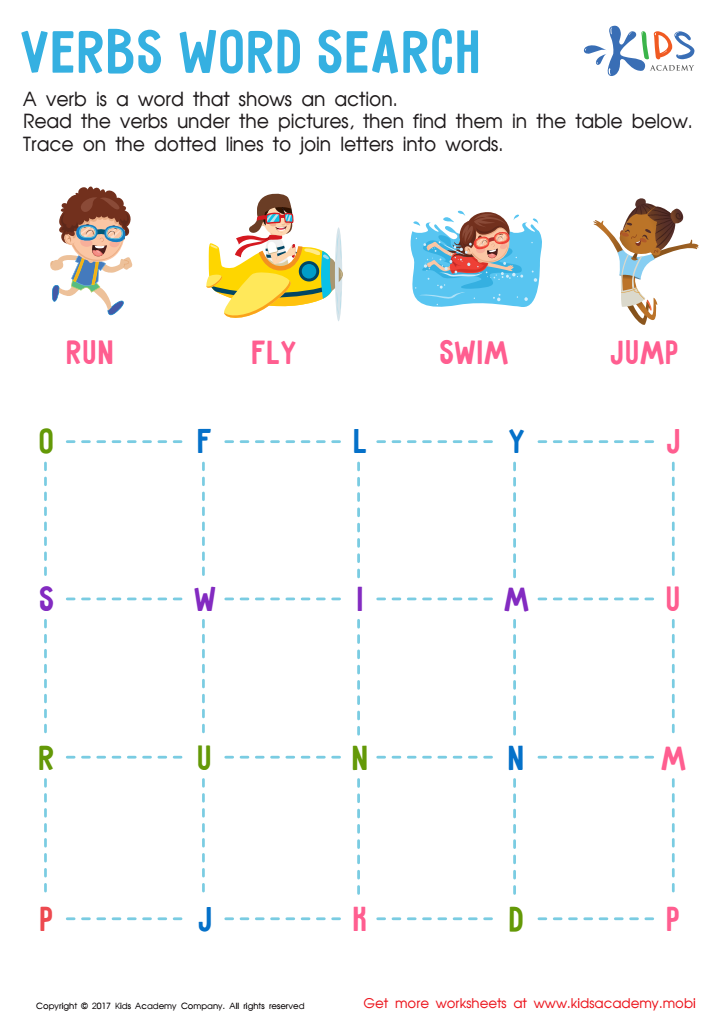
Verbs Word Search Worksheet




Word Recognition Extra Challenge Word Scramble activities are vital for children aged 4-7 because they offer a fun and interactive way to enhance early literacy skills. At this formative stage, young learners are developing their ability to discern letter-sound relationships, which is crucial for reading and spelling proficiency. Engaging with word scrambles encourages children to focus on letter positions and word structures, thereby reinforcing their capacity for phonemic awareness and vocabulary expansion. This heightened awareness of word patterns aids in more fluid reading and lays a robust foundation for future language learning.
Teachers and parents should invest in such activities as they provide pivotal practice in decoding, an essential skill for reading. Additionally, word scrambles can be enjoyable, thereby sparking a child's interest and making the learning process feel less like a chore. This combination of cognitive development and enjoyment cultivates a positive attitude towards reading from an early age. Furthermore, as children unscramble letters to form words, they practice problem-solving and critical thinking skills within a linguistic context. Therefore, incorporating Word Recognition Extra Challenge Word Scramble games into the learning routine not only boosts literacy but also promotes overall intellectual growth, ensuring that children are well-prepared for more complex language tasks ahead.