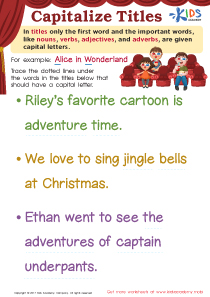
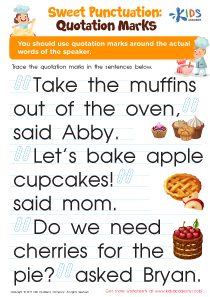
Spelling practice Extra Challenge Grammar Worksheets for Ages 4-7
5 filtered results
-
From - To
Boost your child’s literacy skills with our "Spelling Practice Extra Challenge Grammar Worksheets" designed specifically for ages 4-7. These engaging worksheets provide fun and interactive activities that make learning spelling enjoyable. Children can explore various phonics rules, enhance vocabulary, and develop essential writing skills through a range of challenging exercises. With clear instructions and vibrant illustrations, your young learners will enjoy practicing their spelling in an enjoyable way. Perfect for both classroom use and homeschooling, these worksheets are an effective tool to help young children master the fundamentals of spelling and grammar while building confidence in their writing abilities!
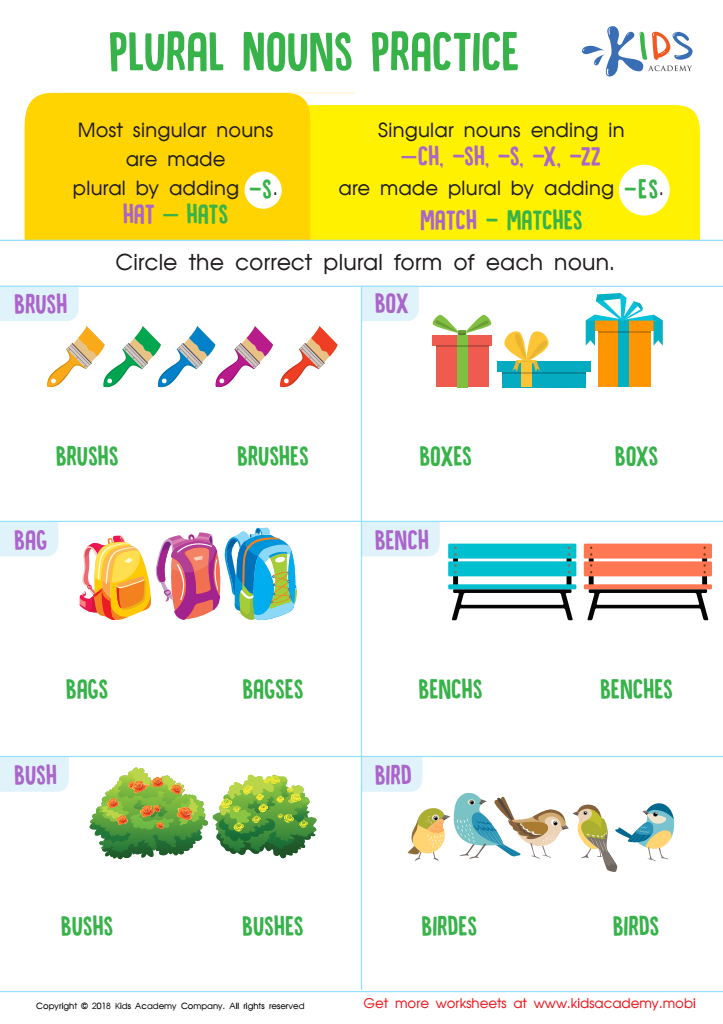
Plural Nouns Practice Worksheet
 Assign to My Students
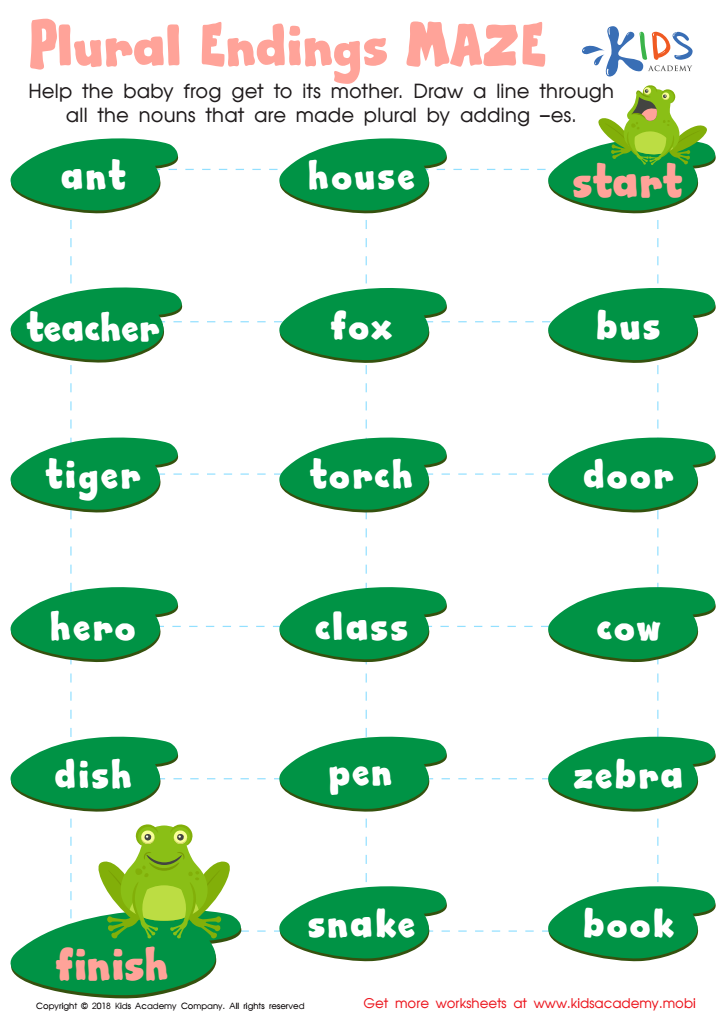
Plural Endings Maze Worksheet
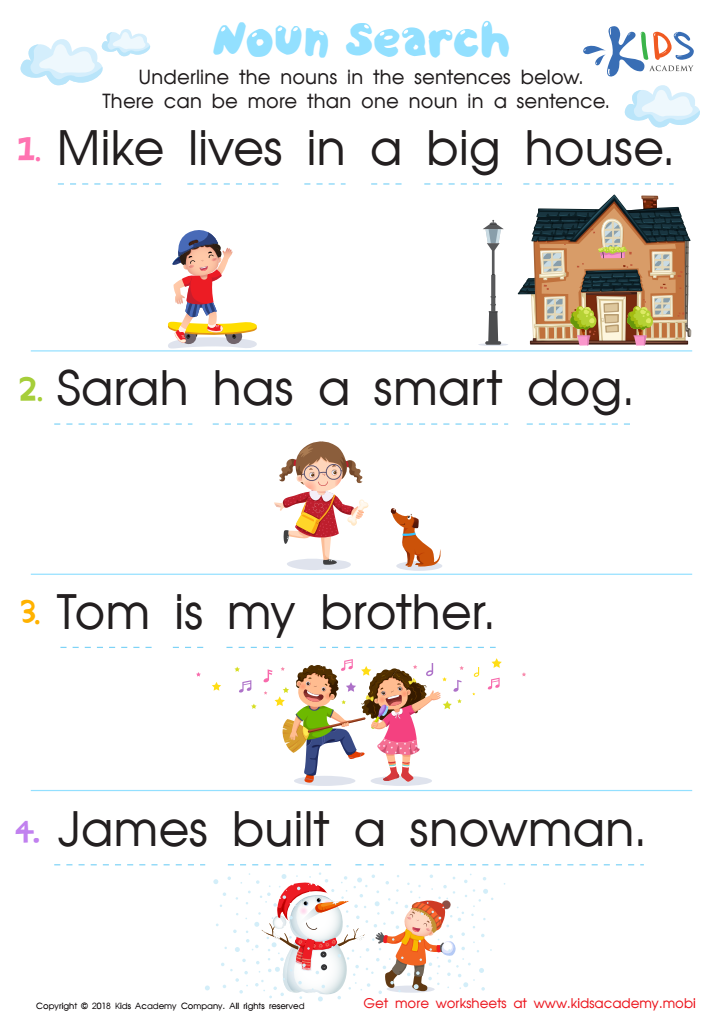
Noun Search Worksheet
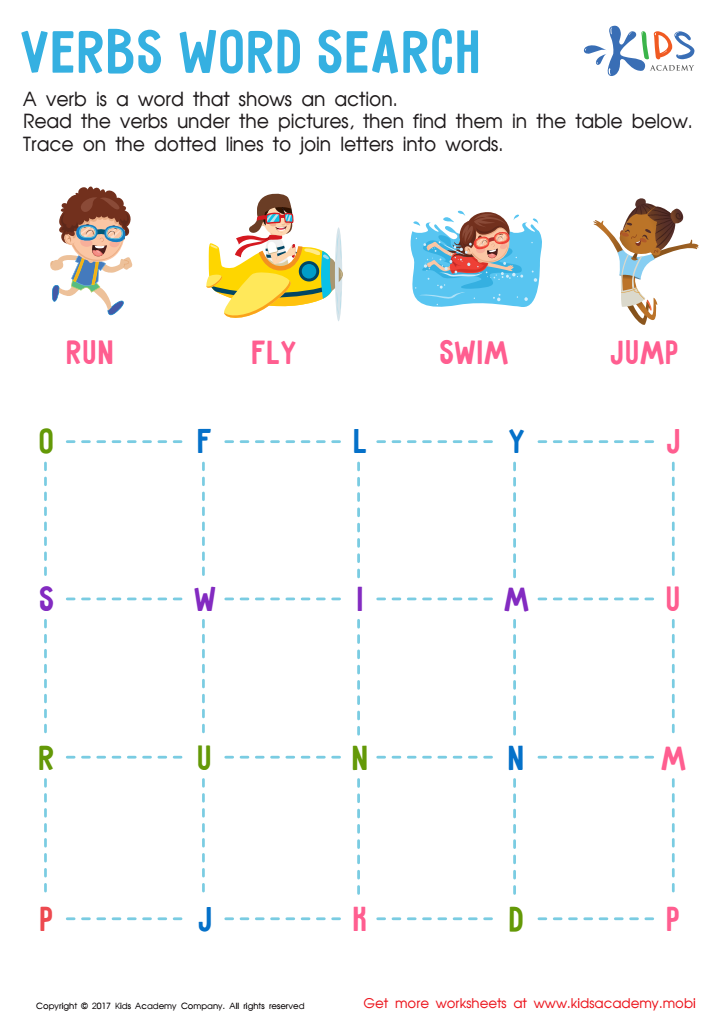
Verbs Word Search Worksheet
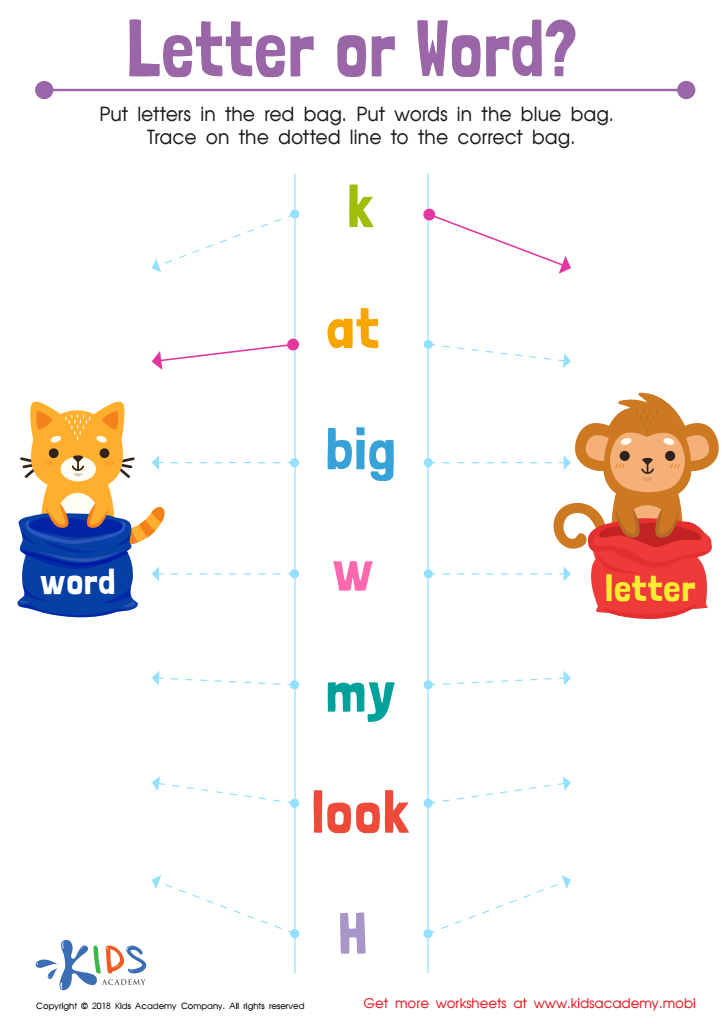
Letter or Word? Worksheet





.jpg)

Spelling practice and grammar skills are foundational components of literacy development, particularly for children aged 4-7. During these formative years, children are at a critical stage for language acquisition, and strong spelling and grammar skills lay the groundwork for effective communication, both written and verbal.
Parents and teachers should prioritize spelling practice because it enhances phonemic awareness, helping children to understand how sounds correlate with letters and how words are constructed. This knowledge supports reading fluency, promotes vocabulary expansion, and boosts overall confidence in language use.
Grammar, on the other hand, teaches children how to construct sentences properly, thus enhancing their ability to express ideas clearly and coherently. Understanding the basic elements of grammar also prepares young learners for more complex language structures in the future, making it easier to grasp new material as they progress in their education.
By engaging in extra challenge grammar activities, parents and teachers can provide enriching experiences that stimulate critical thinking and creativity. Incorporating fun and interactive exercises makes the learning process enjoyable, fostering a lifelong love for language and literacy. In sum, investing in spelling practice and grammar skills during these early years is crucial for academic success and effective communication in later life.