Cognitive Development Extra Challenge Worksheets for 4-Year-Olds - Page 2
31 filtered results
-
From - To
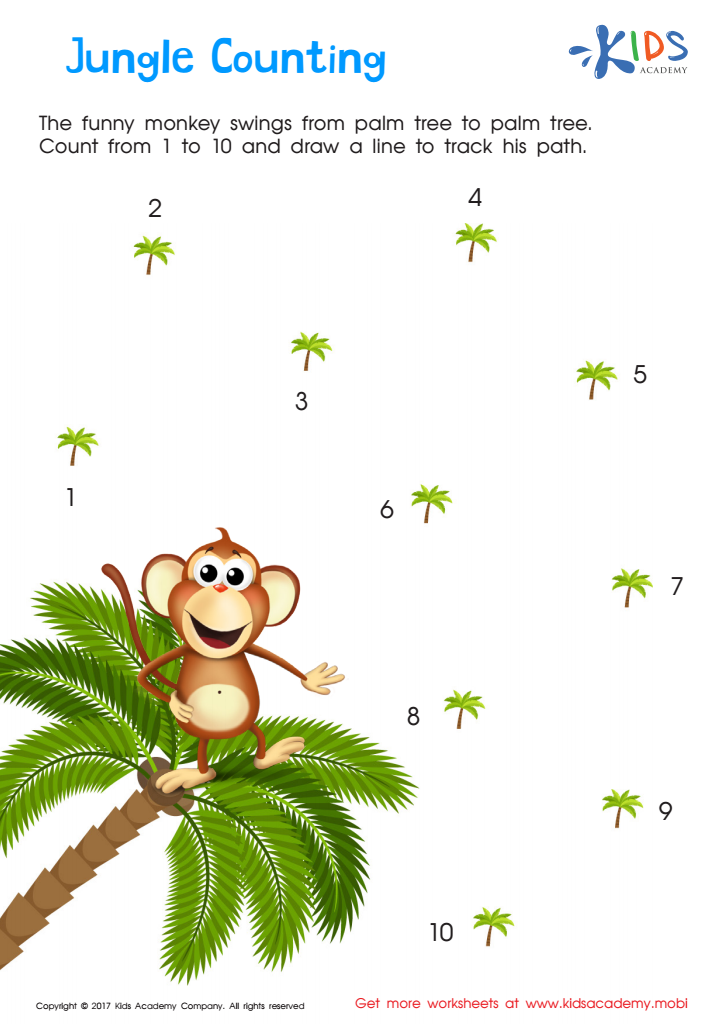
Jungle Counting Connect Dots Worksheet
 Assign to My Students
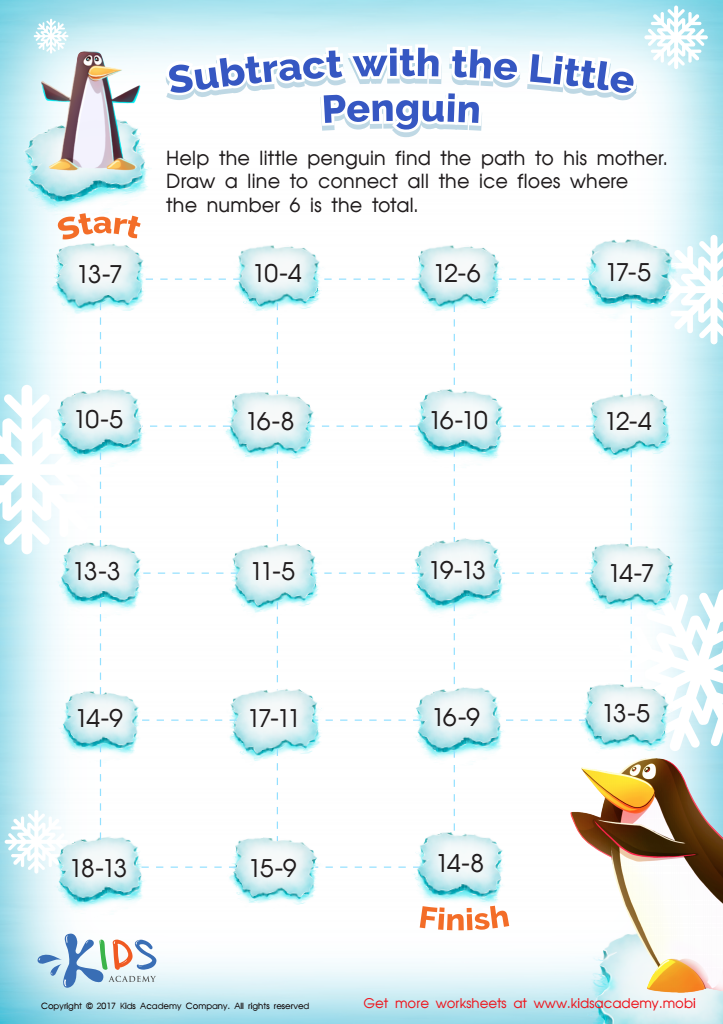
Subtract With The Little Penguin Substraction Worksheet
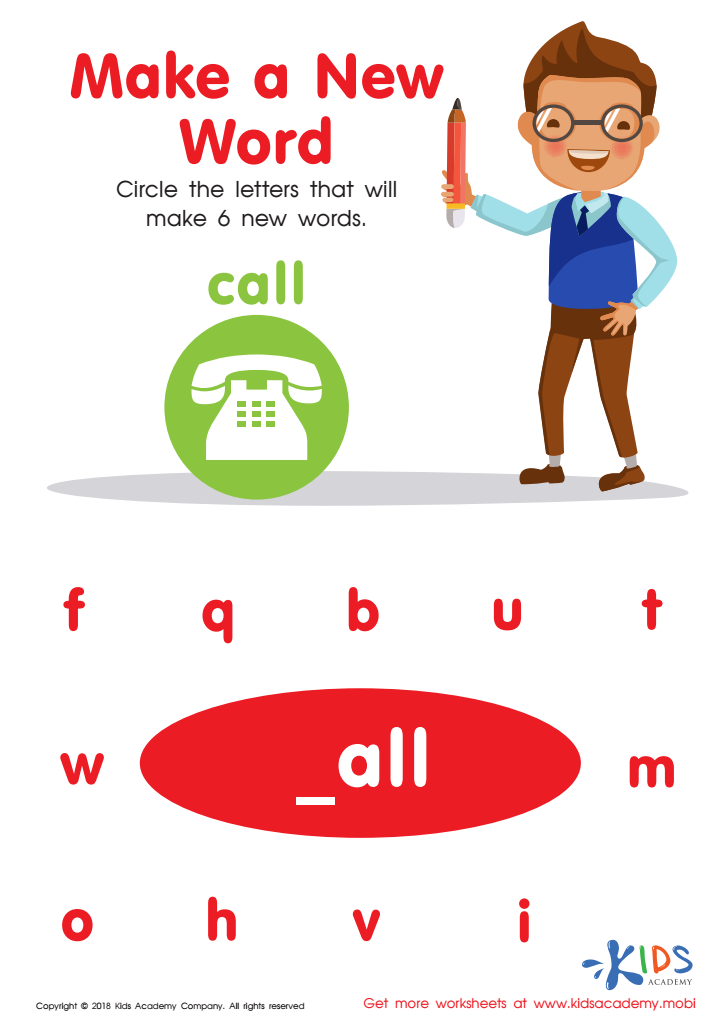
Make a New Word Worksheet
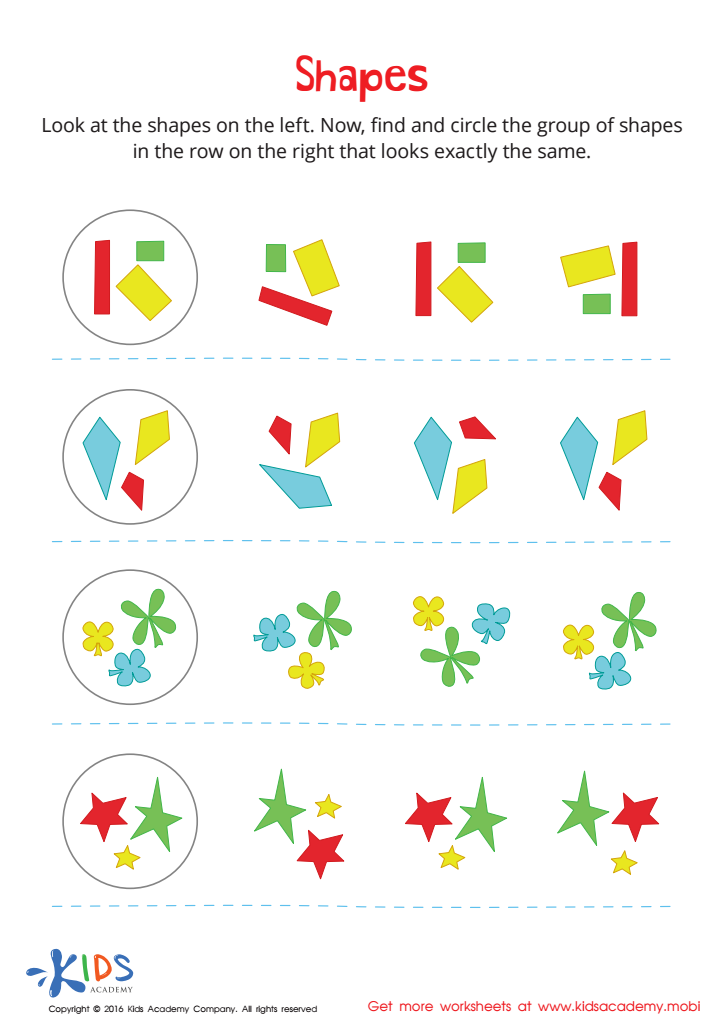
Shapes Worksheet
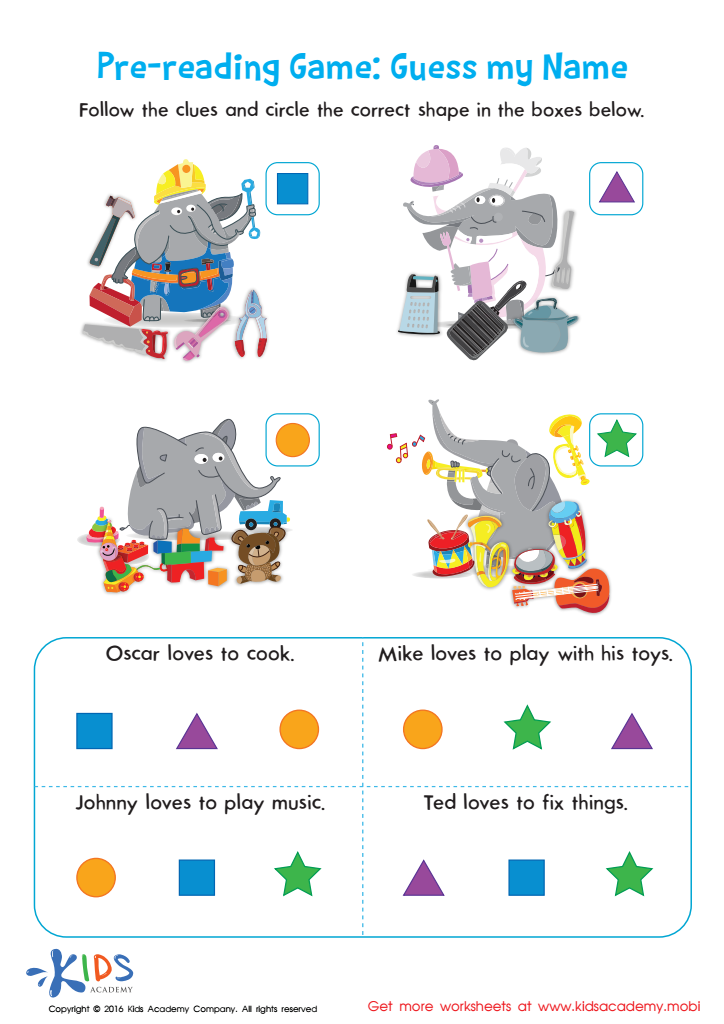
Pre Reading Worksheet Guess My Name
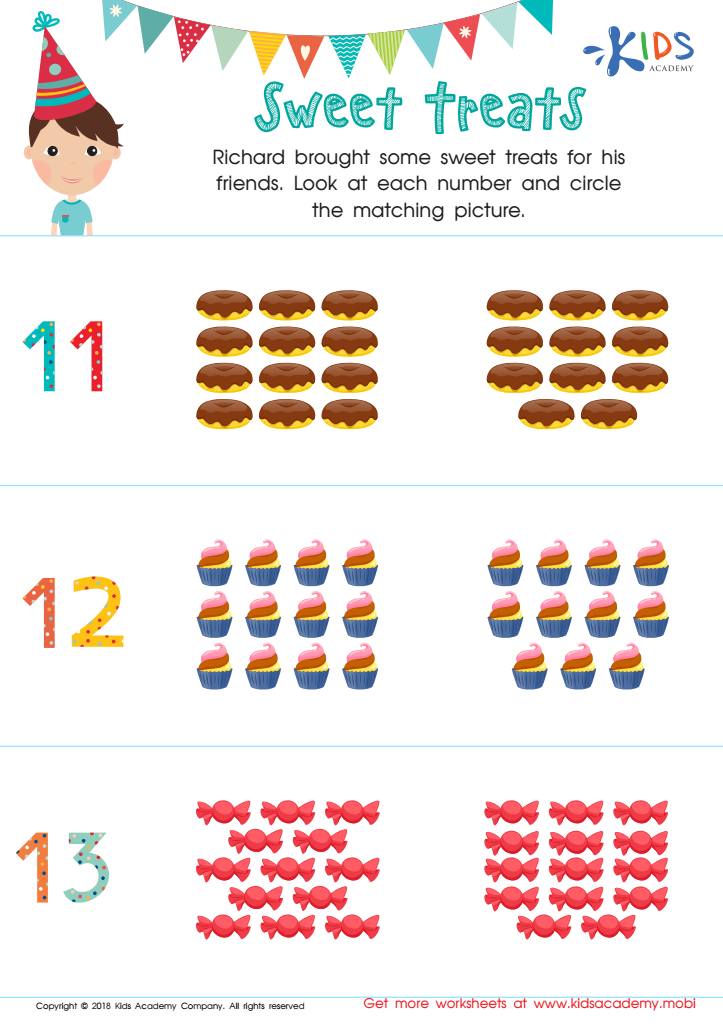
Kindergarten Math Worksheet Matching Numbers
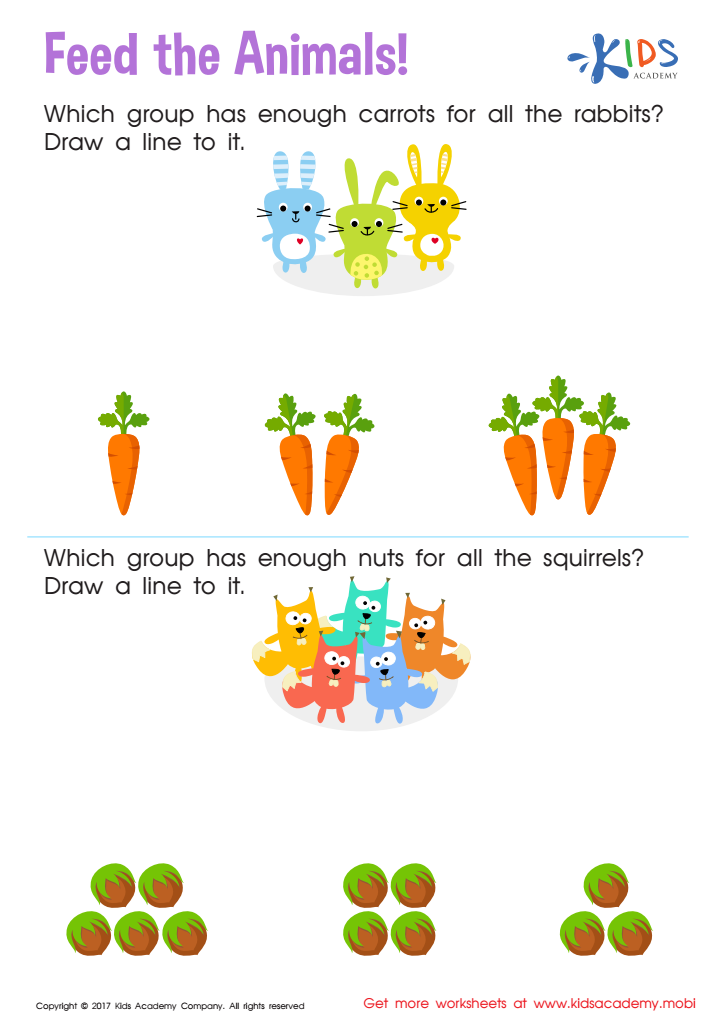
Count and Match: Feed the Animals Worksheet







Cognitive development is crucial during early childhood, as it lays the foundation for a child’s future learning and overall well-being. For 4-year-olds, engaging in cognitive extra challenges can significantly enhance critical thinking, problem-solving, and creativity. Parents and teachers should prioritize these activities because they stimulate a child’s curiosity and intellect, encouraging a love for learning from a young age.
Cognitive challenges, such as puzzles, memory games, and simple science experiments, help develop essential skills like reasoning and planning. These activities also promote concentration and patience, important traits for school readiness. Moreover, engaging children in discussions about new ideas fosters language development and communication skills, further boosting their confidence and ability to express themselves.
Introducing cognitive challenges at this formative stage supports emotional development, too. When children take on and succeed at tasks, they build self-esteem and motivation. Moreover, collaborative activities can teach social skills and teamwork, vital for navigating peer relationships in school.
Ultimately, incorporating extra cognitive challenges into a child's daily routine not only enhances their academic skills but also nurtures well-rounded individuals prepared for ongoing educational success. Thus, the engagement of parents and teachers is essential in promoting these enriching experiences.








