Number Matching Extra Challenge Numbers Worksheets for 4-Year-Olds
3 filtered results
-
From - To
Discover our "Number Matching Extra Challenge Numbers Worksheets" designed specifically for 4-year-olds! These engaging and educational worksheets provide little learners with a fun way to enhance their number recognition and matching skills. Featuring vibrant illustrations and interactive activities, children will joyfully practice counting and identifying numbers from 1 to 20. Perfect for reinforcing early math concepts, our worksheets encourage cognitive development while keeping the learning experience enjoyable. Ideal for use at home or in the classroom, these resources foster a love for numbers and prepare young minds for future math adventures. Download the worksheets today and watch your child thrive!
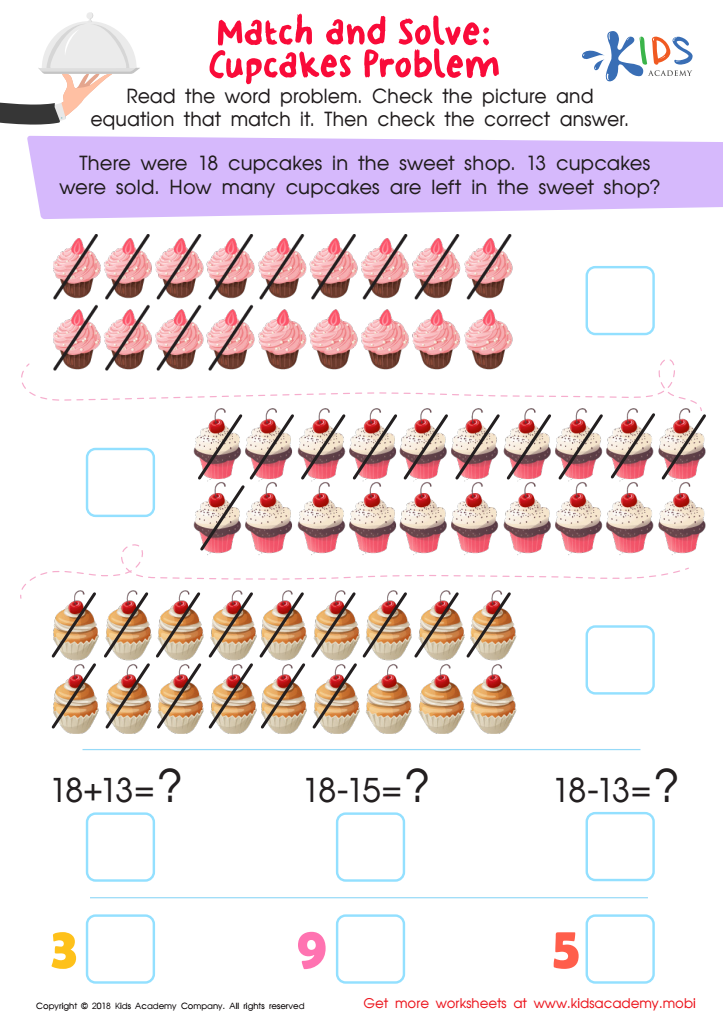
Match and Solve: Cupcakes Problem Worksheet
 Assign to My Students
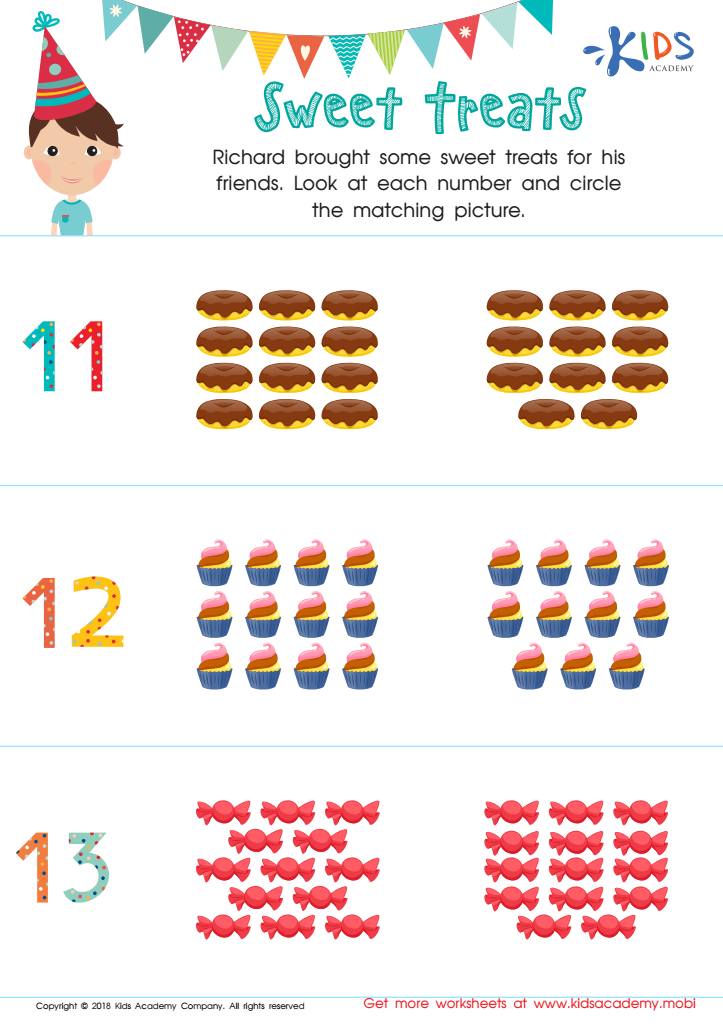
Kindergarten Math Worksheet Matching Numbers
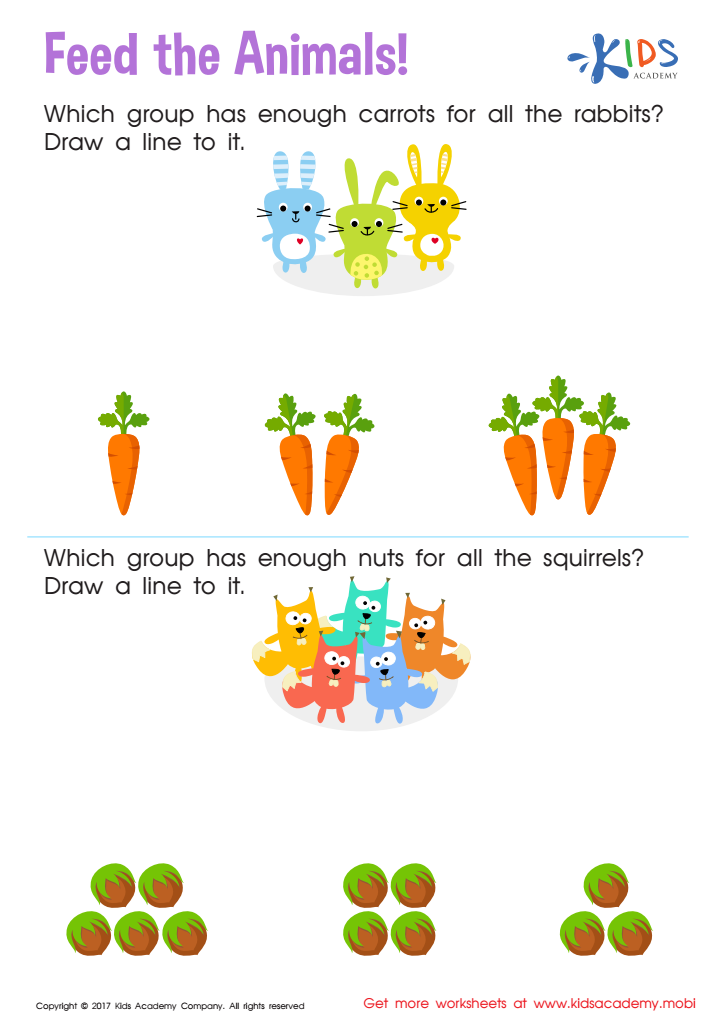
Count and Match: Feed the Animals Worksheet






%20(1).jpg)

Parents and teachers should prioritize Number Matching Extra Challenge Numbers for 4-year-olds because early numeracy lays the foundation for a child’s mathematical understanding and academic success. Engaging young learners with number matching activities stimulates cognitive development, encourages logical thinking, and enhances problem-solving skills. It nurtures a child's ability to recognize and differentiate numbers, fostering essential skills like counting, understanding quantity, and number relationships.
Moreover, incorporating challenges, like matching extra numbers, enhances a child's engagement and motivation. It provides an opportunity for them to explore beyond basic number recognition, stimulating curiosity and the desire to learn. These activities can also improve fine motor skills through hands-on interaction with counting materials or cards.
Additionally, participating in number matching activities creates a collaborative environment where parents and caregivers can support learning. This interaction deepens their understanding of numbers and helps build confidence and resilience in tackling challenges. Overall, focusing on activities like Number Matching Extra Challenge Numbers prepares children for future educational milestones, ensures they start developing mathematical fluency, and builds a positive association with learning that lasts a lifetime. Hence, making it an essential component in early childhood education.