Number Recognition Extra Challenge Numbers Worksheets for 4-Year-Olds - Page 2
27 filtered results
-
From - To
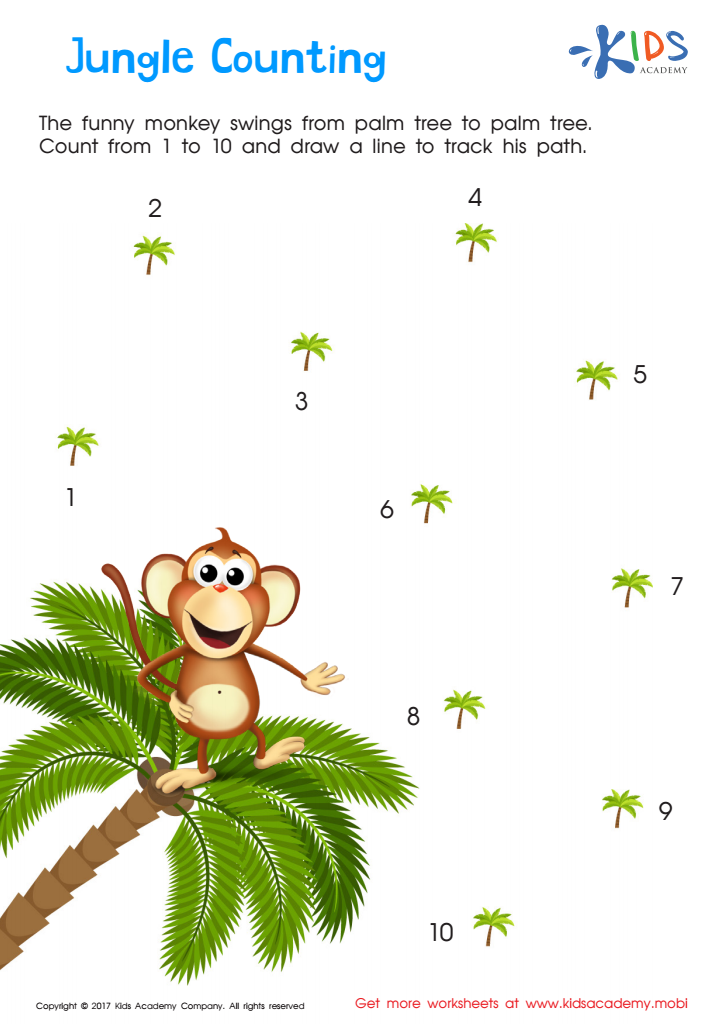
Jungle Counting Connect Dots Worksheet
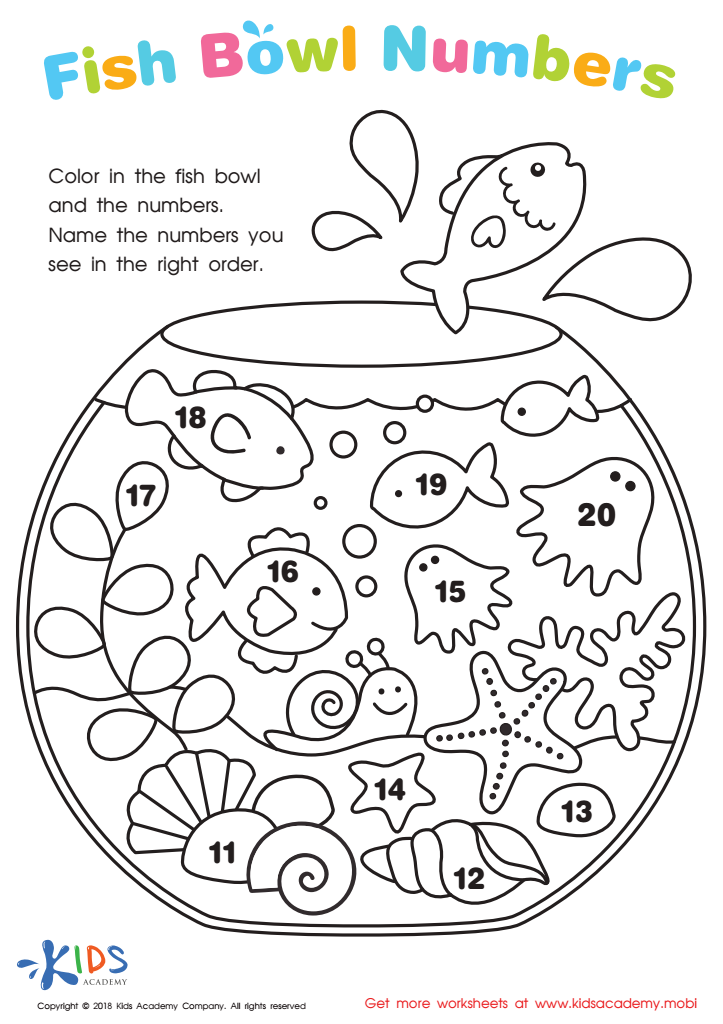
Fish Bowl Numbers Worksheet
 Assign to My Students
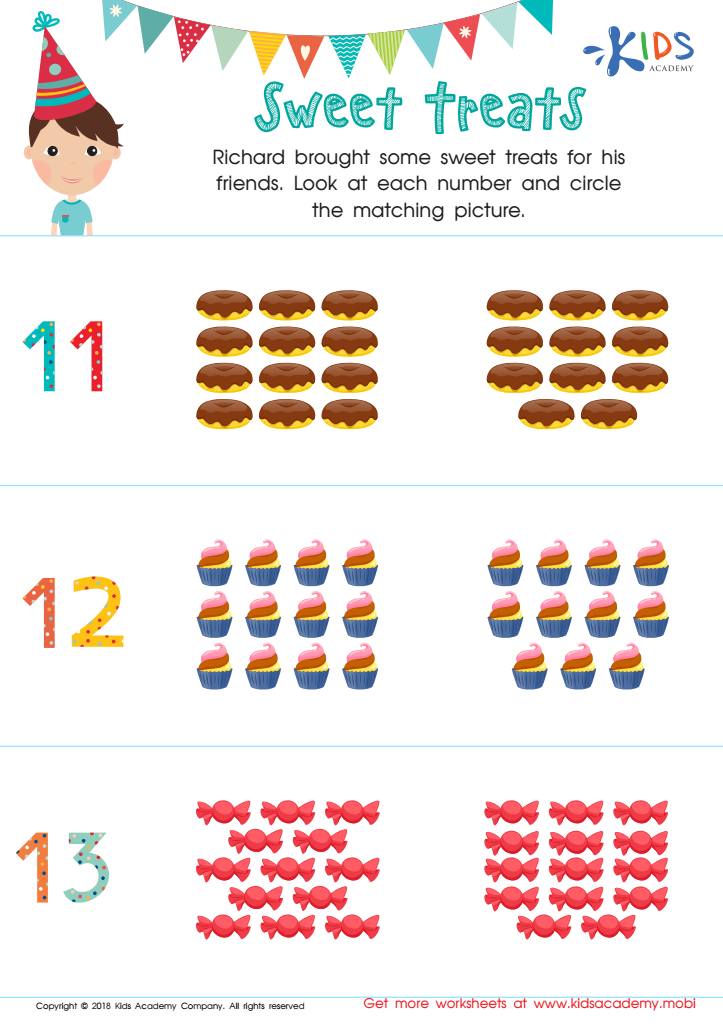
Kindergarten Math Worksheet Matching Numbers


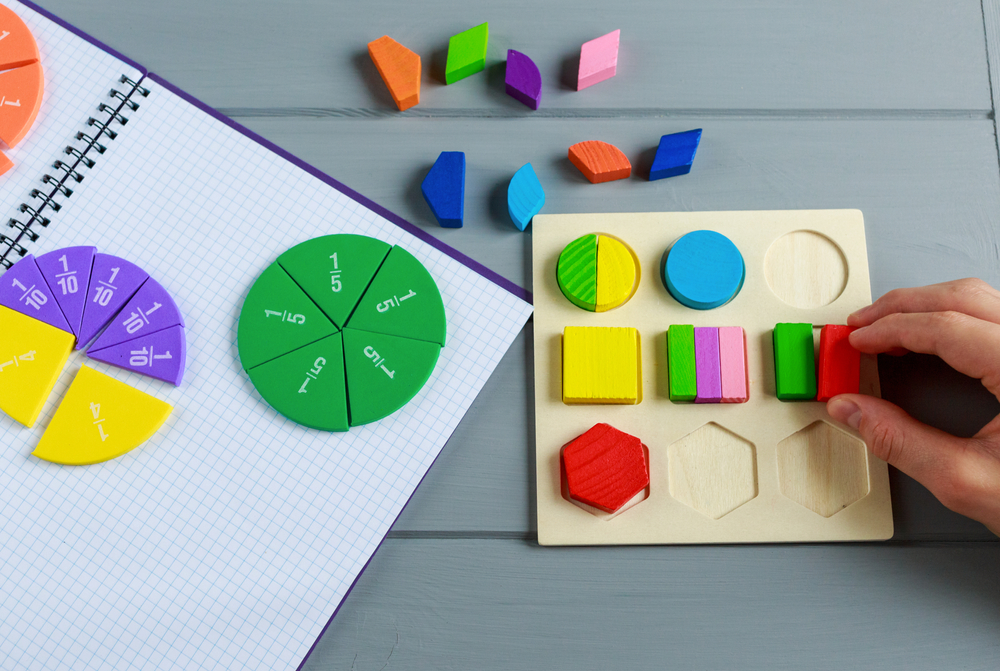




Number recognition is a foundational skill that plays a crucial role in a child's overall cognitive development, and it is especially important for 4-year-olds. Parents and teachers should prioritize extra challenge numbers in number recognition for several reasons.
Firstly, early number recognition enhances a child's ability to understand basic mathematics, which becomes increasingly complex in later grades. Introducing challenging numbers can help stretch a child's cognitive skills, encouraging problem-solving, critical thinking, and logical reasoning.
Secondly, mastering number recognition aids in building a confident mathematical identity. When children feel capable of recognizing and using numbers, they are more likely to engage positively with math-related activities, reducing anxiety and fostering a lifelong enthusiasm for learning.
Moreover, recognizing challenged numbers can promote essential skills beyond math, including fine motor skills, as writing or using manipulatives to identify numbers fosters coordination. It also encourages social interaction when children work collaboratively in activities that involve counting or playing math games.
In conclusion, investing time in challenging number recognition activities supports holistic development, paving the way for future academic success. It equips children not only with essential numerical skills but also with self-esteem and a positive attitude toward learning.