Alphabet Recognition Extra Challenge ABC Letters Worksheets for Ages 5-6
3 filtered results
-
From - To
Boost your child’s alphabet skills with our "Alphabet Recognition Extra Challenge ABC Letters Worksheets" designed specifically for ages 5-6! These engaging worksheets offer a fun and interactive way for young learners to recognize and identify letters, laying the strong foundations for their literacy journey. Packed with exciting activities, your little one will practice tracing, matching, and coloring, enhancing their fine motor skills and reinforcing letter comprehension. Ideal for teachers and parents seeking to provide additional learning support, these worksheets make mastering the alphabet a captivating adventure. Explore our comprehensive collection today and watch your child’s confidence in reading soar!
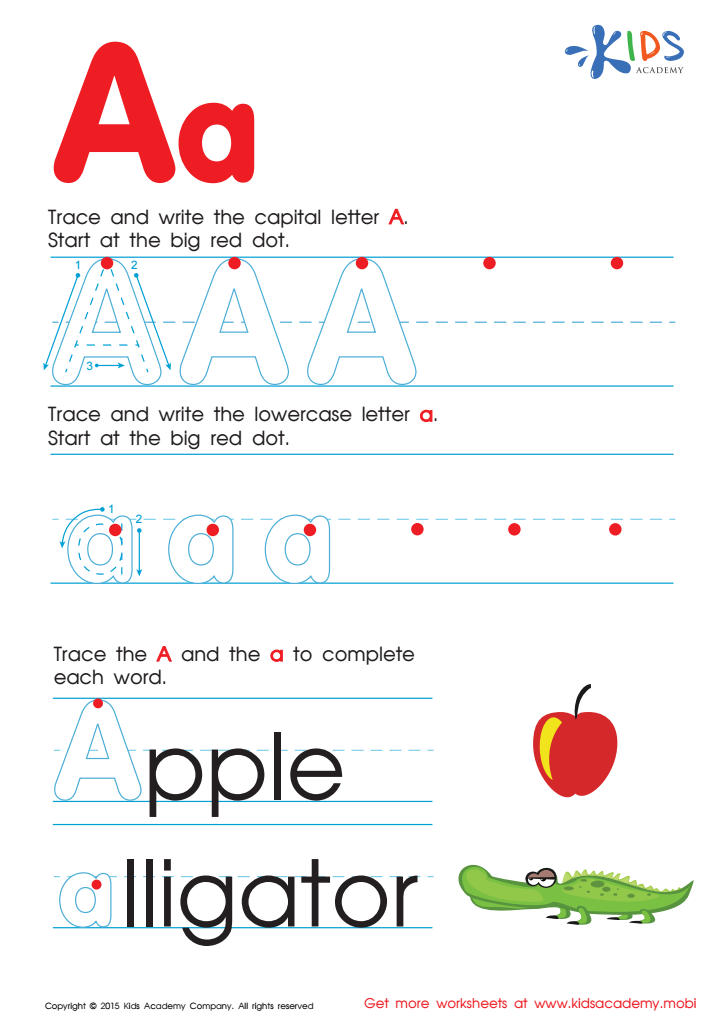
Letter A Tracing Page
 Assign to My Students




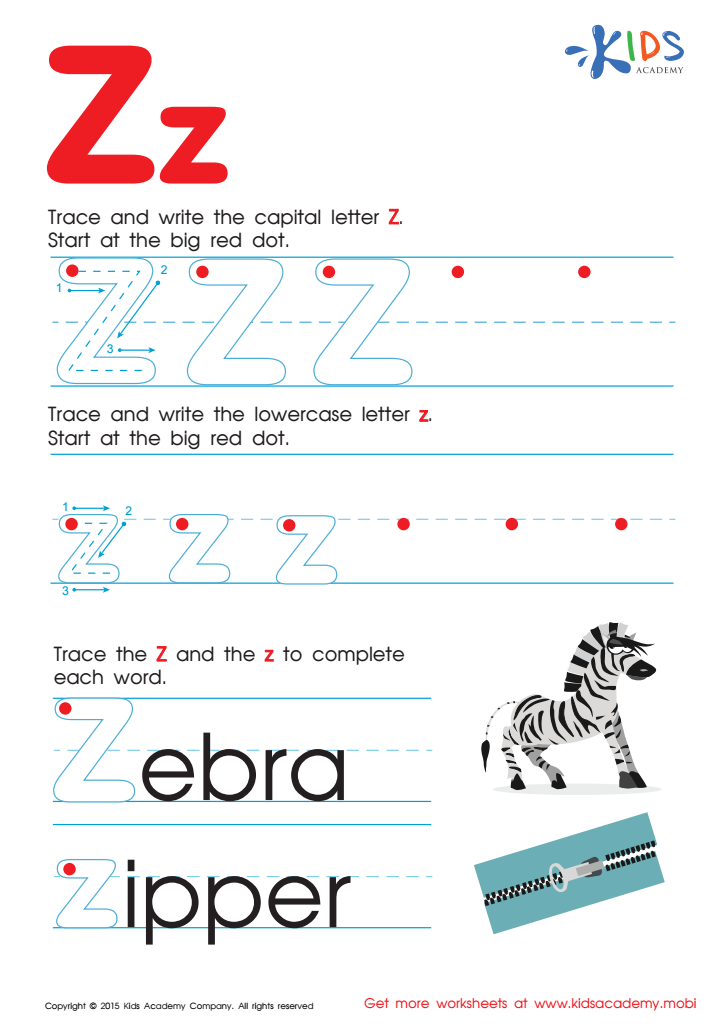
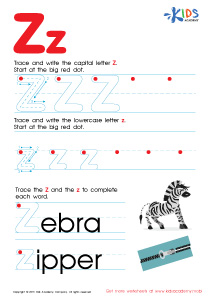
Letter Z Tracing Page
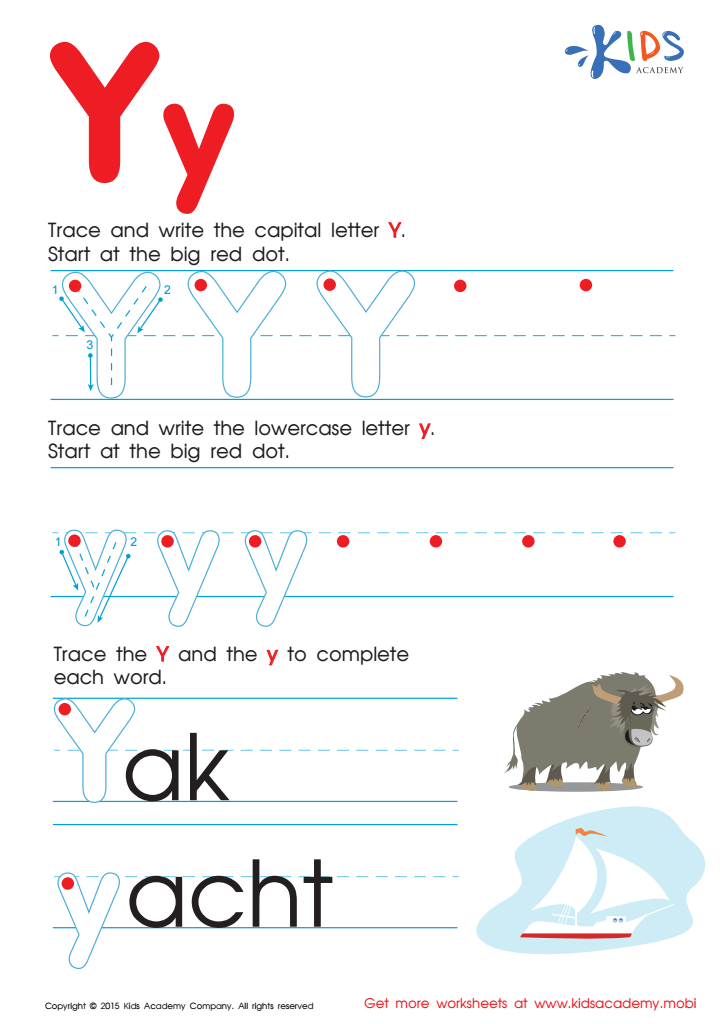
Letter Y Tracing Page






Alphabet recognition is a fundamental skill that sets the stage for lifelong learning. For children ages 5-6, mastering the ABCs is essential as it directly impacts their reading and writing abilities. The Alphabet Recognition Extra Challenge provides engaging and interactive methods for children to learn and recognize letters, fostering both academic growth and a love for literacy.
Parents and teachers should prioritize this skill as it enhances cognitive development, boosts confidence, and promotes better communication skills. Recognizing letters builds a strong foundation for phonics, helping children understand how letters correspond to sounds, thereby aiding in early reading and spelling.
Moreover, this challenge engages children through play-based and hands-on activities, making learning enjoyable and less daunting. It well-aligns with best practices in early childhood education by encouraging exploration and creativity in learning.
Additionally, both parents and teachers play a critical role in nurturing children's curiosity. By participating in and supporting these challenges, they can create an encouraging environment that bolsters children's enthusiasm for learning. Investing time and effort into alphabet recognition now will pave the way for future academic success, making it imperative for caregivers to engage in initiatives that reinforce these foundational skills.