Fine Motor Skills Extra Challenge ABC Letters Worksheets for Ages 5-6
7 filtered results
-
From - To
Enhance your child’s fine motor skills with our "Fine Motor Skills Extra Challenge ABC Letters Worksheets" designed for ages 5-6. These engaging worksheets provide a fun way for young learners to practice letter recognition while developing essential hand-eye coordination and dexterity. Each worksheet features creative activities such as tracing, coloring, and cutting that align with alphabet learning. Perfect for home or classroom use, these challenges encourage children to improve their writing skills, boost confidence, and foster a love for learning. Unlock your child's potential and watch them thrive with our meticulously crafted ABC worksheets today!
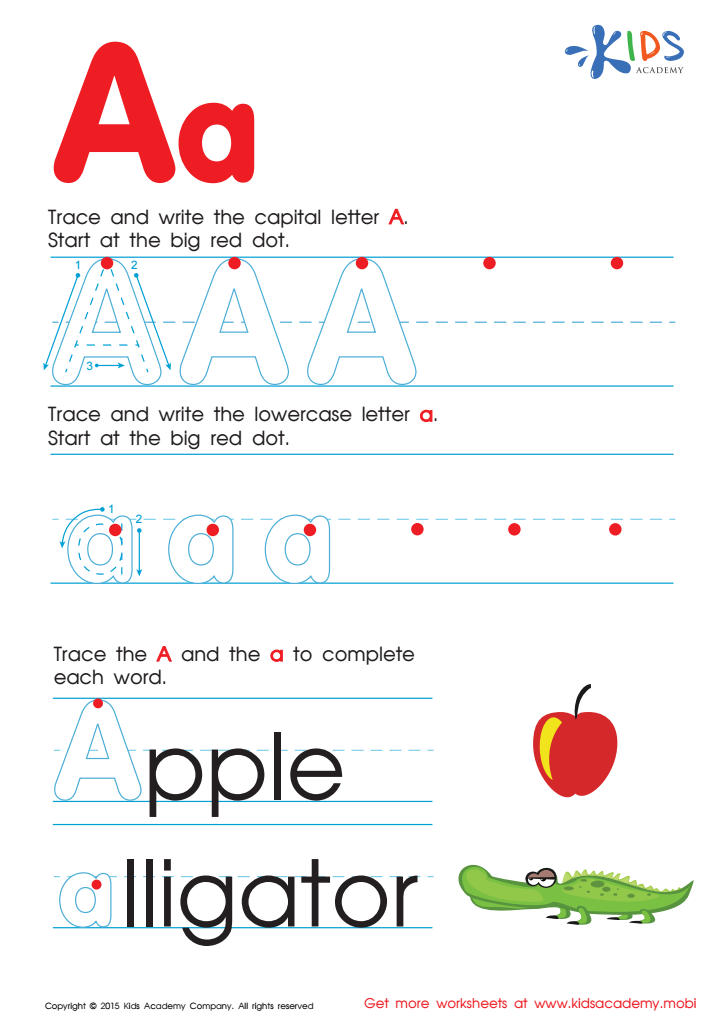
Letter A Tracing Page
 Assign to My Students











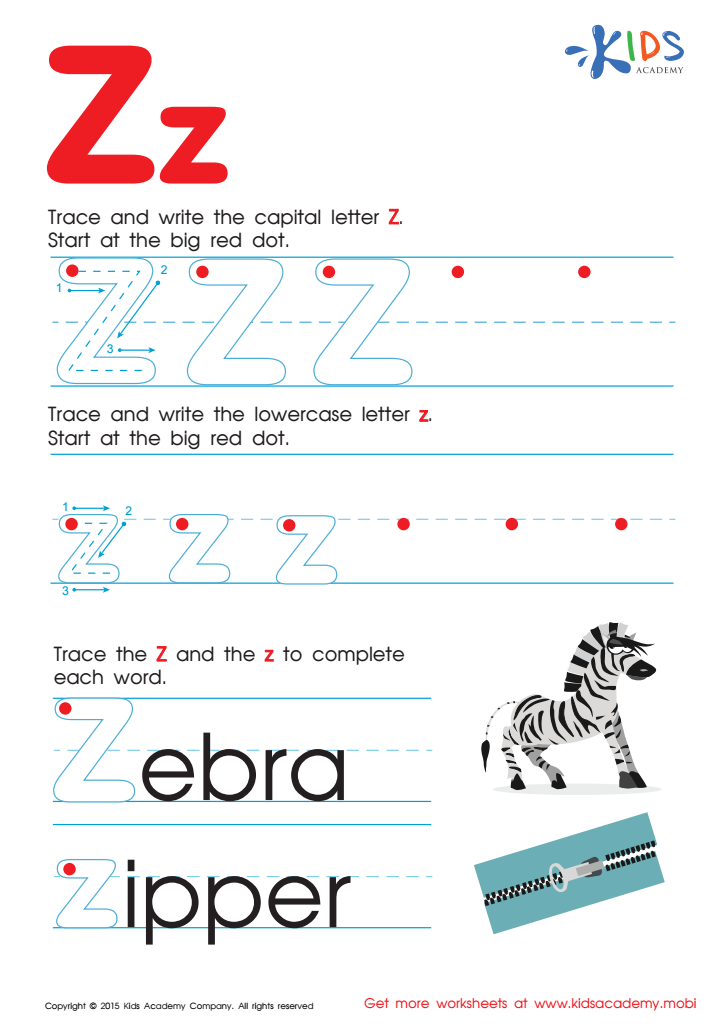
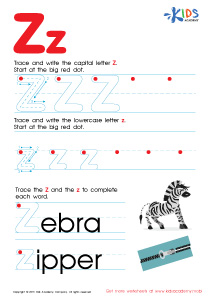
Letter Z Tracing Page
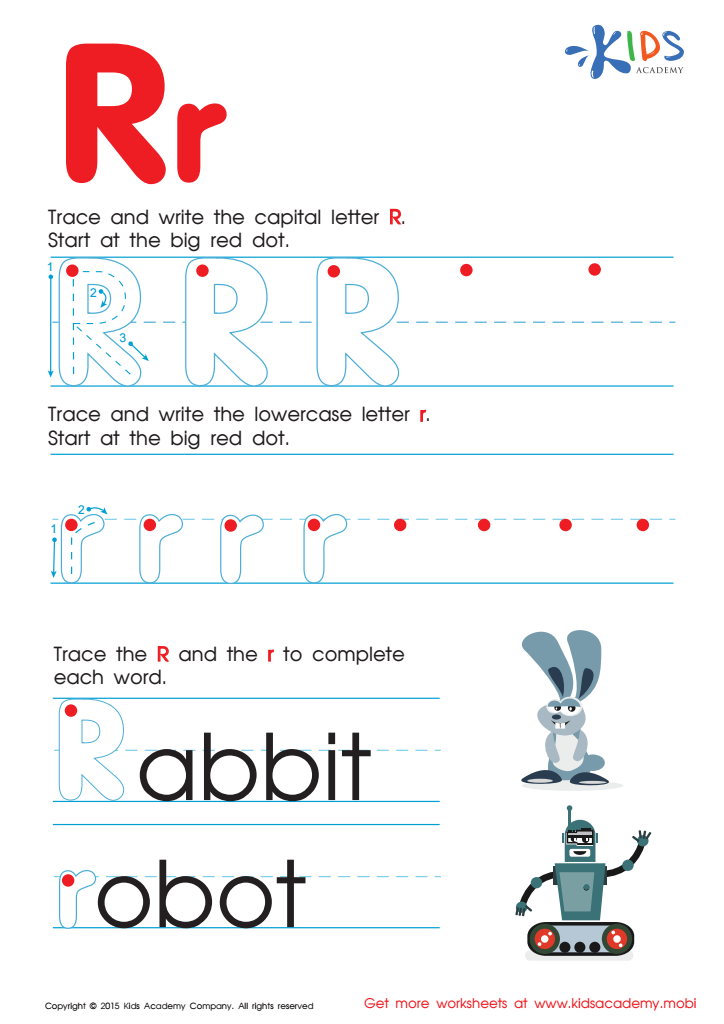
Letter R Tracing Page
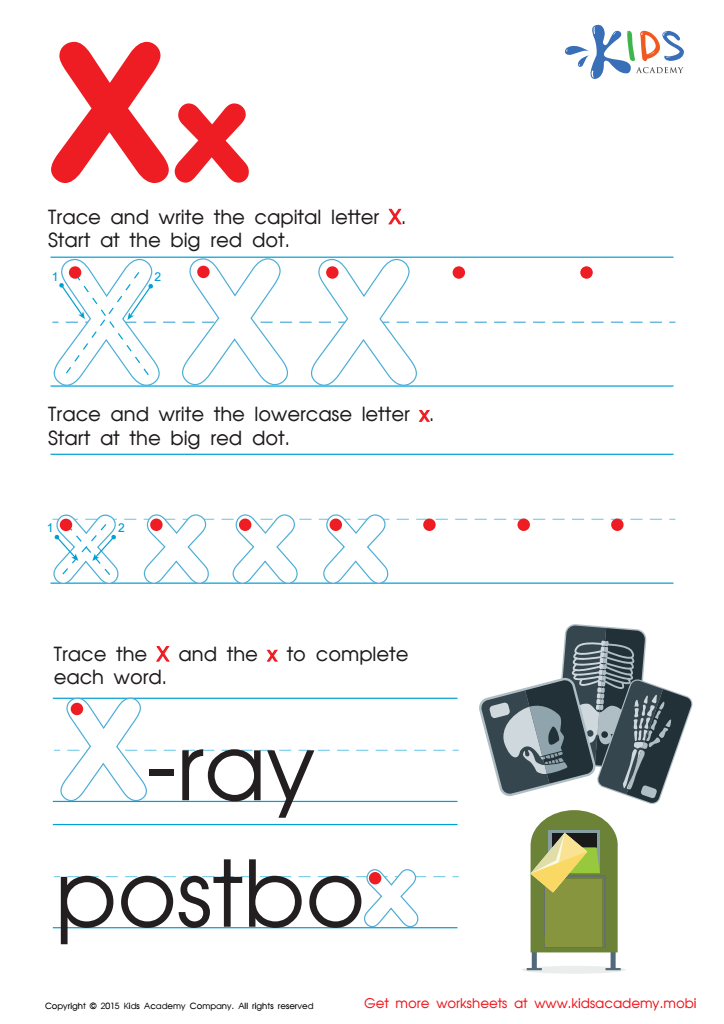
Letter X Tracing Page
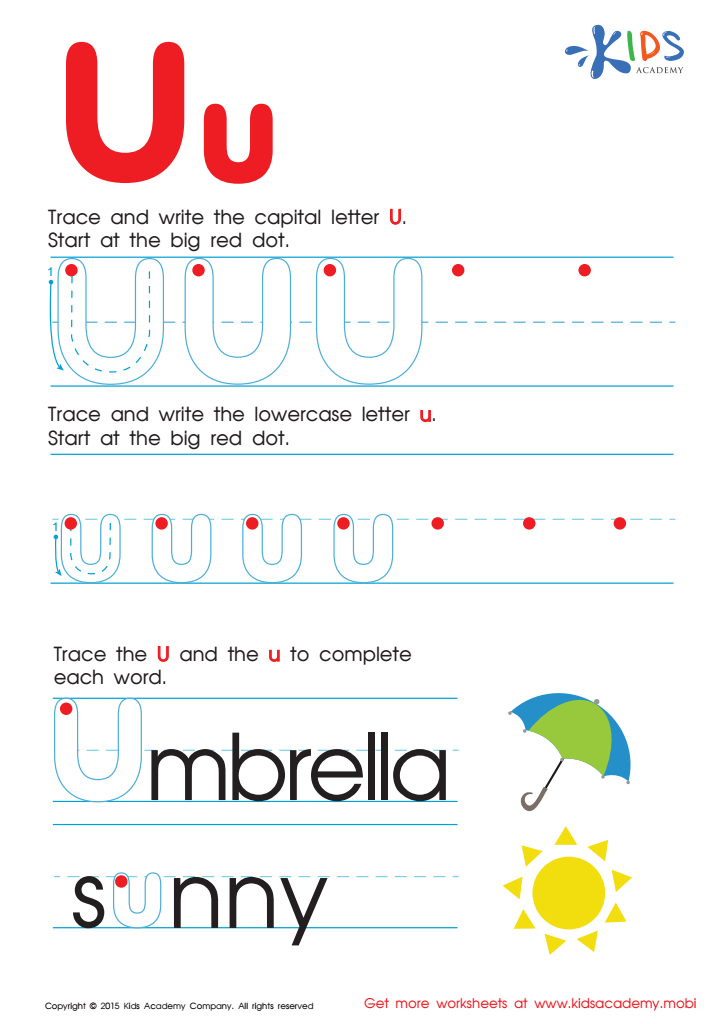
Letter U Tracing Page
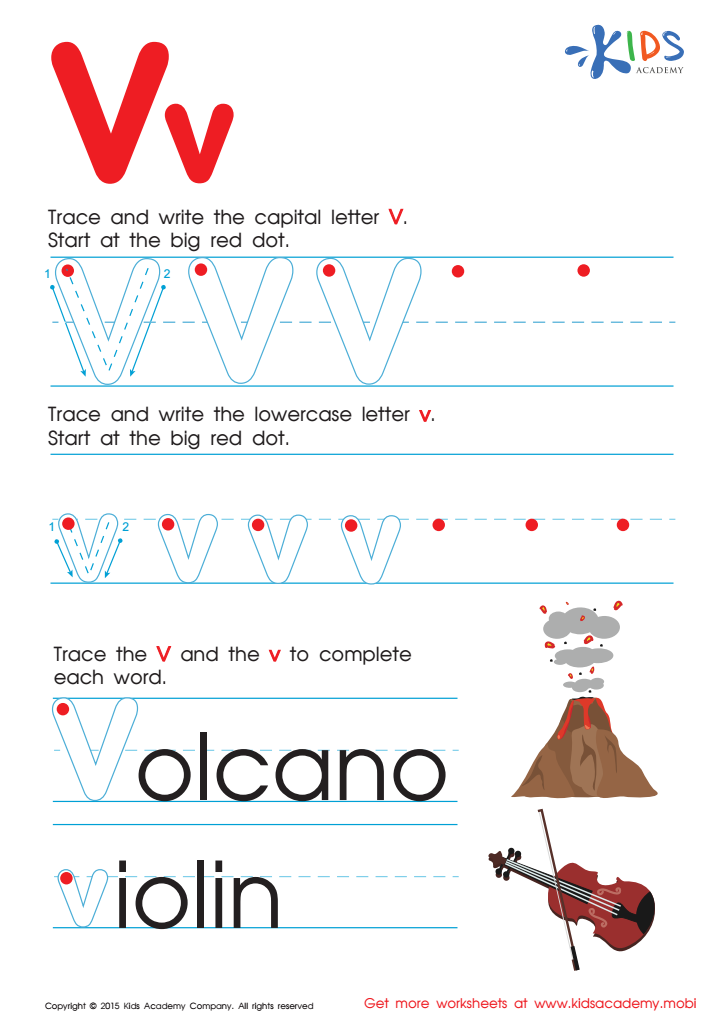
Letter V Tracing Page
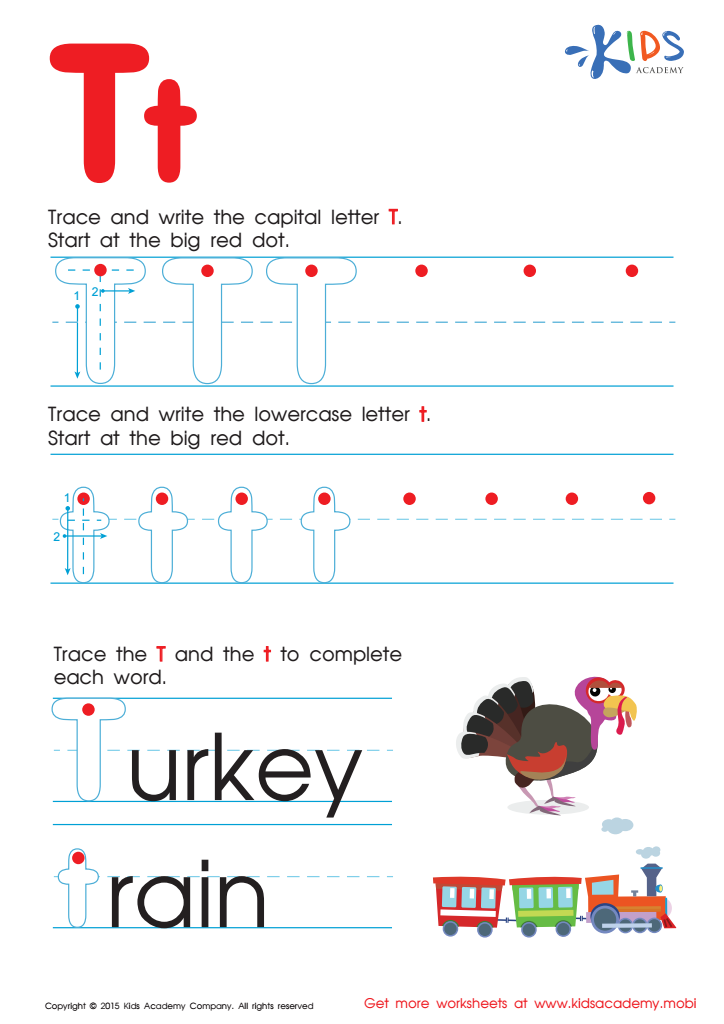
Letter T Tracing Page







Fine motor skills are crucial for young children, especially in the early years of education. Engaging children ages 5-6 in activities like Fine Motor Skills Extra Challenge ABC Letters can significantly enhance their hand-eye coordination, dexterity, and overall handwriting abilities. These skills are foundational for everyday tasks, such as holding writing instruments, using scissors, and participating in art projects.
For parents and teachers, investing time in fine motor challenges fosters independence and boosts a child's confidence. As children master these skills, they experience a sense of accomplishment, which encourages a love for learning and exploration. This particular activity is not only educational but also creative and enjoyable, making learning more engaging. Additionally, fine motor activities lay the groundwork for academic success across subjects, particularly in language and math as children begin to form letters and numbers with precision.
Moreover, in an increasingly digital world where screen time is prevalent, hands-on activities promote tactile experiences, benefiting cognitive development. By emphasizing fine motor skills development, parents and teachers promote holistic growth, preparing children for future challenges both in and out of the classroom. This investment in early skill-building sets the stage for lifelong learning and success.