Fine Motor Skills Extra Challenge Tracing Letters Worksheets for Ages 5-6
7 filtered results
-
From - To
Enhance your child's fine motor skills with our "Fine Motor Skills Extra Challenge Tracing Letters Worksheets" designed specifically for ages 5-6. These engaging worksheets feature fun and interactive tracing activities that help young learners develop essential handwriting skills while improving hand-eye coordination. As children trace each letter of the alphabet, they'll not only master letter recognition but also strengthen their grip and dexterity. Perfect for at-home practice or classroom use, these worksheets provide a structured yet enjoyable way to prepare children for future writing success. Download now and inspire a love for learning through creativity and play!
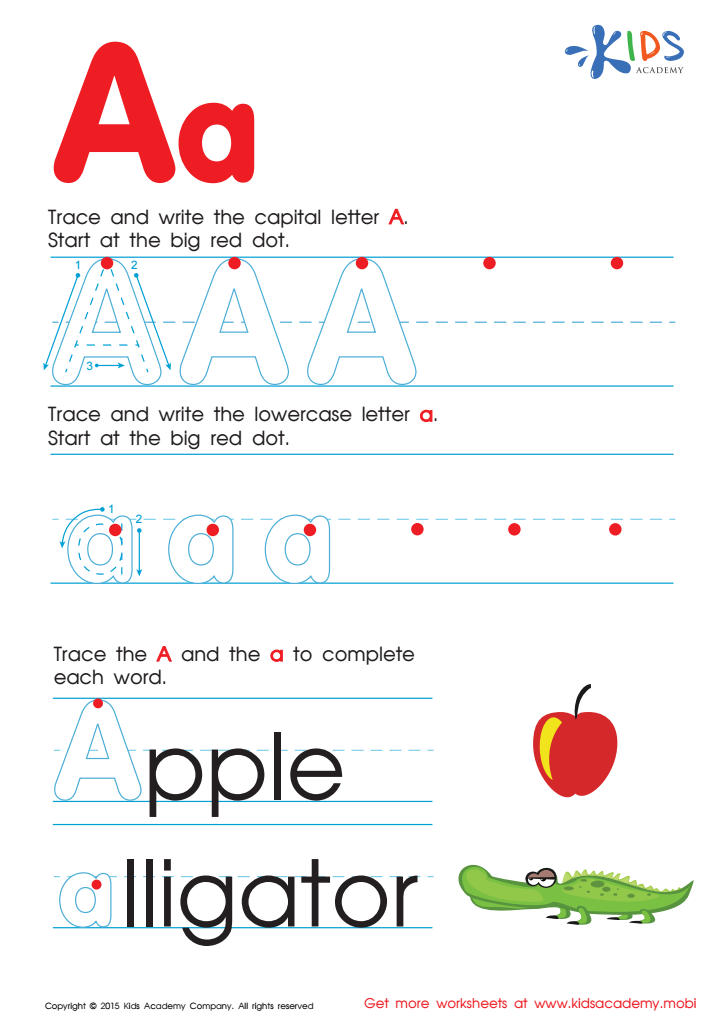
Letter A Tracing Page
 Assign to My Students
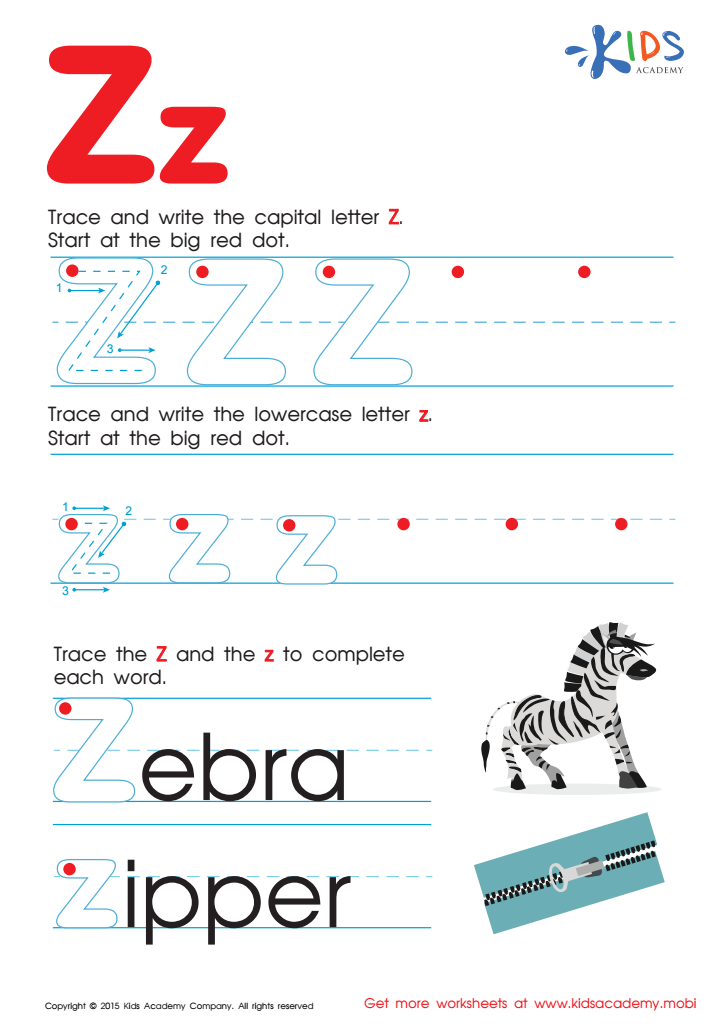
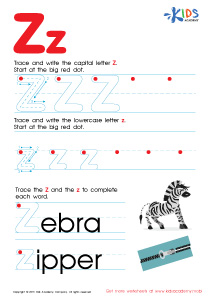
Letter Z Tracing Page
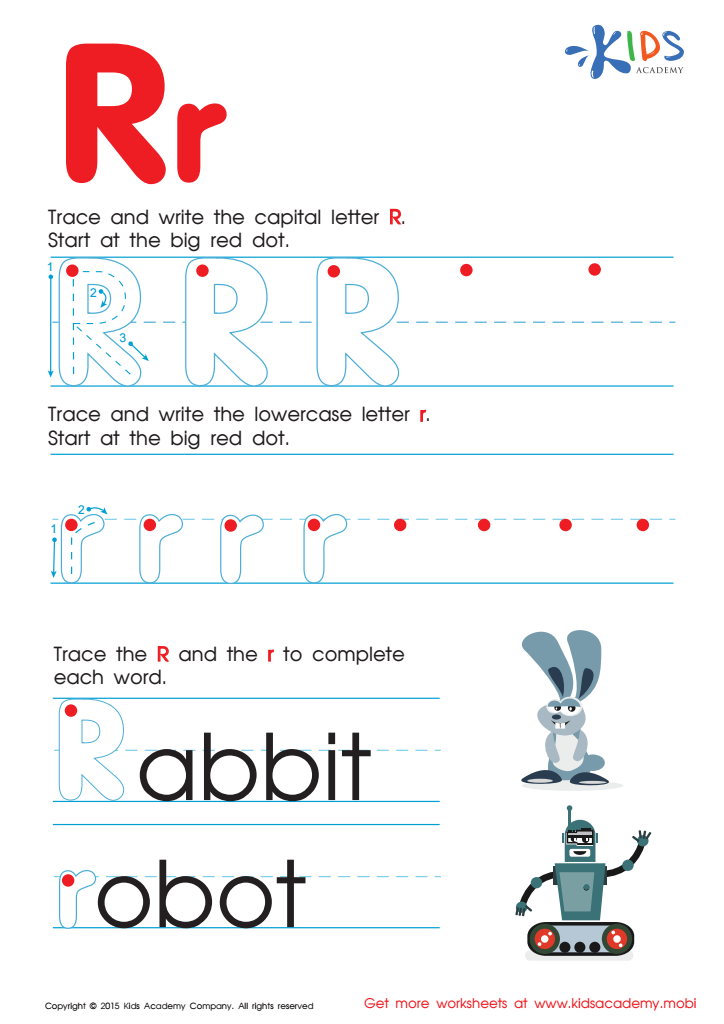
Letter R Tracing Page
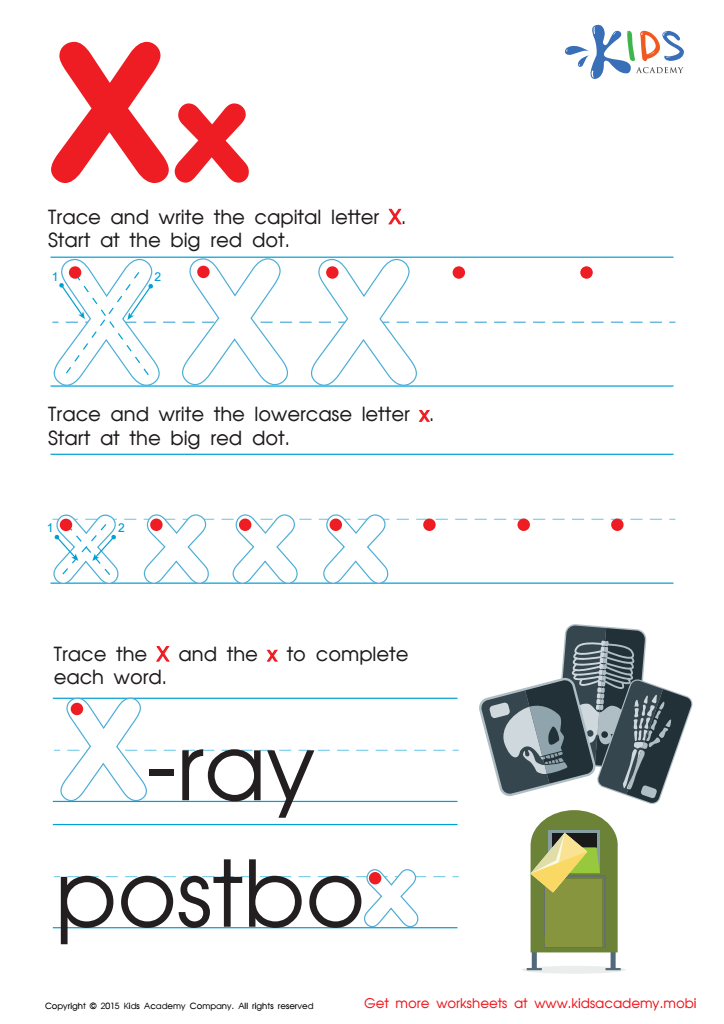
Letter X Tracing Page
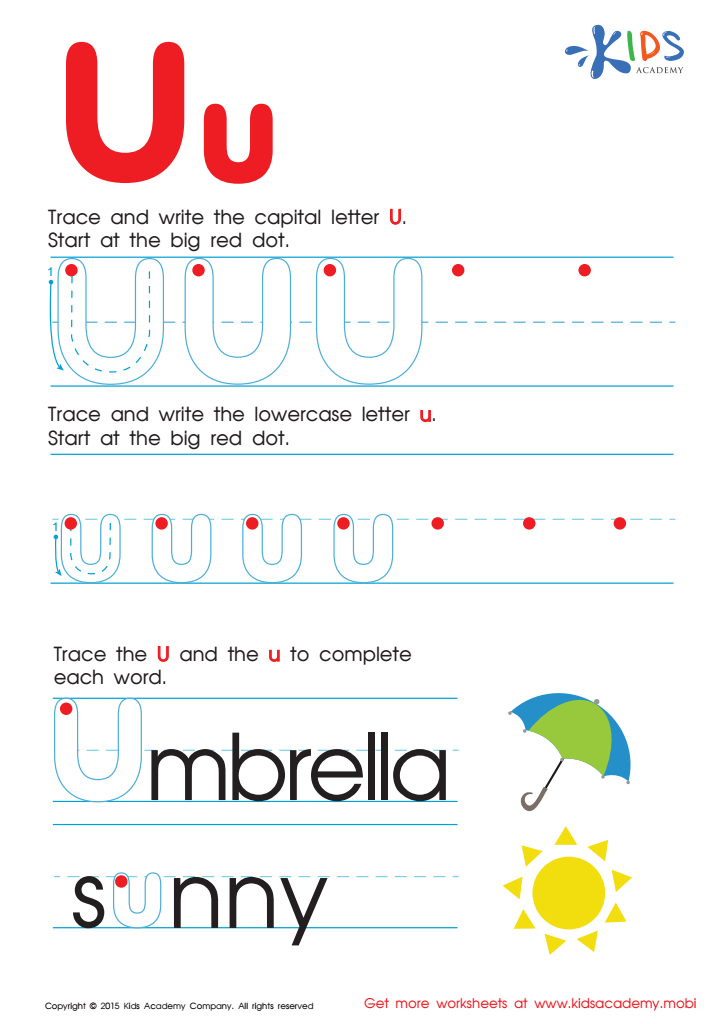
Letter U Tracing Page
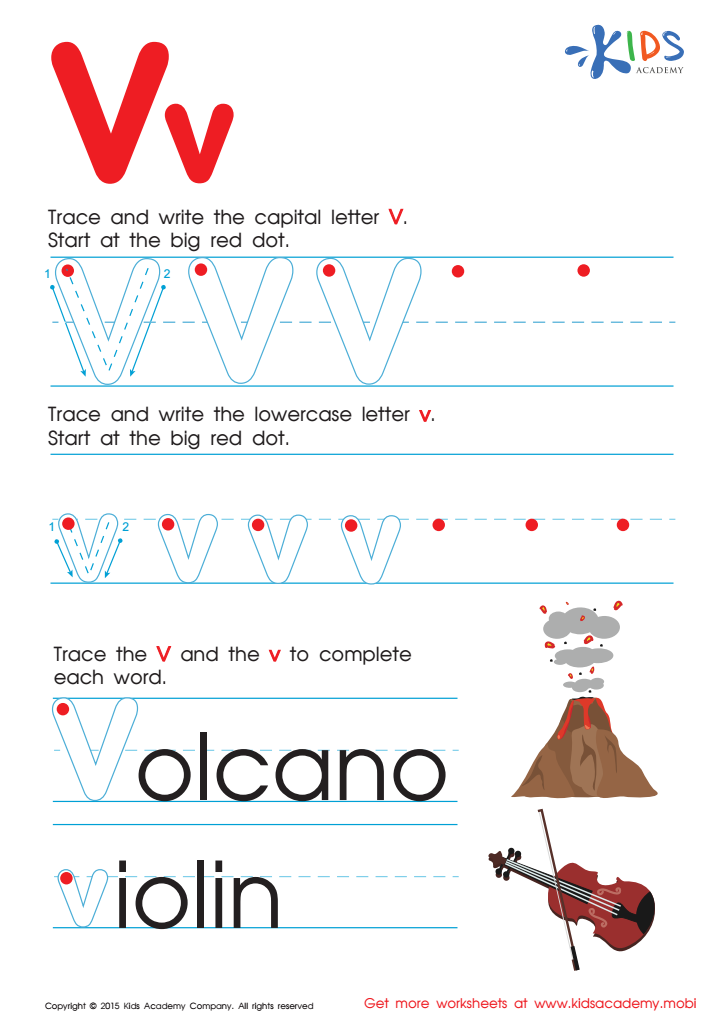
Letter V Tracing Page
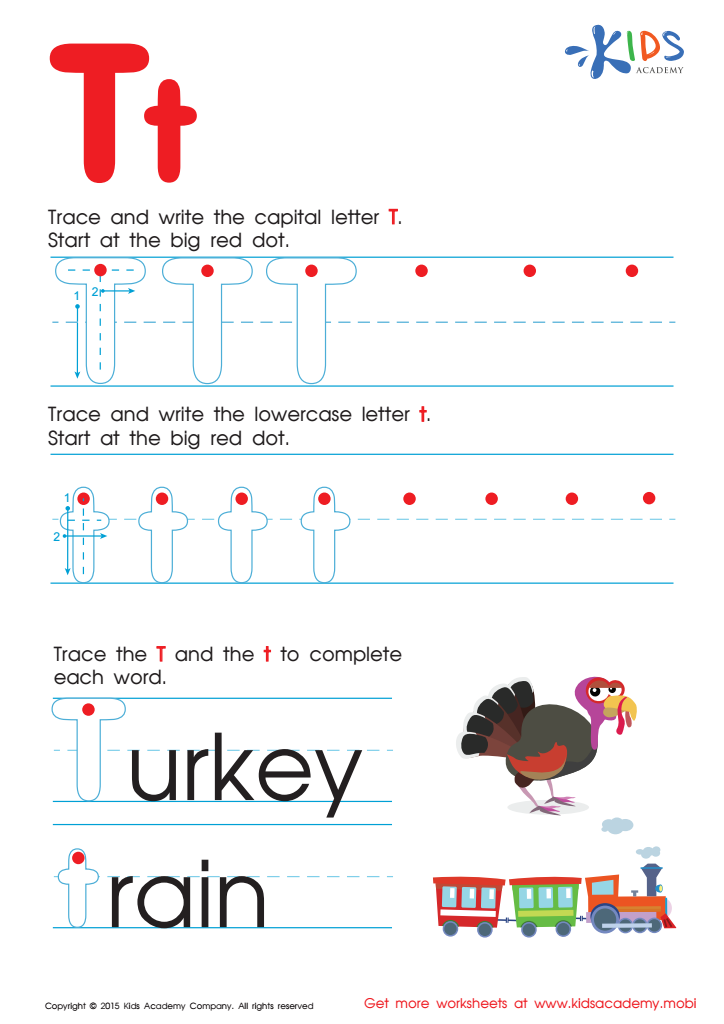
Letter T Tracing Page








Fine motor skills are crucial for young children's overall development, especially for ages 5-6, a vital period for learning foundational skills. Tracing letters is an engaging way to enhance these skills, which involve the coordination of small muscles in the hands and fingers. Parents and teachers should care about Fine Motor Skills Extra Challenge Tracing Letters because it directly impacts a child's ability to write effectively, a fundamental skill necessary for academic success.
By tracing letters, children practice grip strength, hand-eye coordination, and control—all essential components of fine motor development. This activity also prepares them for more complex tasks such as drawing and handwriting, facilitating a smoother transition into higher grades where written communication plays a more prominent role. Moreover, tracing can serve as a fun, interactive exercise that supports both motor skills and literacy, promoting early reading and writing skills.
Additionally, fine motor skill development contributes to a child's confidence and independence. As they gain mastery over their movements, children are more likely to engage in various learning activities enthusiastically. Therefore, incorporating fine motor activities like tracing letters into daily routines can lead to significant long-term benefits for children’s educational journeys and personal growth.