Fine Motor Skills Extra Challenge Letter Recognition Worksheets for Ages 5-8
7 filtered results
-
From - To
Boost your child's fine motor skills and letter recognition with our engaging Extra Challenge Worksheets, designed specifically for ages 5-8. These printable activities provide a fun and interactive way for young learners to practice identifying letters while honing their hand-eye coordination. Each worksheet is crafted to challenge children, perfect for both classroom settings and at-home learning. From tracing letters to completing intricate patterns, these exercises promote confidence in writing and literacy. Encourage your child's development with our thoughtfully designed materials that combine play and learning, making education enjoyable and effective! Visit us to explore the full range of worksheets today!
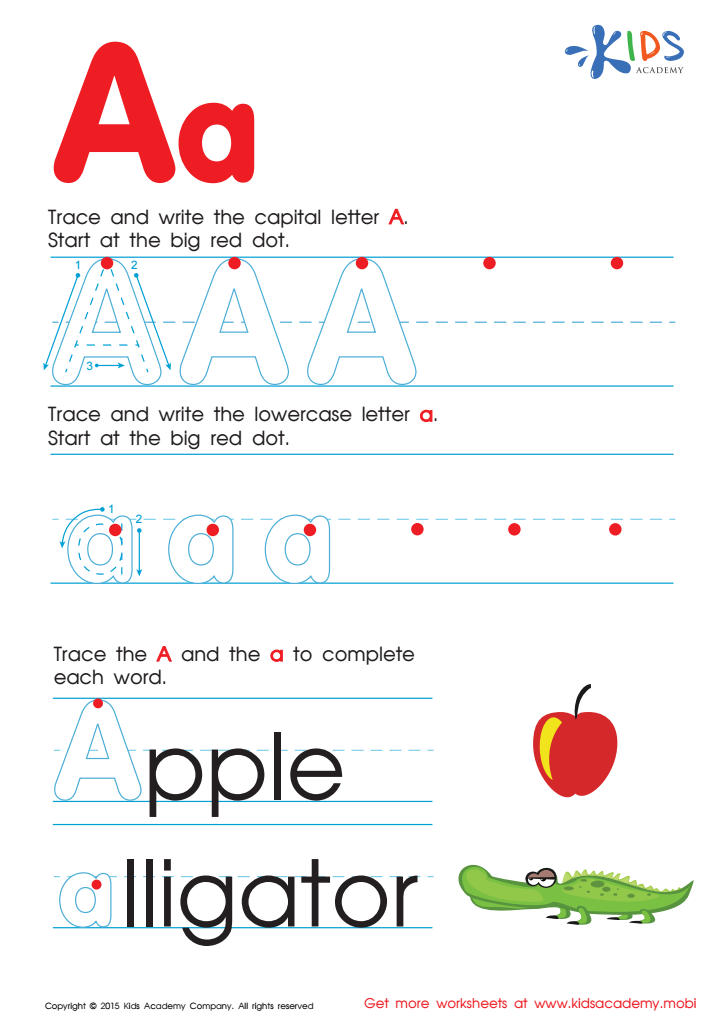
Letter A Tracing Page
 Assign to My Students
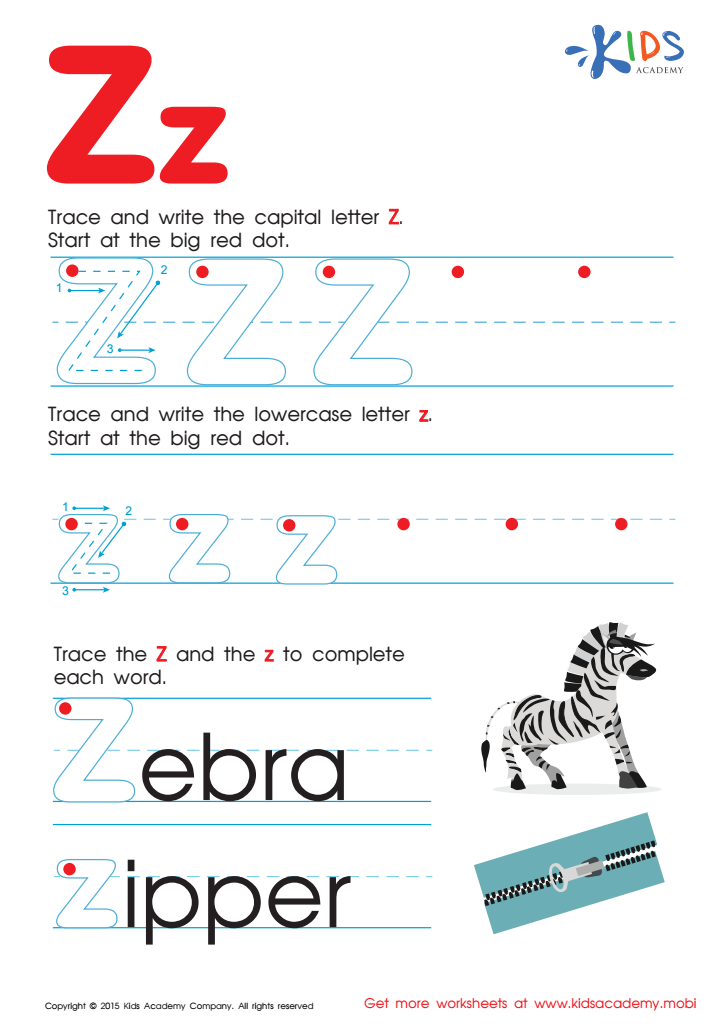
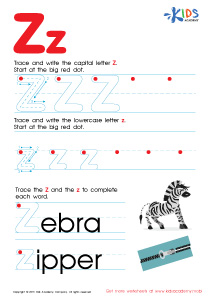
Letter Z Tracing Page
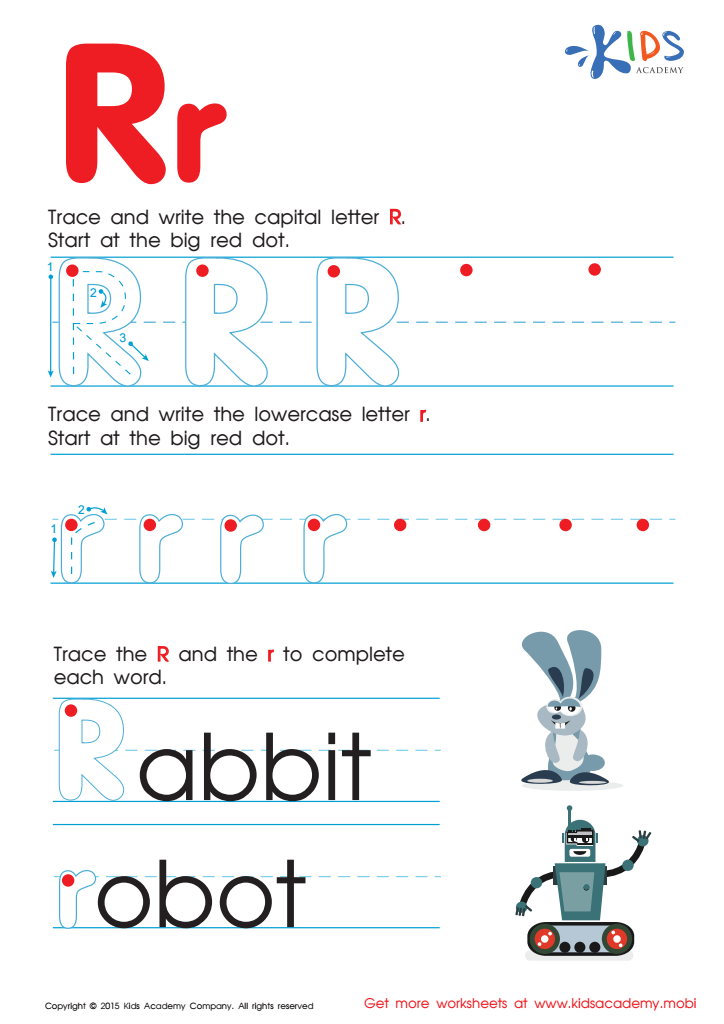
Letter R Tracing Page
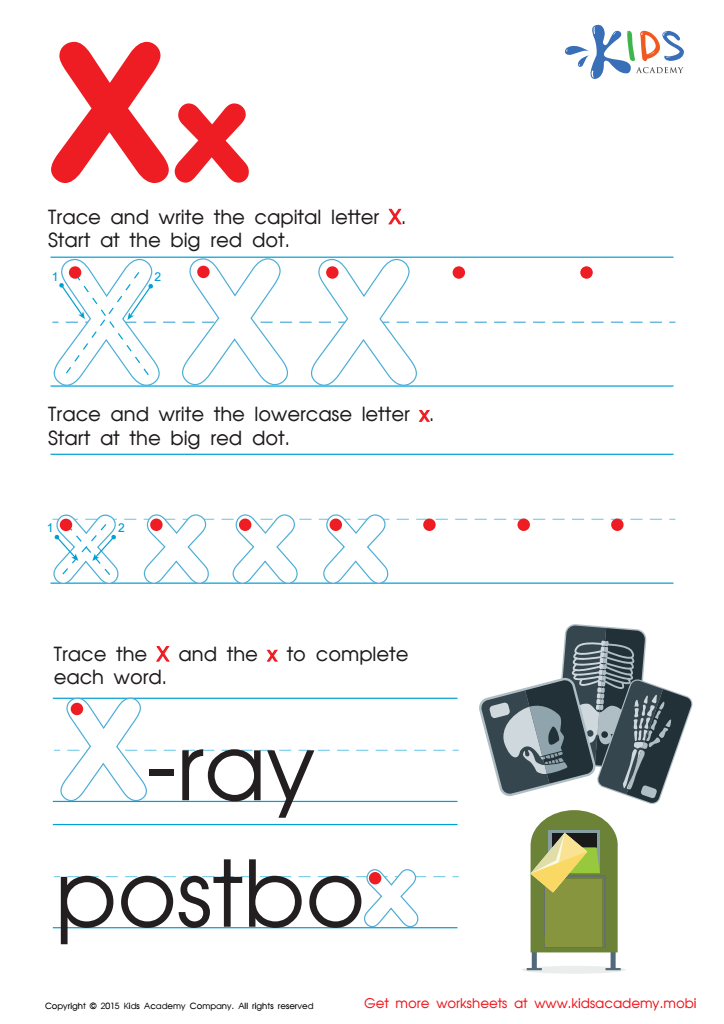
Letter X Tracing Page
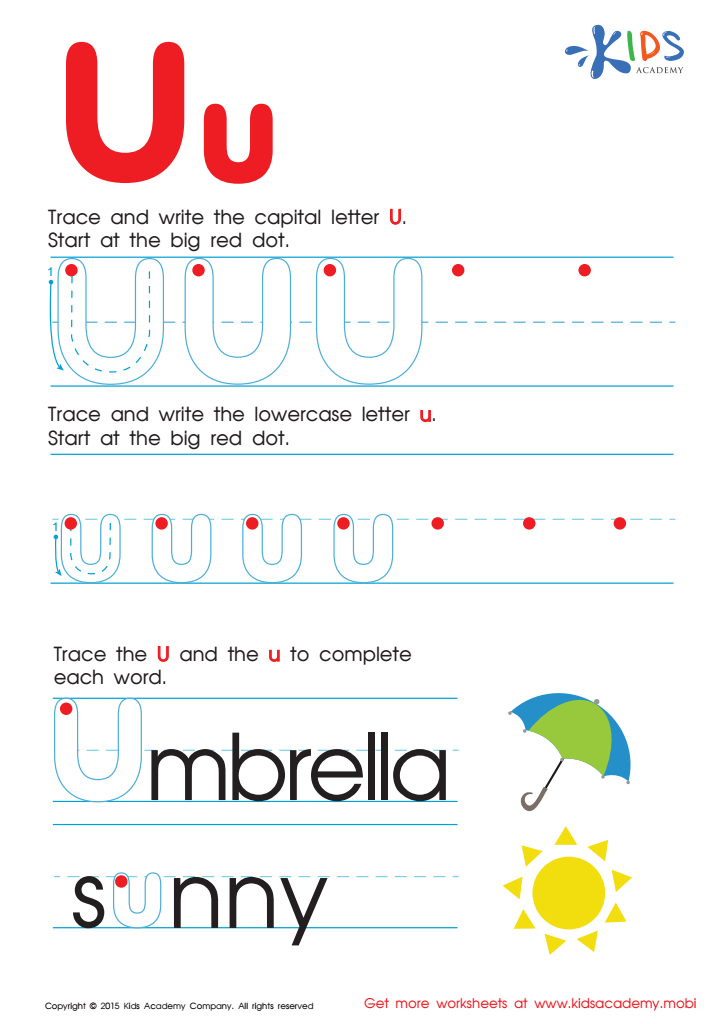
Letter U Tracing Page
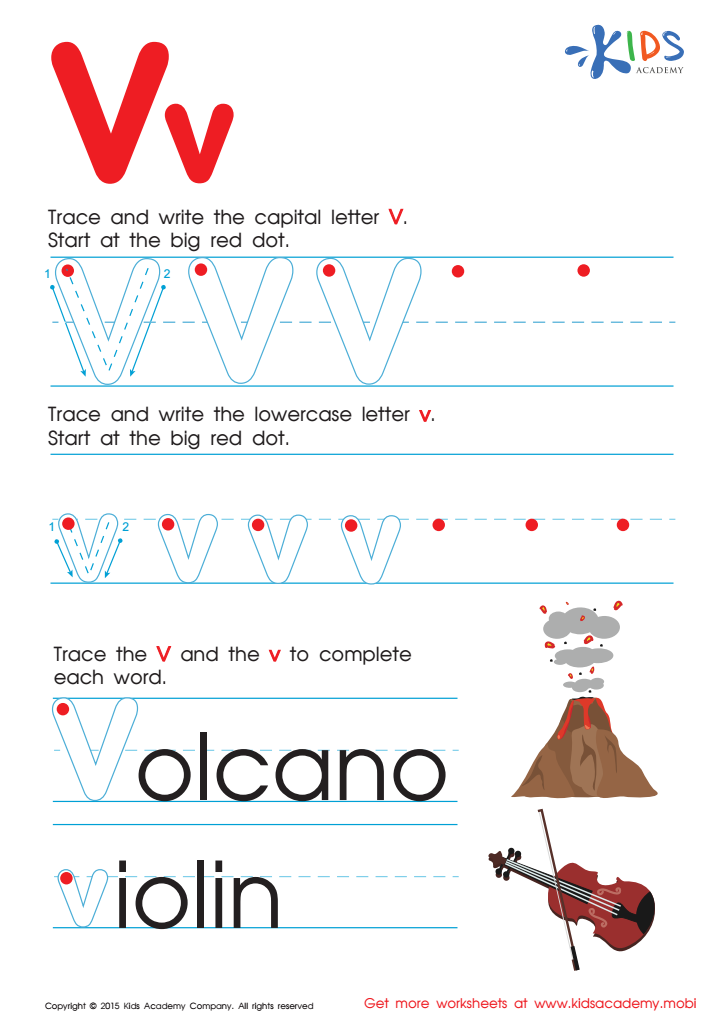
Letter V Tracing Page
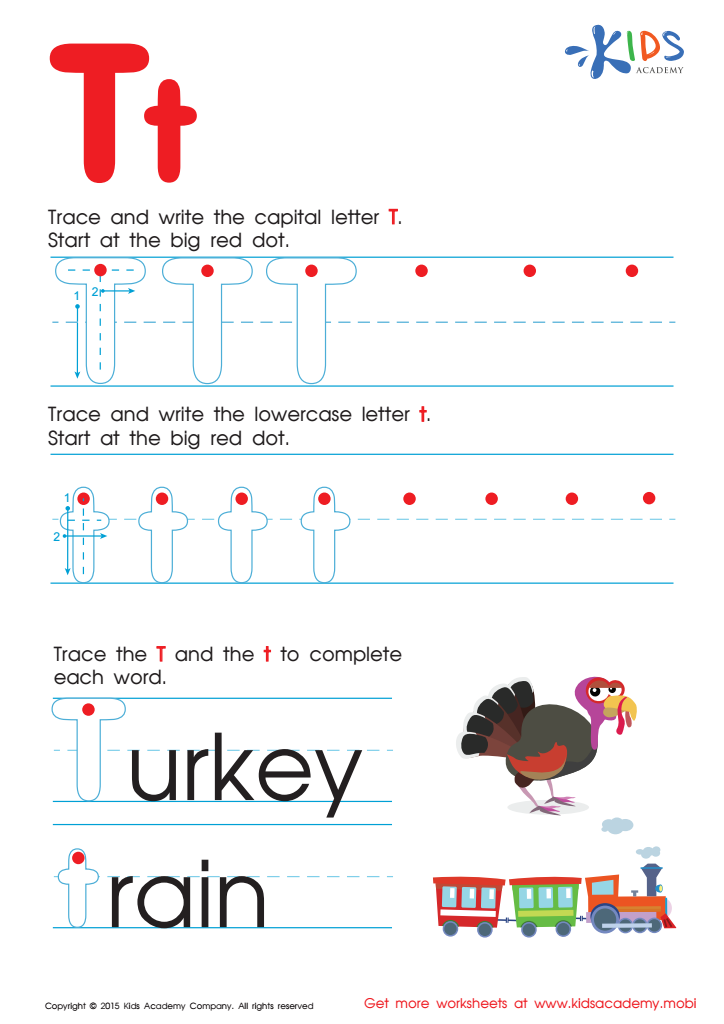
Letter T Tracing Page








Fine motor skills and letter recognition are critical developmental components for children ages 5-8. Fine motor skills involve the coordination of small muscles in the hands and fingers, which are essential for everyday tasks such as writing, fastening buttons, and manipulating objects. By focusing on these skills, children enhance their ability to perform tasks that require precision and control, setting a strong foundation for academic success.
Letter recognition is equally important as it forms the basis for reading and writing. Recognizing letters enables children to make connections between sounds and symbols, essential for developing phonemic awareness and early literacy skills. When kids engage in activities that challenge and strengthen both fine motor skills and letter recognition, they become more confident in their academic abilities.
Parents and teachers should prioritize these skills because they directly impact a child’s learning trajectory. Effective fine motor development can lead to improved handwriting, while strong letter recognition effectively supports reading fluency. Enhancing these skills through engaging activities not only makes learning enjoyable but also fosters a sense of achievement and independence in children, laying the groundwork for lifelong learning. Consequently, invested efforts can significantly enrich a child's educational experience during these formative years.