Letter recognition Extra Challenge Tracing Letters Worksheets for Ages 5-8
7 filtered results
-
From - To
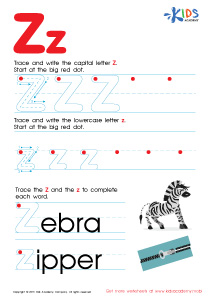
Enhance your child's letter recognition skills with our engaging Extra Challenge Tracing Letters Worksheets for ages 5-8! Designed to captivate young learners, these worksheets provide a fun, hands-on approach to mastering the alphabet. Each sheet encourages fine motor skills and reinforces letter identification through tracing activities, stimulating both confidence and creativity. Ideal for parents and educators, our resources cater to various learning styles, ensuring every child can thrive. With a mix of upper and lowercase letters, these worksheets are perfect for guided practice or independent exploration. Dive into a world of learning and make letter recognition exciting today!
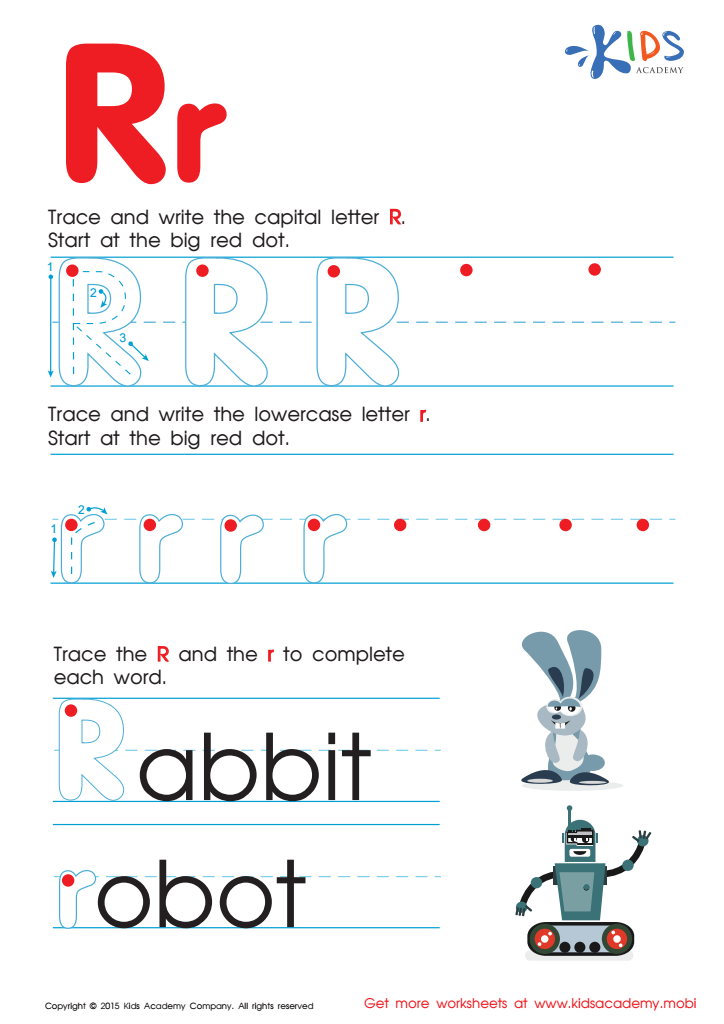
Letter R Tracing Page
 Assign to My Students
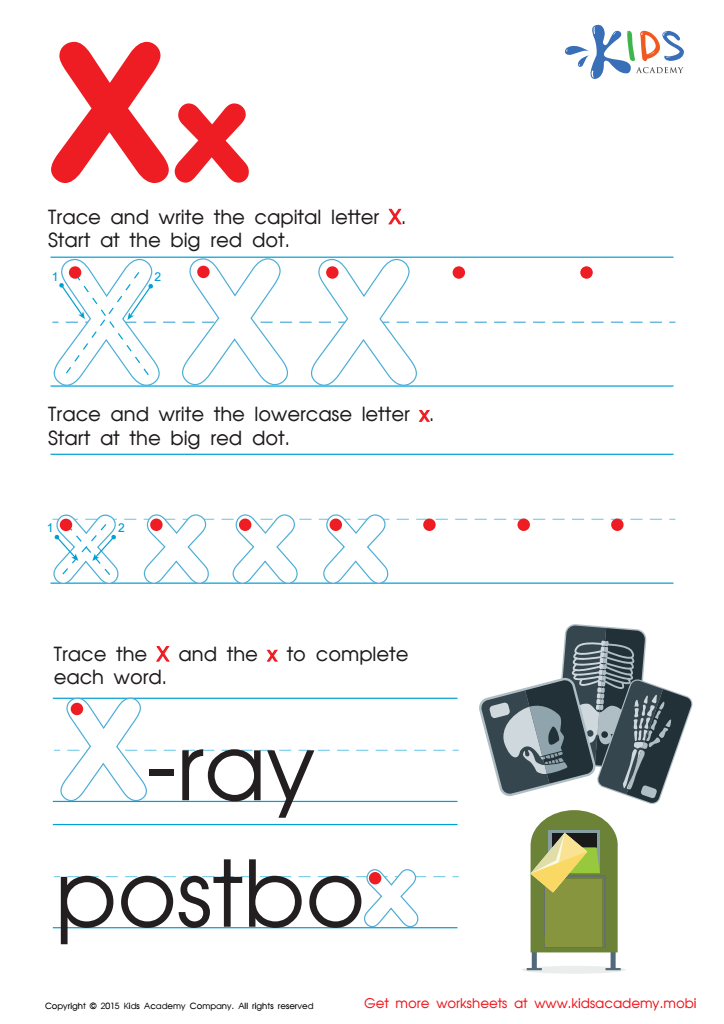
Letter X Tracing Page
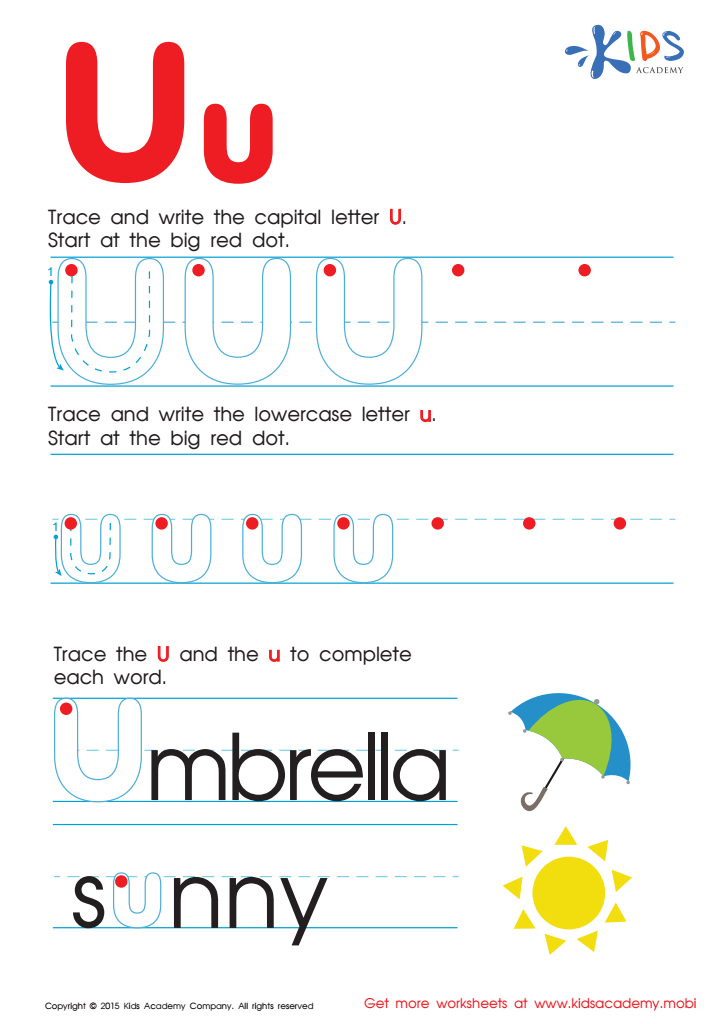
Letter U Tracing Page
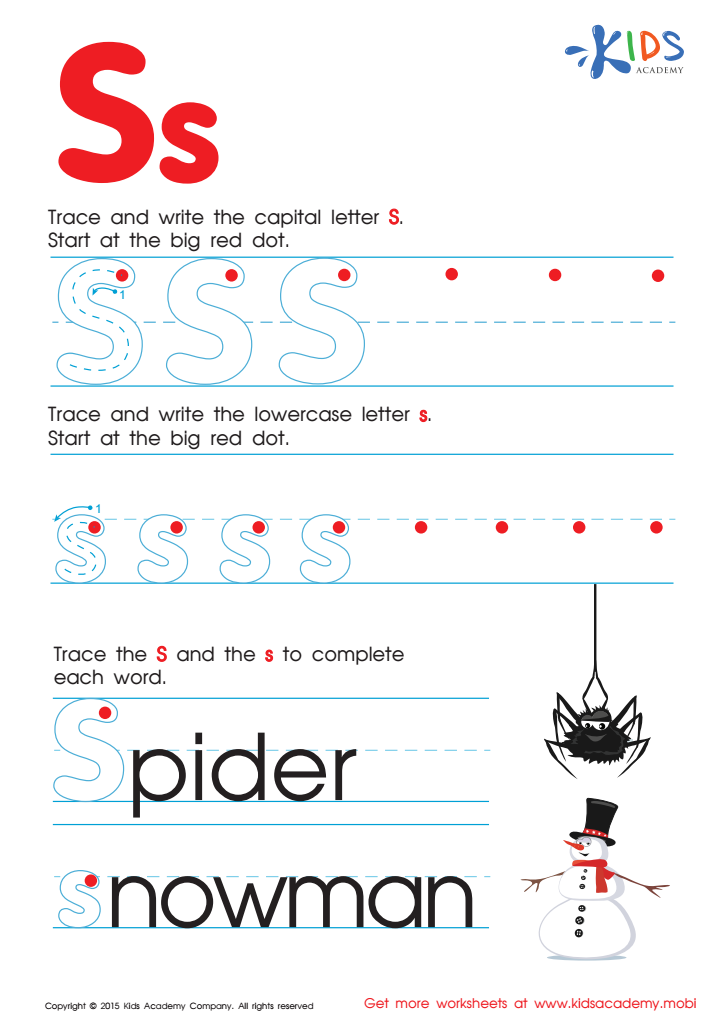
Letter S Tracing Page
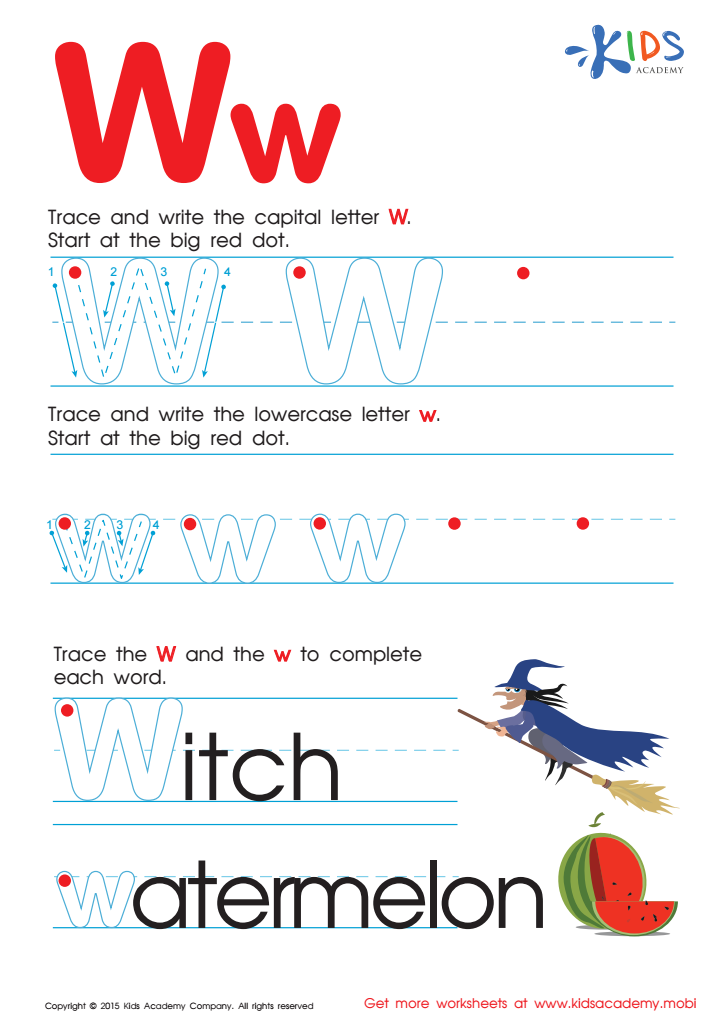
Letter W Tracing Page
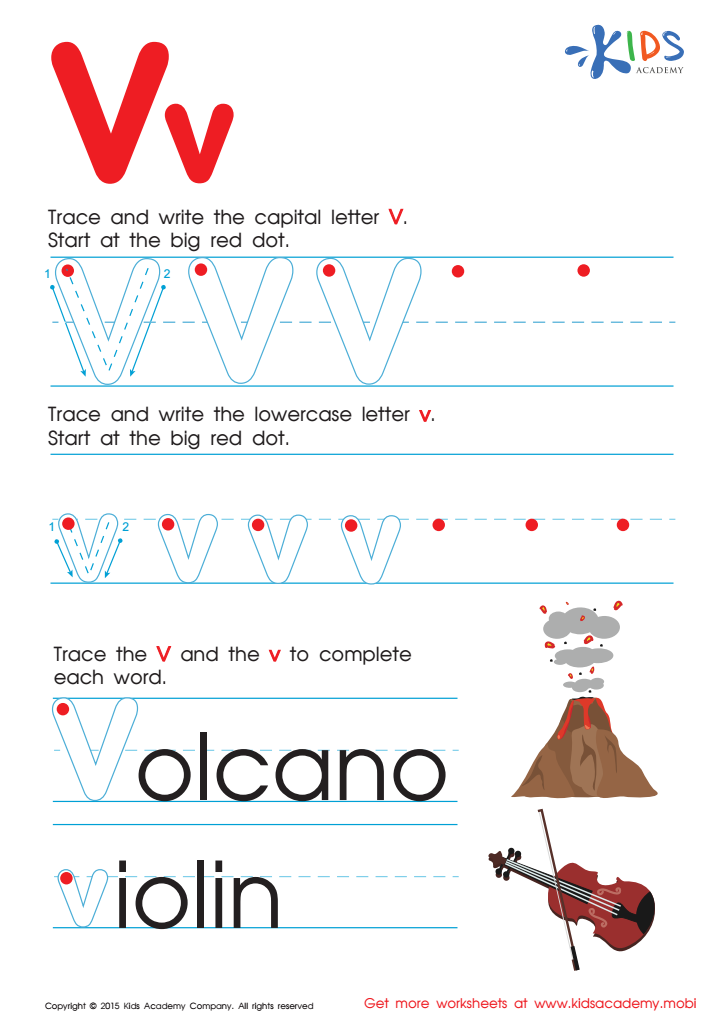
Letter V Tracing Page
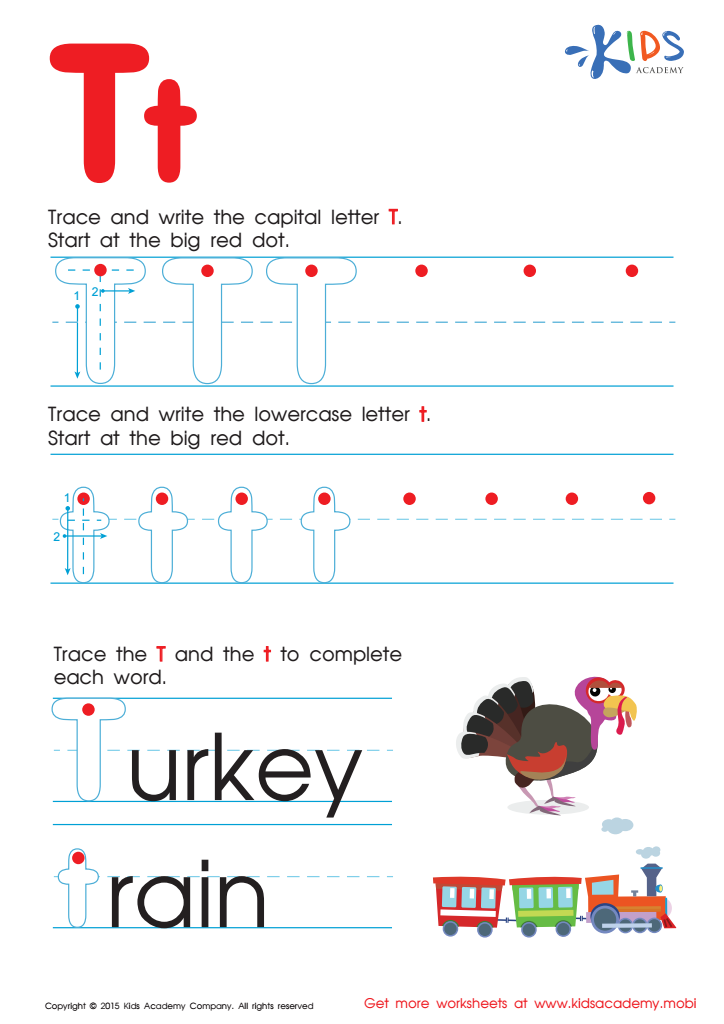
Letter T Tracing Page








Letter recognition is a fundamental building block for early literacy and serves as the first step toward reading and writing proficiency. For children aged 5-8, mastering letter recognition lays a crucial foundation for vocabulary development, spelling, and comprehension skills. Parents and teachers should prioritize activities like Extra Challenge Tracing Letters to reinforce this essential skill.
Tracing letters not only aids in recognizing different shapes and sounds of letters but also helps develop fine motor skills through hand-eye coordination. These activities can be interactive and can be adapted to suit various learning styles, making them effective tools for engagement. By incorporating tracing exercises, educators and parents can address diverse learning paces, giving children both reinforcement and advancement opportunities.
Moreover, consistent practice can foster confidence in young learners. As children become more comfortable with letter formation and recognition, they are likely to participate more actively in literacy activities.
Encouraging exploration through these letter tracing activities creates a critical link between phonics, writing, and reading pleasure. Ultimately, investing time in helping children with letter recognition builds vital skills that support long-term literacy success, setting them on a path to academic achievement and a lifelong love for reading.