Understanding place values Extra Challenge Place Value Worksheets for Ages 5-8
3 filtered results
-
From - To
Explore our "Understanding Place Values Extra Challenge Worksheets" designed specifically for children ages 5-8. These engaging, printable worksheets provide an exciting way for young learners to deepen their comprehension of place value concepts. Through a variety of challenging problems, children will enhance their skills in recognizing the value of digits based on their position within a number. Our worksheets are tailored to captivate young minds while encouraging critical thinking and problem-solving abilities. Perfect for reinforcing classroom learning or as home practice, these extra challenges will help build a strong foundation in math. Download now to inspire your child's numerical understanding!
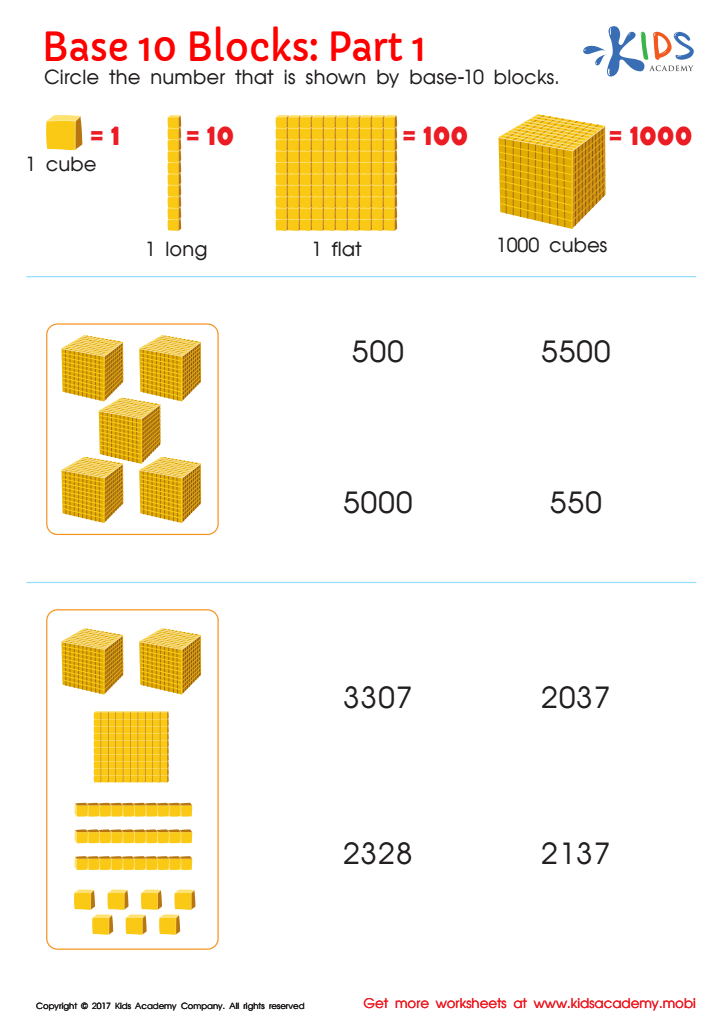
Place Value Thousands Worksheet
 Assign to My Students
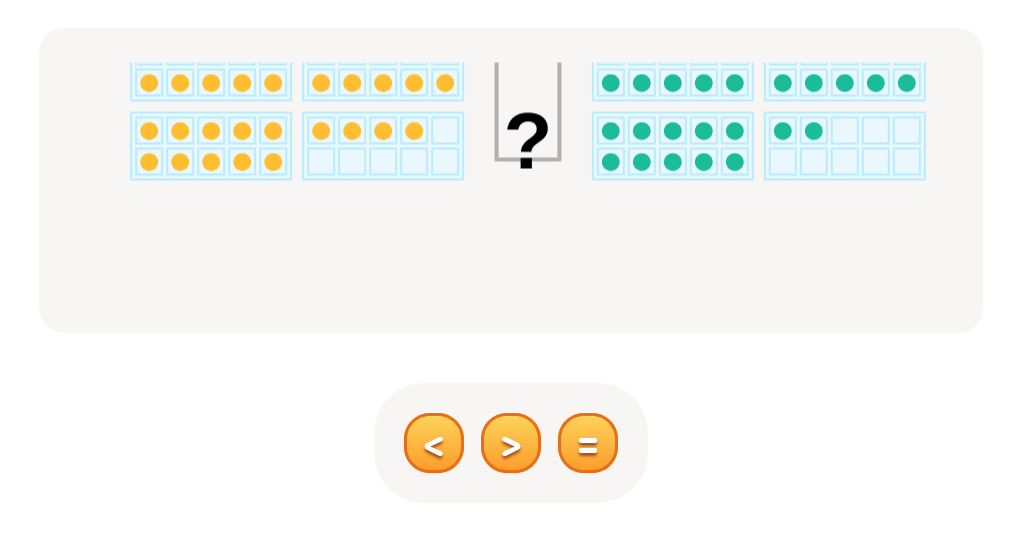

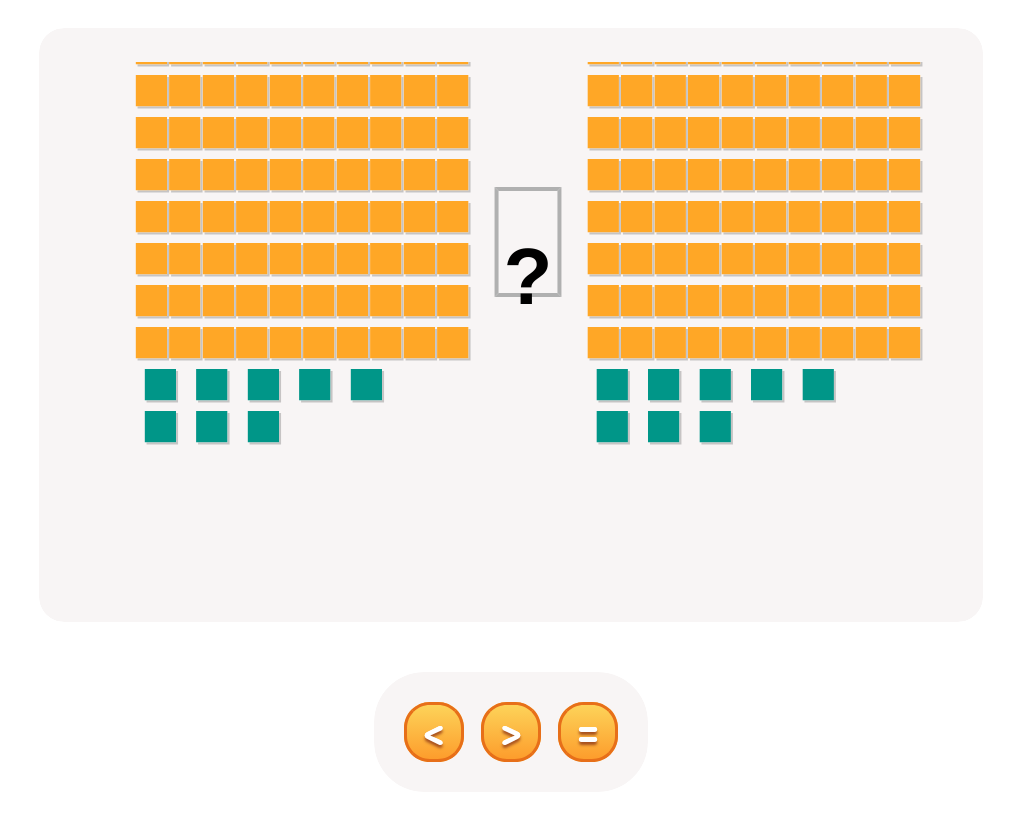
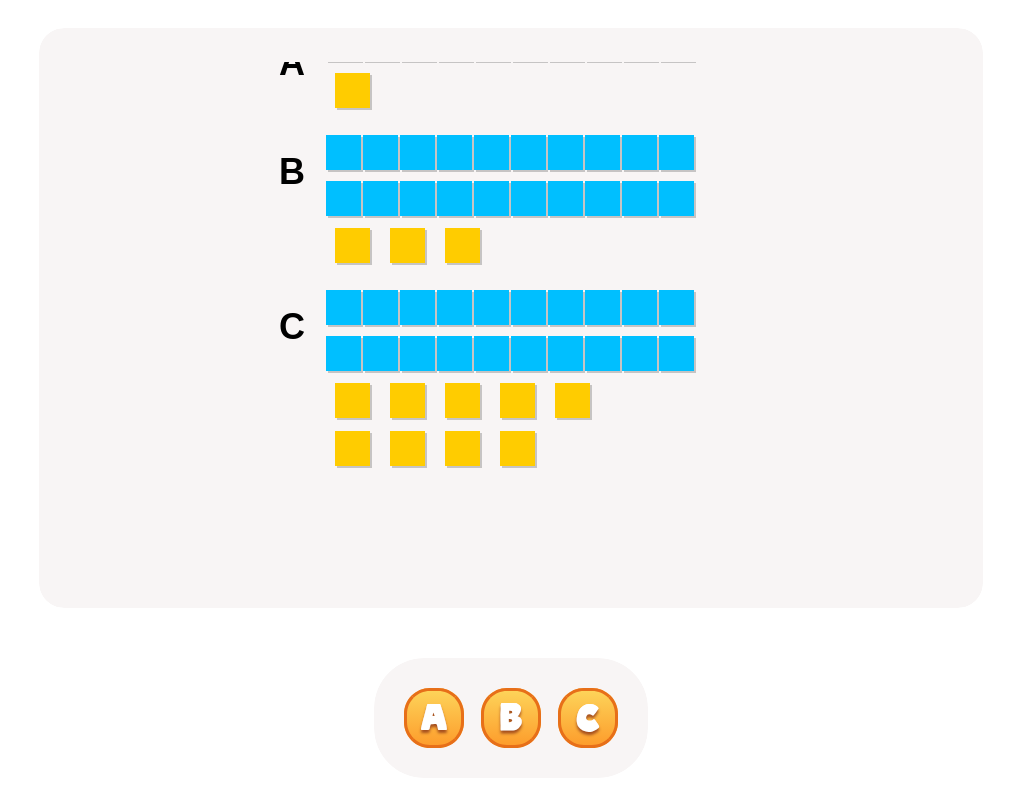
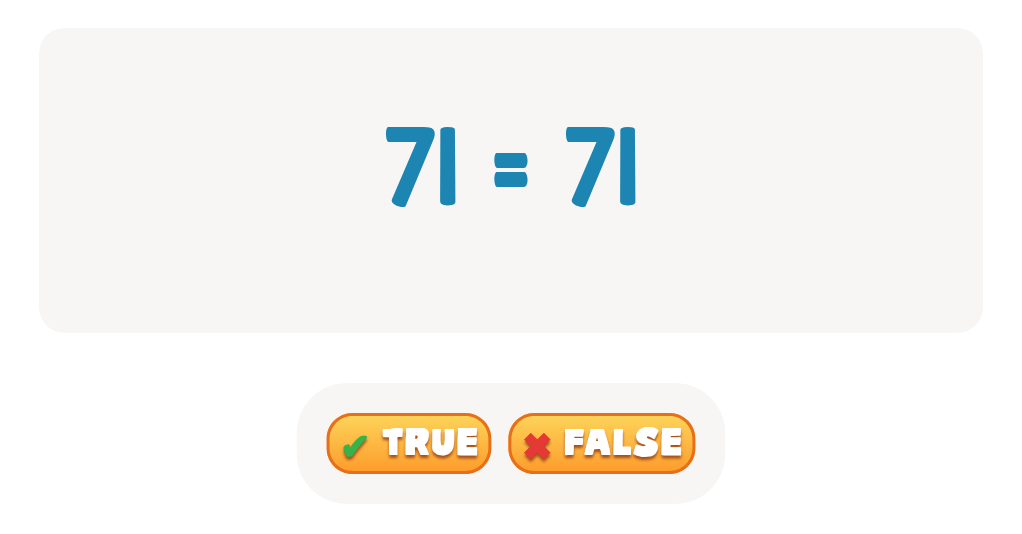
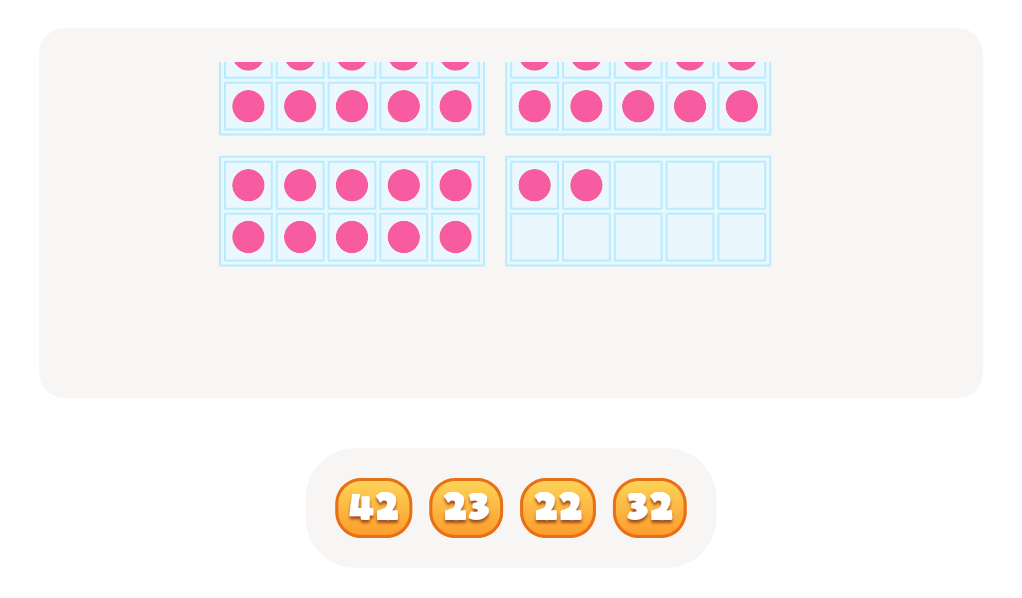
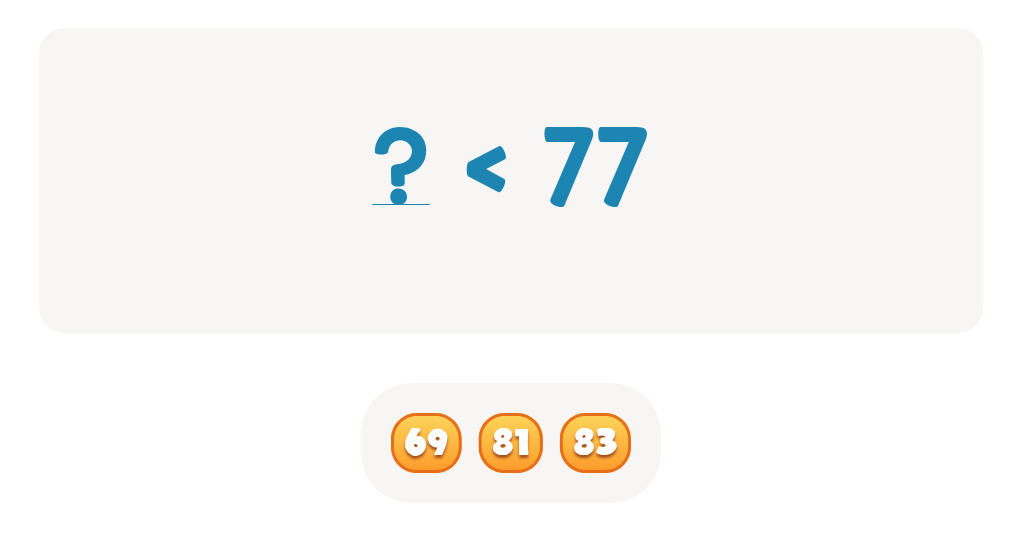
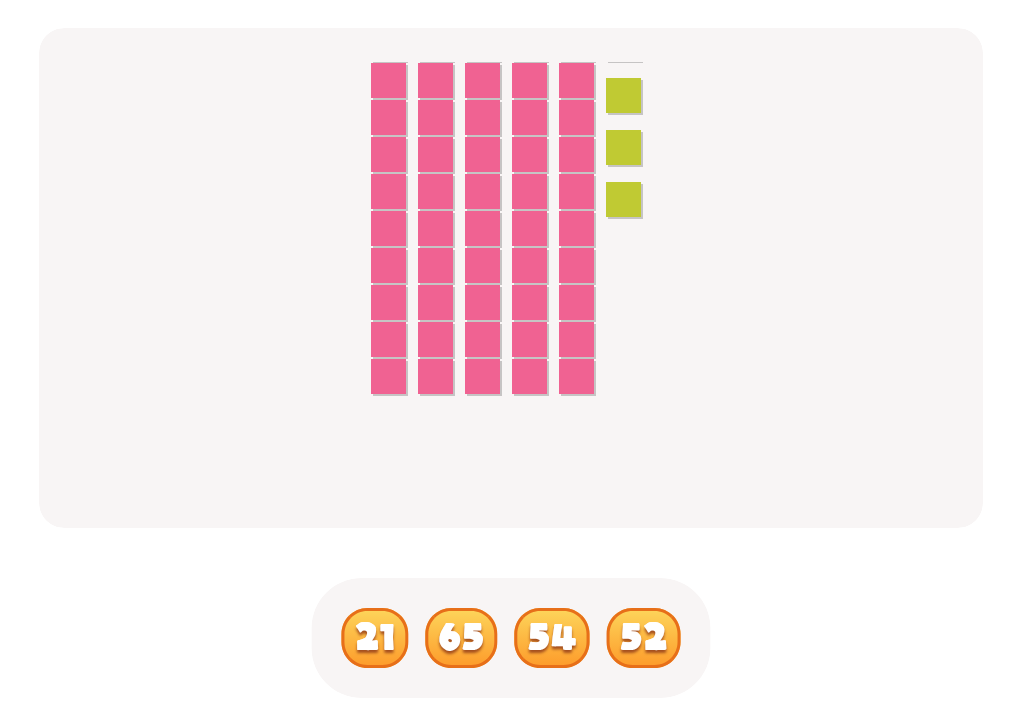
Free Place Value Worksheet
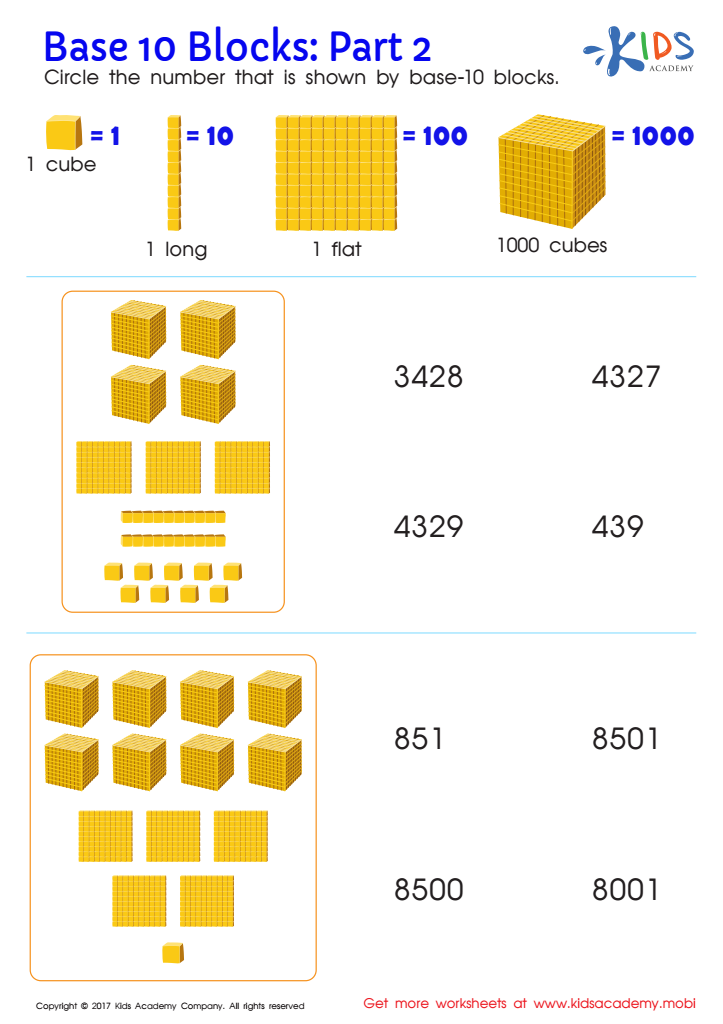
Place Value Worksheet: Thousands








Understanding place value is a fundamental building block in mathematics, especially for children aged 5-8. For parents and teachers, recognizing the significance of this concept is crucial for several reasons. Firstly, mastering place value helps children grasp how our number system works. It provides insight into why the number 24 differs from 42, fostering critical thinking skills as they analyze quantities.
A sound understanding of place values aids in the development of essential arithmetic skills, laying the foundation for more complex math concepts like addition, subtraction, multiplication, and division. When children learn to identify the value of digits based on their positions, they can effectively compare and order numbers.
Additionally, place value helps build confidence in young learners. When students recognize patterns and structures within numbers, they can approach math problems with assurance and a positive mindset. Such confidence is key in motivating them as they progress in their education.
Furthermore, understanding place value nurtures analytical thinking, preparing students not only for more advanced mathematics but also for real-life skills involving money, measurement, and data interpretation. Both parents and teachers play a vital role in cultivating this foundational knowledge, ensuring children are equipped for future success.