Vocabulary Building Extra Challenge Building Vocabulary Worksheets for Ages 5-8
3 filtered results
-
From - To
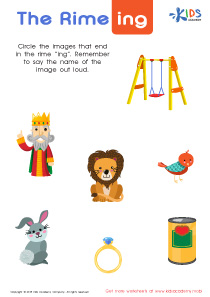
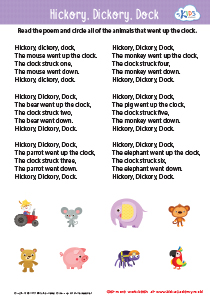
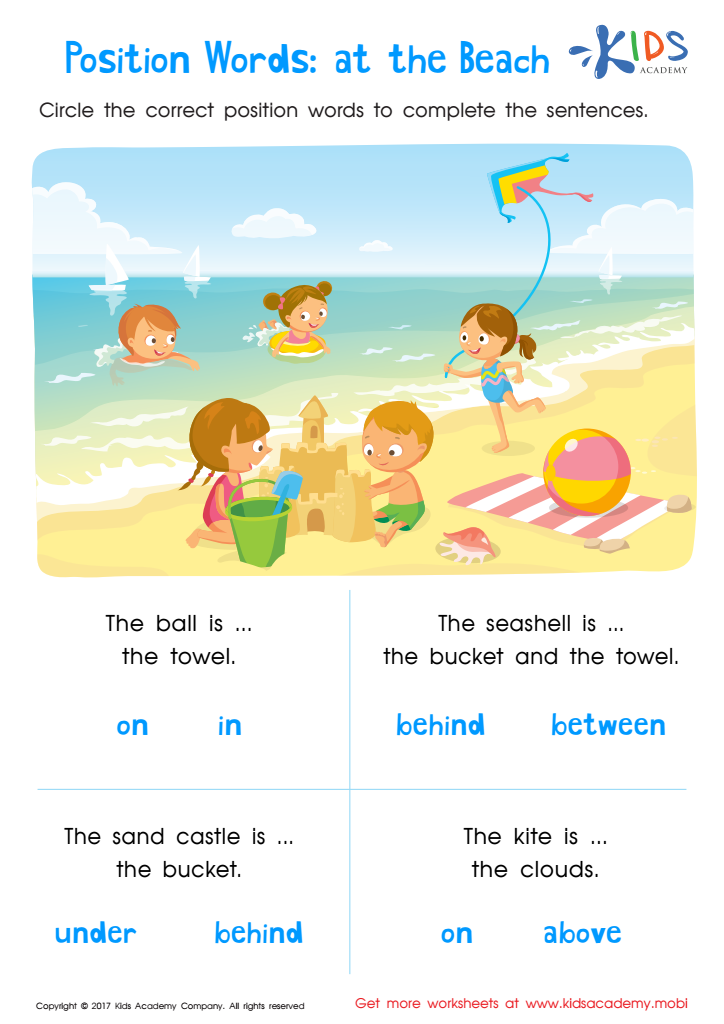
Unlock your child's potential with our "Vocabulary Building Extra Challenge Worksheets" designed specifically for ages 5-8! These engaging and interactive worksheets provide a fun way for young learners to expand their vocabulary while reinforcing language skills. Featuring a variety of exercises, including word matching, fill-in-the-blanks, and fun puzzles, these activities challenge students to think critically and express themselves creatively. Each worksheet is carefully crafted to enhance comprehension, retention, and overall confidence in reading. Ideal for classroom use or home practice, our vocabulary worksheets are perfect for parents and educators seeking to give children a head start in literacy. Let the learning begin!
 Assign to My Students











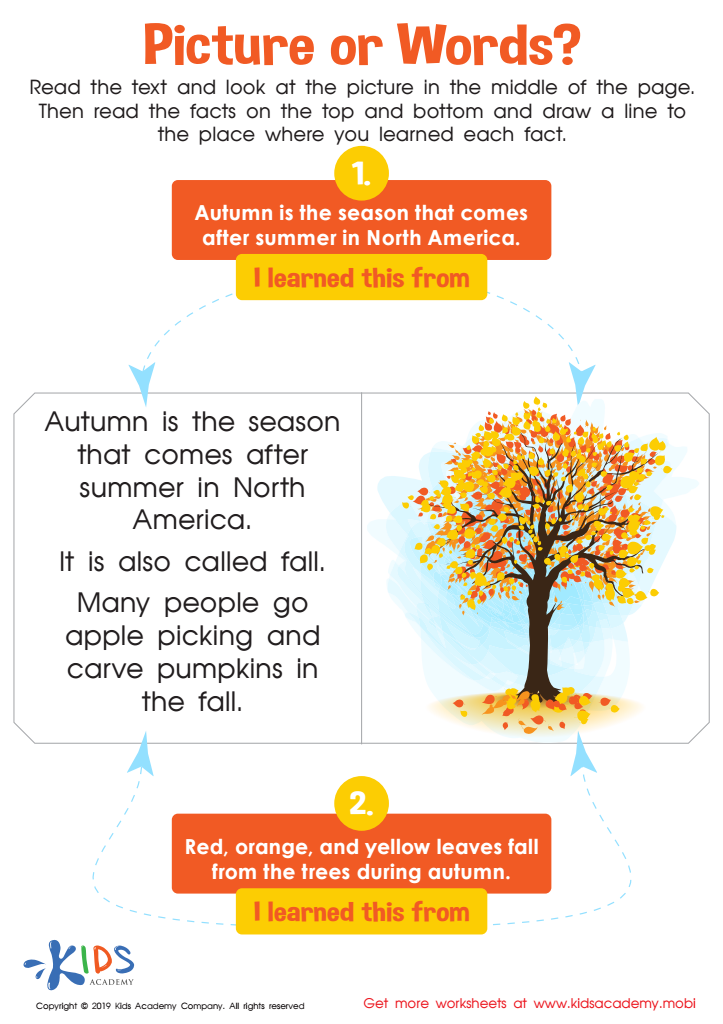
Picture Words Worksheet
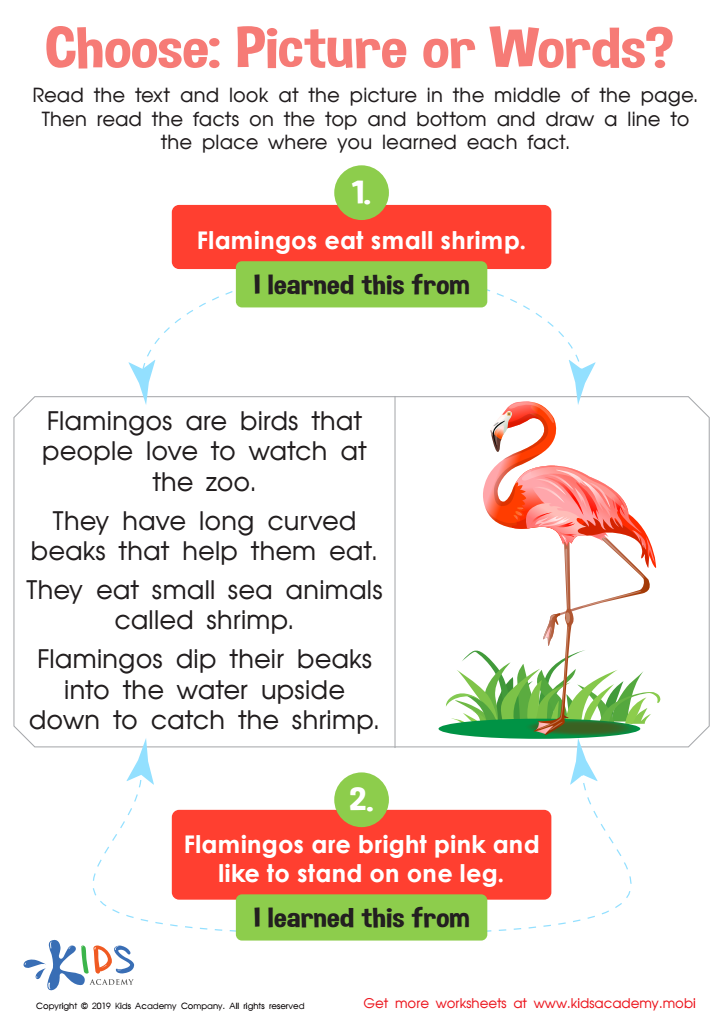
Choose Picture Words Worksheet






.jpg)

Vocabulary building is crucial for children aged 5-8, as it forms the foundation for effective communication, reading comprehension, and academic success. During these formative years, children are rapidly absorbing language and begin to express themselves more articulately. Developing a robust vocabulary enables them to better articulate their thoughts, understand instructions, and engage with peers, fostering relationships and improving social skills.
Parents and teachers should care about vocabulary-building challenges because they offer structured opportunities for children to learn new words in an engaging way. These challenges can serve as fun activities that inspire a love for language, making learning feel like play rather than work. Integrating vocabulary lessons into daily routine, such as through storytelling or interactive games, can reinforce word usage in context, enhancing retention and comprehension.
Moreover, a strong vocabulary is directly linked to reading proficiency, a critical skill that influences future academic achievement. The ability to understand and analyze information varies with vocabulary size, impacting students' performance across all subjects. By prioritizing vocabulary building from an early age, parents and teachers equip children with essential tools for lifelong learning, empowering them to succeed both in school and beyond.