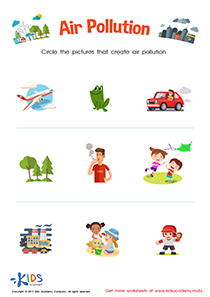
Extra Challenge History Worksheets for Ages 5-8
3 filtered results
-
From - To
Unlock the wonders of the past with our "Extra Challenge History Worksheets for Ages 5-8." Designed to inspire young minds, these engaging and educational printables dive into essential historical topics, making learning fun and interactive. Each worksheet is crafted to challenge budding historians with age-appropriate activities, fostering critical thinking and curiosity about the world’s significant events and figures. Perfect for enhancing classroom learning or at-home study, our worksheets provide a foundation in history that kids will love. Explore our diverse range today and ignite a lifelong passion for history in your young learner!
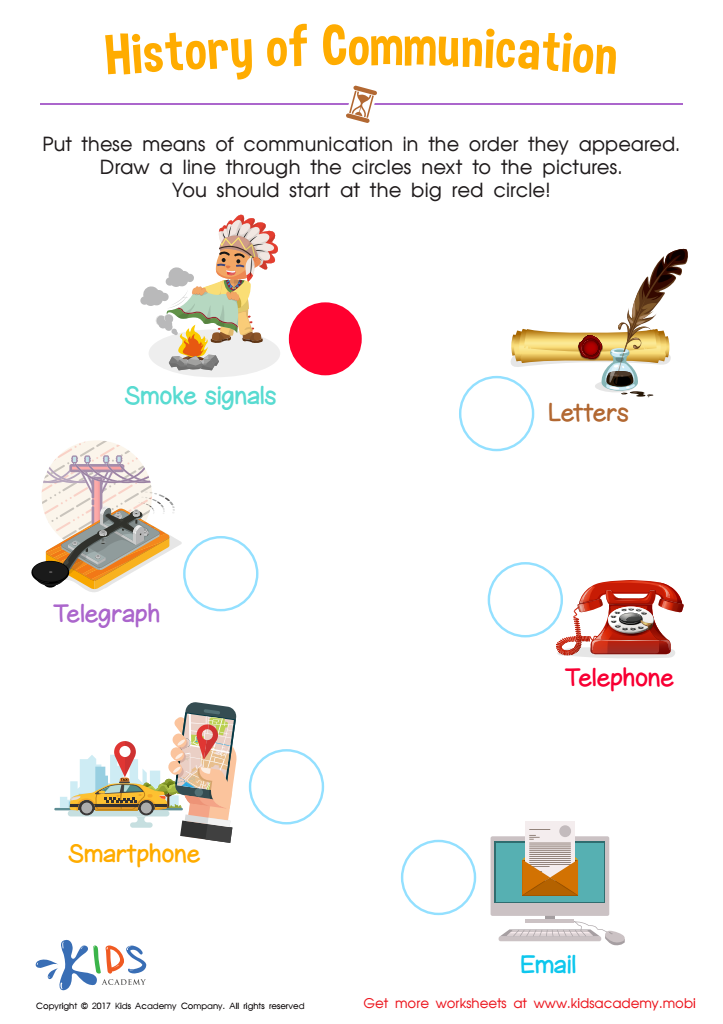
History of Communication Worksheet
 Assign to My Students
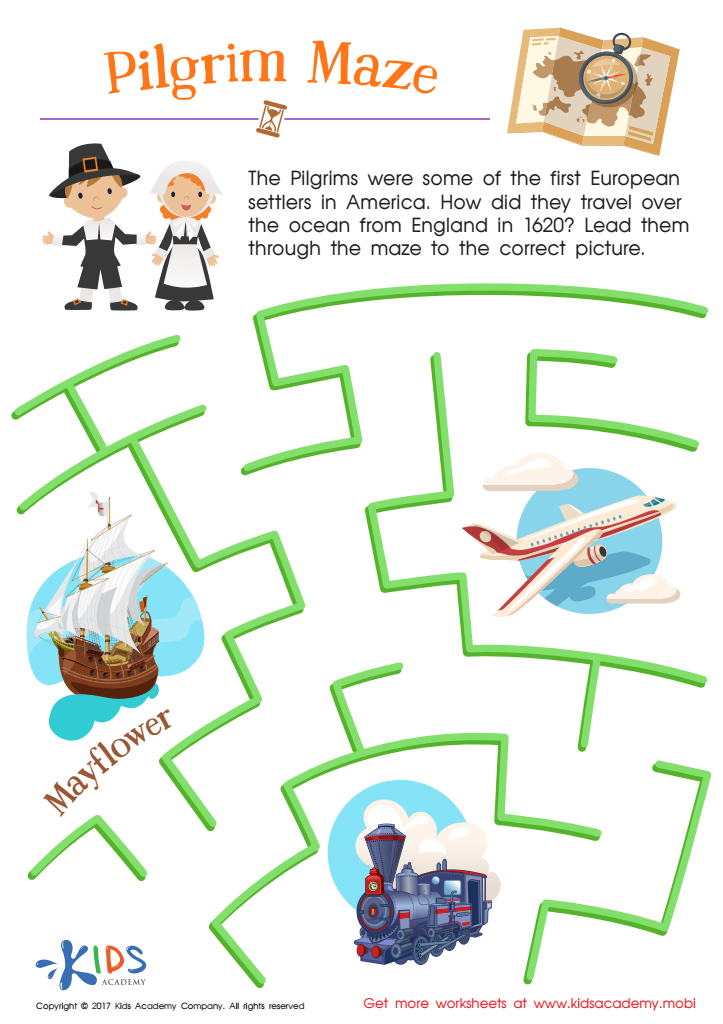
Pilgrim Maze Worksheet
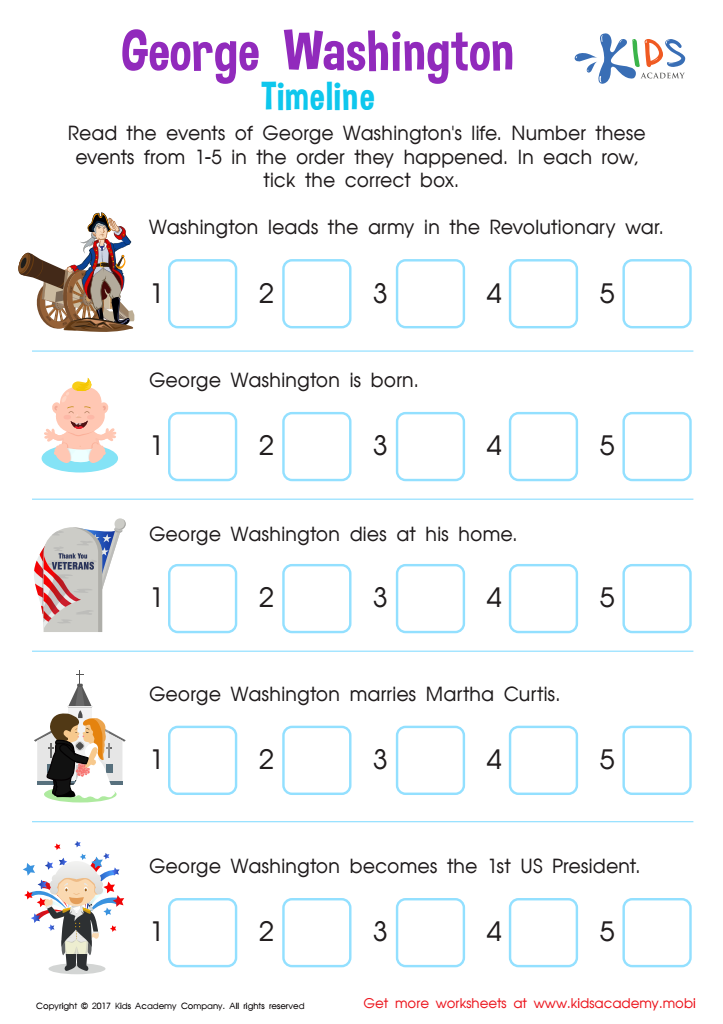
George Washington Timeline Worksheet




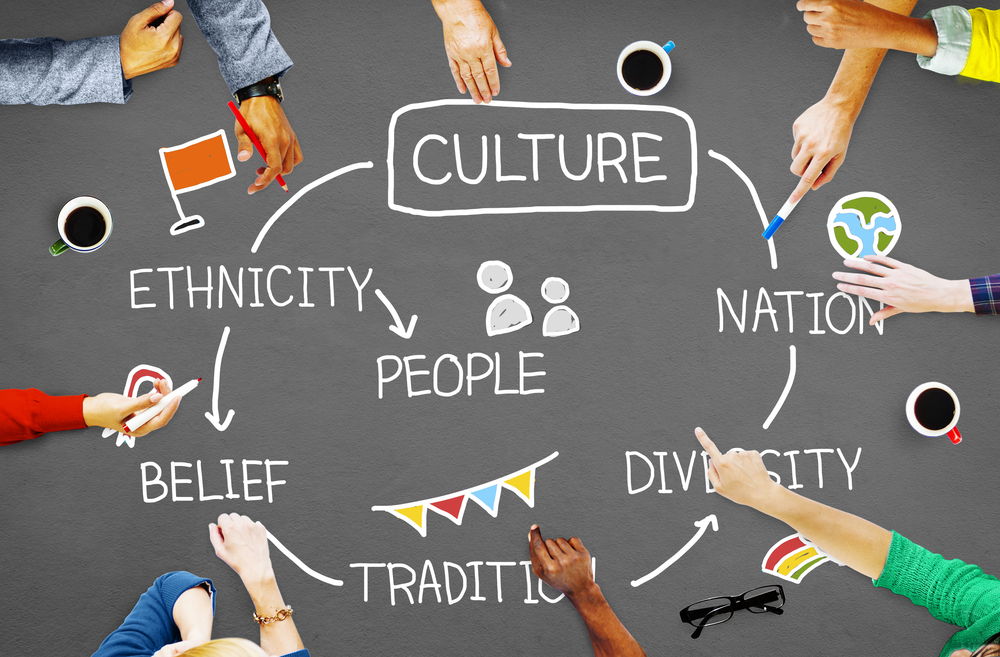


Parents and teachers should care about Extra Challenge History for ages 5-8 because it lays a foundational curiosity and appreciation for learning about the past. At this impressionable age, children are eager to learn and stories of past events can captivate their imaginations. Engaging with history encourages critical thinking, helps children understand cultural diversity, and promotes empathy by putting themselves in others' shoes.
Introducing history in a fun and accessible way helps children see the relevance of the past to their own lives. It can nurture a love of stories, context, and understanding of cause and effect. By exploring diverse historical figures and events, children learn valuable life lessons about resilience, creativity, and problem-solving.
Early engagement with history supports cognitive development by teaching children to analyze information, recognize patterns, and understand chronological order. It's also an excellent way to develop language skills through storytelling, conversations, and discussing historical events.
Ultimately, learning about history through extra challenges fosters a lifelong curiosity and respect for different cultures and viewpoints. It prepares children to be well-rounded individuals, fostering a broader understanding of the world they live in and the diverse community they are part of. What's more, instilling these values early on can contribute to their overall academic success and social development.