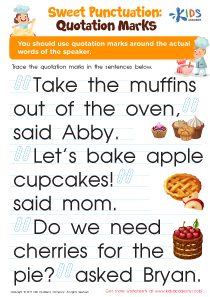
Logical thinking Extra Challenge Grammar Worksheets for Ages 5-8
3 filtered results
-
From - To
Enhance your child's critical thinking and language skills with our "Logical Thinking Extra Challenge Grammar Worksheets for Ages 5-8". Curated to engage young minds, these worksheets blend grammar practice with logical puzzles, ensuring a fun and effective learning experience. Each activity encourages children to think critically, solve problems, and improve their grasp of grammar in a captivating way. Perfect for home or classroom use, these exercises are designed to build essential skills in a playful and stimulating environment. Give your child a head start in both logical reasoning and grammar proficiency with these innovative worksheets!
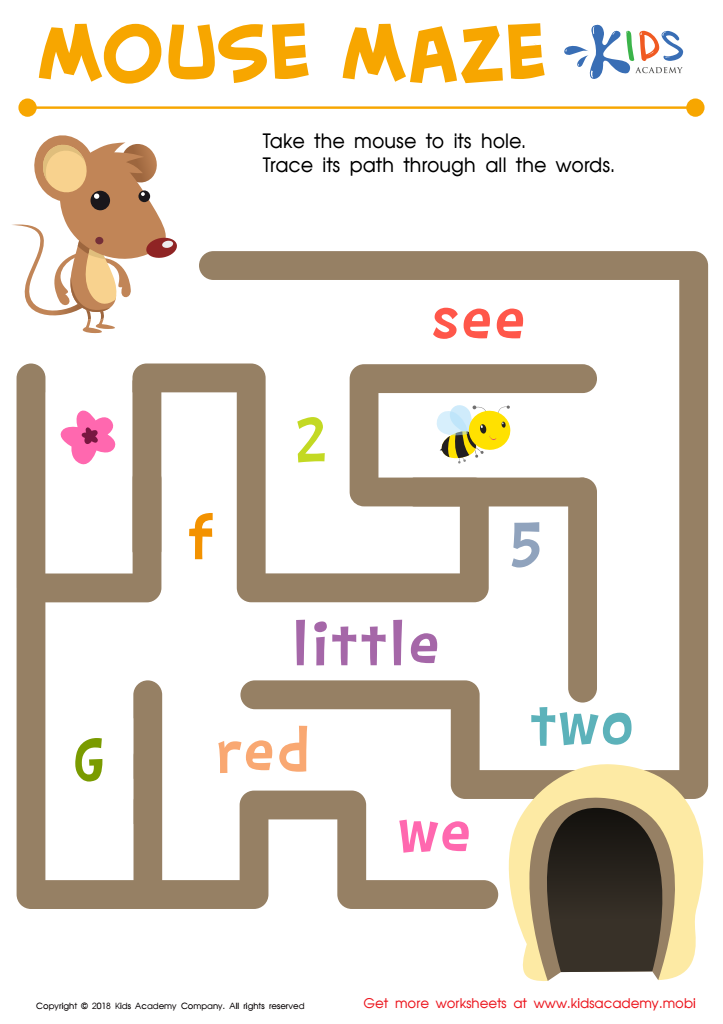
Find Words Mouse Maze Worksheet
 Assign to My Students
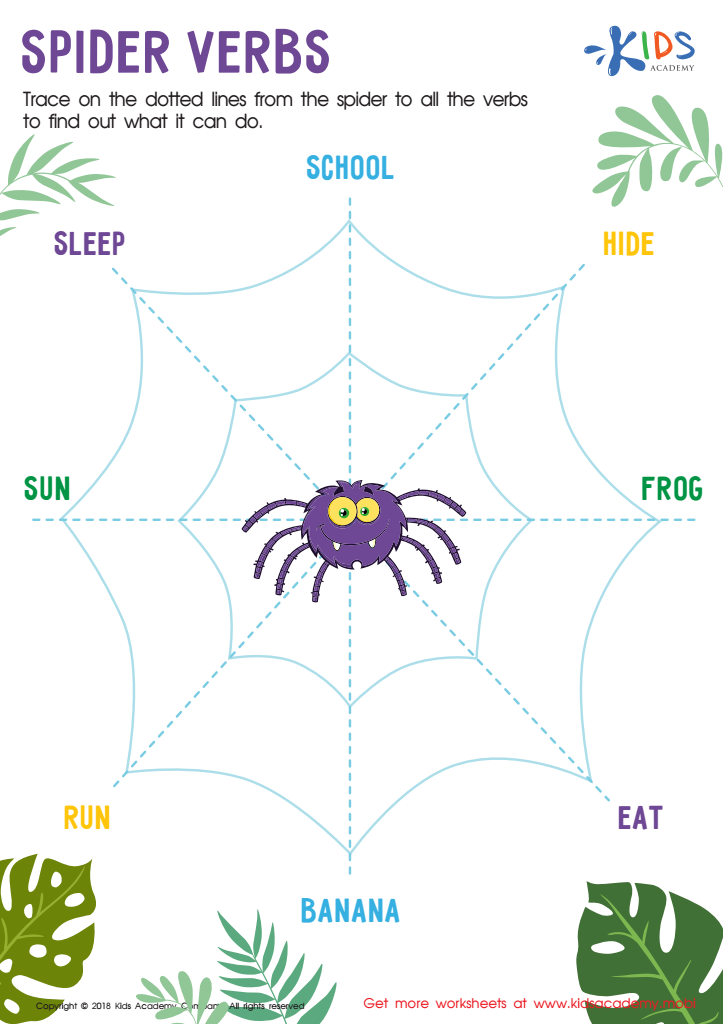
Spider Verbs Worksheet
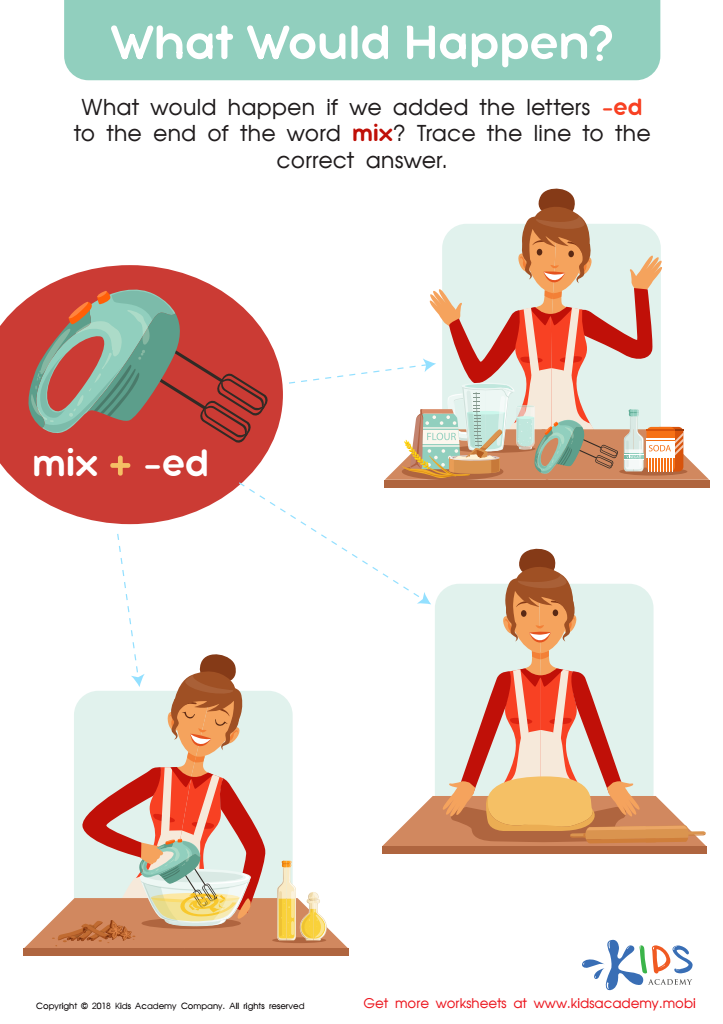
What Would Happen? Worksheet








Parents and teachers should prioritize Logical Thinking Extra Challenge Grammar activities for children aged 5-8 to foster essential cognitive and language skills early in their development. Logical thinking challenges help young minds cultivate problem-solving abilities, critical for future academic success and everyday decision-making. Engaging youngsters in activities that require pattern recognition, sequencing, and categorization enhances their ability to think systematically and approach tasks methodically.
Grammar exercises are equally important for this age group as they lay the foundation for effective communication. Understanding syntax, sentence structure, and vocabulary isn't just about language proficiency; it's about enabling children to clearly express their ideas, understand instructions, and engage meaningfully with peers and adults. Enhancing grammar at an early age contributes to literacy skills, aiding in reading comprehension and writing capabilities.
Combining logic and grammar challenges promotes holistic brain development—merging analytical skills with language acuity. These activities encourage a blend of left and right brain functions, involving both creative and analytical thought processes. In a playful manner, these tasks can be incorporated into daily routines, steadily reinforcing cognitive skills through fun, engaging exercises. Thus, such an integrated approach builds a strong foundation for lifelong learning and empowers children to navigate various academic and social scenarios with confidence and competence.