Alphabet Recognition Extra Challenge ABC Letters Worksheets for Ages 5-9
3 filtered results
-
From - To
Enhance your child's alphabet mastery with our "Alphabet Recognition Extra Challenge ABC Letters Worksheets" tailored for ages 5-9. These engaging worksheets are designed to make learning fun and effective, encouraging young learners to recognize, identify, and write each letter of the alphabet with confidence. Packed with exciting activities, these worksheets not only strengthen alphabet knowledge but also boost critical skills such as attention to detail, fine motor coordination, and visual memory. Perfect for both classroom and at-home use, our challenging yet enjoyable worksheets stimulate young minds, making the journey to alphabet recognition an enjoyable adventure.
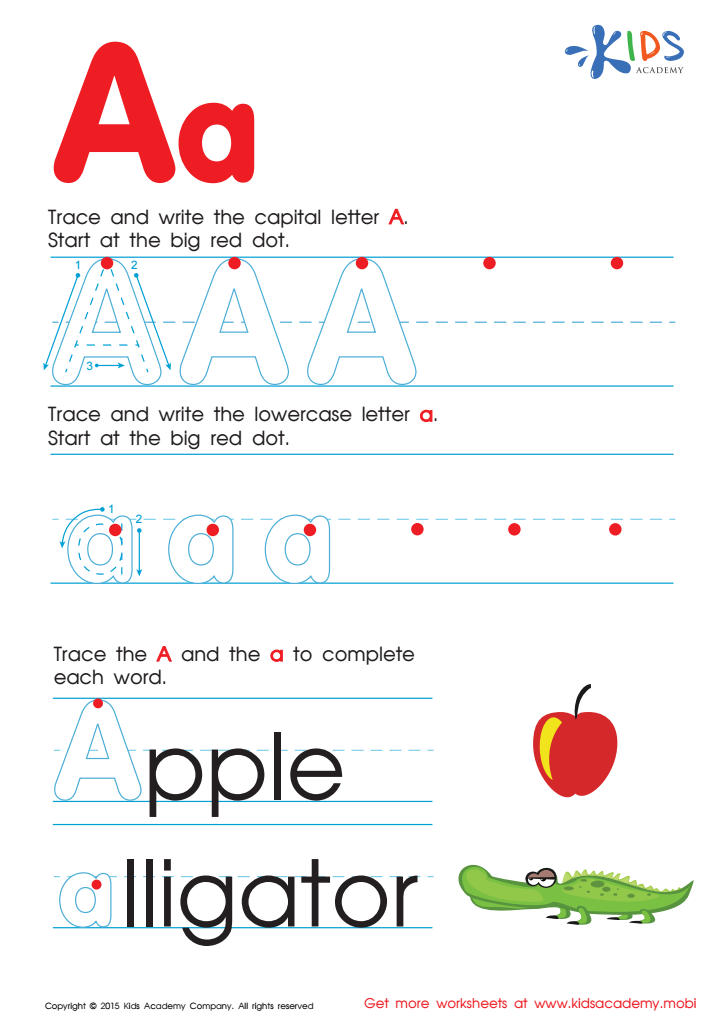
Letter A Tracing Page
 Assign to My Students


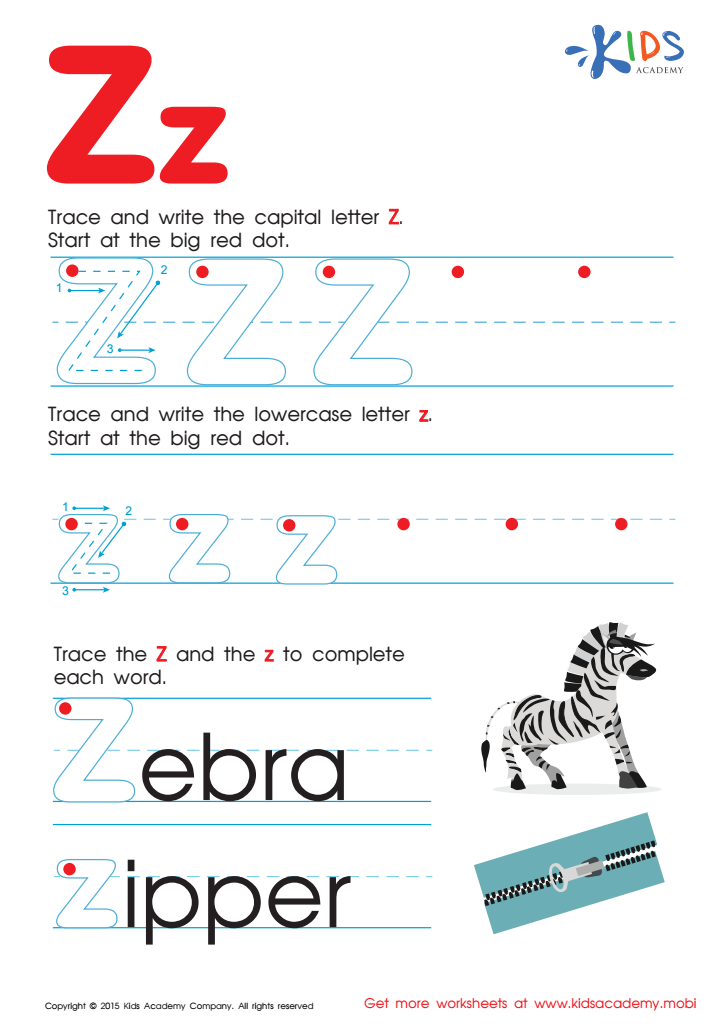
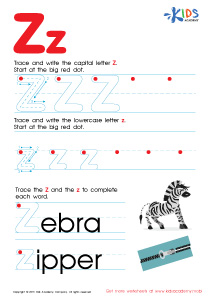
Letter Z Tracing Page
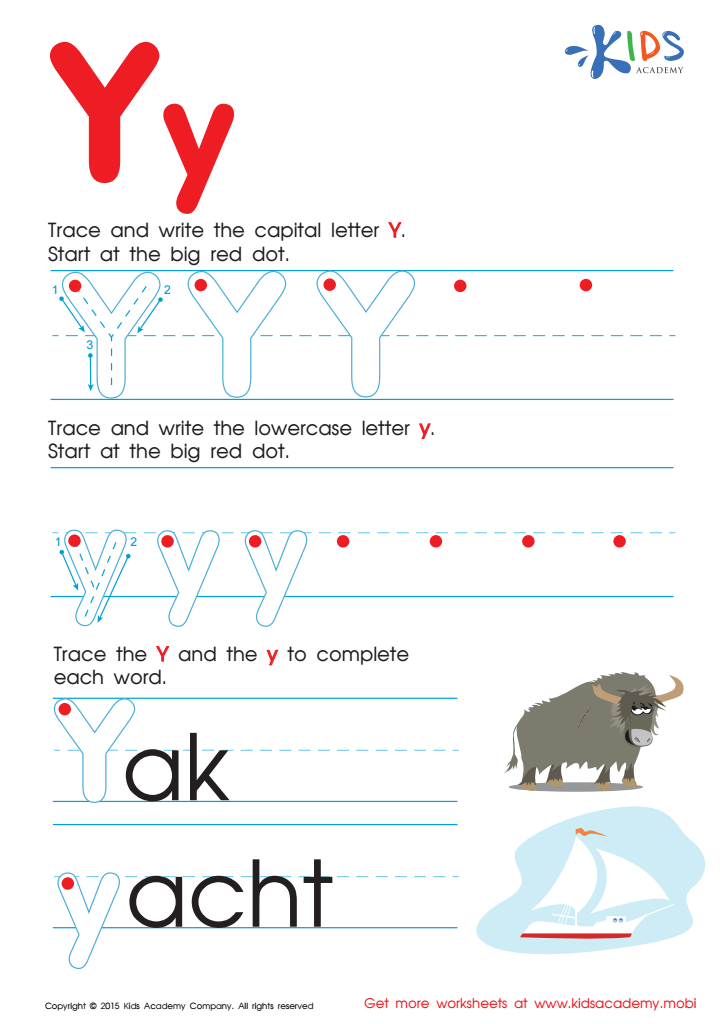
Letter Y Tracing Page







Alphabet recognition is a foundational skill in early childhood education, and an Alphabet Recognition Extra Challenge designed for ages 5-9 holds significant importance for both parents and teachers. First and foremost, mastering the alphabet is a crucial step toward literacy. Early proficiency in recognizing letters can accelerate children's reading, writing, and comprehension abilities, making future learning experiences smoother and more enjoyable.
For parents, engaging their children with alphabet challenges promotes at-home learning and reinforces what is taught in school. These activities can be a fun and interactive way to encourage a love for learning, enhance bonding, and monitor their children's progress. Moreover, recognizing letters in various contexts helps in refining visual discrimination skills, which are essential in distinguishing between different letters and words.
Teachers benefit from including such challenges in their curriculum because they provide an opportunity for differentiated instruction. Alphabet challenges can cater to different learning styles and paces, ensuring that each child receives the appropriate level of challenge. These activities can also be used as informal assessments to identify children who may need additional support.
In summary, Alphabet Recognition Extra Challenges are key in developing essential reading and writing skills, fostering parental involvement in educational activities, and allowing teachers to tailor instruction to meet individual student needs.