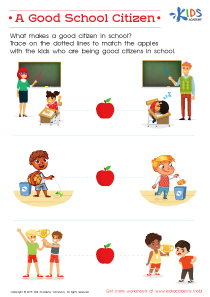
Vocabulary expansion Extra Challenge Social Studies Worksheets for Ages 5-9
5 filtered results
-
From - To
Discover our Vocabulary Expansion Extra Challenge Social Studies Worksheets, designed for ages 5-9! These engaging worksheets seamlessly blend social studies concepts with vocabulary development, encouraging young learners to explore new words while gaining a deeper understanding of the world around them. With a variety of activities tailored to different learning levels, children will enhance their language skills and critical thinking abilities. Perfect for classroom use or at-home learning, our fun and interactive worksheets foster curiosity about history, geography, and communities. Empower students with the tools they need to thrive both linguistically and intellectually as they embark on their educational journey!
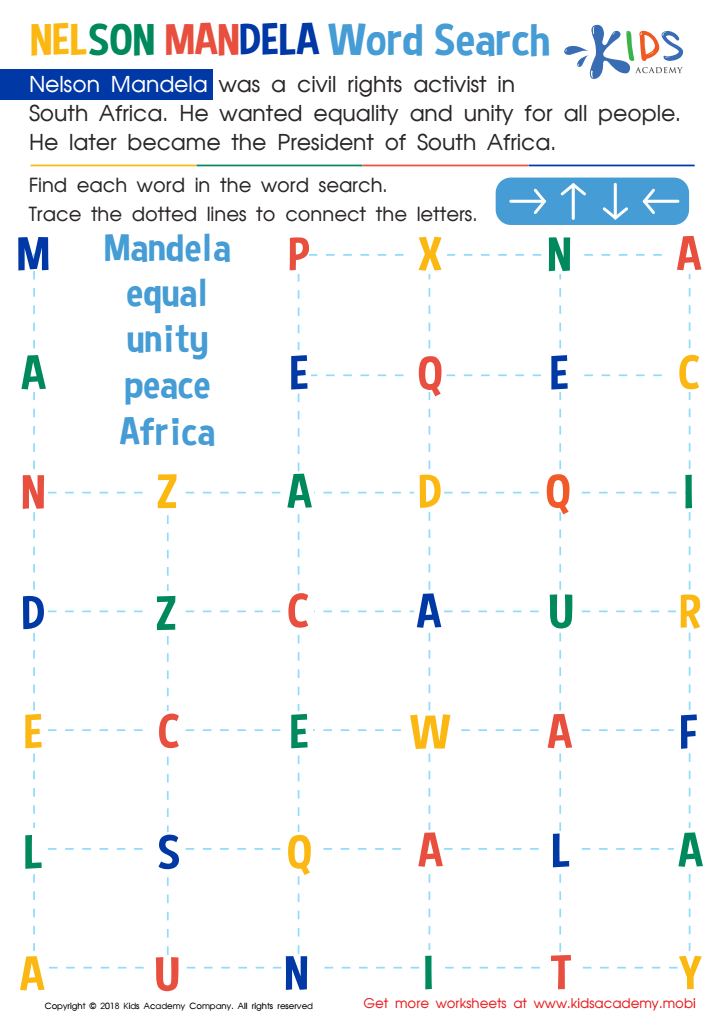
Nelson Mandela Word Search Worksheet
 Assign to My Students
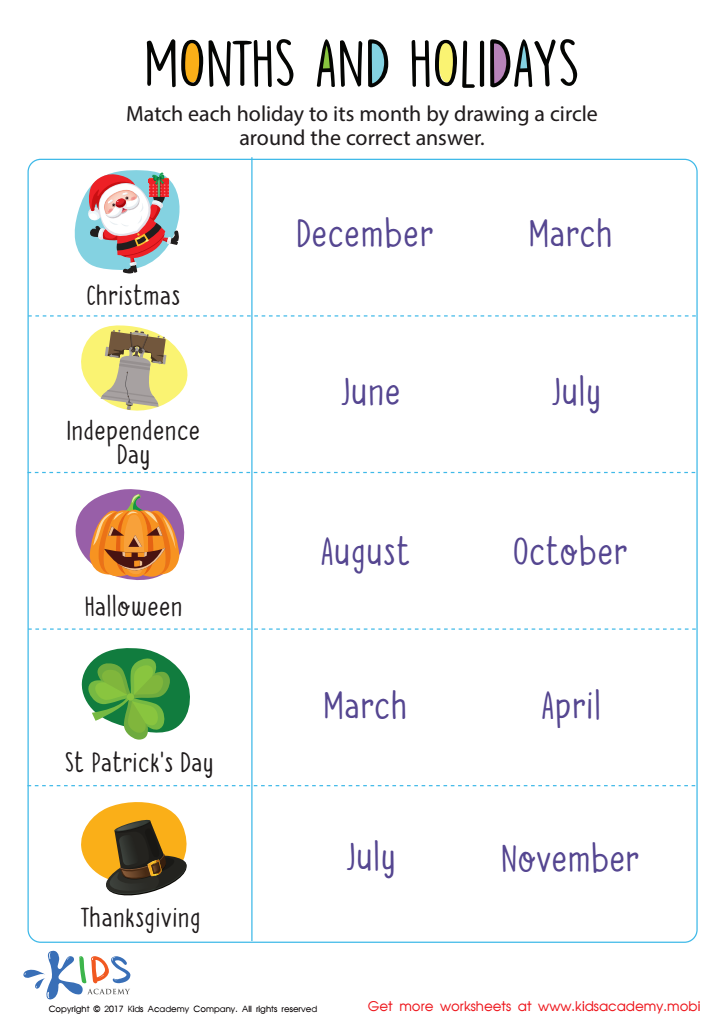
Months and Holidays Worksheet
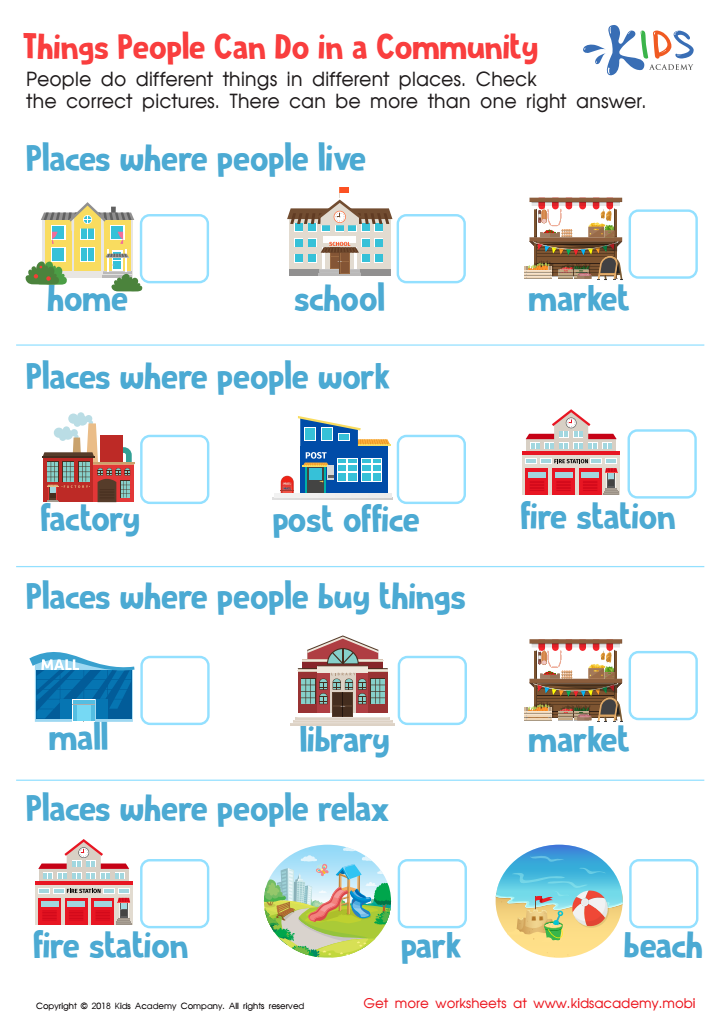
Things People Can Do in a Community Worksheet

Great Wall of China Worksheet
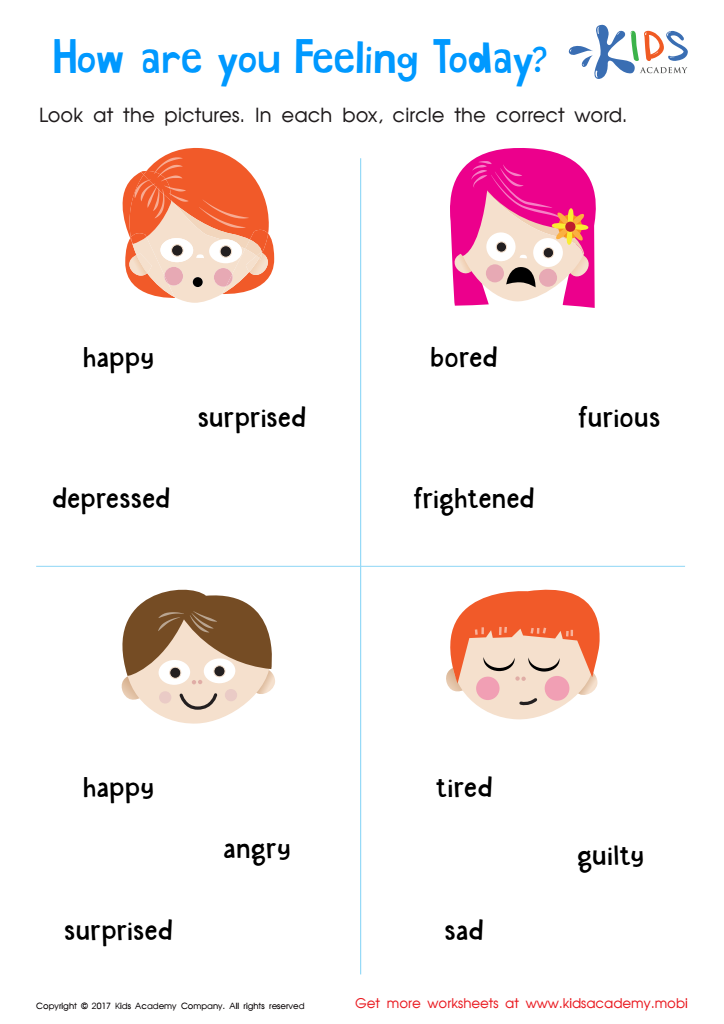
Understanding Feelings Worksheet








Vocabulary expansion is crucial for children aged 5-9, especially within the realm of Social Studies. During these formative years, children are developing their language skills, and an enriched vocabulary significantly enhances their ability to comprehend and express ideas about the world around them.
Understanding social studies concepts—such as community, citizenship, and diverse cultures—relies heavily on a child's ability to grasp related vocabulary. New words form a bridge to deeper understanding, allowing children to engage more fully with social issues and narratives. Parents and teachers play an essential role in providing opportunities for vocabulary learning, as this foundation not only supports academic achievement but also promotes critical thinking and communication skills.
Furthermore, expanding vocabulary fosters greater empathy and connection to others’ experiences. As children learn about different cultures and perspectives, their vocabulary helps them articulate questions and opinions, enriching classroom discussions and encouraging a sense of belonging in their classrooms and communities.
Incorporating vocabulary expansion into Social Studies helps create informed, compassionate, and capable citizens. By emphasizing this aspect, educators and parents ensure that children are better equipped to navigate and engage with a diverse world, ultimately leading to more meaningful educational experiences and social interactions.