Vocabulary development Extra Challenge Writing Worksheets for Ages 5-9
3 filtered results
-
From - To
Unlock your child's potential with our Vocabulary Development Extra Challenge Writing Worksheets for ages 5-9! Designed to enhance reading and writing skills, these engaging worksheets present fun, thought-provoking activities that encourage children to explore new words and use them in context. Each sheet is carefully crafted to challenge young learners, fostering creativity and boosting vocabulary retention. Ideal for both home and classroom use, these worksheets promote critical thinking and help children express themselves confidently. Whether your child is a budding writer or just beginning their learning journey, these extra challenge sheets provide the perfect platform for growth! Explore the fun today!
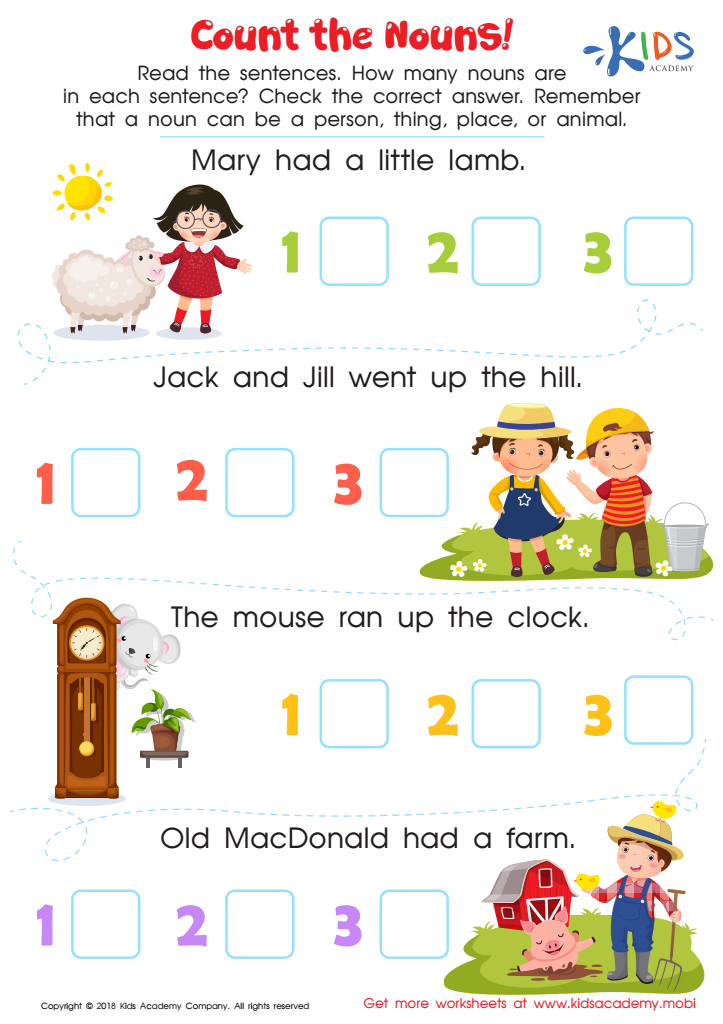
Count the Nouns Worksheet
 Assign to My Students
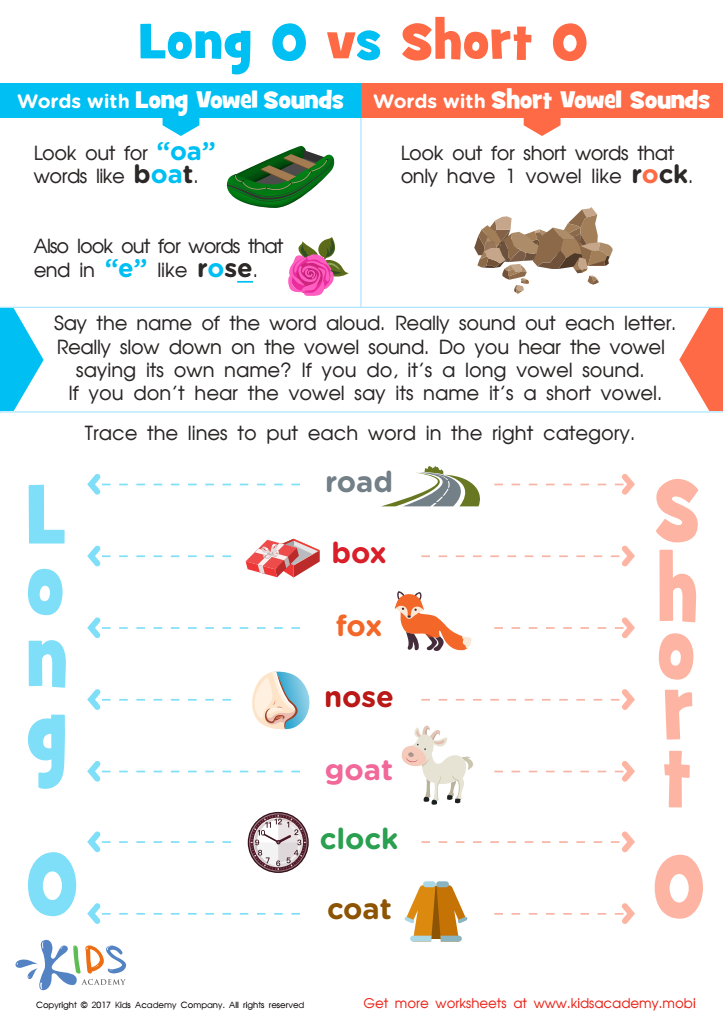
Long and Short Vowel O Spelling Worksheet
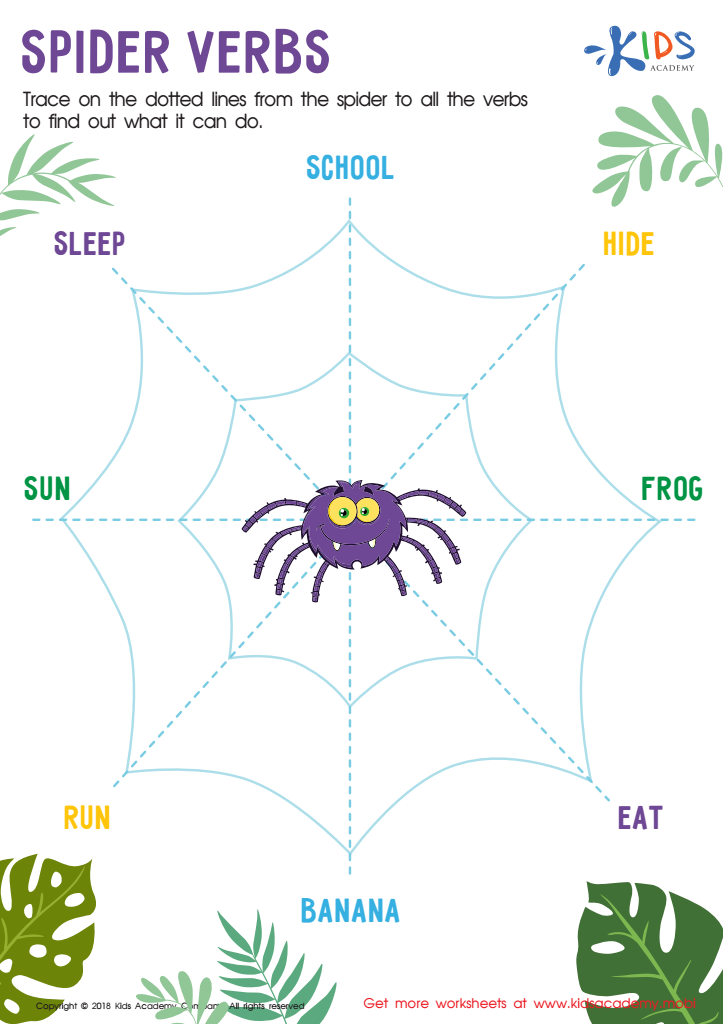
Spider Verbs Worksheet








Vocabulary development is crucial for children ages 5-9, as it lays the foundation for effective communication and literacy skills. Parents and teachers should prioritize this aspect of learning for several reasons.
Firstly, a strong vocabulary enhances comprehension. As children encounter diverse texts, a rich array of words equips them to understand and engage with complex ideas, fostering critical thinking. Moreover, an extensive vocabulary allows children to express themselves more articulately, boosting their confidence in speaking and writing.
Secondly, vocabulary is closely linked to academic success. Students with a robust vocabulary tend to perform better in reading and writing assessments. Building vocabulary early on can lead to increased enthusiasm for learning, as children feel more competent in their ability to understand and interact with new content.
Additionally, vocabulary development can positively influence social interactions. Children with a well-developed vocabulary are better equipped to communicate with peers and adults, enhancing collaboration and relationships.
Incorporating fun and engaging activities, such as games and storytelling, can further stimulate vocabulary learning. By fostering a love for words, caregivers can help children become lifelong learners, opening doors to countless opportunities in their academic and personal lives. Ultimately, prioritizing vocabulary development is an investment in a child's future success.