Alphabet Recognition Extra Challenge ABC Letters Worksheets for 5-Year-Olds
3 filtered results
-
From - To
Unlock your child's potential with our "Alphabet Recognition Extra Challenge ABC Letters Worksheets for 5-Year-Olds"! Designed to engage young learners, these dynamic worksheets focus on enhancing letter recognition through fun activities and challenging exercises. Each engaging worksheet provides opportunities for kids to identify, trace, and differentiate letters, reinforcing their understanding of the alphabet. Perfect for children who are ready to take their skills to the next level, these resources foster independence and confidence in reading readiness. Encourage your child's love for learning with these carefully crafted worksheets, supporting their literacy development as they embark on their exciting educational journey!
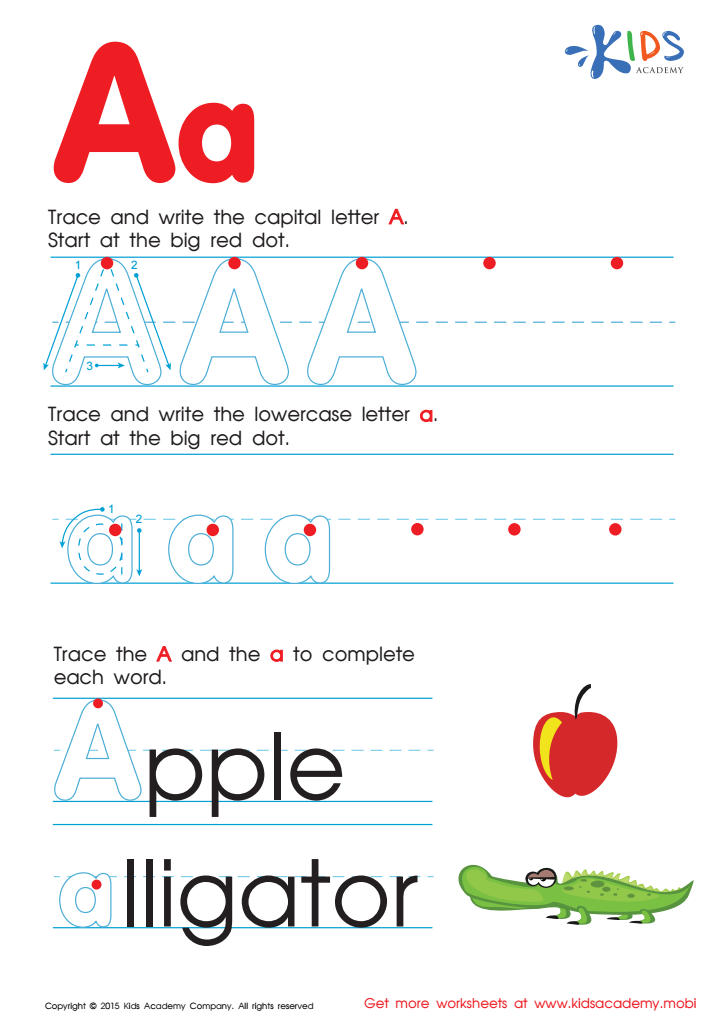
Letter A Tracing Page
 Assign to My Students







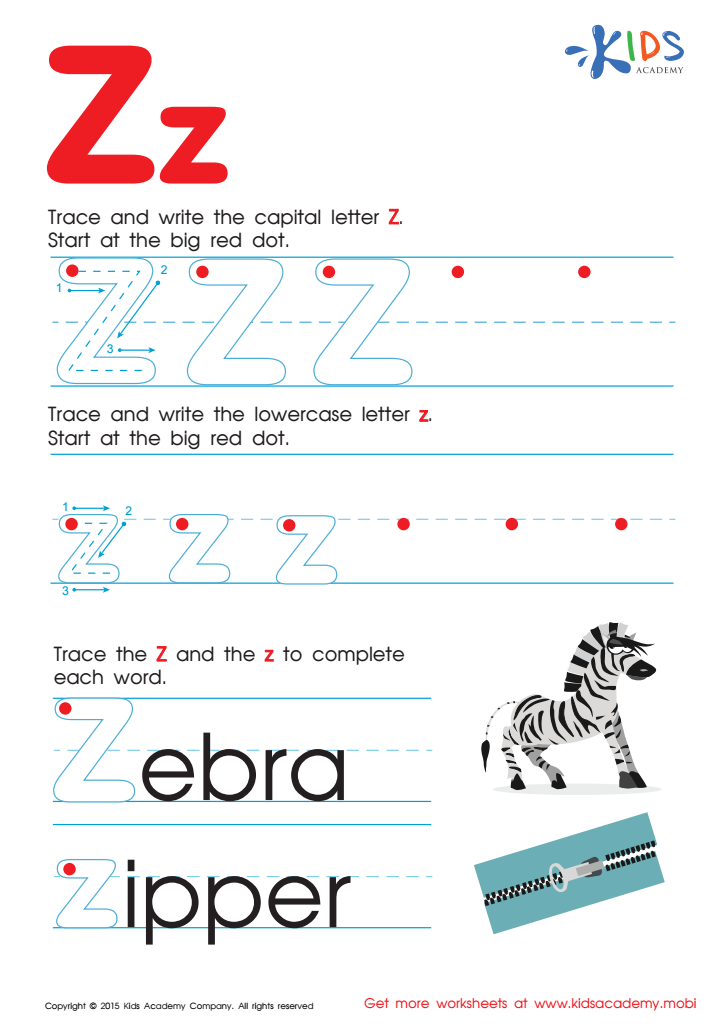
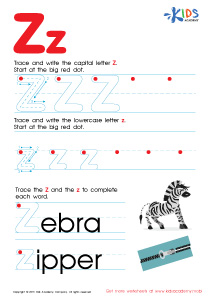
Letter Z Tracing Page
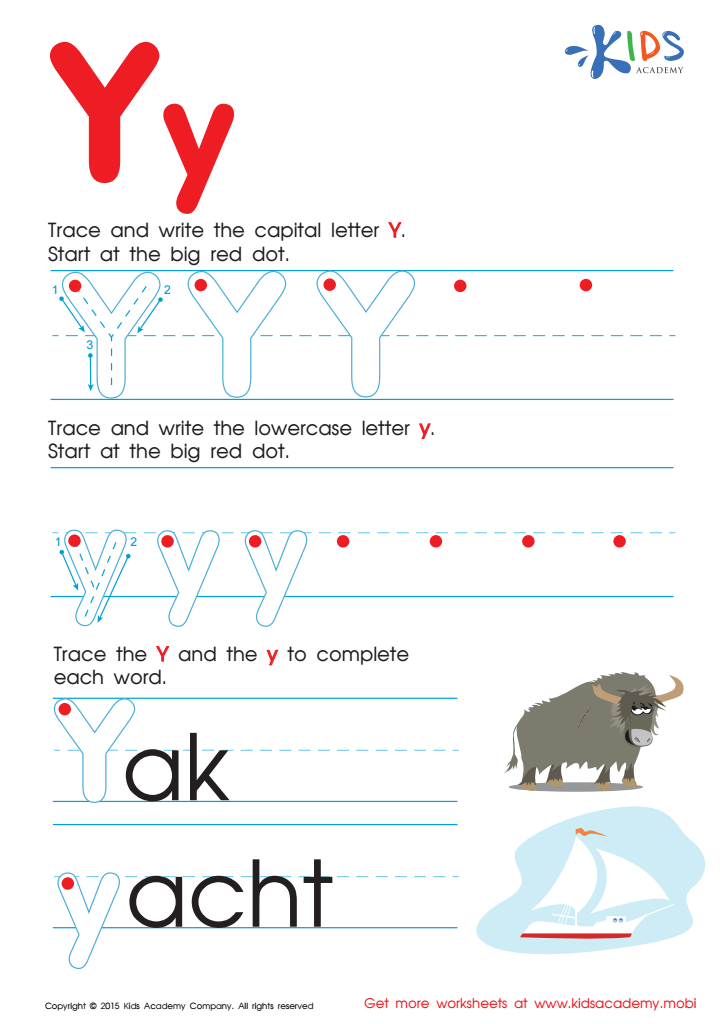
Letter Y Tracing Page







Alphabet recognition is a foundational skill for young children, particularly for 5-year-olds, as they embark on their literacy journey. Programs like the "Alphabet Recognition Extra Challenge ABC Letters" provide a structured, engaging way for children to learn and reinforce their understanding of letters.
Parents and teachers should care about this initiative because early mastery of the alphabet correlates strongly with later reading and writing success. Recognizing letters helps children decode words and understand phonics, crucial skills as they progress into reading more complex texts. The extra challenge aspect keeps learning exciting and caters to a range of learning styles, ensuring that all students, including those who may need additional support or prefer a more dynamic approach, can thrive.
Additionally, building a strong foundation in letter recognition enhances cognitive development and boosts self-confidence in young learners. As children meet challenges and playfully engage with letters, they cultivate a love for learning. Overall, initiatives such as these empower children to become proficient readers, setting them on a promising path for academic achievement and lifelong learning. By nurturing these skills early, parents and teachers significantly contribute to a child's educational success and personal growth.