Cognitive Development Extra Challenge Alphabet Worksheets for 5-Year-Olds
4 filtered results
-
From - To
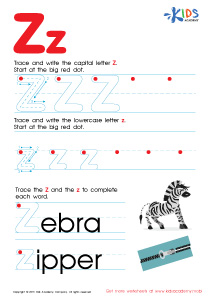
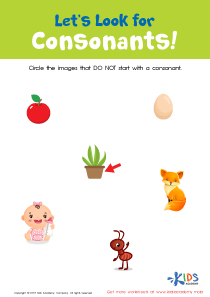
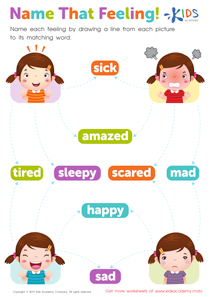
Engage your 5-year-old’s mind with our Cognitive Development Extra Challenge Alphabet Worksheets! Specifically crafted to advance your child’s alphabet mastery, these worksheets are an excellent tool for enhancing cognitive skills through fun, challenging activities. Each carefully designed sheet pushes young learners beyond simple letter recognition, promoting critical thinking, problem-solving, and fine motor skills. Whether matching letters, solving puzzles, or tracing intricate patterns, your child will gain confidence and thrive academically. Perfect for parents and educators aiming to provide an enriched learning experience, these worksheets make alphabet learning exciting and intellectually stimulating. Boost your child's cognitive growth today!
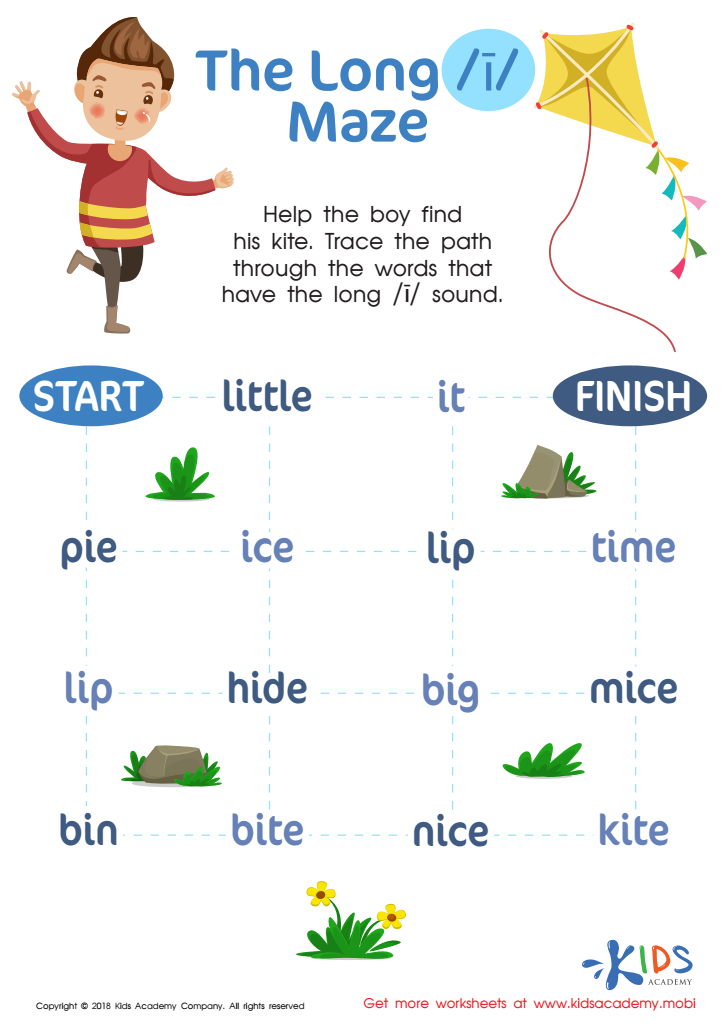
The Long I Maze Reading Worksheet
 Assign to My Students
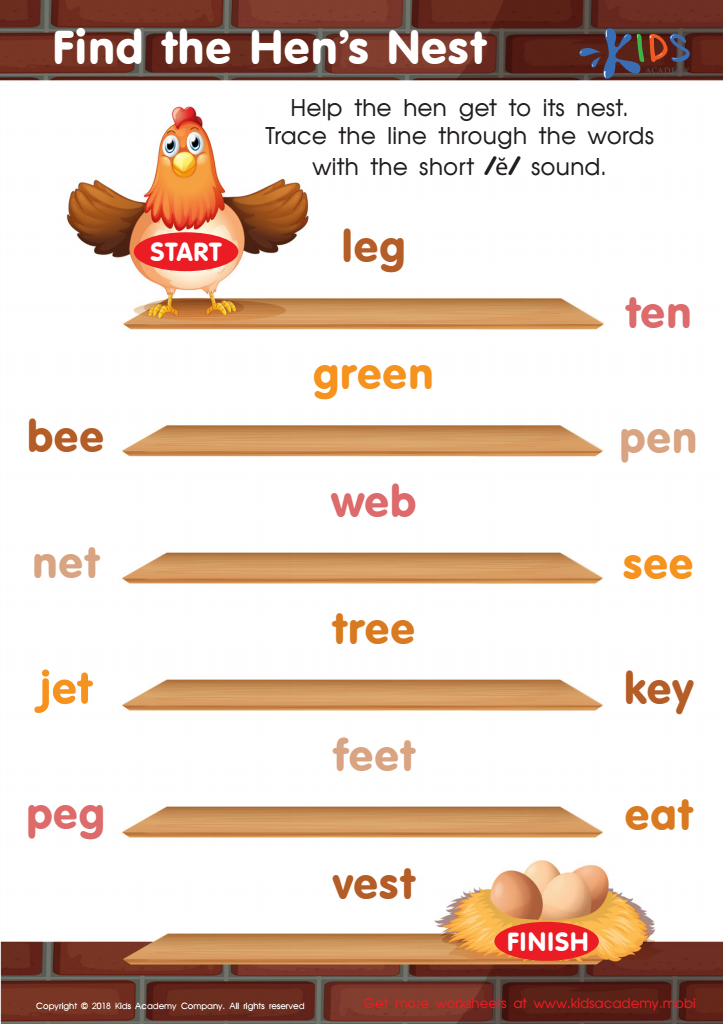
Find Hens Nest Reading Worksheet
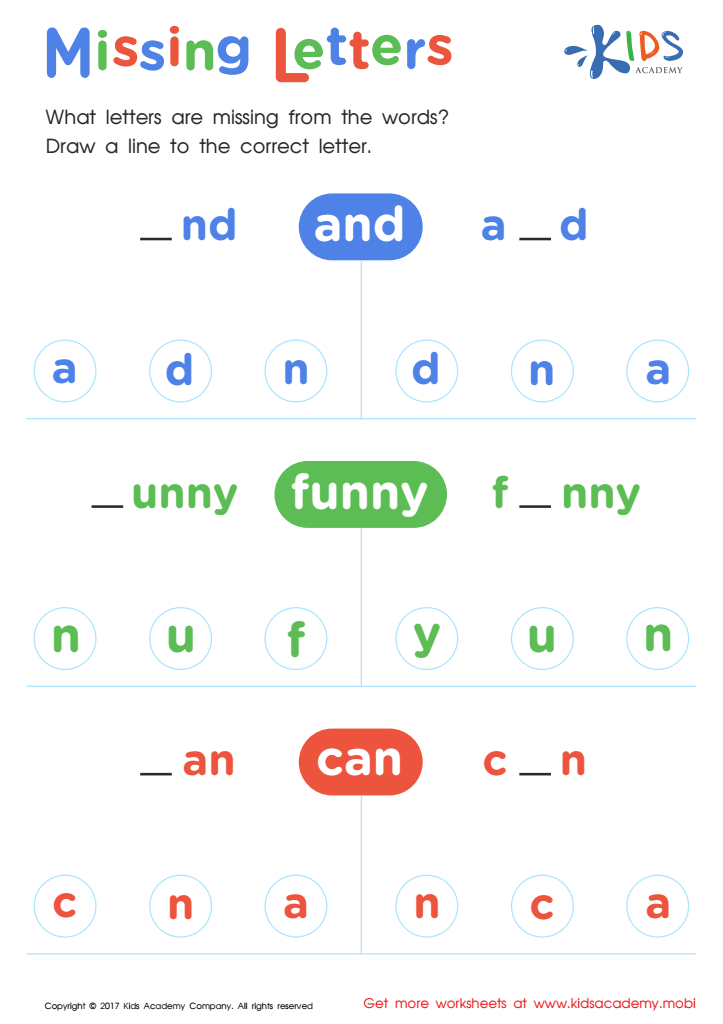
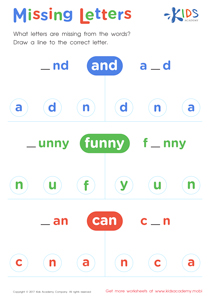
Missing Letters Worksheet
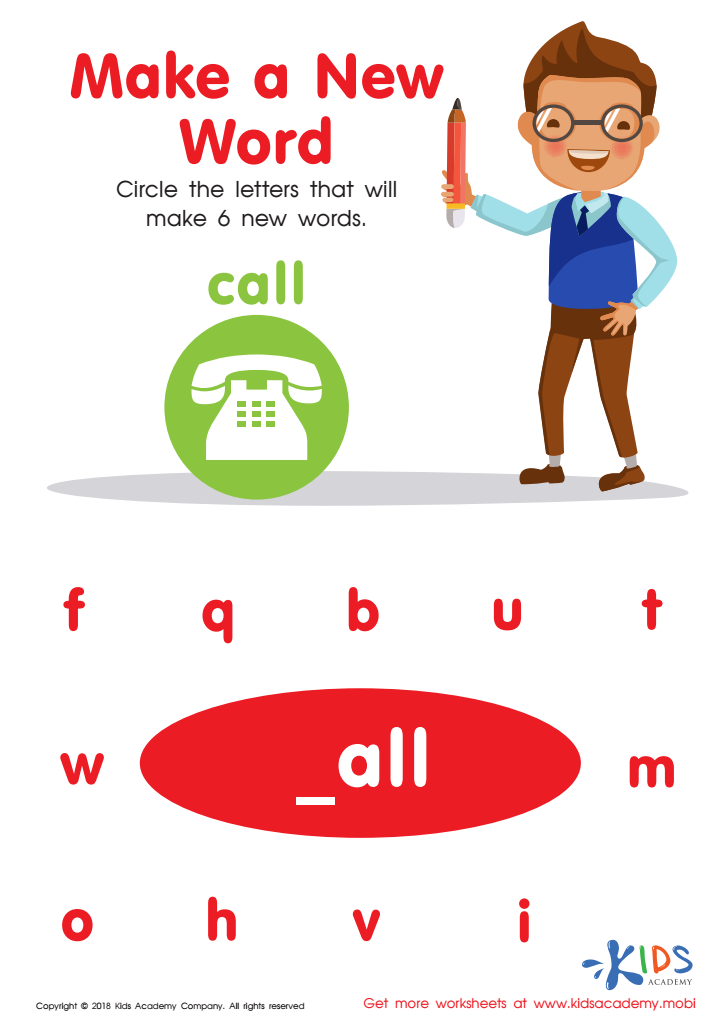
Make a New Word Worksheet





.jpg)


Parents and teachers should care about Cognitive Development Extra Challenge Alphabet activities for 5-year-olds because they are foundational in fostering essential early literacy and cognitive skills. At this age, children's brains are rapidly developing, making it a critical period for learning and growth. These activities can enhance several key cognitive areas, including memory, attention, and problem-solving abilities.
Engaging in alphabet-based challenges can strengthen a child's ability to recognize letters and sounds, which are essential building blocks for reading. Early literacy skills directly impact a child's future academic success and can foster a lifelong love of learning. Additionally, such activities promote fine motor skills through tracing and writing, aiding in hand-eye coordination.
These challenges can also enhance a child’s vocabulary and language skills as they learn new letters and words. Structured alphabet activities often require following instructions and developing strategies, which can boost their executive functioning skills—key for later complex tasks involving planning, flexibility, and memory.
Furthermore, these challenges can create engaging and enjoyable learning experiences that boost a child’s confidence and interest in school. Active parental or teacher involvement during these activities can nurture a stronger teacher-child or parent-child bond, offering emotional support that is equally critical to healthy development.