Fine Motor Skills Extra Challenge Letter Recognition Worksheets for 5-Year-Olds
7 filtered results
-
From - To
Introduce your 5-year-olds to an exciting learning adventure with the "Fine Motor Skills Extra Challenge Letter Recognition Worksheets!" These engaging printables are specially designed to help children recognize letters while honing their fine motor skills. Featuring a mix of tracing, coloring, and cutting activities, each worksheet offers a fun and challenging way for young learners to improve hand-eye coordination, pencil grip, and letter formation. Perfect for enhancing early literacy, our worksheets are a valuable resource for parents and teachers aiming to build strong foundational skills in a playful and interactive manner. Download now to boost your preschooler's confidence and capabilities!
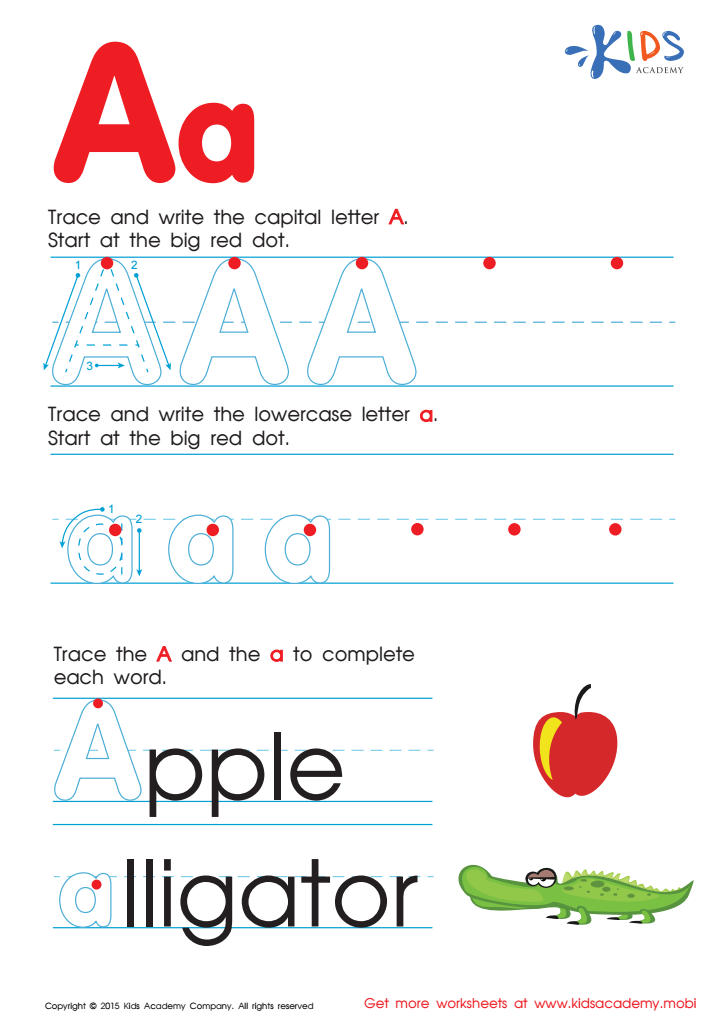
Letter A Tracing Page
 Assign to My Students
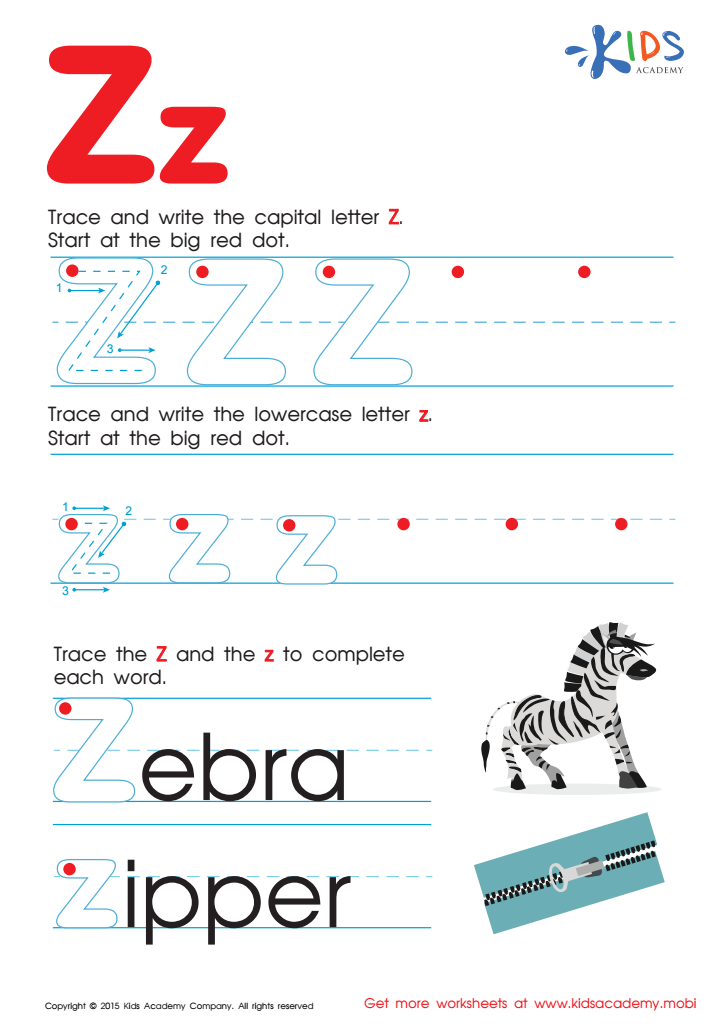
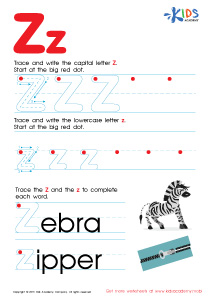
Letter Z Tracing Page
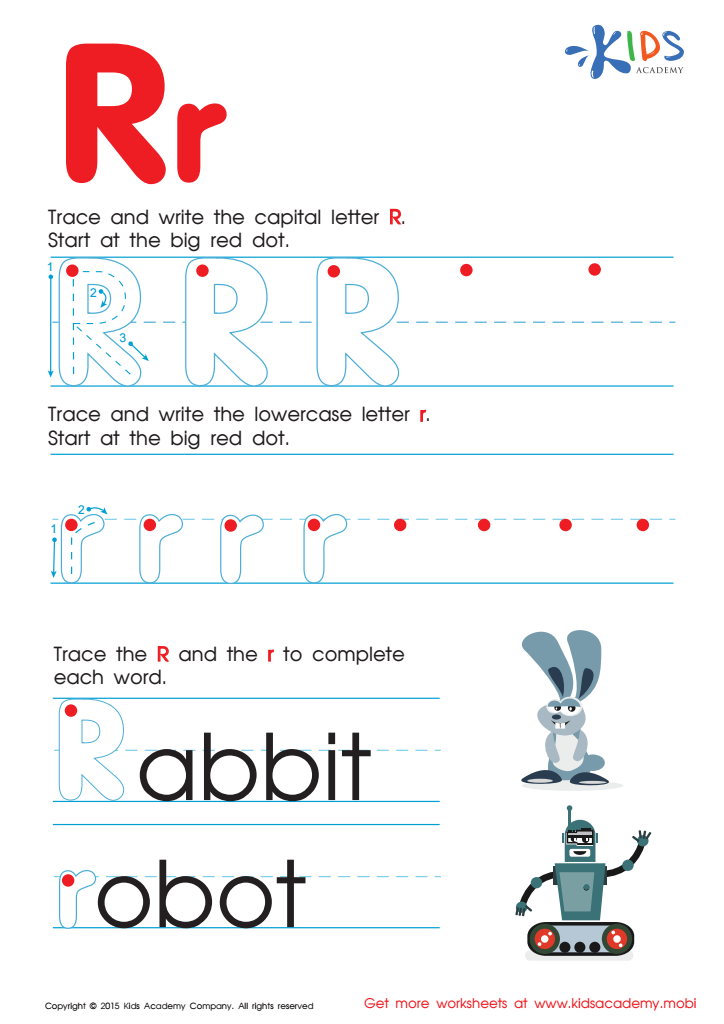
Letter R Tracing Page
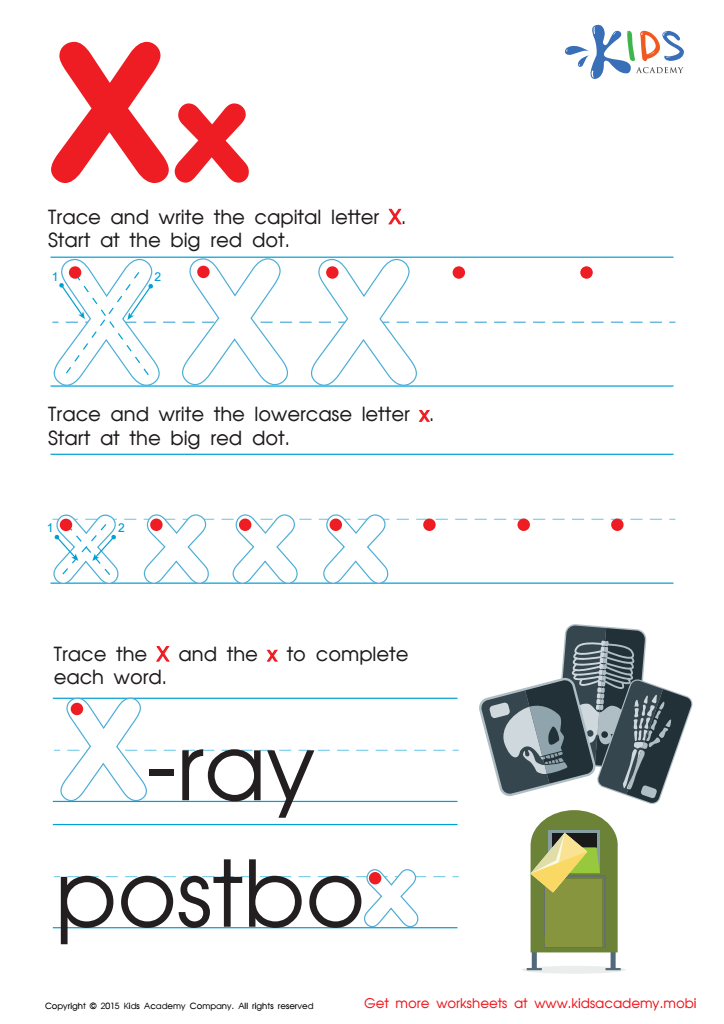
Letter X Tracing Page
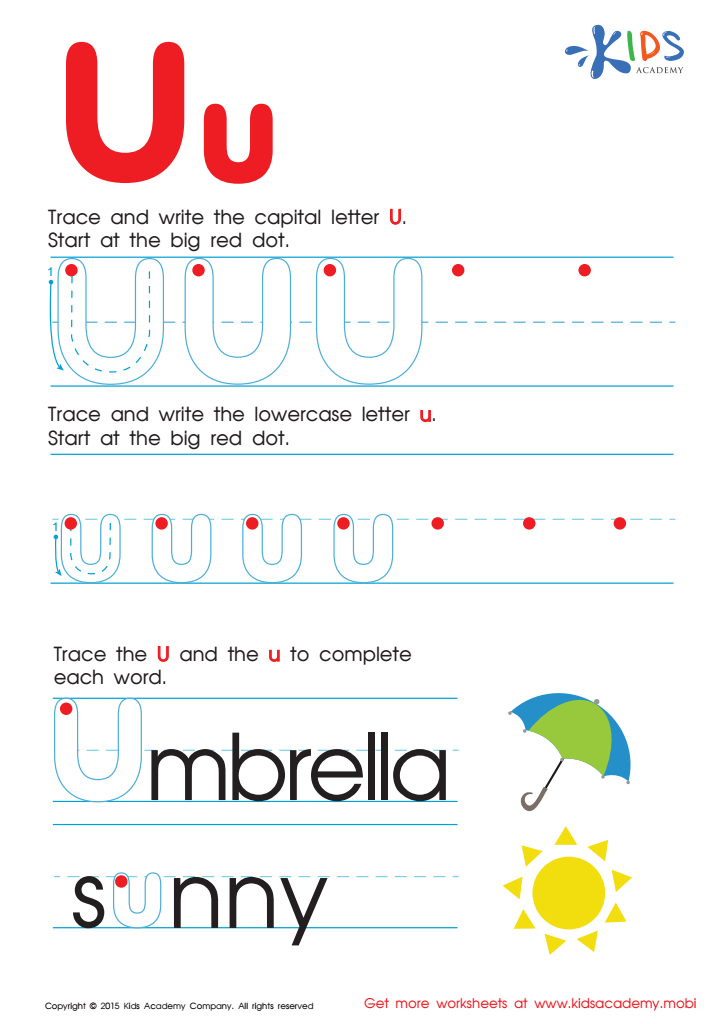
Letter U Tracing Page
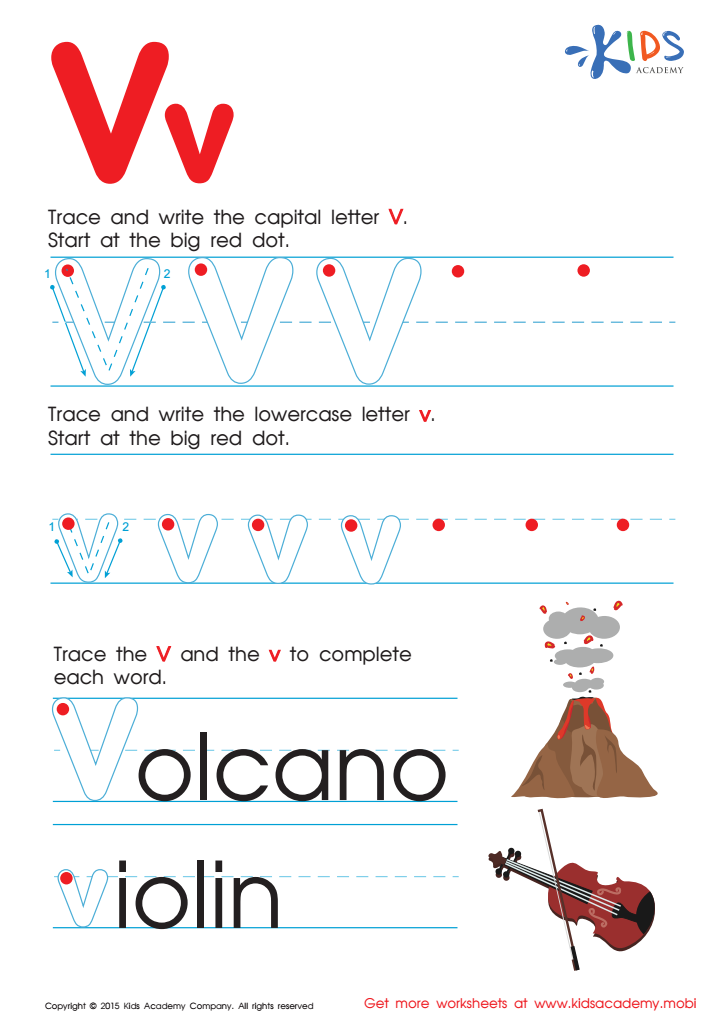
Letter V Tracing Page
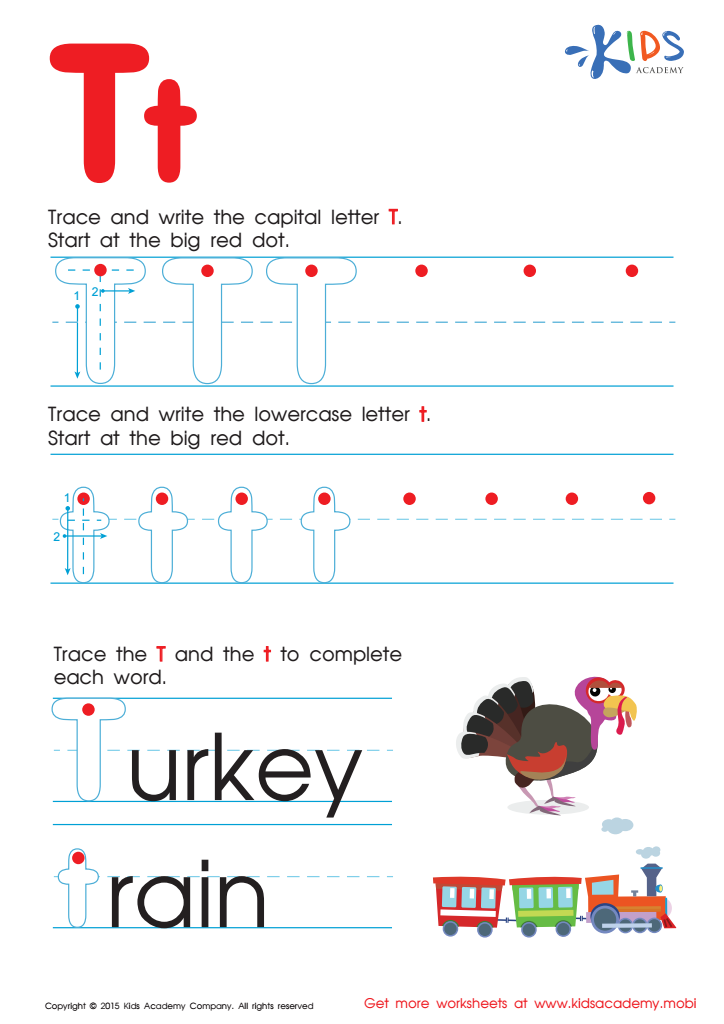
Letter T Tracing Page








Parents and teachers should pay attention to fine motor skills and extra challenges in letter recognition for 5-year-olds because these early developmental milestones are foundational for future academic success and daily activities. Fine motor skills involve the coordination of small muscles in movements—usually found in the hands and fingers—that are crucial for tasks like writing, buttoning clothes, and using scissors. Enhancing these skills at an early age prepares children for more complex actions as they grow.
Letter recognition is a fundamental part of learning to read. Children who struggle with this may find reading difficult later on, affecting their overall confidence and academic achievement. Recognizing letters involves not just memorizing their shapes but also understanding the sounds associated with them, which is crucial for phonics-based learning.
Combining fine motor skills with extra challenges in letter recognition helps to create a holistic educational framework. Activities like tracing letters, playing with building blocks with letters inscribed on them, or engaging in art projects that require specific hand movements can be both fun and educational.
By focusing on these areas, parents and teachers can provide children with the support they need to develop critical early literacy skills, fine motor coordination, and a positive attitude toward learning, setting them up for success in school and beyond.