Understanding patterns Extra Challenge Worksheets for 5-Year-Olds
3 filtered results
-
From - To
Explore our "Understanding Patterns Extra Challenge Worksheets for 5-Year-Olds," designed to enhance your child's critical thinking and pattern recognition skills. These engaging worksheets encourage young learners to identify, create, and extend patterns through fun and interactive exercises. Ideal for at-home learning or classroom activities, our extra challenges cater to budding mathematicians, fostering confidence and independence in their learning journey. With colorful visuals and age-appropriate tasks, these worksheets provide an exciting way for children to grasp essential concepts while having fun. Dive into the world of patterns with Kids Academy and give your child the advanced tools they need to succeed!
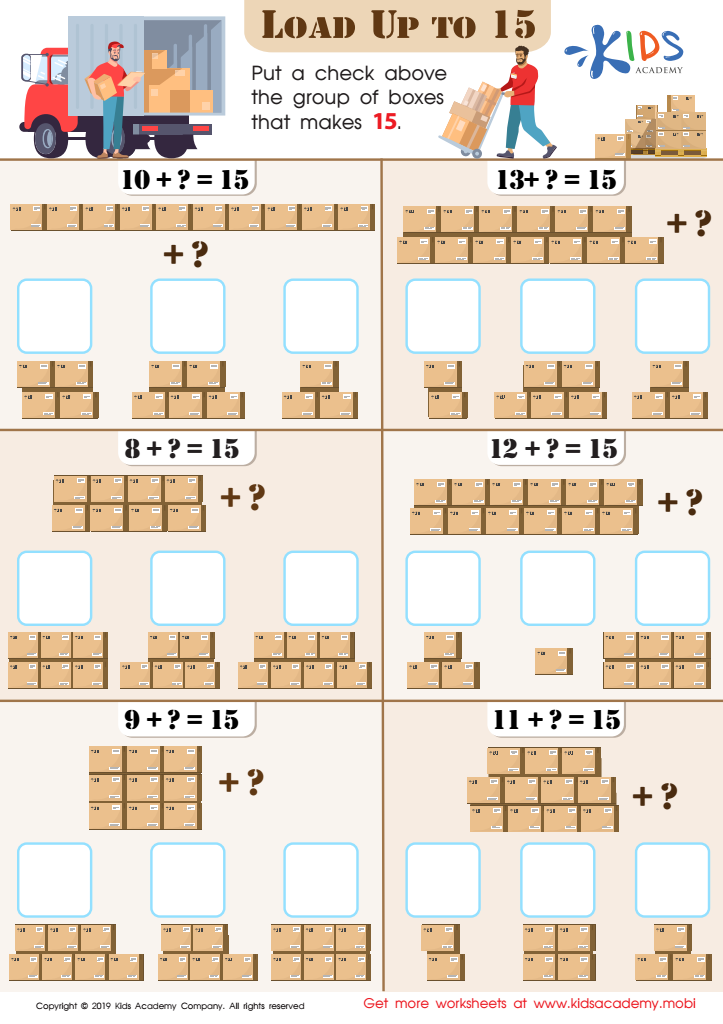
Load up to 15 Worksheet
Magic Numbers Worksheet
 Assign to My Students
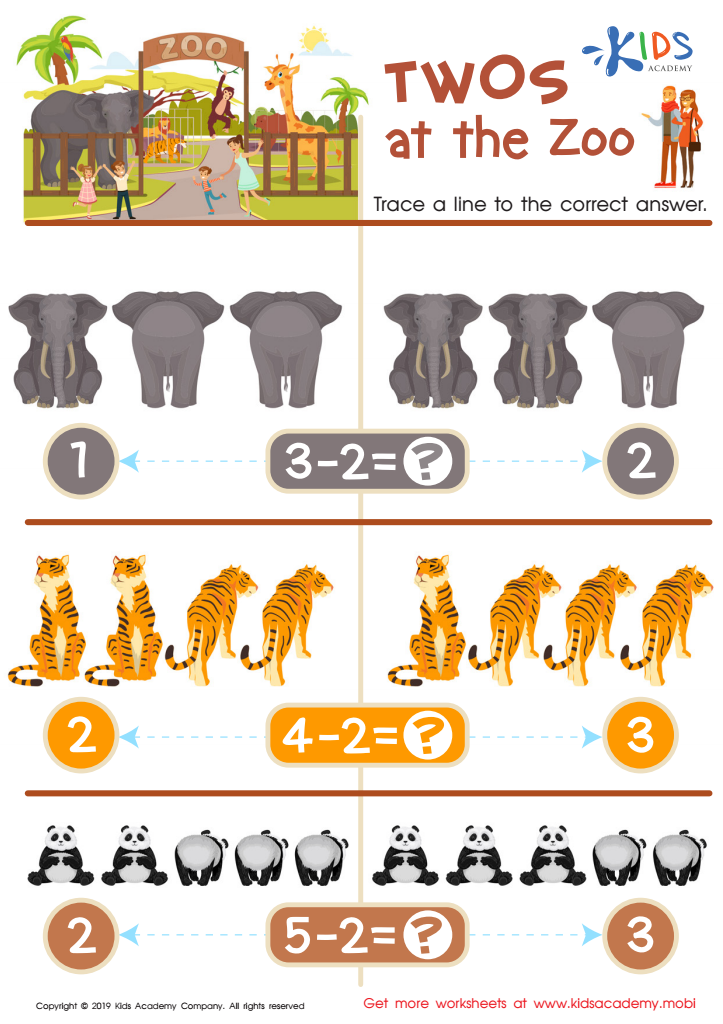
Twos at the Zoo Worksheet





.jpg)

Understanding patterns is a fundamental skill for young children, particularly for five-year-olds, as it forms the basis for critical thinking and problem-solving. Parents and teachers should care about the "Understanding Patterns Extra Challenge" because recognizing and creating patterns helps develop children's cognitive abilities and lays the groundwork for future math success. Patterns are everywhere in daily life, from nature to music to daily routines, and teaching children to identify and analyze these can enhance their observational skills.
Moreover, engaging with patterns fosters creativity and logic. It encourages children to think imaginatively while strengthening their ability to classify and sequence, which is critical for understanding more complex concepts later in life, such as addition and subtraction. Additionally, pattern recognition helps improve memory and concentration, assisting children in becoming more attentive learners.
The Extra Challenge introduces fun and engaging activities that promote collaboration and communication skills among peers. This social interaction is vital for their emotional development. Ultimately, understanding patterns equips young learners with essential skills that will not only enhance their academic journey but also empower them to navigate the world around them with confidence and curiosity. By prioritizing this foundational learning, parents and teachers set the stage for lifelong learning.








