Number Recognition Extra Challenge Numbers Worksheets for 5-Year-Olds - Page 2
27 filtered results
-
From - To
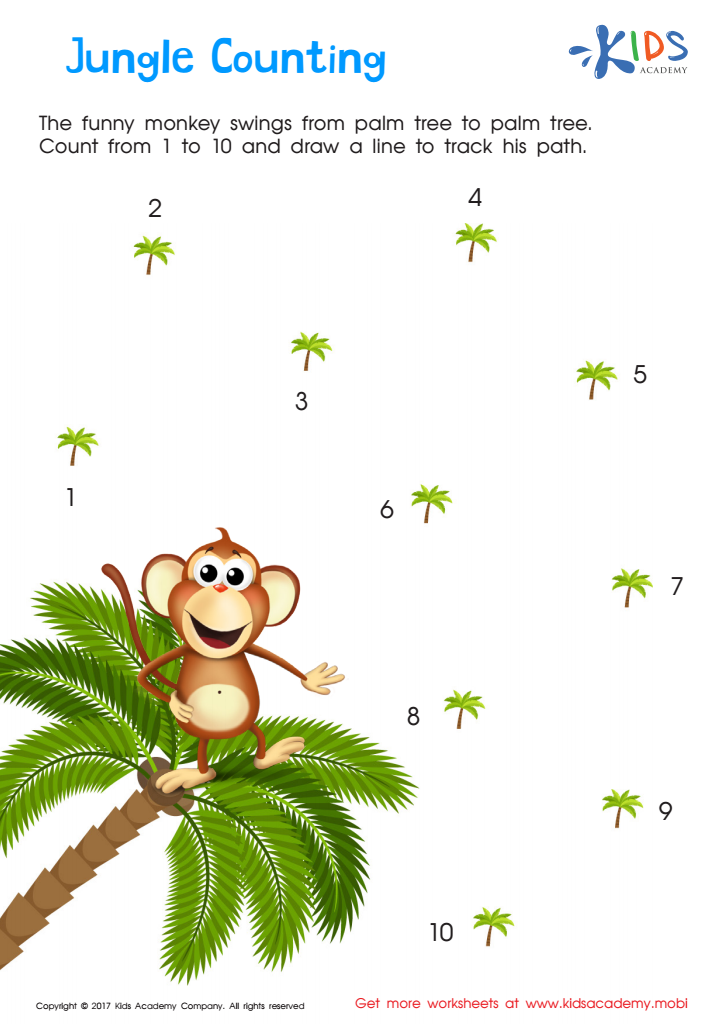
Jungle Counting Connect Dots Worksheet
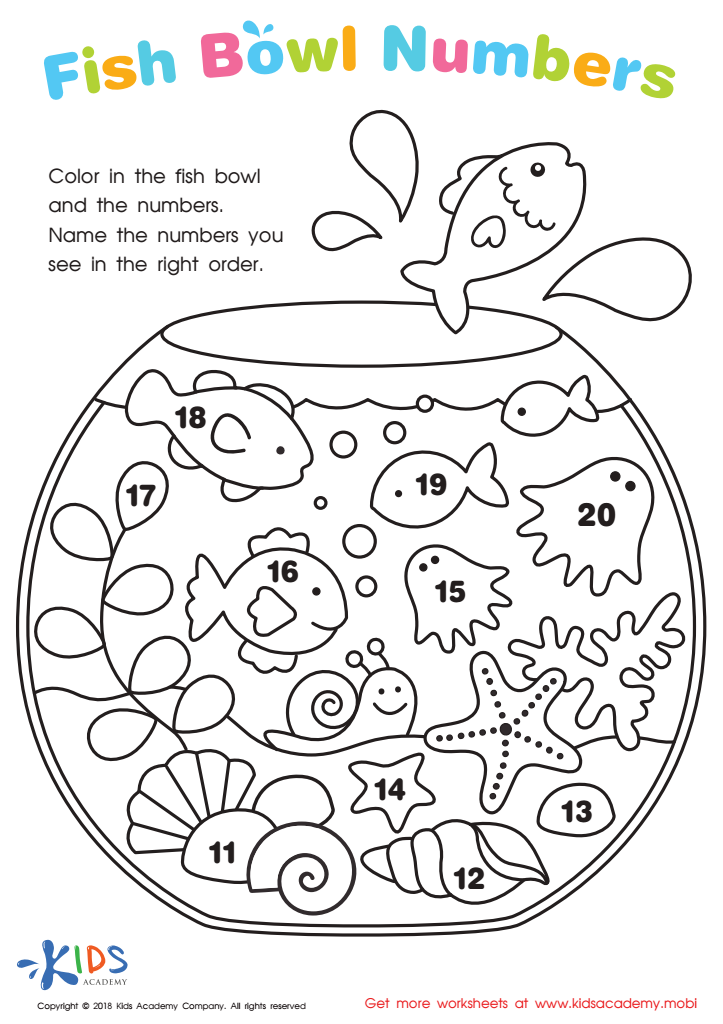
Fish Bowl Numbers Worksheet
 Assign to My Students
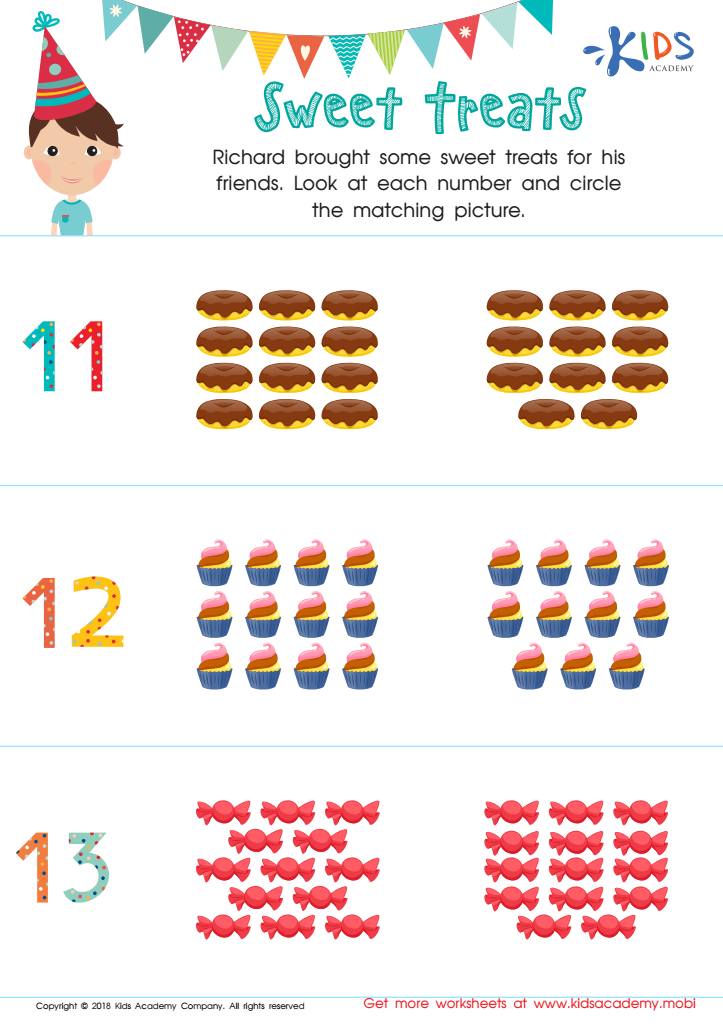
Kindergarten Math Worksheet Matching Numbers








Number recognition is a foundational skill critical for early mathematics development, and providing extra challenge with number recognition can significantly enhance a 5-year-old's learning experience. Understanding numbers forms the basis for more complex mathematical concepts that will be introduced in later grades. By engaging children in extra challenges, parents and teachers can foster a love for learning, develop problem-solving skills, and encourage a growth mindset.
Extra challenge activities can stimulate critical thinking and creative problem-solving, allowing children to explore numbers beyond simple recognition. Activities like number games, puzzles, and hands-on experiences promote engagement and retention. These challenges also help children develop spatial awareness and identify patterns, which are essential components of mathematical understanding.
Moreover, addressing number recognition as an ongoing challenge promotes confidence in young learners. When children feel empowered to tackle and succeed in more difficult tasks, they are more likely to embrace challenges in future learning contexts. In addition, focusing on number recognition at an early age paves the way for better performance in subjects like science and technology, where numerical literacy is vital.
Ultimately, actively supporting and challenging number recognition in 5-year-olds equips them with essential skills for lifelong learning and lays a strong foundation for future academic success.