Critical Thinking Extra Challenge Math Worksheets for 5-Year-Olds
3 filtered results
-
From - To
Boost your child's problem-solving skills with our Critical Thinking Extra Challenge Math Worksheets for 5-Year-Olds. These expertly designed worksheets combine fun and learning, engaging young minds with puzzles, patterns, and complex questions to stimulate analytical thinking and foundational math skills. Tailored for young learners, each colorful and interactive activity supports early cognitive development while keeping children motivated and challenged. Perfect for preparing for kindergarten and beyond, these worksheets foster confidence and a love for learning. Equip your child with the tools they need to excel in math and critical thinking from an early age. Start exploring now!
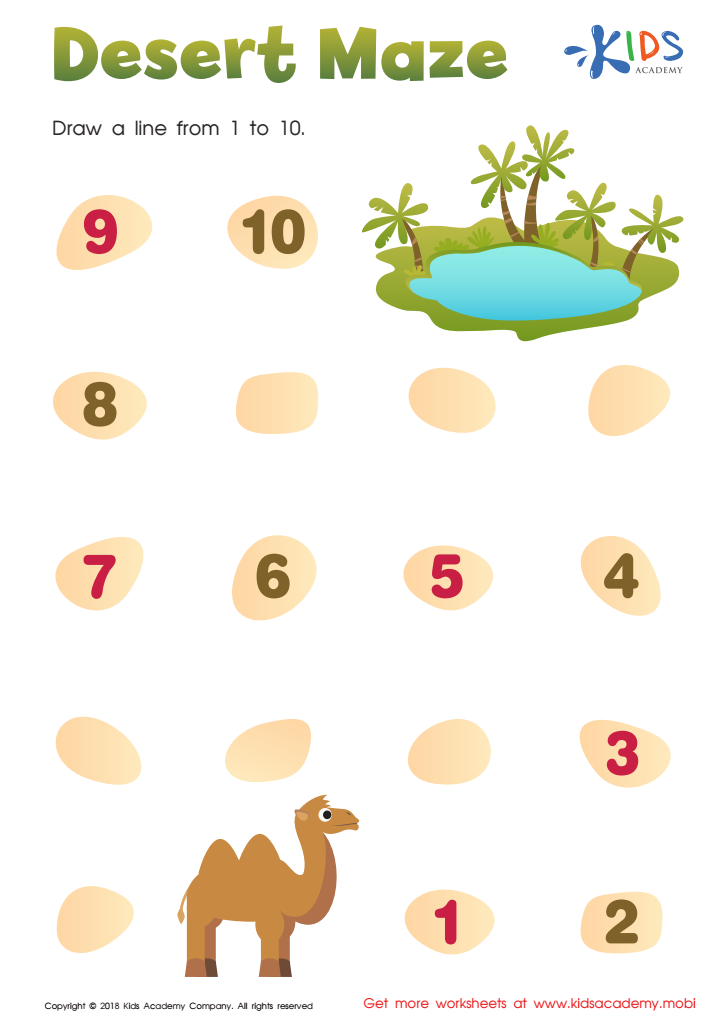
Desert Maze Worksheet
 Assign to My Students
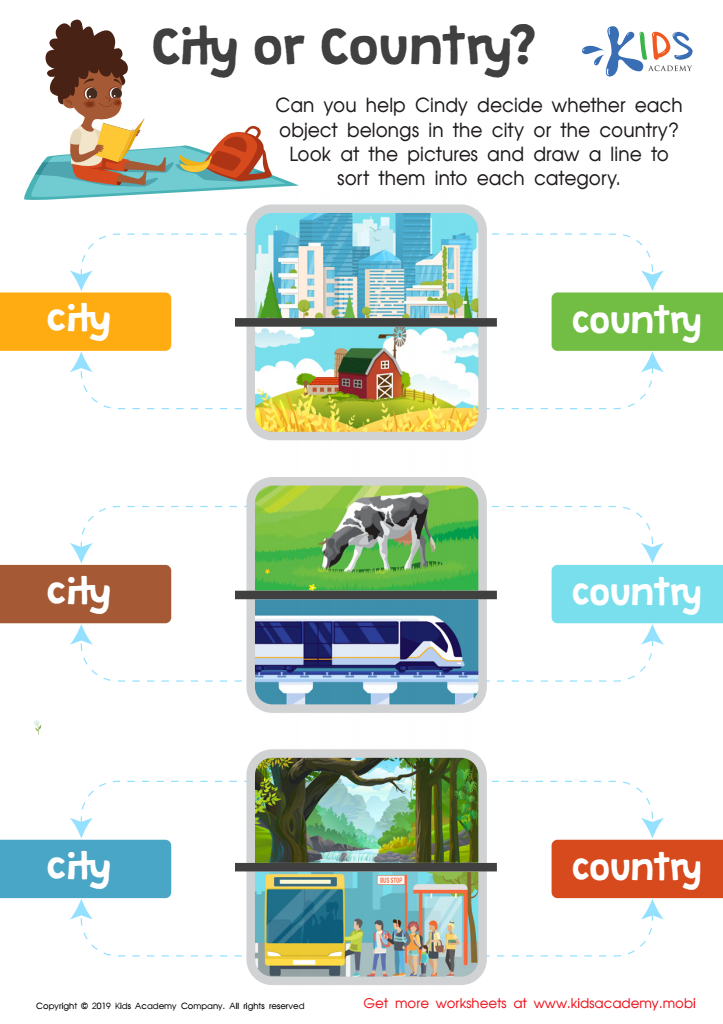
City or Country? Worksheet
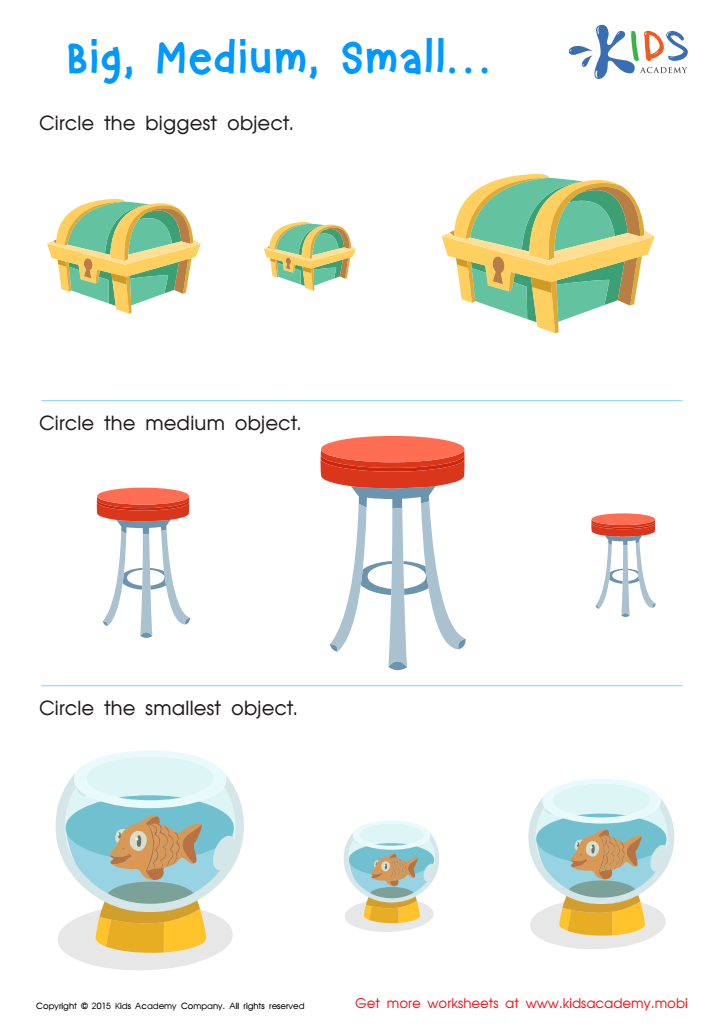
Big Medium Small Worksheet






Encouraging critical thinking and extra challenge math exercises for 5-year-olds is essential for several compelling reasons. Firstly, fostering critical thinking at this young age helps children develop problem-solving skills early on. They learn to analyze situations, explore various solutions, and make reasoned decisions, which equips them with a strong foundation for future academic pursuits and real-life problem-solving.
Mathematics is not just about numbers; it encompasses logical thinking, pattern recognition, and abstract reasoning. When young children engage in challenging math activities, they learn to see patterns, establish connections between concepts, and develop logical reasoning skills. These abilities are crucial for success in various disciplines beyond mathematics, including science, technology, engineering, and more.
Moreover, early exposure to challenging tasks nurtures a growth mindset. Children start to understand that effort, persistence, and seeking challenges lead to mastery and success. They become more resilient and less afraid of making mistakes, viewing them instead as learning opportunities.
Additionally, engaging in critical thinking and challenging math exercises can stimulate intellectual curiosity and boost confidence in young learners. Children feel a sense of accomplishment when they solve problems, which in turn makes them more enthusiastic about learning.
In conclusion, integrating critical thinking and challenging math tasks into early education is an investment in a child's cognitive and emotional development, setting them up for a lifetime of learning and success.








