Logical thinking Extra Challenge Math Worksheets for 5-Year-Olds
4 filtered results
-
From - To
Elevate your child's problem-solving skills with our "Logical Thinking Extra Challenge Math Worksheets for 5-Year-Olds" at Kids Academy! Designed to boost cognitive development through engaging activities, these printable worksheets offer a fun and educational way to enhance logic and reasoning. Young minds will enjoy tackling a variety of thought-provoking puzzles, patterns, and sequence exercises tailored to align with early learning standards. Ideal for at-home practice or supplementing classroom learning, our worksheets foster critical thinking and mathematical understanding in an age-appropriate, enjoyable format. Download today to give your 5-year-old a head start on academic success!
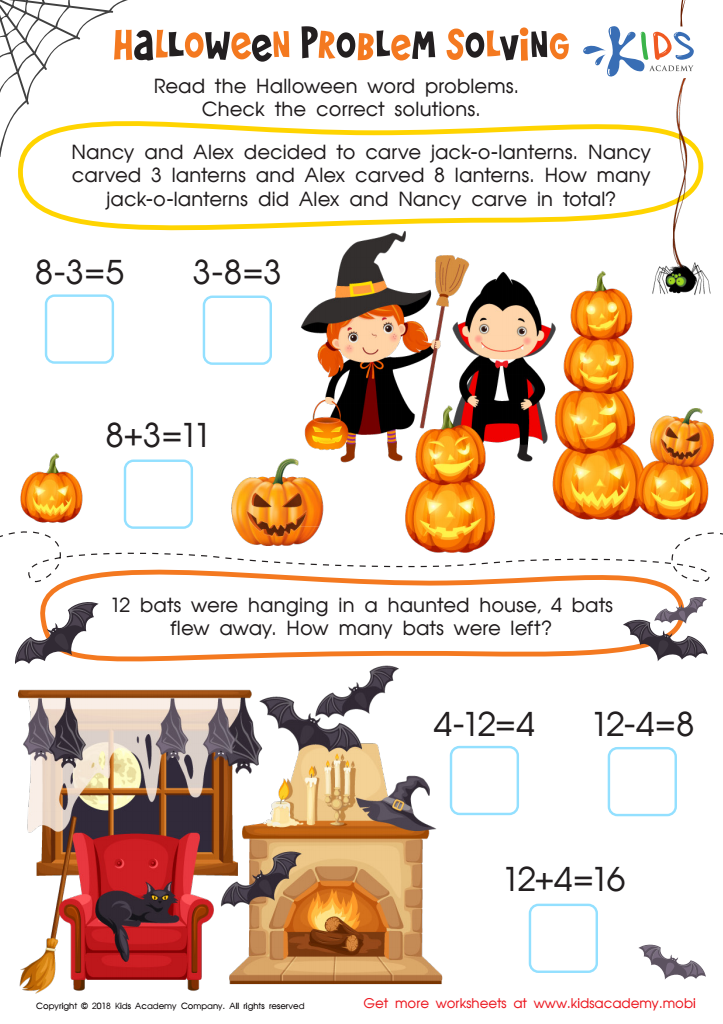
Halloween Problem Solving Worksheet
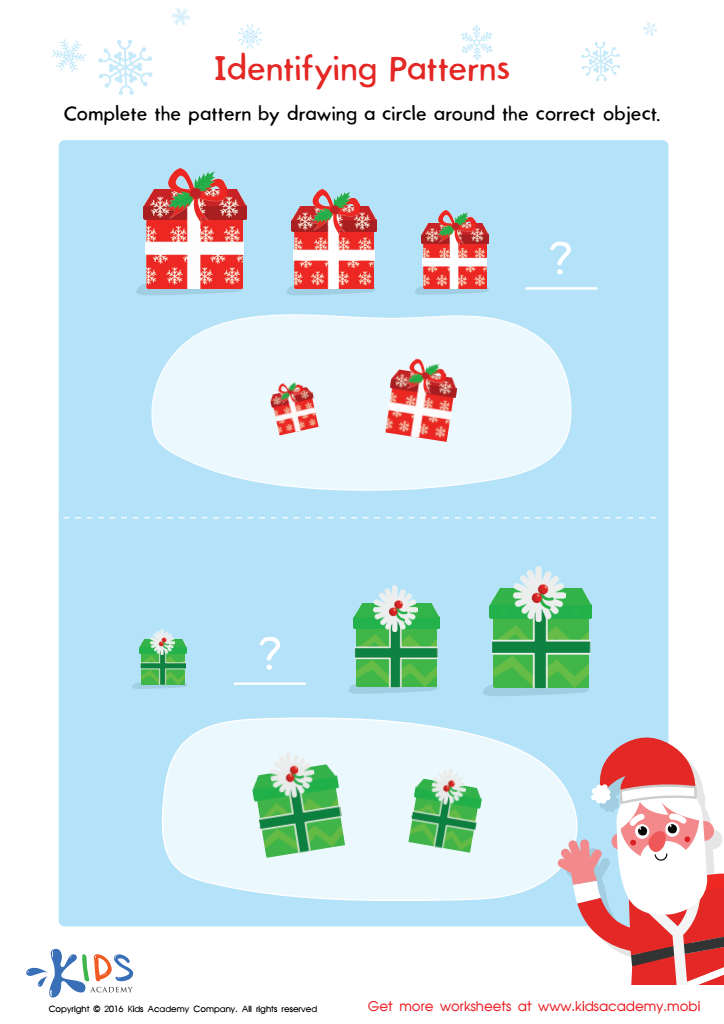
Identifying Patterns Worksheet
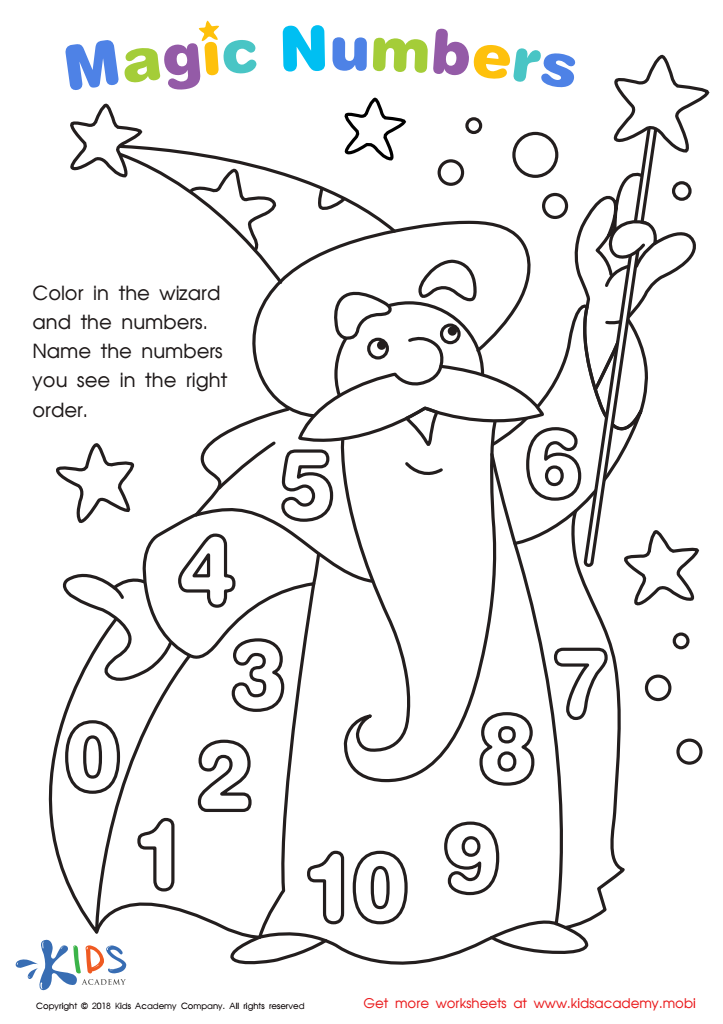
Magic Numbers Worksheet
 Assign to My Students
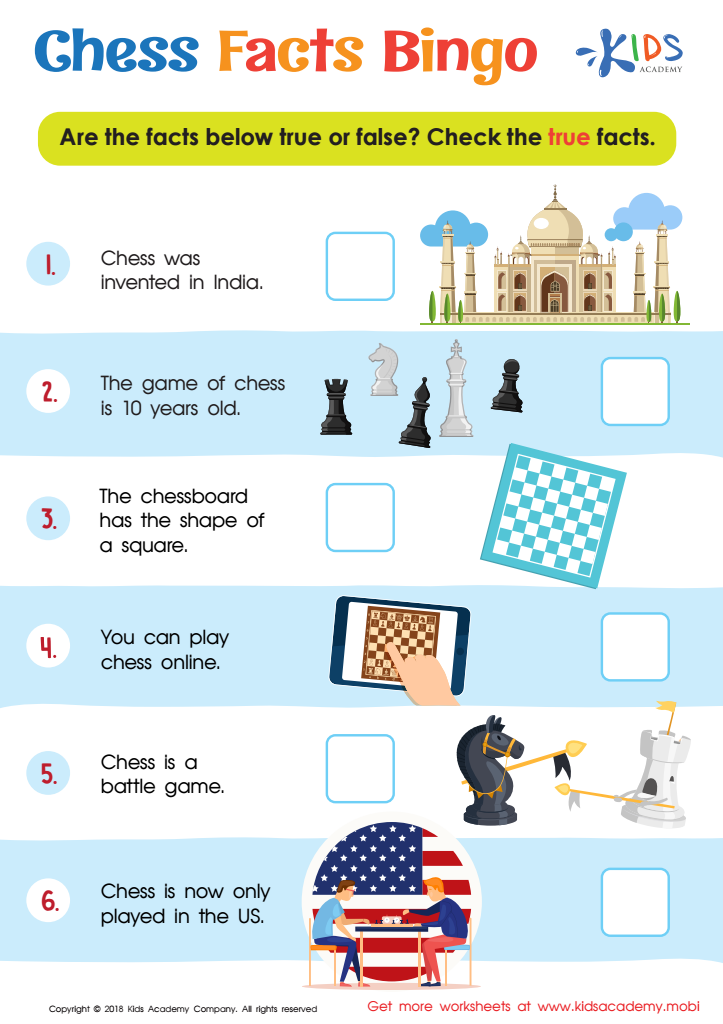
Chess Facts Bingo Worksheet








Parents and teachers should care about logical thinking extra challenge math activities for 5-year-olds because they play a crucial role in early childhood development. At this critical age, children's brains are incredibly receptive and flexible, making it an ideal time to introduce foundational cognitive skills. Logical thinking promotes problem-solving abilities, critical reasoning, and the capacity to understand cause and effect, all fundamental skills for academic success and everyday life.
Engaging young children in math challenges that require logic can also bolster their confidence. Successfully solving problems provides them with a sense of accomplishment and nurtures a positive attitude toward learning. Early exposure to logical reasoning also helps children develop perseverance and resilience, as they learn to approach problems methodically and not give up when faced with difficulties.
Furthermore, logical thinking in math helps establish the groundwork for advanced mathematical concepts and skills. Understanding patterns, sequences, and relationships between numbers can make future math learning smoother and more intuitively grasped.
Incorporating logical thinking challenges into the learning routine can make math more engaging and fun for young learners. This can cultivate a love for the subject, leading to sustained interest and ongoing development in their academic journey. Therefore, by prioritizing logical thinking in early math education, parents and teachers are setting the stage for well-rounded, successful learners.