Basic Math Skills Extra Challenge Matching Worksheets for 5-Year-Olds
3 filtered results
-
From - To
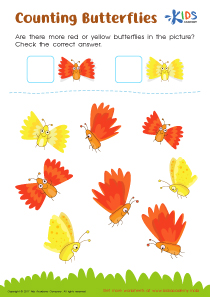
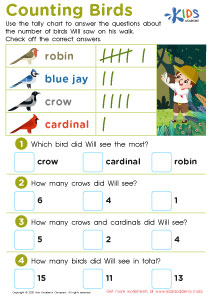
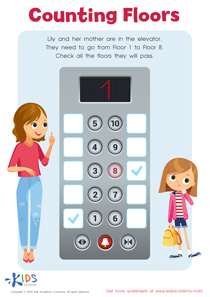
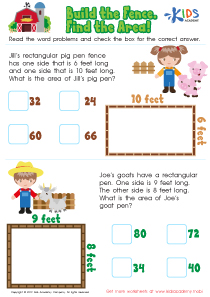
Elevate your child's math journey with our "Basic Math Skills Extra Challenge Matching Worksheets" specifically designed for 5-year-olds! These engaging and educational worksheets provide a fun and interactive way for young learners to practice essential math skills. Each worksheet focuses on foundational concepts such as numbers, counting, patterns, and shapes, encouraging kids to recognize and match different elements. Perfect for enhancing problem-solving abilities, critical thinking, and fine motor skills, our matching worksheets cater to varying skill levels, ensuring each child feels challenged and motivated. Make learning math enjoyable and rewarding with our expertly crafted worksheets!
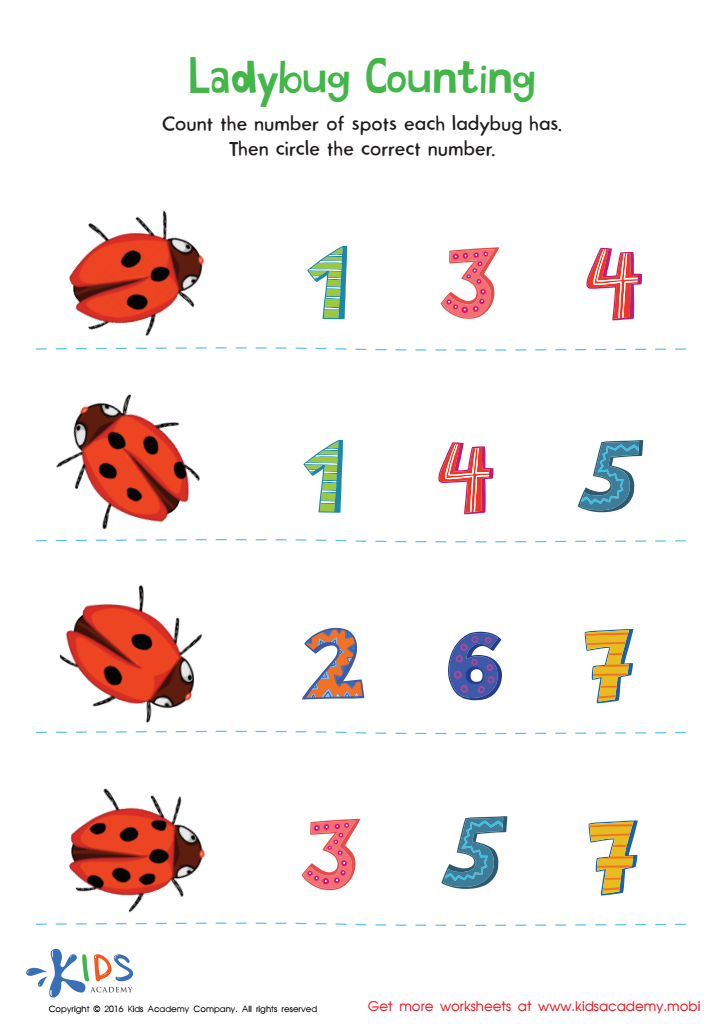
 Assign to My Students
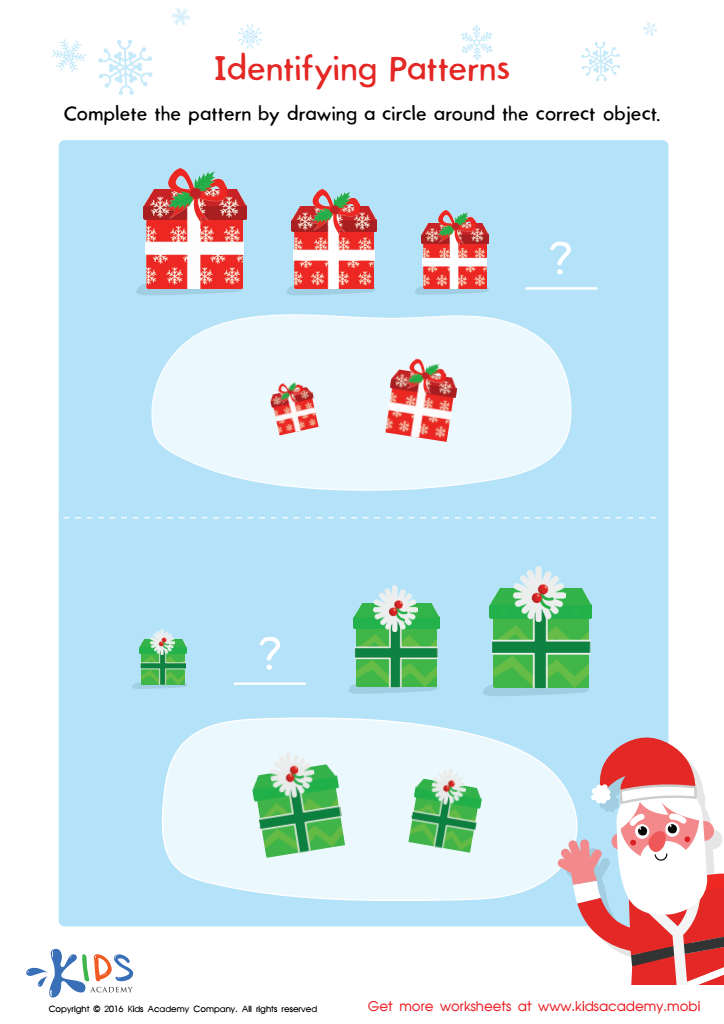
Identifying Patterns Worksheet
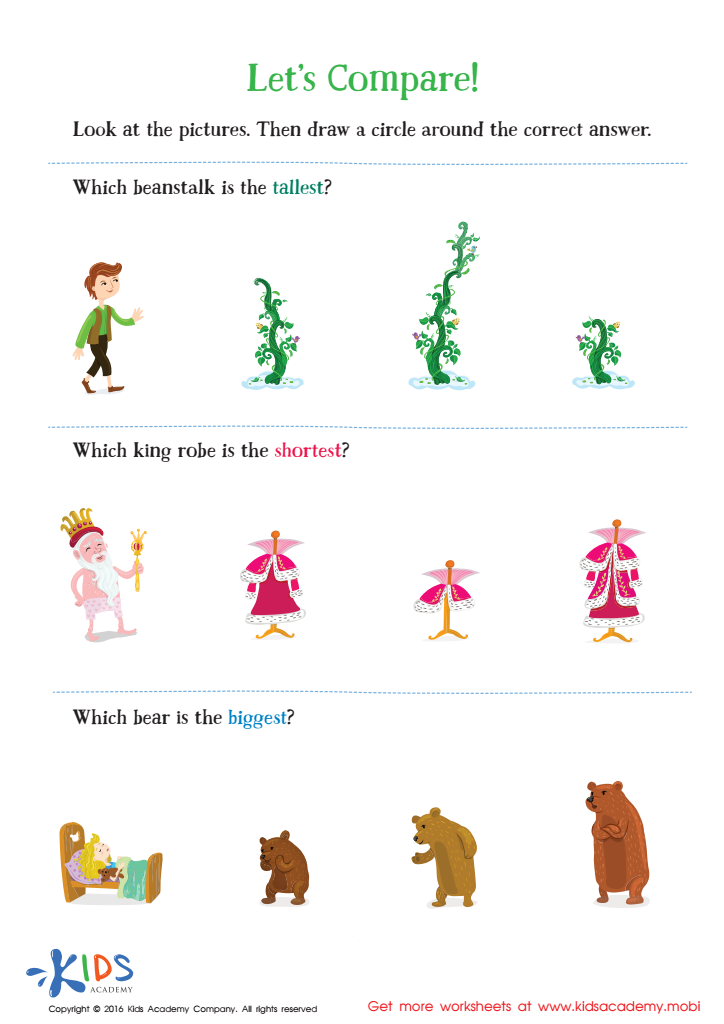
Fairy Tale Worksheet: Let's Compare



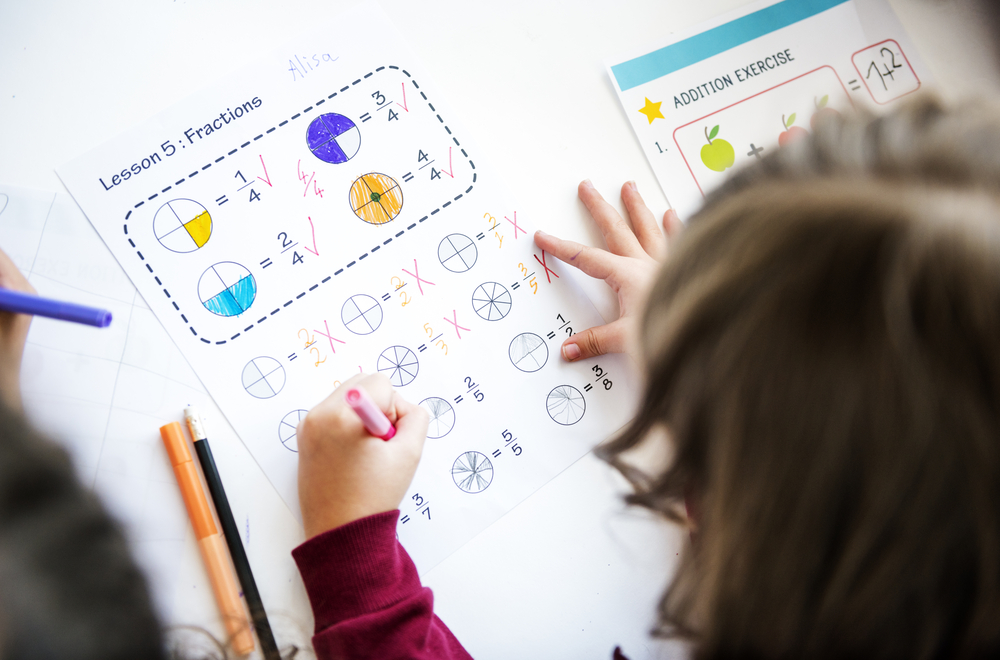



Basic math skills are the building blocks for future academic success, and providing an extra challenge in this area for 5-year-olds is crucial. Parents and teachers should prioritize these challenges because early math proficiency lays a strong foundation for later learning. At the age of five, children's brains are highly receptive and capable of absorbing new concepts quickly. An extra challenge in basic math skills such as number recognition, counting, and simple addition or subtraction can help foster critical thinking, problem-solving abilities, and logical reasoning.
Moreover, engaging students with games or activities like matching exercises makes learning interactive and enjoyable, which can instill a positive attitude towards math. When children find joy in learning and feel a sense of accomplishment from overcoming challenges, it can boost their confidence and motivate them to tackle more complex problems in the future.
Additionally, developing these skills early can identify and support children who may need extra help, ensuring they do not fall behind. Parental and teacher involvement in these activities can also reinforce learning through encouragement and gentle guidance, creating a supportive environment that emphasizes the importance of education. In summary, by caring about and challenging young learners with basic math skills, we set them up for long-term academic and personal success.