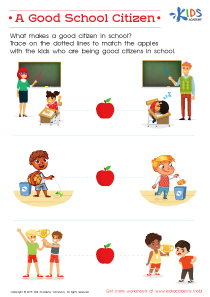
Vocabulary enhancement Extra Challenge Social Studies Worksheets for 5-Year-Olds
3 filtered results
-
From - To
Boost your 5-year-old's vocabulary with our engaging Vocabulary Enhancement Extra Challenge Social Studies Worksheets! Designed specifically for young learners, these interactive worksheets introduce essential social studies concepts while enriching language skills. Through fun activities, kids will discover new words connected to their world, helping them understand community, geography, and culture. Perfect for enhancing reading and comprehension, these worksheets encourage curiosity and critical thinking. With colorful illustrations and age-appropriate challenges, children will enjoy learning in a playful, stress-free environment. Foster a love for language and expand their vocabulary with our expertly crafted resources tailored for early education. Start their journey to language mastery today!
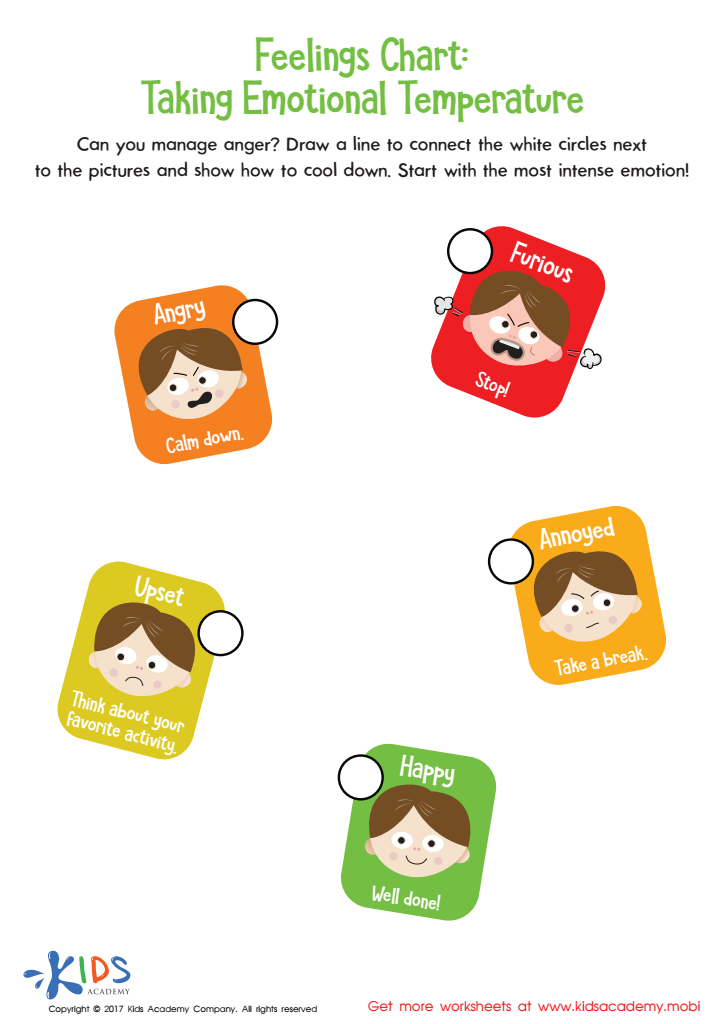
Feelings Chart Worksheet
 Assign to My Students
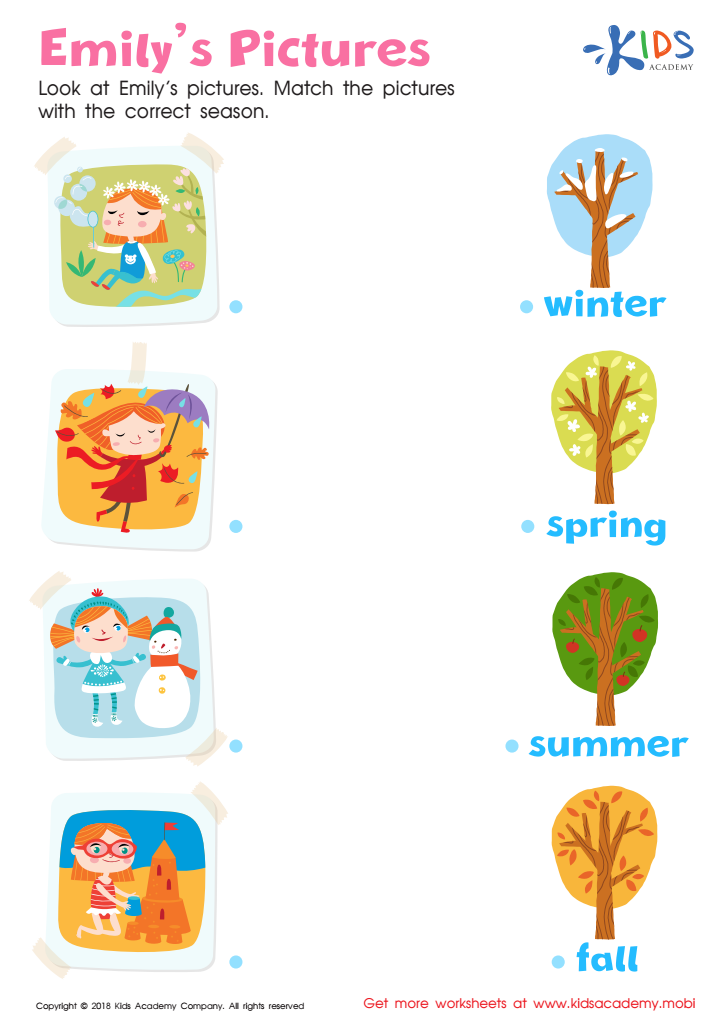
Emily's Pictures Worksheet
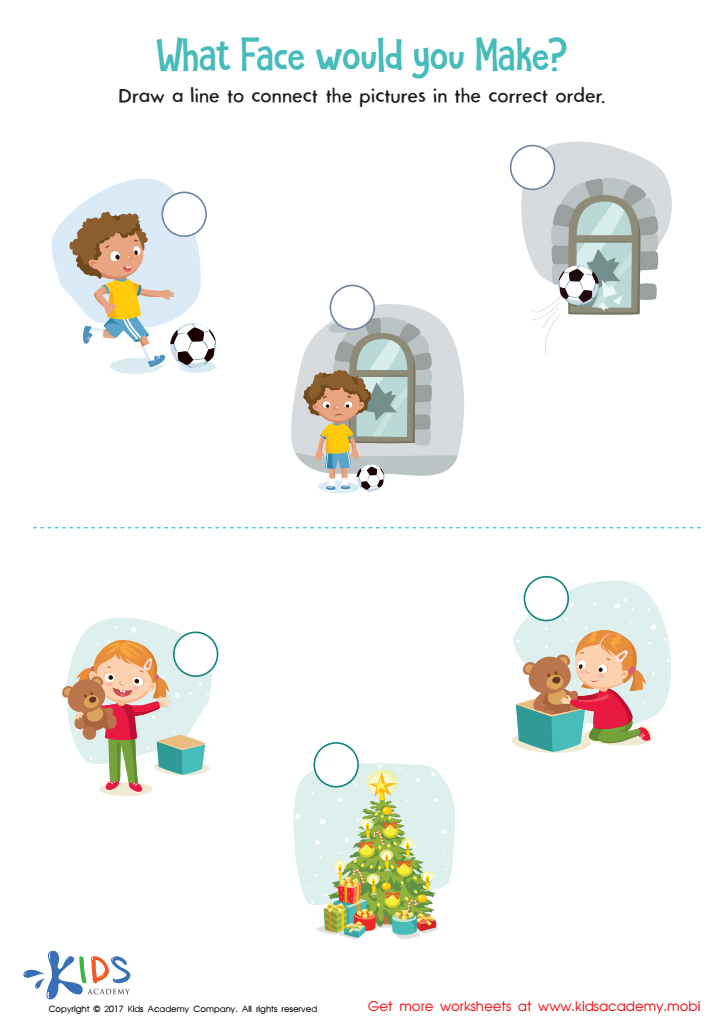
Understanding Emotions Worksheet





.jpg)

Vocabulary enhancement through extra challenge social studies is vital for 5-year-olds as it lays the foundation for comprehensive language skills and broader cognitive development. At this age, children are naturally curious about the world around them, and integrating social studies with vocabulary-building activities can harness that interest effectively. By introducing new words related to cultural awareness, community roles, and historical events, parents and teachers encourage critical thinking and help children make connections with their environment.
Furthermore, a robust vocabulary is crucial for effective communication, reading comprehension, and academic success later on. Engaging children in discussions about social studies topics not only improves their vocabulary but also promotes empathy, understanding diversity, and encourages citizenship. Vocabulary-rich thematic units encourage deeper discussions and enable kids to express their thoughts and emotions more clearly, which is essential for social-emotional development.
Overall, prioritizing vocabulary enhancement in social studies opens up a world of exploration and articulation for young learners, encouraging a lifelong love of learning. Its integration ensures children are not just passive learners; they become active participants in conversations about the world, preparing them for future educational challenges.