Vocabulary expansion Extra Challenge Grammar Worksheets for 5-Year-Olds
6 filtered results
-
From - To
Boost your 5-year-old's language skills with our engaging Vocabulary Expansion Extra Challenge Grammar Worksheets! Designed for young learners, these worksheets provide fun and interactive activities that promote vocabulary development and grammatical understanding. Your child will embark on a delightful journey, enhancing their word usage through various exercises. From matching words to pictures to completing sentences, our curated worksheets foster creativity while reinforcing essential Language Arts skills. Perfect for at-home learning or classroom activities, these resources empower kids to express themselves confidently. Explore our collection today and watch your child's vocabulary soar with each challenge they conquer!
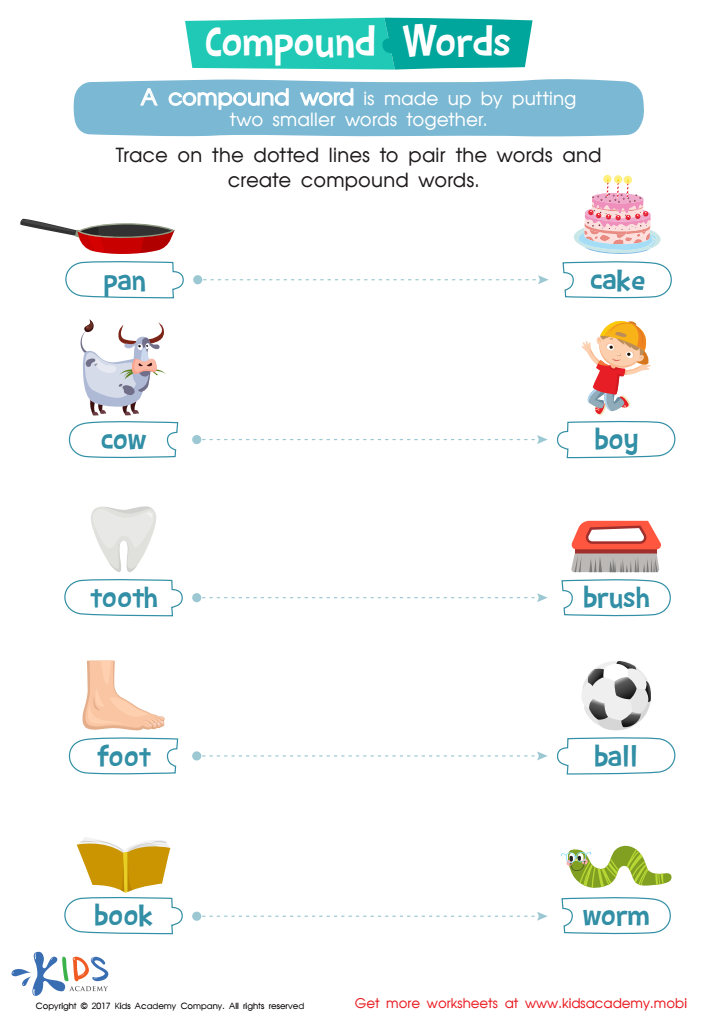
Compound Words Word Structure Worksheet
 Assign to My Students
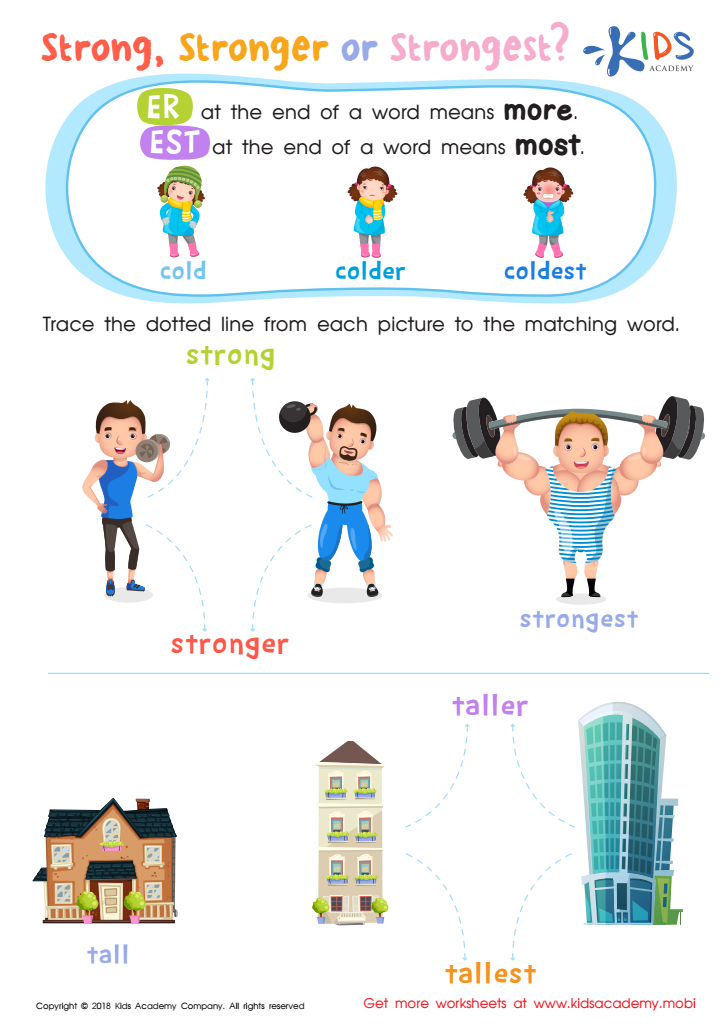
Strong or Stronger? Worksheet
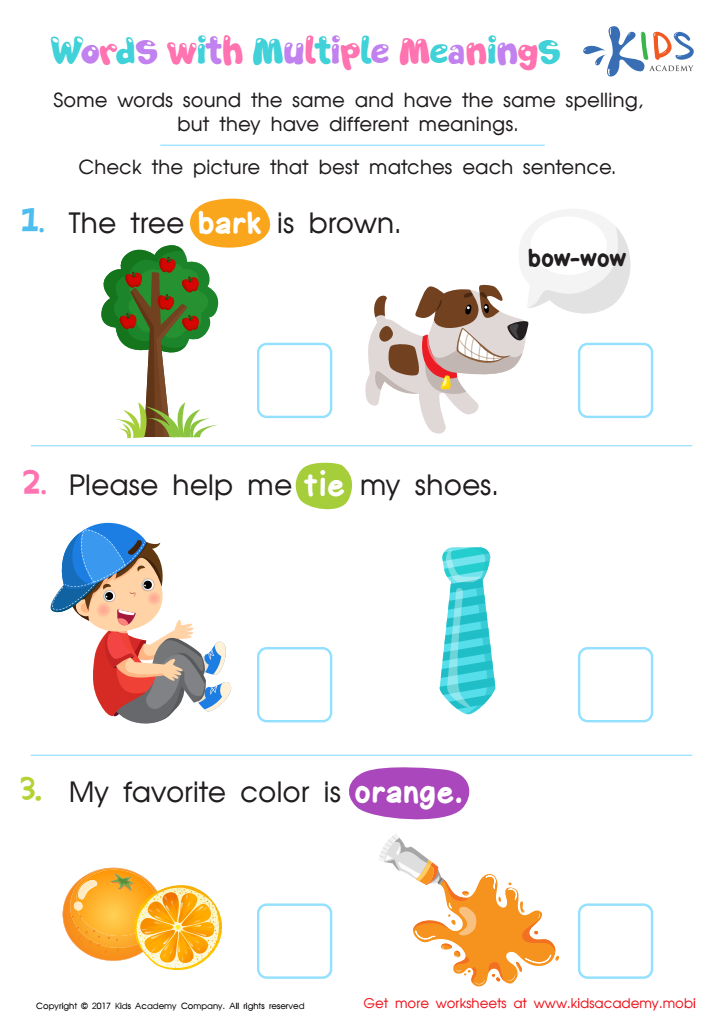
Words with Multiple Meanings Worksheet
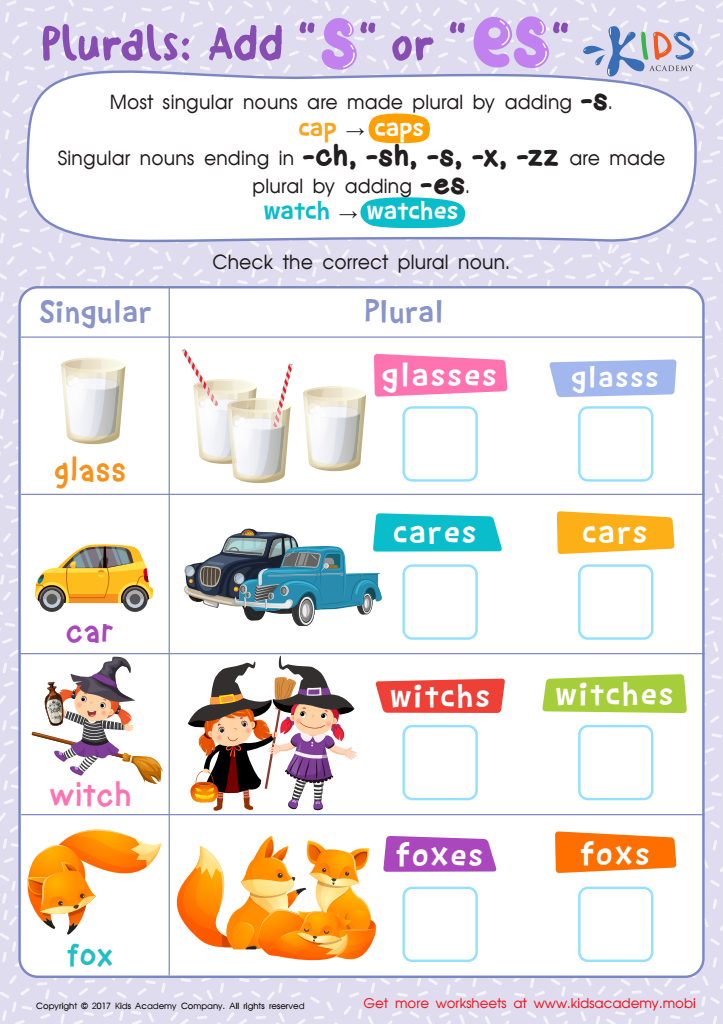
Plurals: "–es" or "–es"? Worksheet
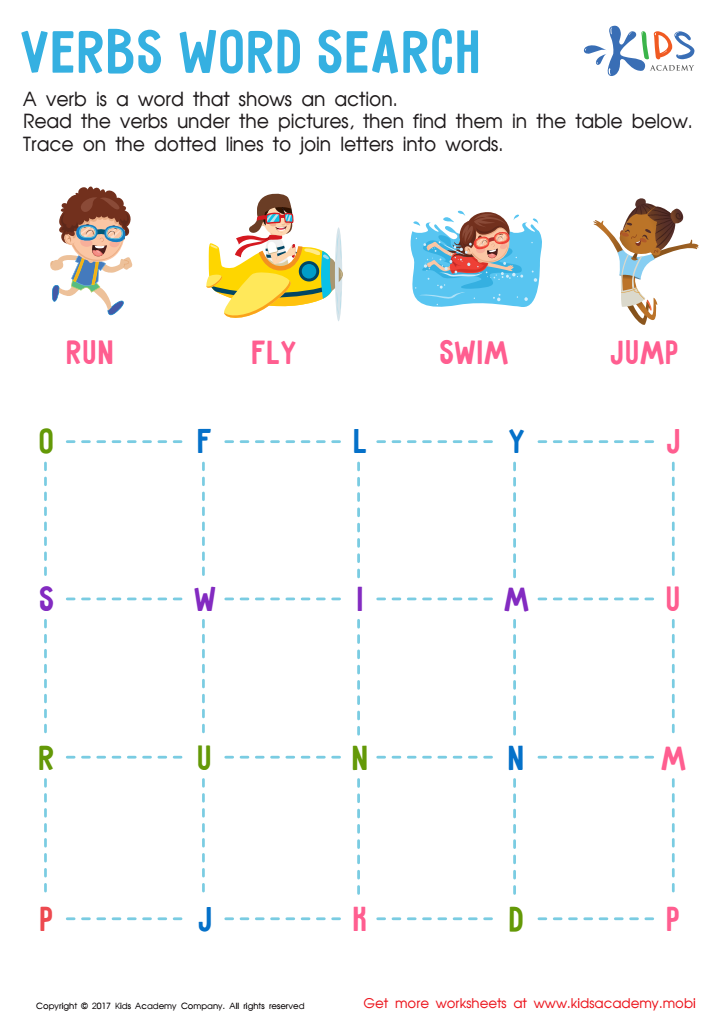
Verbs Word Search Worksheet
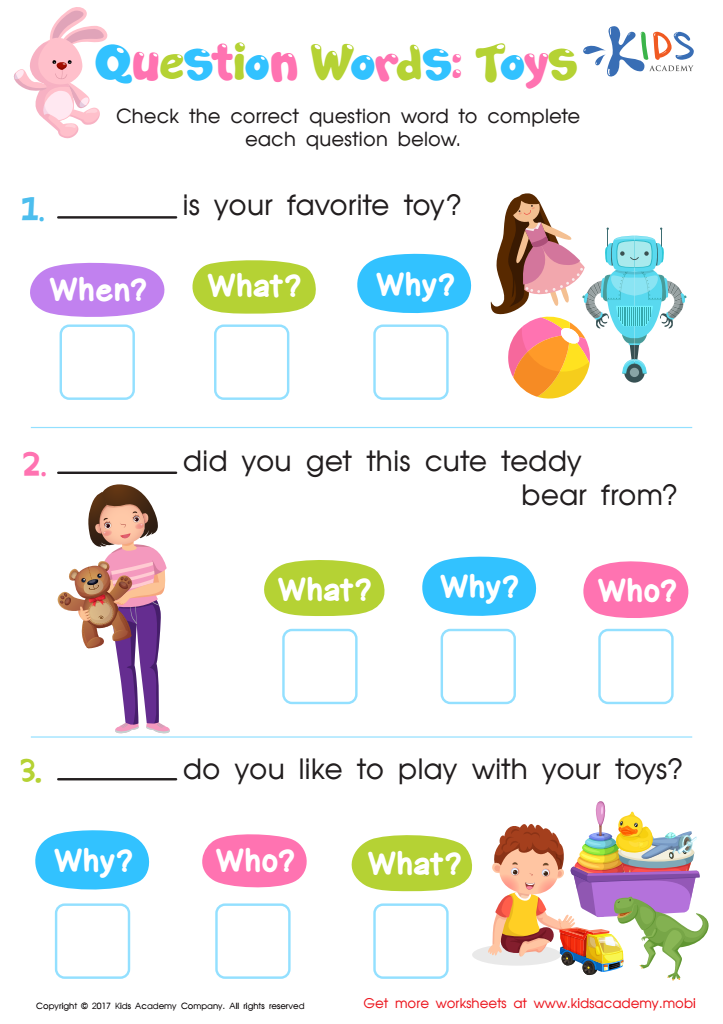
Question Words: Toys Worksheet







Vocabulary expansion and grammar development at the age of five are essential for laying a strong foundation in language skills. At this developmental stage, children are naturally curious and eager to learn, making it a prime time to introduce new words and concepts. A rich vocabulary enhances children's ability to express their thoughts, emotions, and experiences, fostering effective communication skills.
Expanded vocabulary helps children understand richer, more complex ideas and stories, promoting cognitive development and a love for reading. Additionally, grasping basic grammar rules allows them to form sentences correctly, enhancing their clarity and confidence in communication. This is crucial for their academic success as they transition into more formal education settings.
Implementing vocabulary and grammar challenges through fun, engaging activities can make learning enjoyable. Parents and teachers play a pivotal role in creating an environment that encourages language exploration—through storytelling, interactive games, and conversations—helping children connect words to their meanings and uses. Investing time in vocabulary and grammar now leads to improved literacy skills and social interactions later on. Thus, a focus on these areas not only supports immediate learning but also builds a lifelong appreciation and aptitude for language.