Fine Motor Skills Extra Challenge Letter Recognition Worksheets for Ages 6-8
7 filtered results
-
From - To
Enhance your child's learning experience with our "Fine Motor Skills Extra Challenge Letter Recognition Worksheets" designed for ages 6-8. These engaging worksheets combine fun activities with essential fine motor skill development, helping young learners master letter recognition. Children can practice their penmanship while tracing, coloring, and completing interactive tasks that reinforce alphabet knowledge. Ideal for home or classroom use, our worksheets cater to various learning styles, keeping kids motivated and eager to learn. Foster a love for letters while developing dexterity and coordination skills. Explore our vibrant, educational resources today and watch your child's confidence grow!
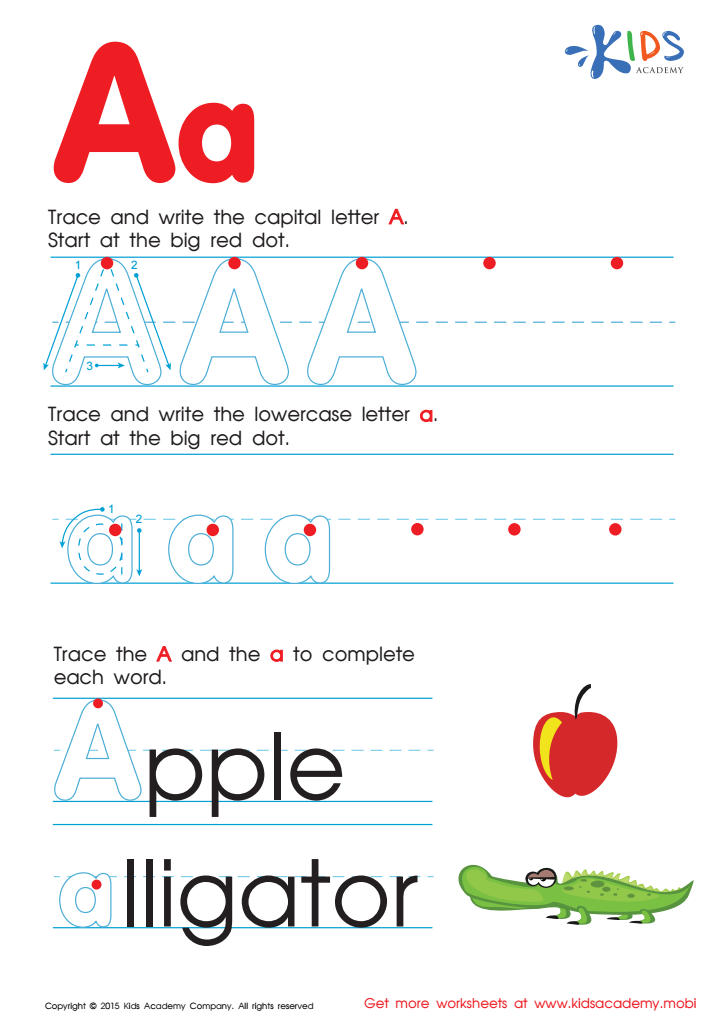
Letter A Tracing Page
 Assign to My Students
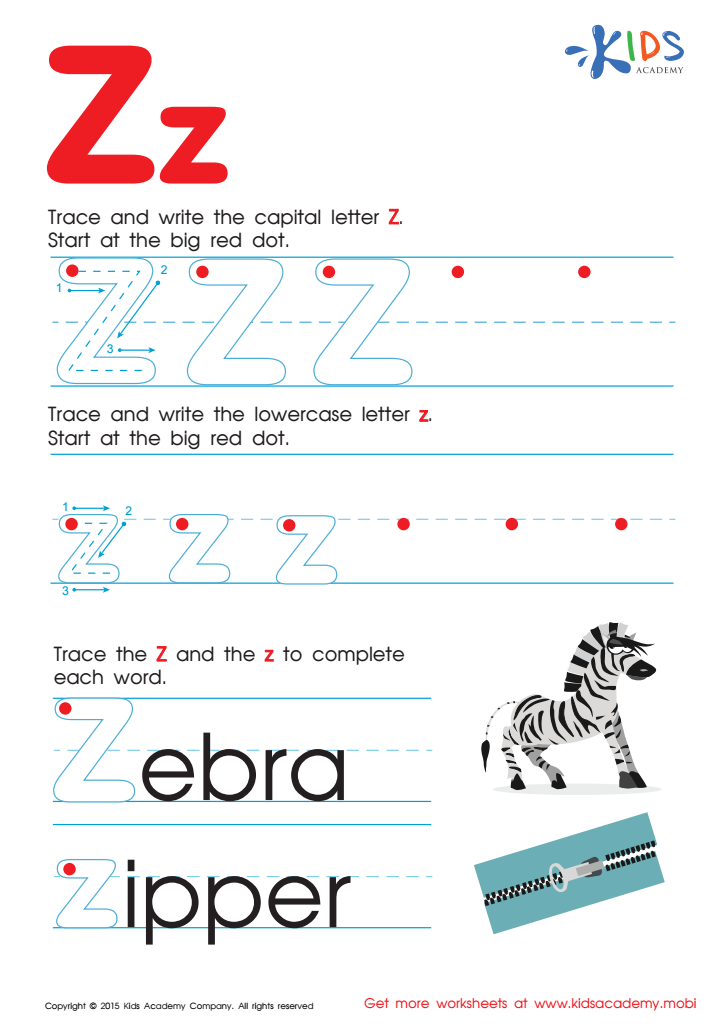
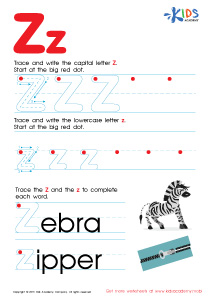
Letter Z Tracing Page
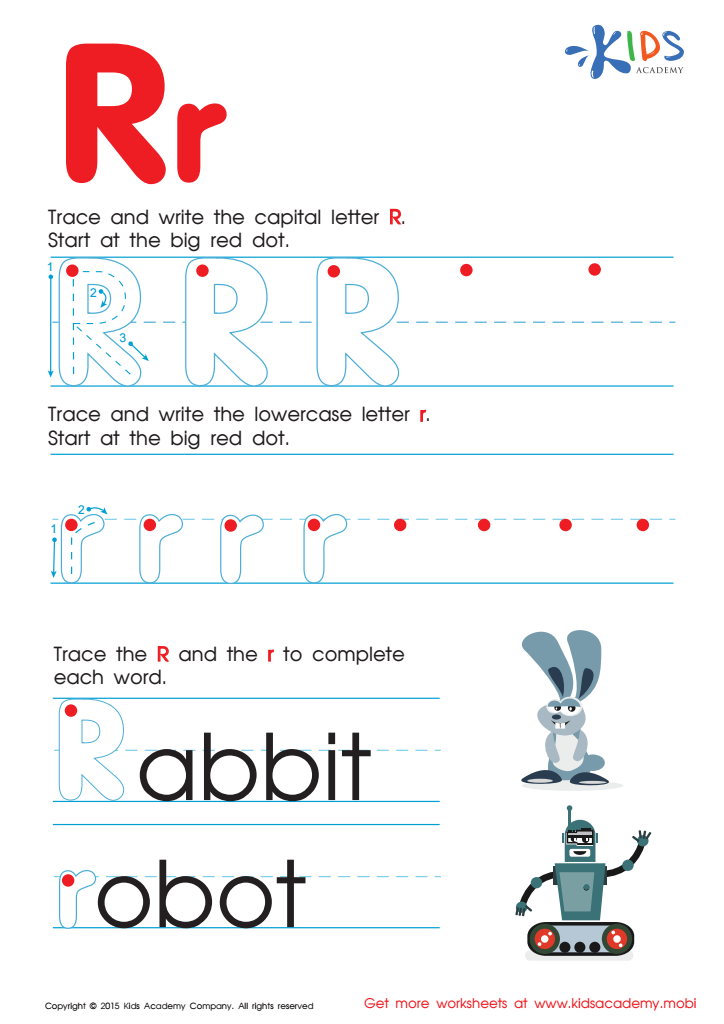
Letter R Tracing Page
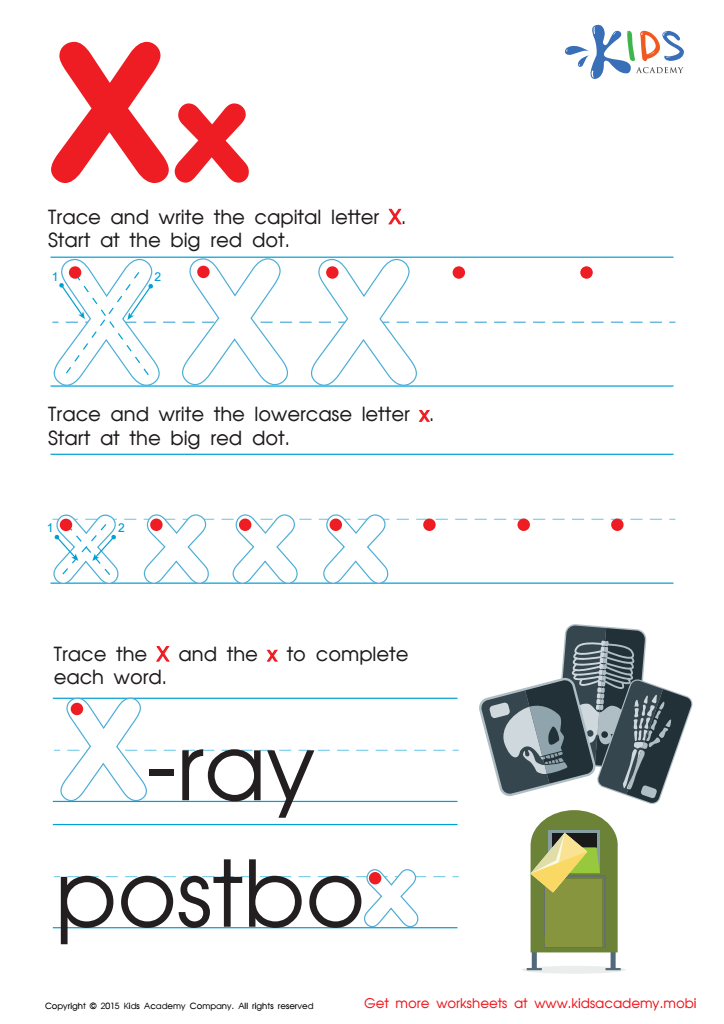
Letter X Tracing Page
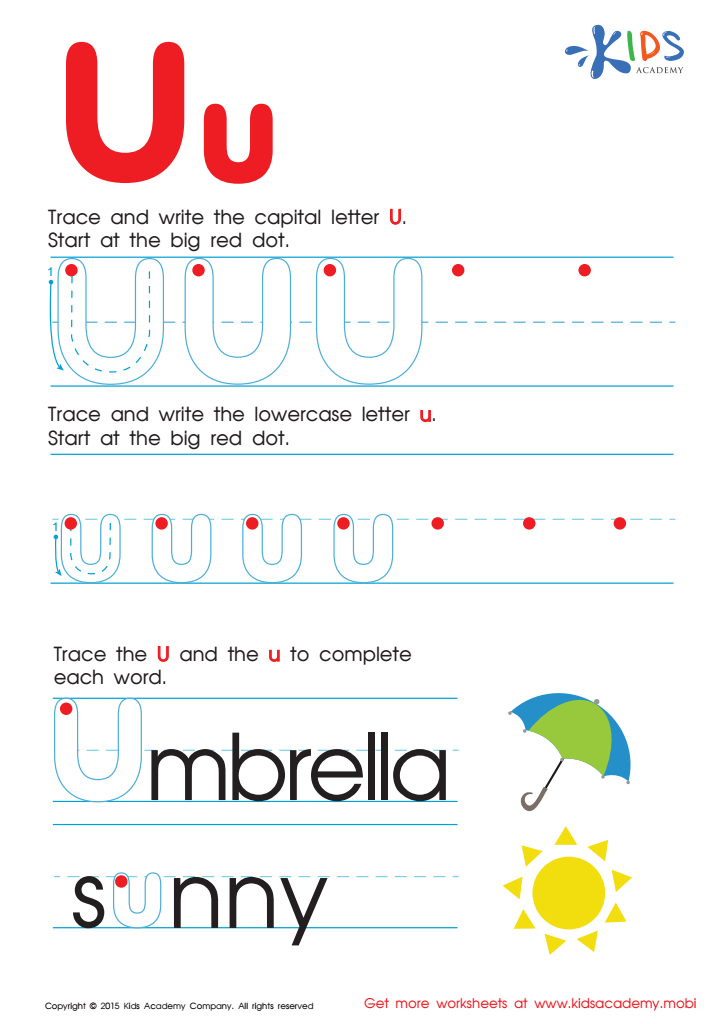
Letter U Tracing Page
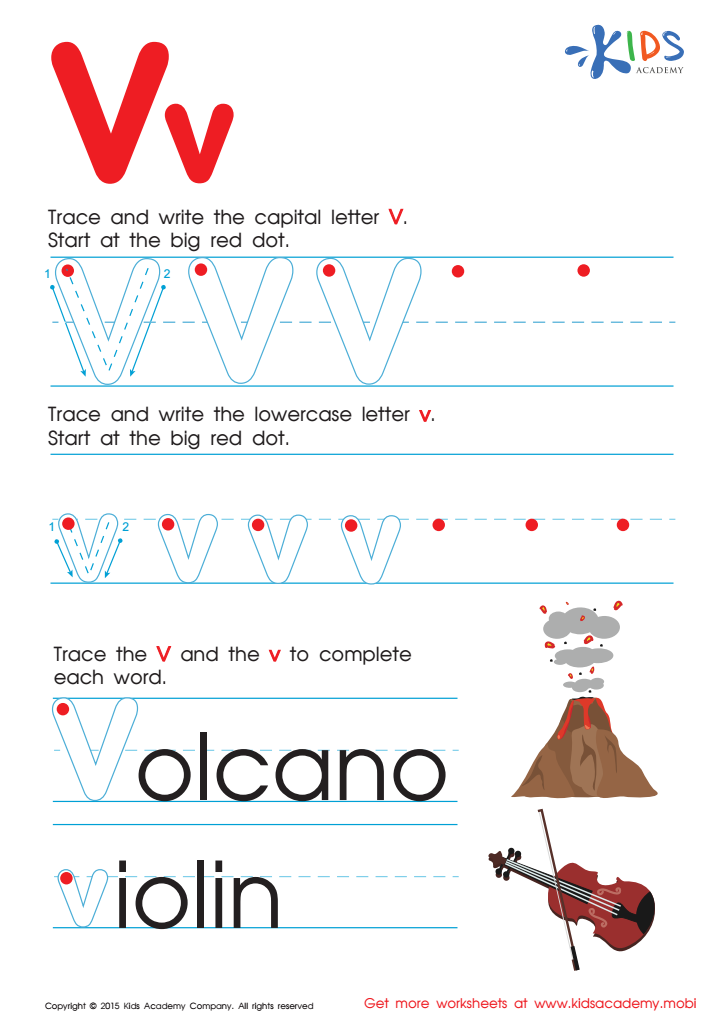
Letter V Tracing Page
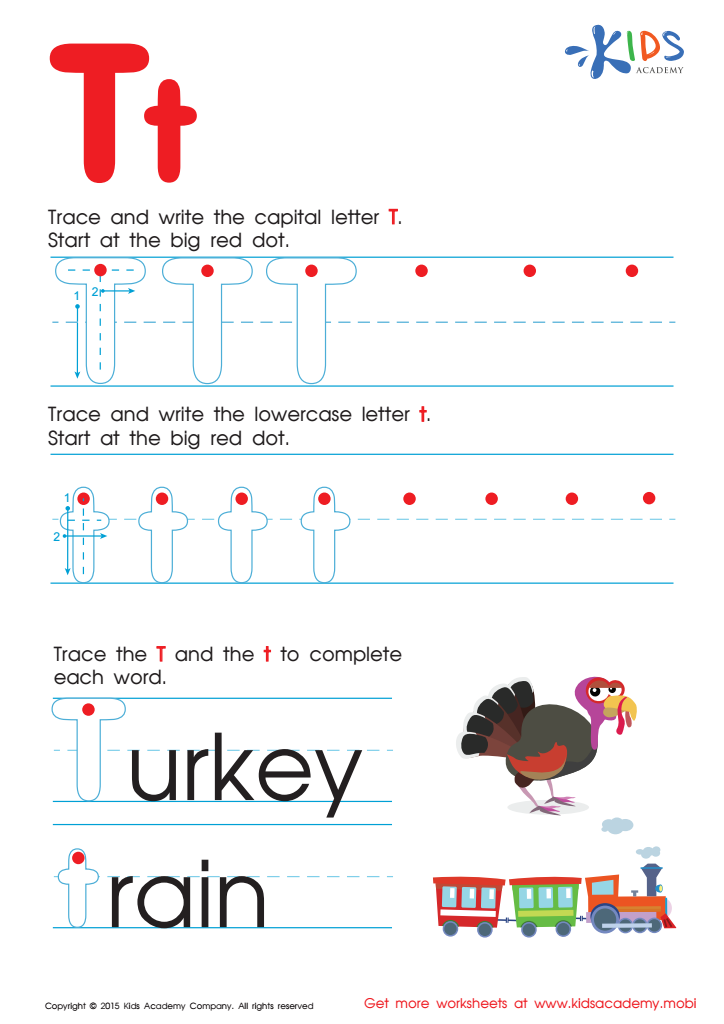
Letter T Tracing Page








Fine motor skills are essential for young children's overall development, particularly in the critical ages of 6-8 where they begin to navigate more complex learning tasks, including literacy. This is a crucial period for letter recognition, an important foundational skill for reading and writing.
Parents and teachers should care about fine motor skills, especially in the context of letter recognition, because these skills support children's ability to manipulate tools such as pencils, scissors, and art supplies. Enhancing fine motor skills allows children to develop greater control and precision in their writing tasks, which is vital for letter formation and spelling.
When children engage in fine motor activities, they also improve their cognitive functions, such as memory, focus, and spatial awareness. A strong correlation exists between well-developed fine motor skills and academic success; children who struggle with these skills may find it difficult to express their ideas in writing or may lag behind in literacy development.
Incorporating extra challenges or activities that promote fine motor skills alongside letter recognition fosters a rich learning environment. This can lead to greater self-confidence and a love for learning, laying the groundwork for academic excellence in future grades. Thus, supporting fine motor development is essential for nurturing successful, independent learners.