Alphabet Recognition Extra Challenge Tracing Letters Worksheets for Ages 6-8
3 filtered results
-
From - To
Unlock your child's potential with our "Alphabet Recognition Extra Challenge Tracing Letters Worksheets" designed specifically for ages 6-8! These engaging worksheets provide an excellent opportunity for children to enhance their letter recognition and tracing skills. Through fun activities, young learners will gain confidence as they practice writing uppercase and lowercase letters accurately. Ideal for both classroom and home use, our worksheets encourage fine motor skills development while making learning enjoyable. Perfect for parents and educators looking to offer an extra challenge, these resources foster a love for language and prepare children for future literacy success. Get started today!
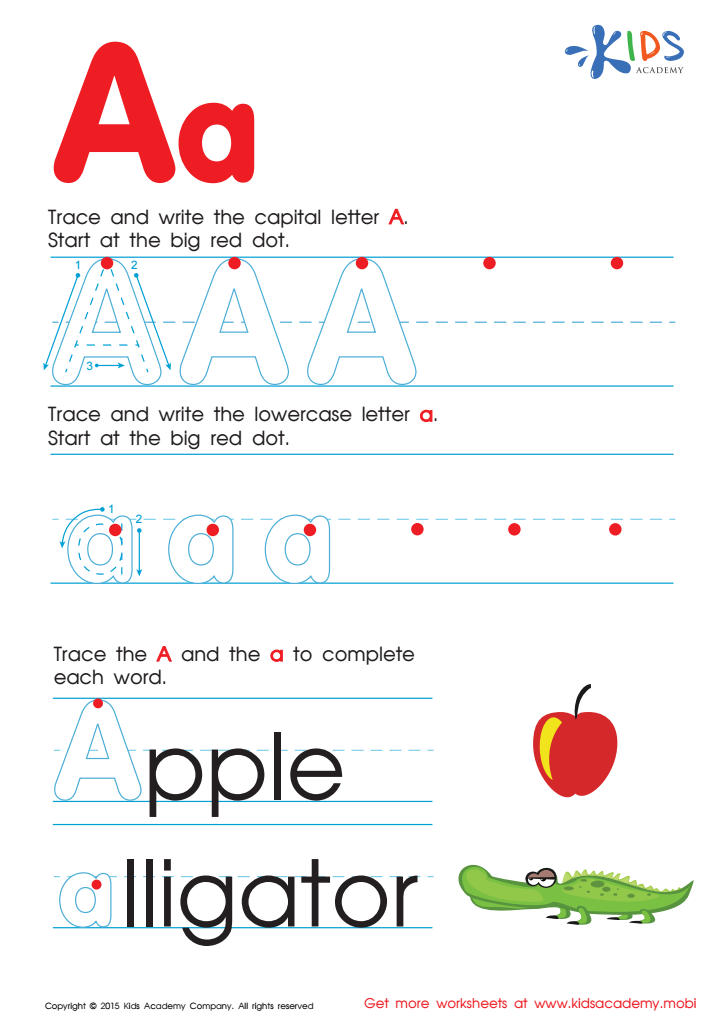
Letter A Tracing Page
 Assign to My Students
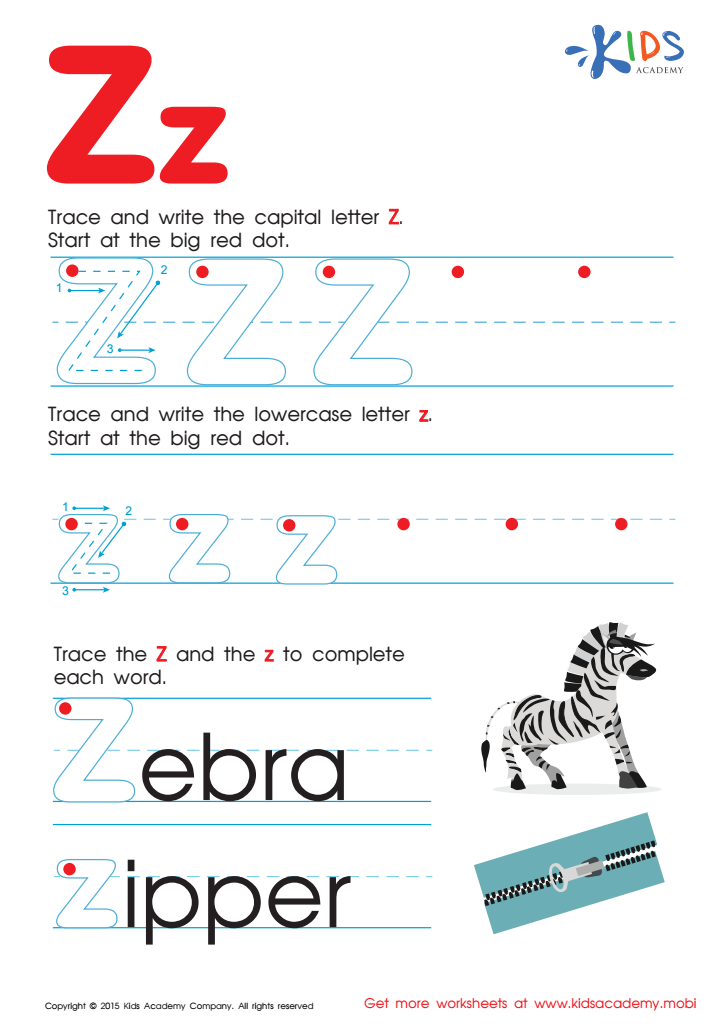
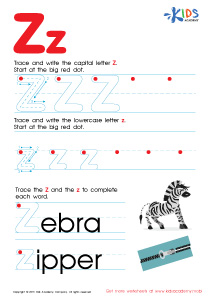
Letter Z Tracing Page
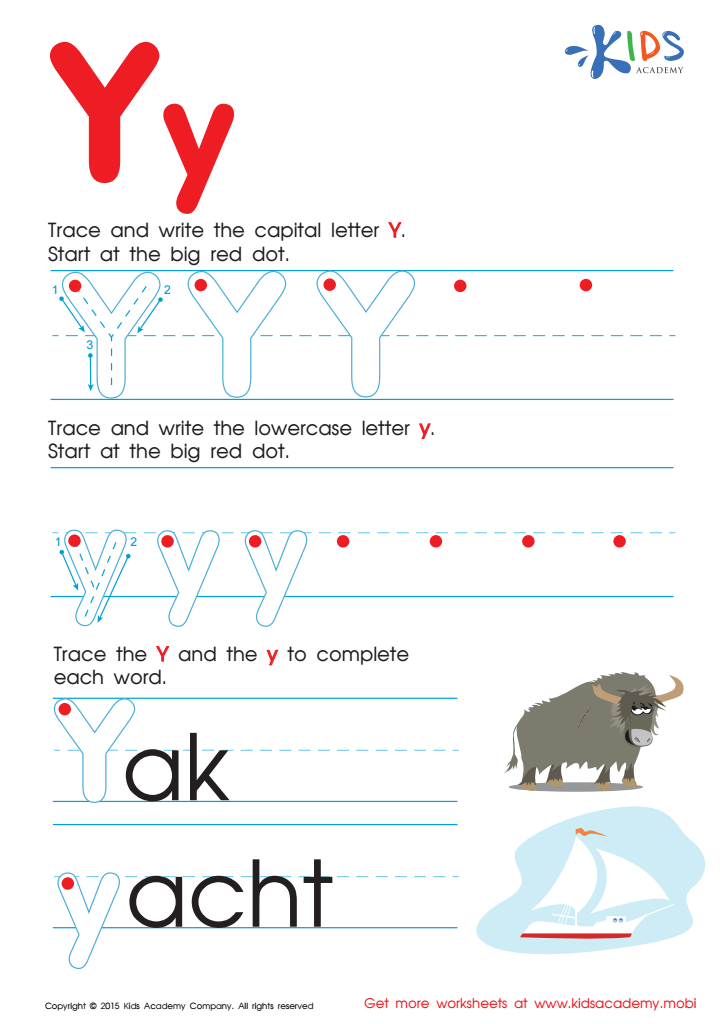
Letter Y Tracing Page








Alphabet recognition is a foundational skill critical for children's early literacy development. The Extra Challenge Tracing Letters activity, designed for ages 6-8, fosters this important skill by promoting recognition of both uppercase and lowercase letters through a hands-on, interactive approach.
Parents and teachers should care about this activity as it directly supports children's reading and writing abilities. Mastering letter recognition boosts a child’s confidence and makes them more eager to engage with books and writing tasks. By tracing letters, children improve their fine motor skills, which are crucial for effective handwriting.
Additionally, engaging with creative challenges like letter tracing can enhance cognitive development by increasing focus and concentration. This activity also provides an opportunity for parents and teachers to bond with children while reinforcing learning in a fun way.
Moreover, it can serve as a stepping stone for understanding phonics, as kids begin to associate sounds with letters they are tracing. In a digital age where screen time often takes precedence, this tactile approach ensures they develop essential skills that will serve them long after they leave the classroom. Prioritizing alphabet recognition through structured challenges is key to setting a solid foundation for lifelong learning.