Basic math concepts Extra Challenge Worksheets for Ages 6-8
3 filtered results
-
From - To
Explore our Basic Math Concepts Extra Challenge Worksheets for Ages 6-8! Specially designed to engage young learners, these worksheets provide a fun and stimulating way for children to master essential math skills. From addition and subtraction to simple geometry and counting by tens, each worksheet aims to build a strong mathematical foundation while pushing students to go beyond their comfort zone. Perfect for classroom use or additional practice at home, these challenges help reinforce learning in an enjoyable, confidence-boosting manner. Try our worksheets now for an exhilarating math adventure that makes learning exciting and fulfilling!
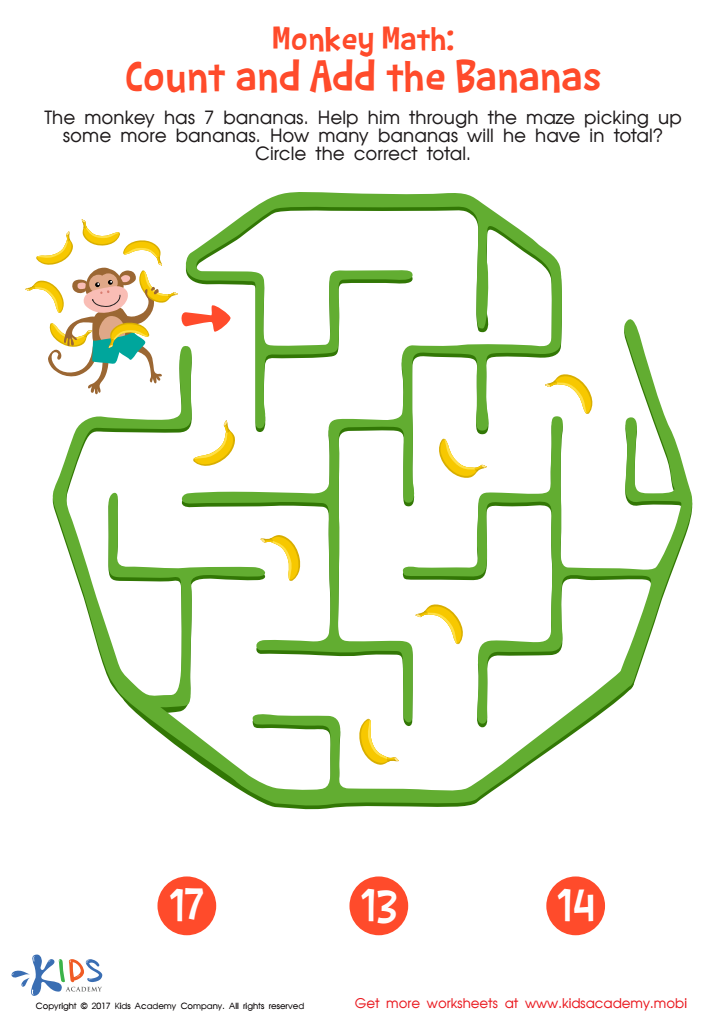
 Assign to My Students
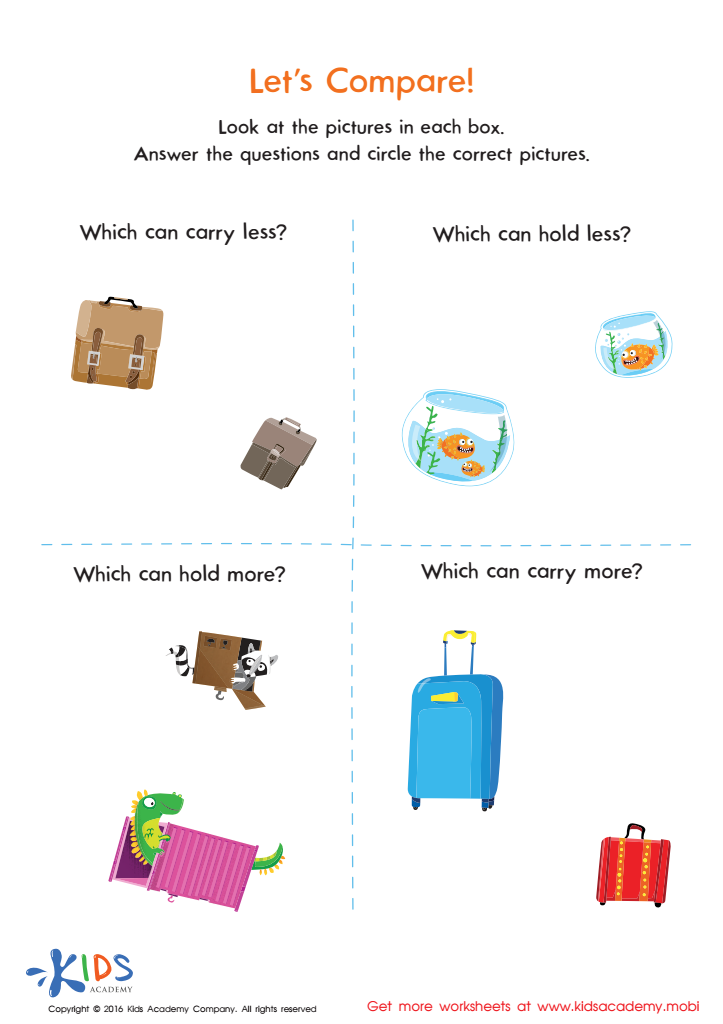
Let's Compare Worksheet: Big or Small
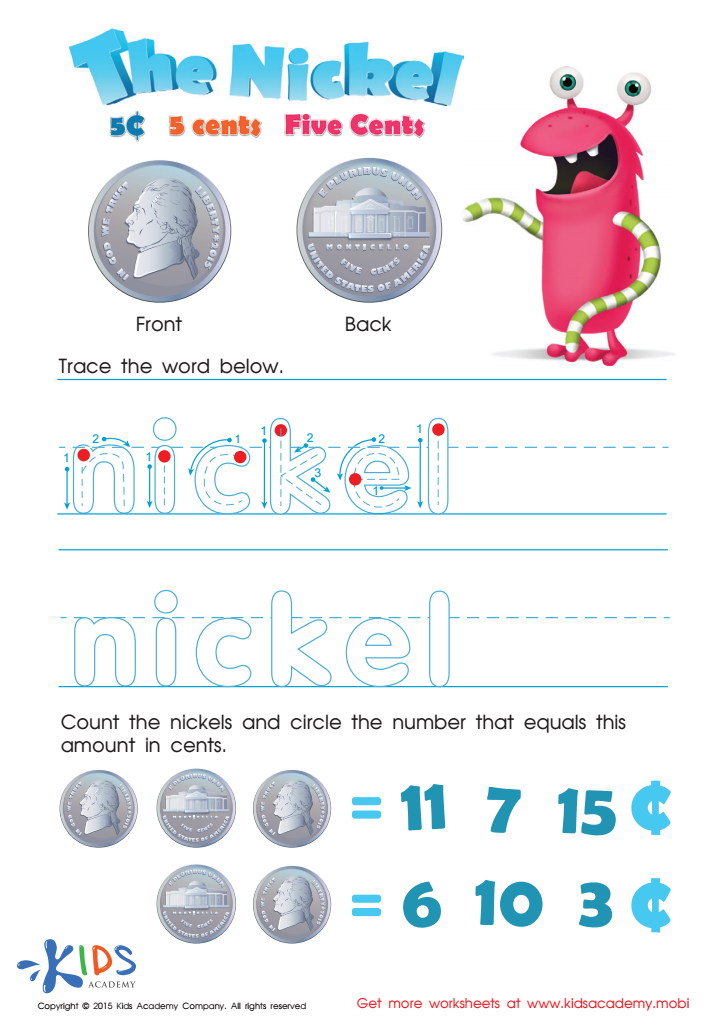
Five Cents or the Nickel Money Worksheet




.jpg)



Parents and teachers should prioritize providing extra challenges for ages 6-8 because foundational math skills are integral to a child's future academic success and daily life. At this age, children are naturally curious and have a remarkable ability to absorb new information. Offering challenging math activities fosters critical thinking, problem-solving, and analytical skills early on. These experiences go beyond memorization, encouraging children to understand concepts deeply and see math as a logical, enjoyable process.
Extra challenges also build confidence. Seeing their progress, children believe in their ability to tackle difficult problems, which can help reduce math anxiety. A strong foundation in basic math concepts opens doors to advanced learning and widely applicable life skills, like budgeting and critical decision-making.
Furthermore, early challenges allow teachers and parents to identify and support uniquely talented students, tailoring instruction to keep them engaged and motivated. Through purposeful, engaging activities, teachers and parents can instill a lifelong love for learning, proving that math is not just a school subject but a fascinating and vital part of the world.
In conclusion, challenging young children with complex math problems is crucial. It plants the seeds for a strong educational foundation, nurturing confident, capable future learners and thinkers.








