Logical thinking improvement Extra Challenge Worksheets for Ages 6-8
3 filtered results
-
From - To
Enhance your child's cognitive skills with our expertly designed "Logical Thinking Improvement Extra Challenge Worksheets for Ages 6-8." These engaging resources foster critical thinking, problem-solving, and analytical abilities. Each worksheet is packed with age-appropriate puzzles, riddles, and activities that challenge kids to think outside the box. Perfect for home or classroom use, our worksheets build a strong foundation for future learning. Tailored to keep young minds active and entertained while developing essential skills, these worksheets make learning fun and impactful. Give your child the gift of improved logical thinking and prepare them for academic success.
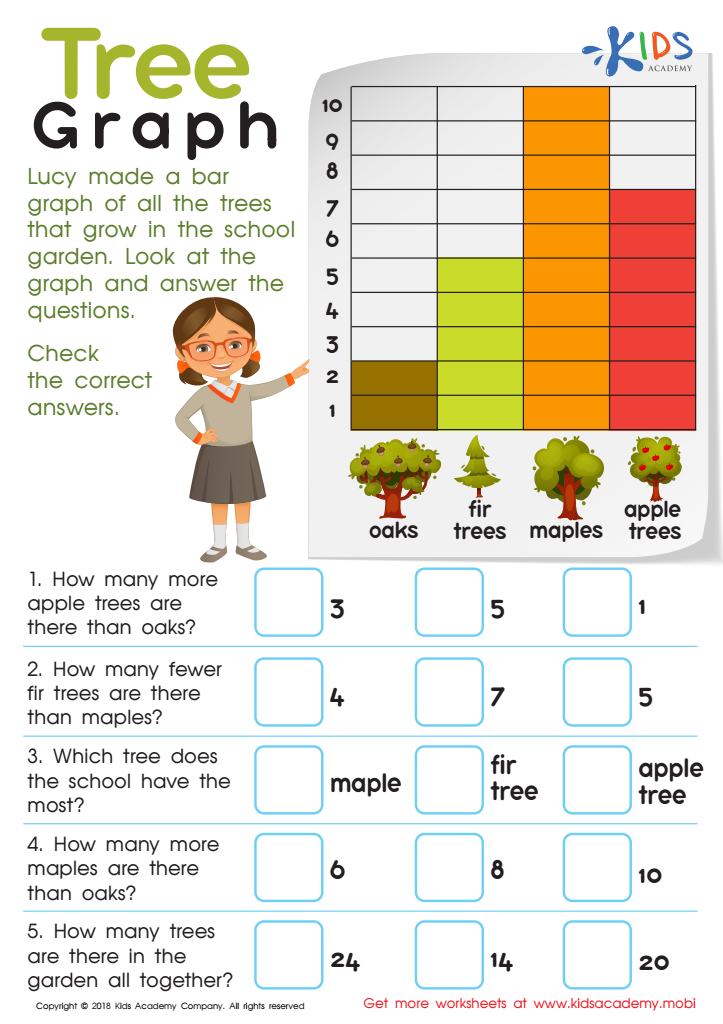
Tree Graph Worksheet
 Assign to My Students
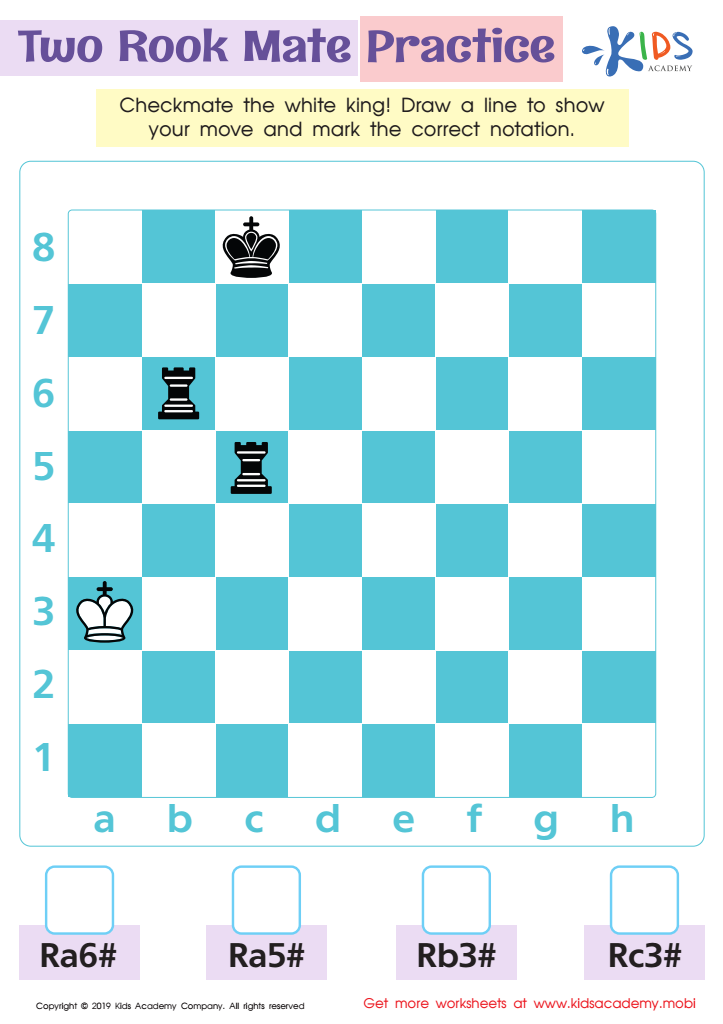
Two Rook Mate Practice Worksheet
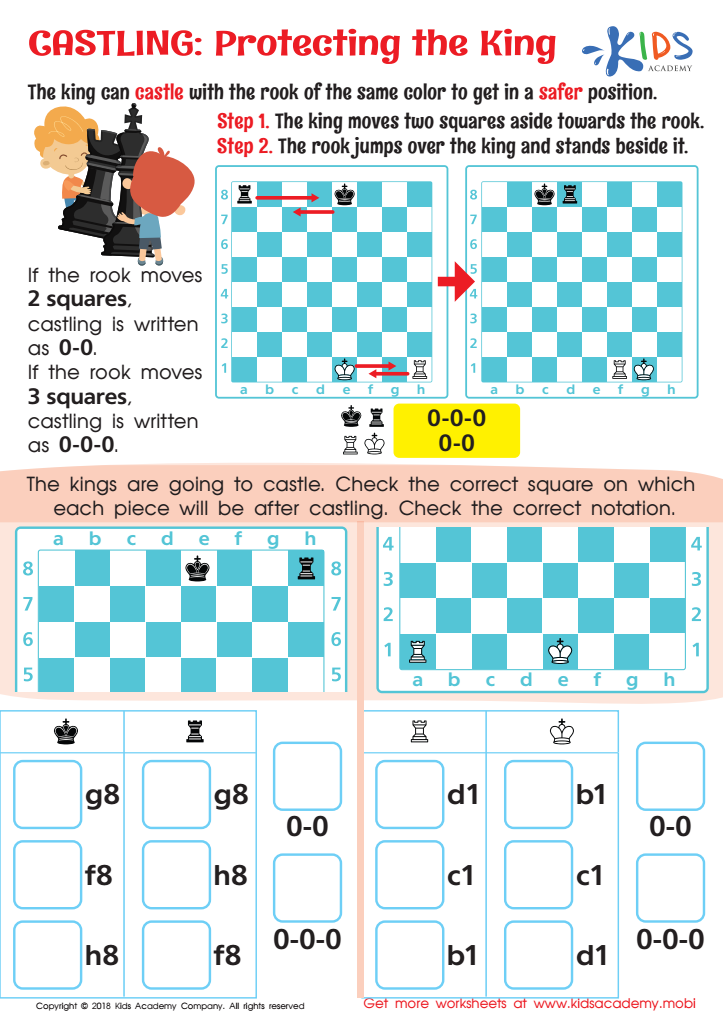
Castling: Protecting the King Worksheet








During the early developmental stages, ages 6-8, children’s brains are highly malleable and ready to absorb new concepts and skills. Fostering logical thinking at this stage is crucial for numerous reasons. Firstly, logical thinking skills form the bedrock for problem-solving. When children engage in activities that enhance logical thinking, they learn to analyze situations, identify patterns, decide on a course of action, and anticipate consequences. These abilities are not only fundamental in academic endeavors but are also essential life skills.
Moreover, improving logical thinking at a young age directly supports the development of math and reading skills. For instance, understanding sequences, recognizing relationships between numbers, and comprehending story plots rely heavily on logical thought processes. Children who strengthen their logical thinking abilities often find it easier to grasp complex concepts, paving the way for success in higher education and various career paths.
Additionally, encouraging logical thinking nurtures confidence and independence. By challenging them with logical exercises, we empower children to trust their reasoning and make decisions autonomously. This sense of self-reliance is crucial for personal growth and resiliency.
Therefore, parents and teachers should prioritize logical thinking improvement exercises, recognizing their far-reaching impact on cognitive development, academic success, and social-emotional growth in young children.








