Cognitive Development Extra Challenge Math Worksheets for Ages 6-8 - Page 2
27 filtered results
-
From - To
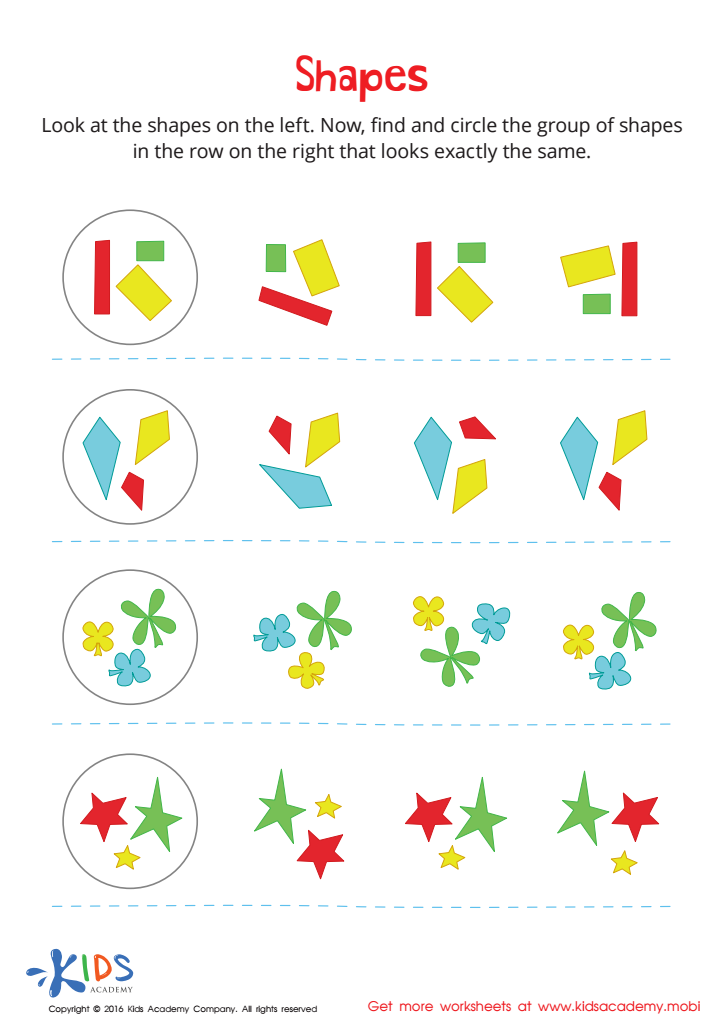
Shapes Worksheet
 Assign to My Students
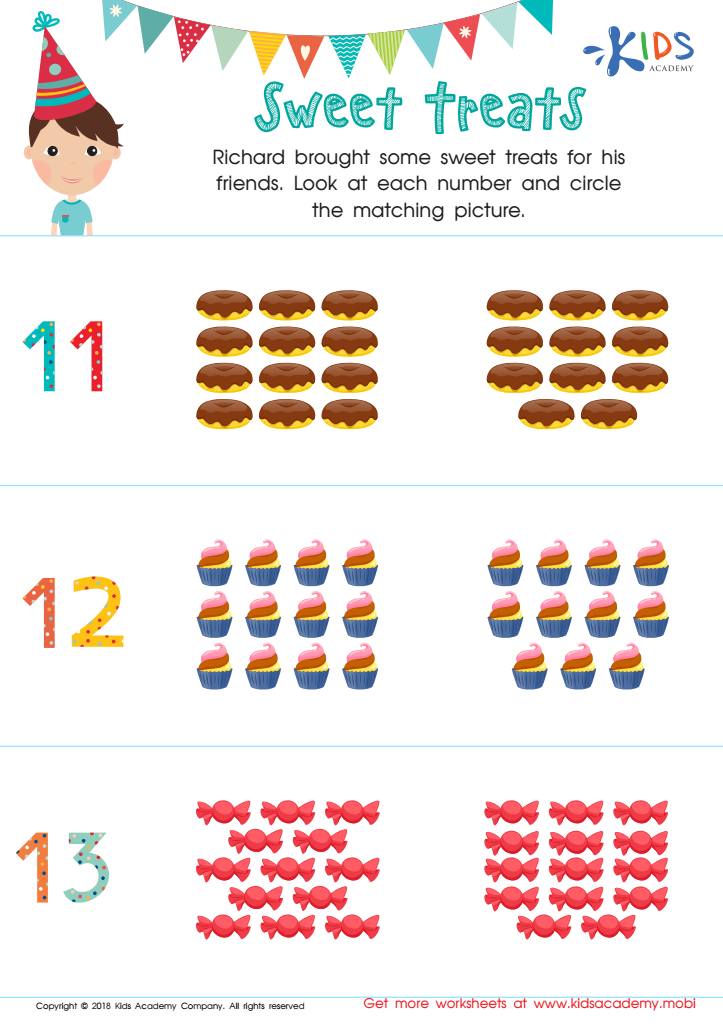
Kindergarten Math Worksheet Matching Numbers
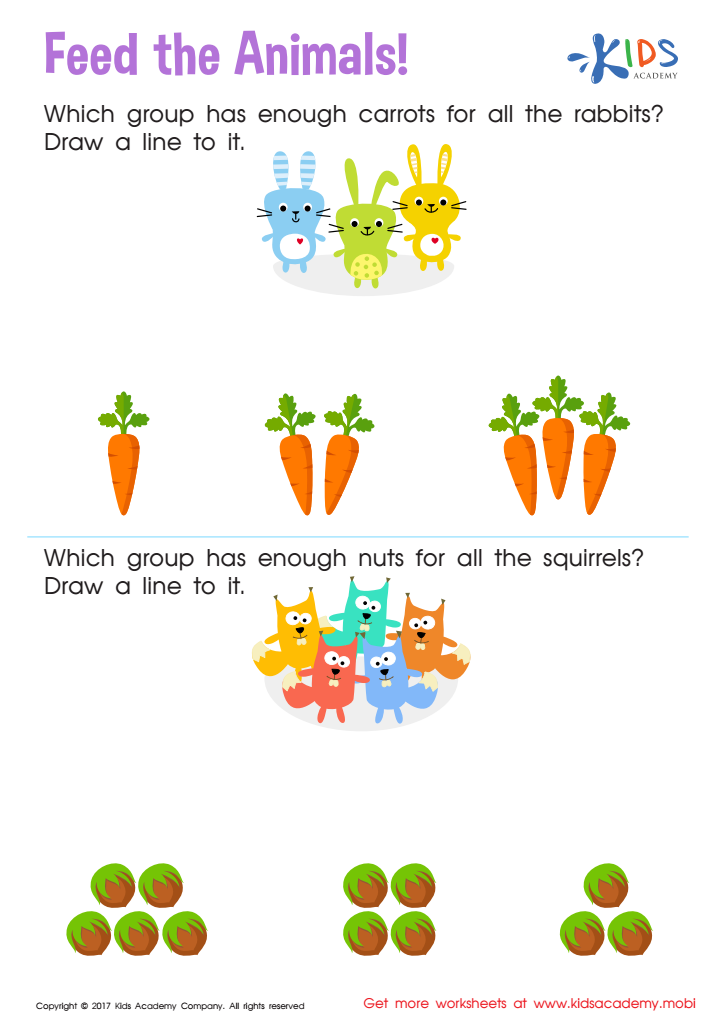
Count and Match: Feed the Animals Worksheet




.jpg)

.jpg)

Cognitive development is crucial for young learners, as it forms the foundation for problem-solving, critical thinking, and academic success. For parents and teachers, incorporating Cognitive Development Extra Challenge Math for ages 6-8 provides an engaging way to enhance these vital skills.
This program encourages children to explore mathematical concepts deeply, fostering an analytical mindset. Unlike traditional methods that may emphasize rote memorization, these challenges stimulate curiosity and creativity, which are essential for holistic cognitive growth. By working through extra math challenges, students learn to approach problems from multiple angles, enhancing their reasoning abilities.
Furthermore, children's cognitive development varies widely at this age. The supplementary challenges cater to diverse learning paces and styles, promoting inclusivity. As students tackle these math tasks, they build resilience, perseverance, and confidence in their abilities—qualities invaluable in and out of the classroom.
Parents and teachers play a critical role in guiding and encouraging this learning. By recognizing the importance of advanced cognitive challenges, they empower children to reach their full potential, nurturing a love for math and learning that can last a lifetime. Adopting such progressive teaching approaches better prepares children for future academic pursuits and everyday problem-solving.