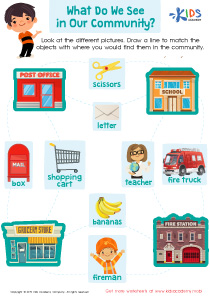
Understanding patterns Extra Challenge Multiplication Worksheets for Ages 6-8
3 filtered results
-
From - To
Unlock your child's mathematical potential with our "Understanding Patterns Extra Challenge Multiplication Worksheets" designed for ages 6-8. These interactive worksheets engage young learners to explore multiplication through the lens of patterns, enhancing their critical thinking skills. By identifying and applying patterns, kids will discover the relationships in multiplication, making the learning process both fun and effective. Our collection features a variety of challenges that cater to different learning styles, ensuring every child can grasp the concept. Perfect for supplemental practice at home or in the classroom, these worksheets provide the ideal preparation for future math success. Dive into a world of patterns today!
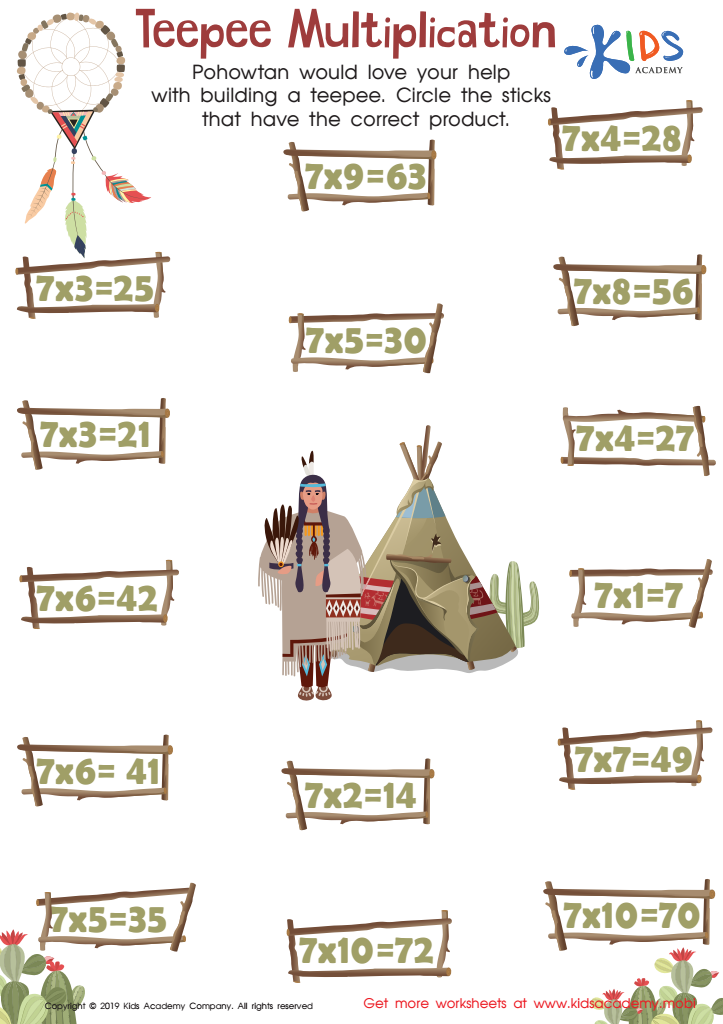
Teepee Multiplication Worksheet
 Assign to My Students
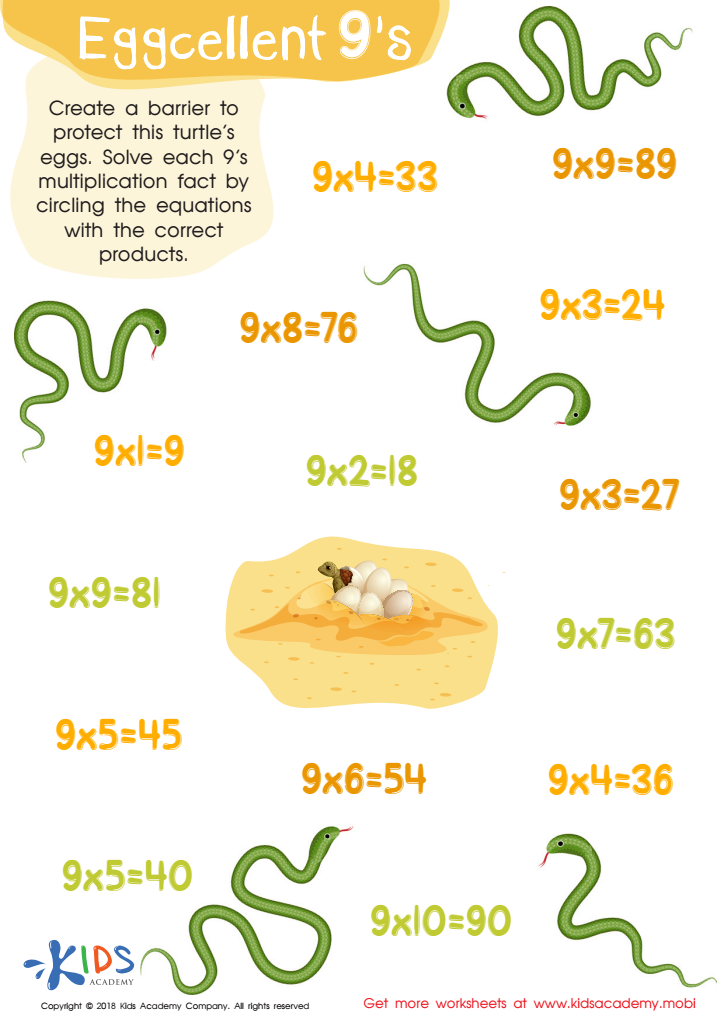
Eggcellent 9’s Worksheet
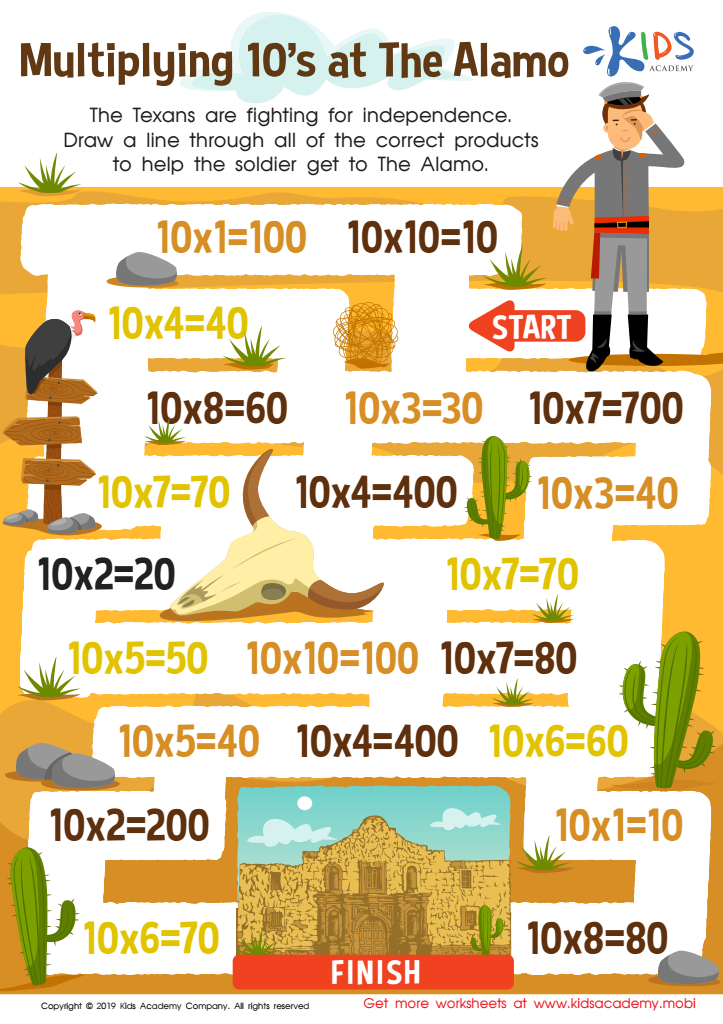
Multiplying 10’s at The Alamo Worksheet








Understanding patterns in mathematics is crucial for children aged 6-8, particularly when it comes to mastering multiplication. By engaging with patterns, children develop a strong foundational understanding which aids in problem-solving and fosters mathematical thinking. Parents and teachers should care about this extra challenge for several reasons.
Firstly, recognizing patterns helps students make number sense of their world. For instance, they can identify patterns in multiplication tables (e.g., recognizing that multiplying by 5 always ends in 0 or 5). This not only simplifies calculations but also boosts their confidence in tackling larger math problems.
Secondly, pattern recognition is a vital skill for higher-order math concepts beyond elementary school. It encourages critical thinking and analytical skills that are integral to subjects like algebra and geometry. By understanding these foundational patterns early on, students are better prepared for future academic challenges.
Finally, encouraging mastery of multiplication through pattern recognition can make learning more engaging and enjoyable. When students see the connections, they may find joy in exploration and discovery, which can foster a positive attitude toward math as a whole. Therefore, parents and teachers play a significant role in nurturing these skills, ensuring children grasp the essential building blocks of mathematics.