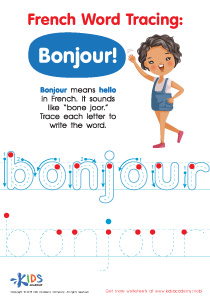
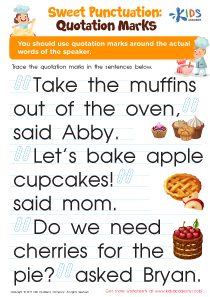
Vocabulary development Extra Challenge Writing Worksheets for Ages 6-8
3 filtered results
-
From - To
Enhance your child's vocabulary with our engaging "Vocabulary Development Extra Challenge Writing Worksheets" designed for ages 6-8! These worksheets provide stimulating activities that encourage kids to explore and expand their language skills. Each worksheet features creative prompts and challenges that promote critical thinking and expression, making learning fun! Perfect for home or classroom use, these resources cater to diverse learning styles, ensuring every child can thrive. With a variety of themes and difficulty levels, our worksheets foster a love for language and empower young learners to become confident writers. Unlock your child’s potential in vocabulary development today!
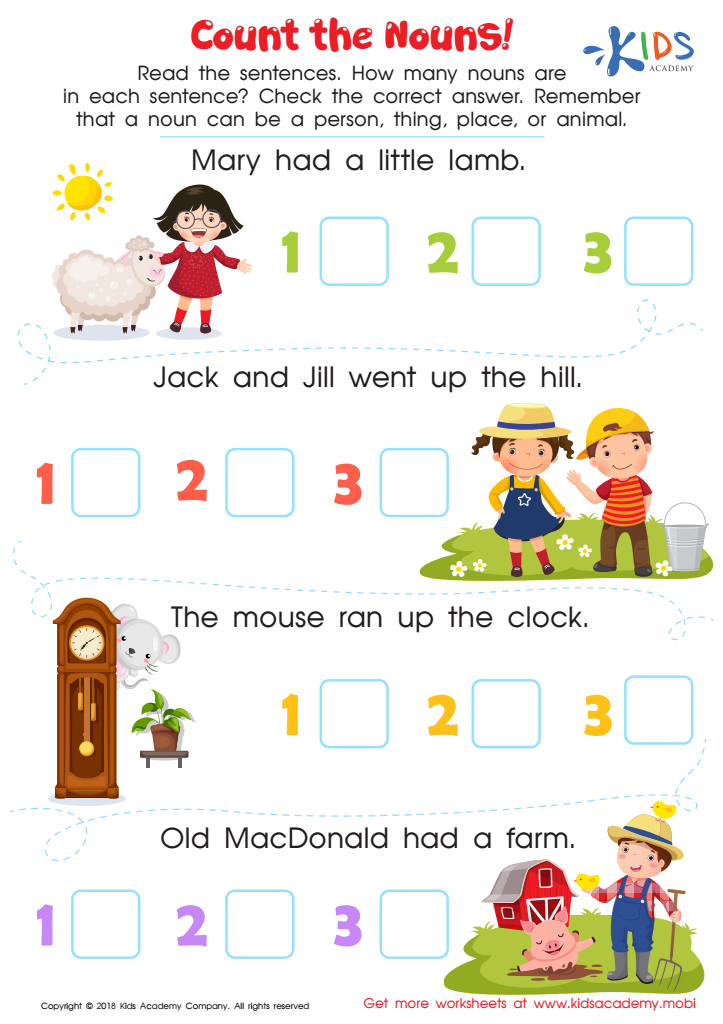
Count the Nouns Worksheet
 Assign to My Students
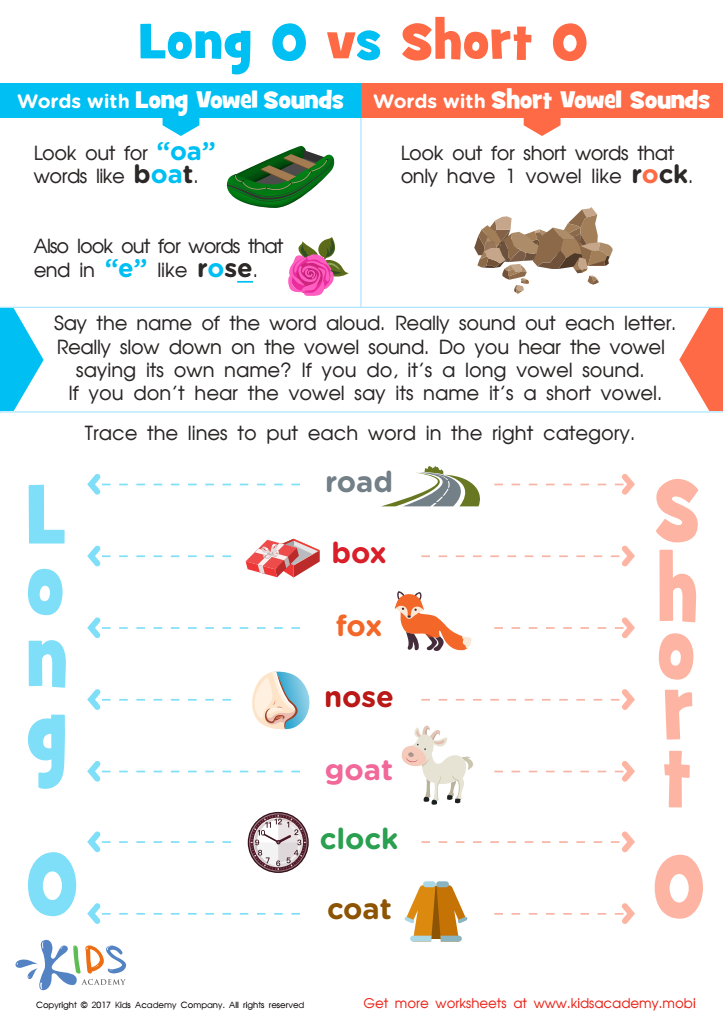
Long and Short Vowel O Spelling Worksheet
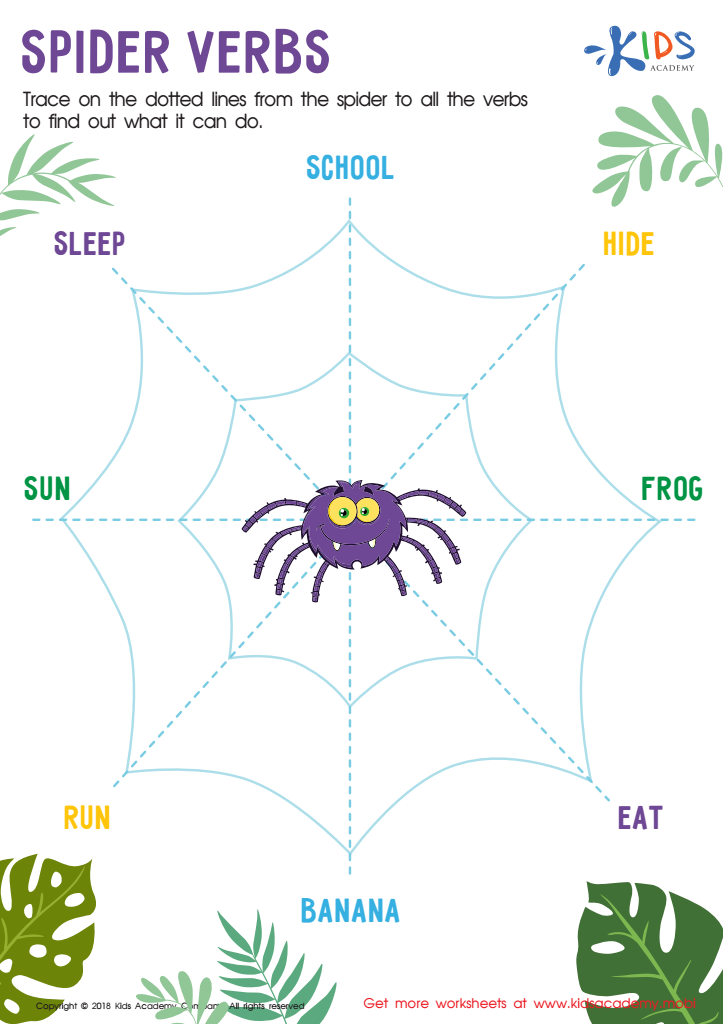
Spider Verbs Worksheet







Vocabulary development is crucial for children aged 6-8, as it lays the foundation for their reading, writing, and communication skills. At this age, children are increasingly exposed to more complex words and ideas, which enhances their understanding of the world around them. A rich vocabulary enables them to express their thoughts clearly, engage in discussions, and build relationships with peers and adults.
Parents and teachers should prioritize vocabulary development because it directly impacts academic success. A strong vocabulary correlates with better reading comprehension, which is essential for understanding textbooks and other educational materials. Additionally, children with a robust vocabulary tend to perform better in standardized tests, opening doors to future educational opportunities.
Moreover, vocabulary building fosters cognitive development. It encourages critical thinking, problem-solving, and creativity, as children learn to associate words with meanings and concepts. Engaging activities like story-telling, word games, and discussions can be fun and effective ways to enhance vocabulary.
Ultimately, investing in vocabulary development equips children with essential skills for lifelong learning. Parents and teachers play a vital role in nurturing this growth, leading to confident communicators who are ready to tackle the challenges of their educational journey.