Extra Challenge Beginning Consonants Worksheets for Ages 6-9
3 filtered results
-
From - To
Enhance your child's reading skills with our "Extra Challenge Beginning Consonants Worksheets" specially designed for ages 6-9! These engaging worksheets focus on helping kids recognize and master beginning consonant sounds, laying a solid foundation for phonics and reading fluency. Each worksheet is packed with fun activities that incorporate illustrations and interactive exercises to make learning enjoyable. Ideal for extra practice at school or at home, these resources are perfect for developing early literacy skills. Watch as your little ones gain confidence and excitement in their reading journey! Visit our site to access a variety of challenging yet captivating worksheets today!
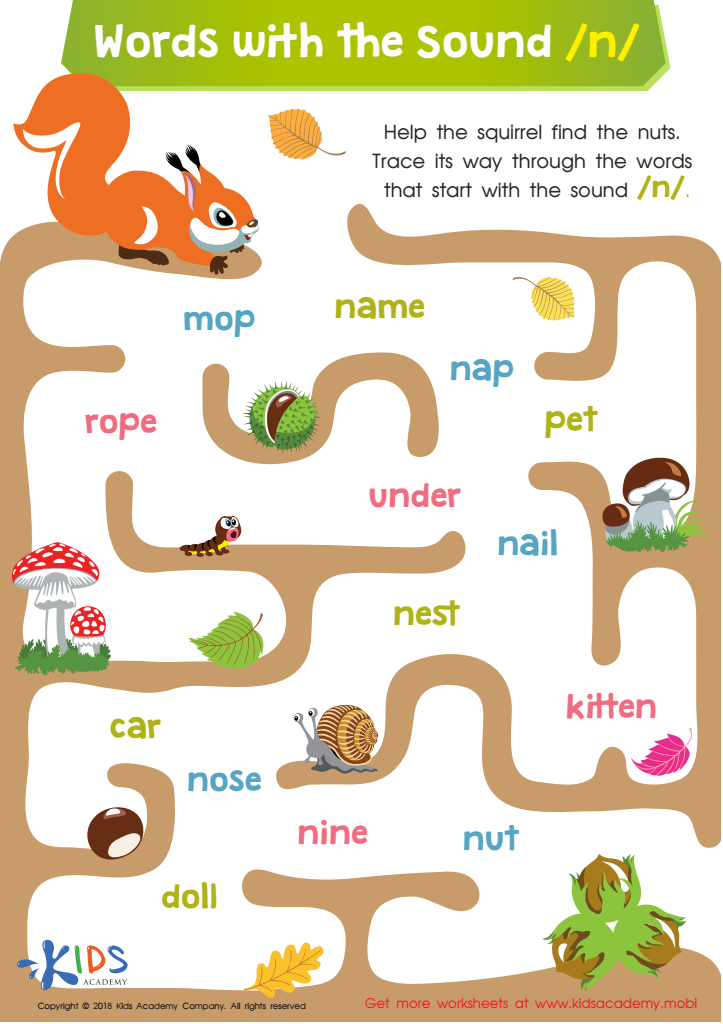
Words with Sound N Reading Worksheet
 Assign to My Students
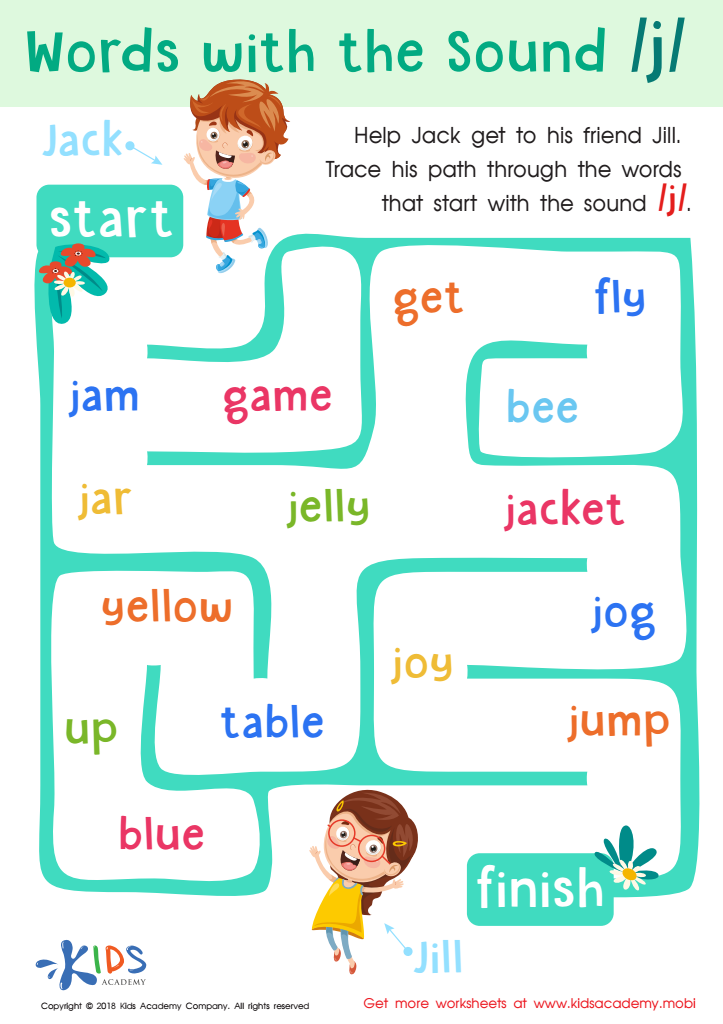
Words with sound j Reading Worksheet
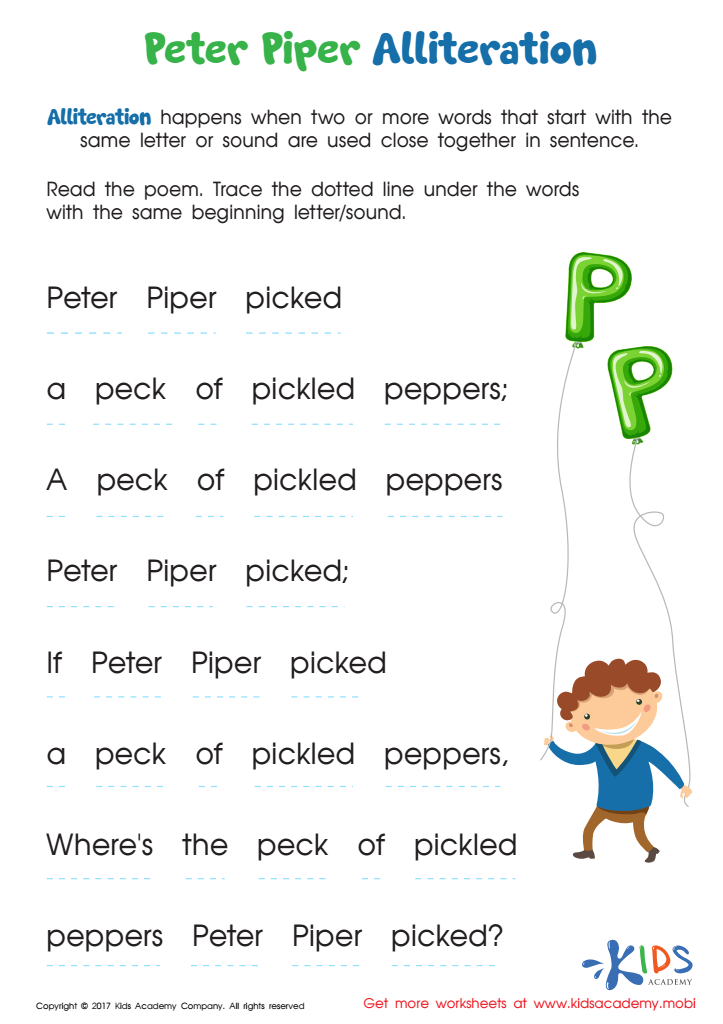
Peter Piper Alliteration Worksheet


Understanding beginning consonants is crucial for children aged 6-9 as they form the foundational building blocks of reading and writing. Early mastery of beginning sounds enhances phonemic awareness, which is essential for decoding words. This skill is pivotal as it prepares students for more complex literacy tasks as they progress in their education.
Parents and teachers should care about Extra Challenge Beginning Consonants because these activities engage children in a targeted way, promoting not only recognition of sounds but also confidence in their reading abilities. By providing specific challenges, educators can cater to diverse learning needs, helping struggling readers catch up while ensuring advanced students are appropriately challenged.
Enhanced recognition of beginning consonants improves vocabulary acquisition and comprehension, enabling children to become more fluent readers. Additionally, incorporating fun and interactive methodologies, such as games and songs centered on consonants, can stimulate children’s interests, fostering a love for literacy.
Finally, early literacy skills provide long-term academic benefits—students with strong foundational skills are more likely to succeed in later grades. Therefore, prioritizing Extra Challenge Beginning Consonants at this developmental stage equips young learners for future success in both literacy and overall academic achievement.








