Extra Challenge Building Vocabulary Worksheets for Ages 6-9 - Page 2
27 filtered results
-
From - To
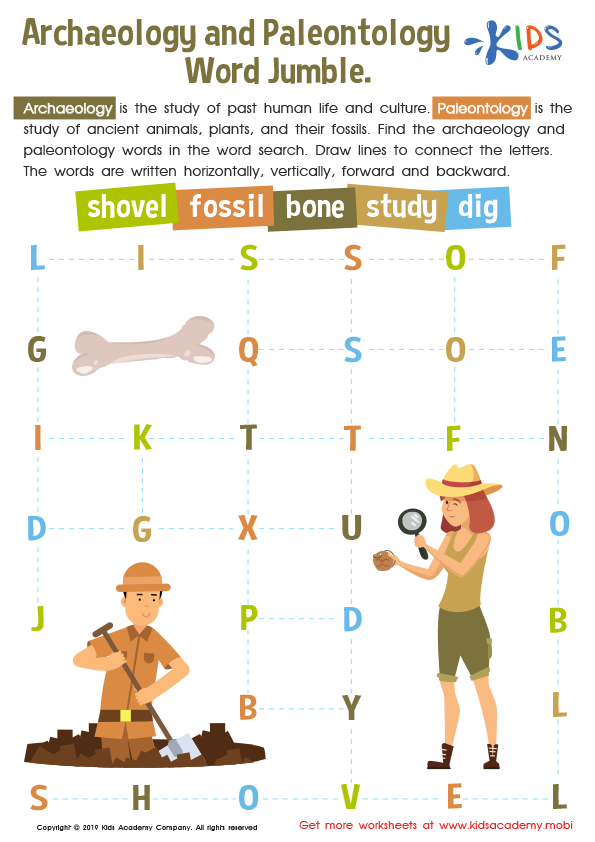
Archaeology and Paleontology Word Jumble Worksheet
 Assign to My Students











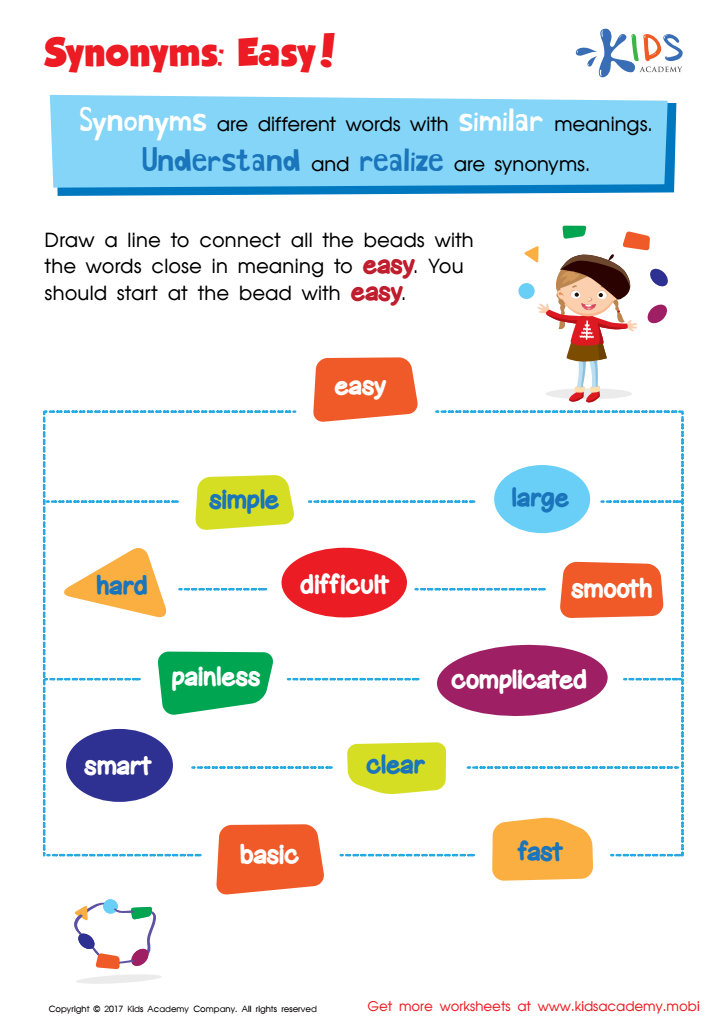
Free Synonym Worksheet
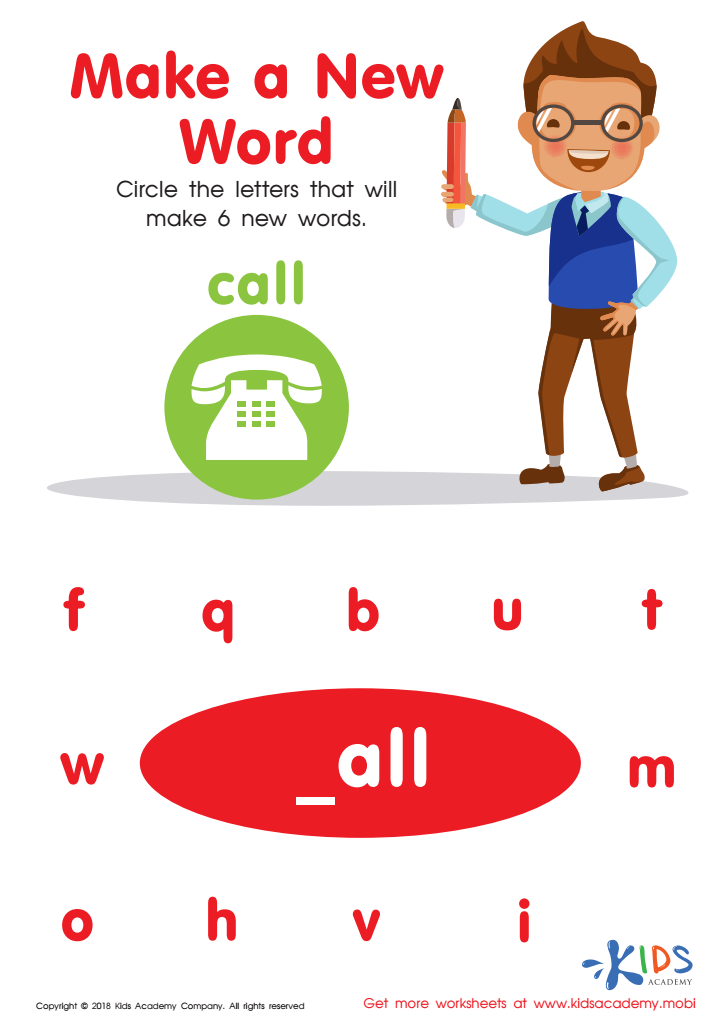
Make a New Word Worksheet







Building vocabulary for children aged 6-9 is crucial for their academic and social development, making it an important focus for both parents and teachers. At this age, children are increasing their exposure to more complex texts and conversations, laying the groundwork for their reading comprehension and communication skills. A robust vocabulary empowers children to express their thoughts, feelings, and ideas more effectively, fostering self-confidence and engagement in social interactions.
Additionally, vocabulary development is directly linked to overall literacy skills. It enhances their ability to understand and analyze texts, enabling them to excel in school subjects beyond reading, such as science and social studies. A richer vocabulary also allows children to articulate questions and curiosity, strengthening critical thinking and inquiry skills.
Moreover, early vocabulary building can potentially level the playing field for children from diverse backgrounds who may not have the same language exposure. Consistent efforts to introduce new words in enjoyable and meaningful ways—such as through reading, games, and conversations—can make vocabulary acquisition a delightful experience. Thus, prioritizing vocabulary development is essential for parents and teachers to ensure children are equipped with the tools they need for future success in life and learning.