Problem-Solving Skills Extra Challenge Building Vocabulary Worksheets for Ages 6-9
5 filtered results
-
From - To
Enhance your child's learning experience with our "Problem-Solving Skills Extra Challenge Building Vocabulary Worksheets" designed for ages 6-9. These engaging worksheets combine vocabulary building with critical thinking, encouraging children to think creatively while expanding their word knowledge. Each activity presents a unique challenge that promotes reasoning and problem-solving abilities, making learning both fun and effective. Ideal for at-home practice or supplementary classroom activities, these worksheets will help young learners to improve their language skills, boost their confidence, and develop a love for learning. Empower your child to tackle problems with improved vocabulary and a strong mindset!
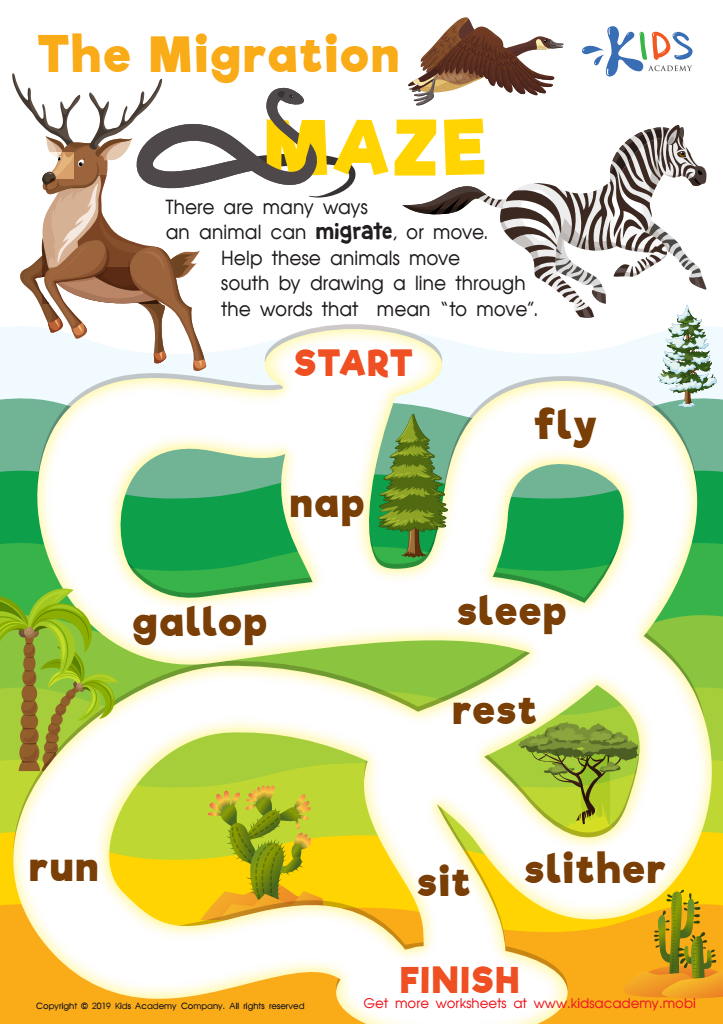
The Migration Maze Worksheet
 Assign to My Students











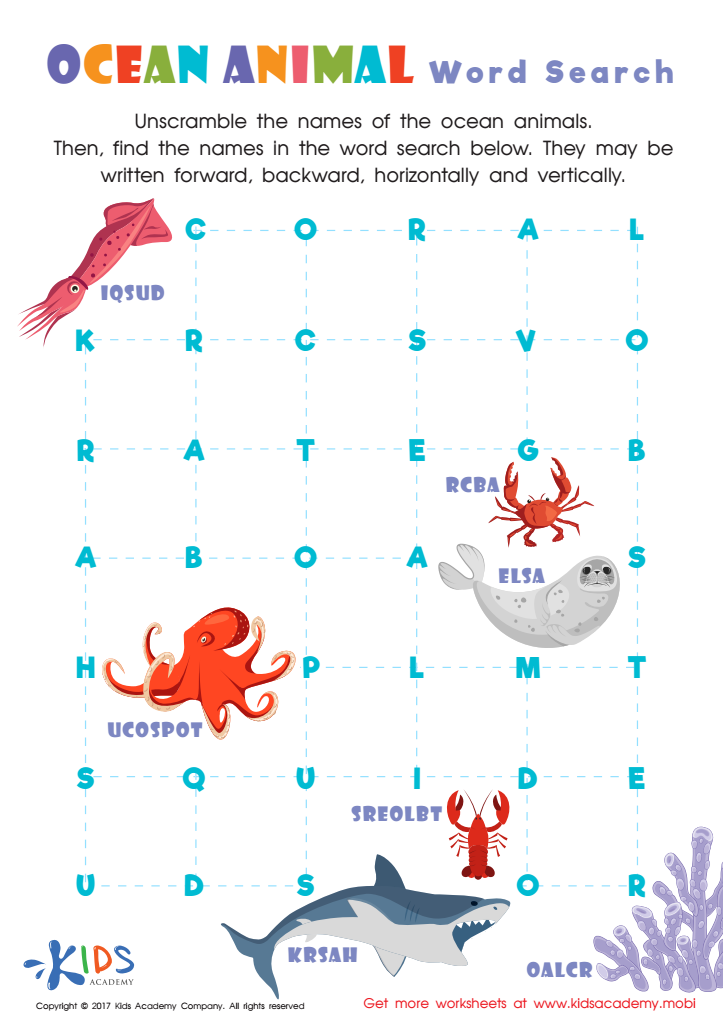
Ocean Animals Word Search Printable
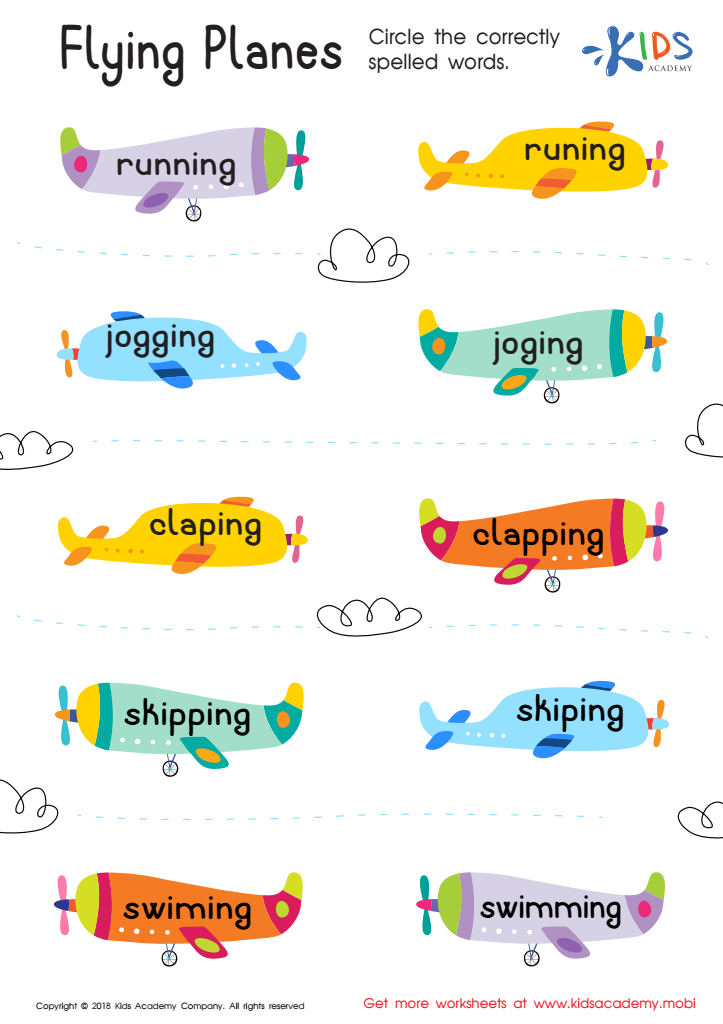
Flying Planes Worksheet
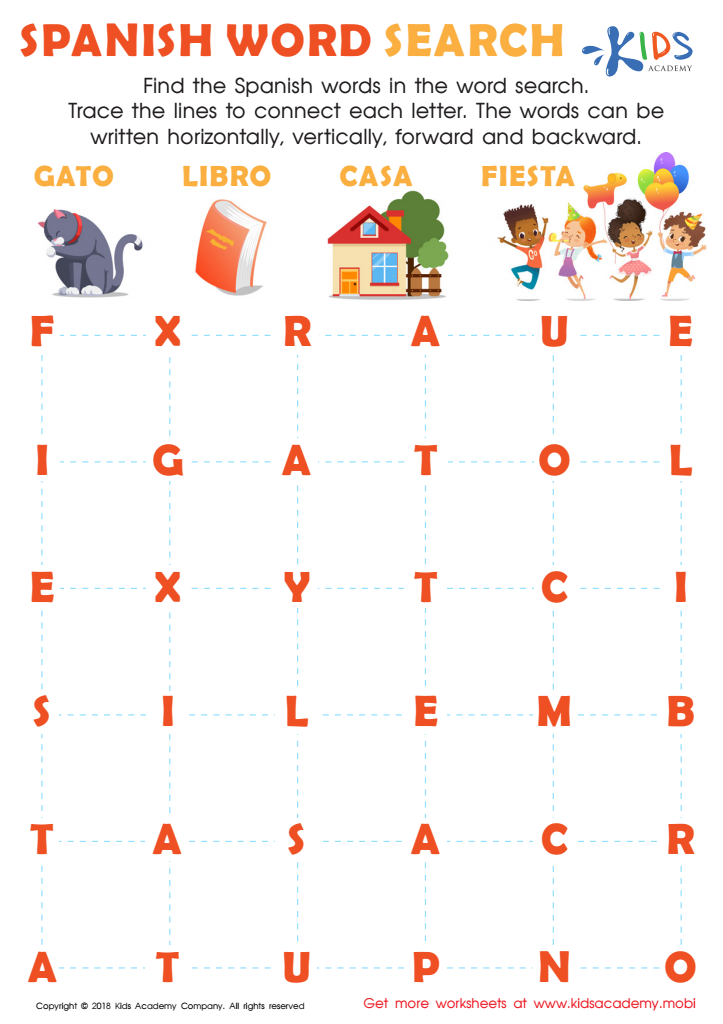
Spanish Word Search Worksheet
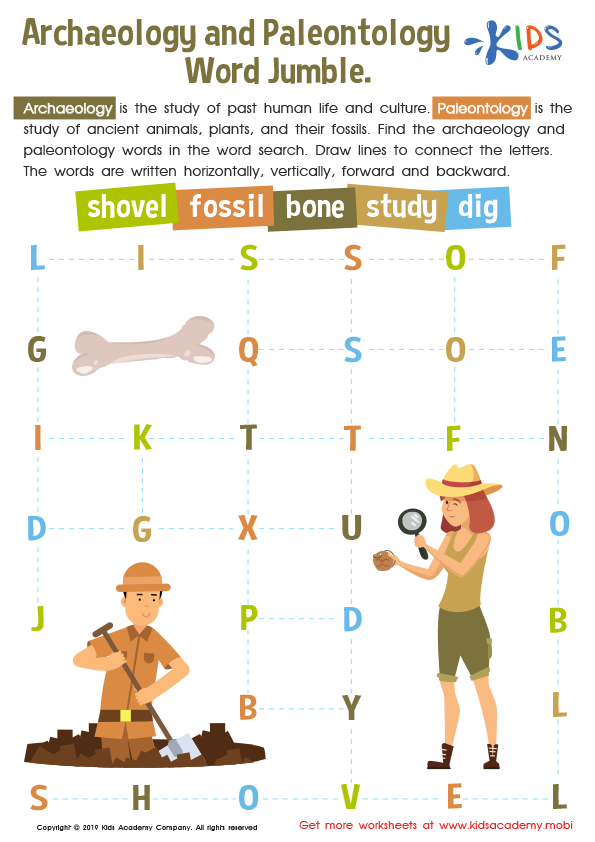
Archaeology and Paleontology Word Jumble Worksheet








Problem-solving skills are essential for young learners aged 6-9, as they lay the foundation for critical thinking, creativity, and resilience. By engaging in extra challenges that enhance these skills, children learn to approach problems logically, evaluate different solutions, and think independently, preparing them for complex tasks later in life. These skills cultivate self-confidence and a willingness to tackle difficult tasks instead of shying away from them.
Building vocabulary is equally crucial during this developmental stage. A rich vocabulary allows children to express their thoughts clearly, understand instructions better, and engage in more profound discussions. It also supports comprehension in reading and communication across subjects. The ability to articulate ideas increases children's communication prowess, making them more effective problem solvers.
Parents and teachers play a vital role in fostering both problem-solving abilities and vocabulary development. By integrating fun challenges and vocabulary-building exercises into daily routines, they can create an enriching environment that nurtures these skills. This dual focus not only enhances academic success but also prepares children for real-world scenarios where both problem-solving and effective communication are paramount. Empowering young learners with these competencies equips them for future challenges, creating eager, confident, and capable individuals.