Extra Challenge Writing Worksheets for Ages 6-9 - Page 3
52 filtered results
-
From - To
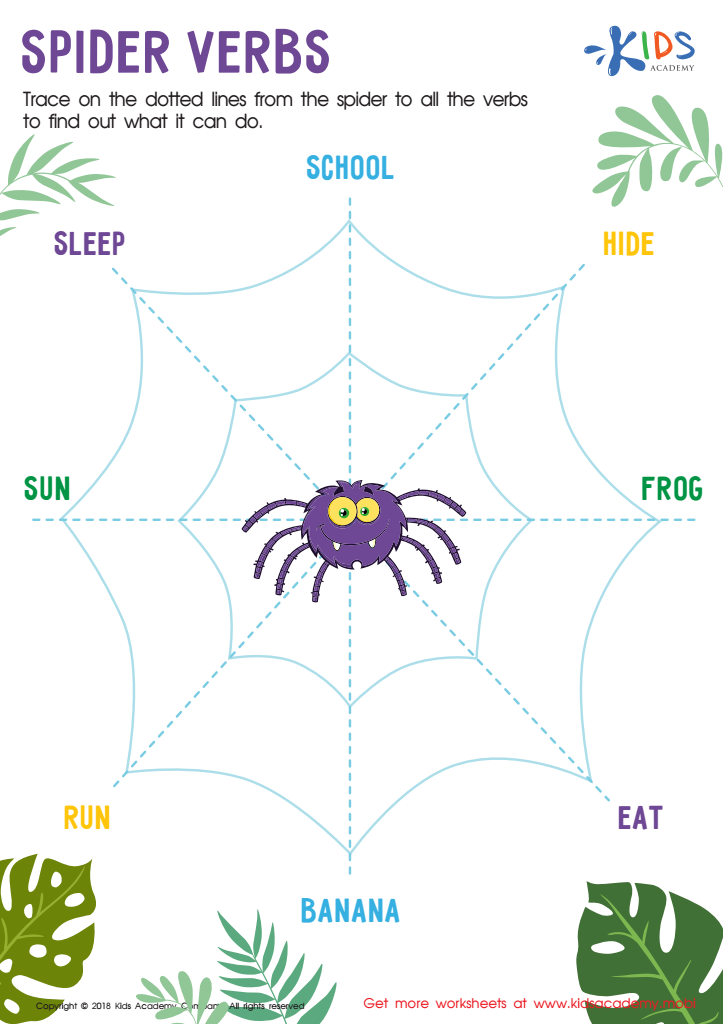
Spider Verbs Worksheet
 Assign to My Students
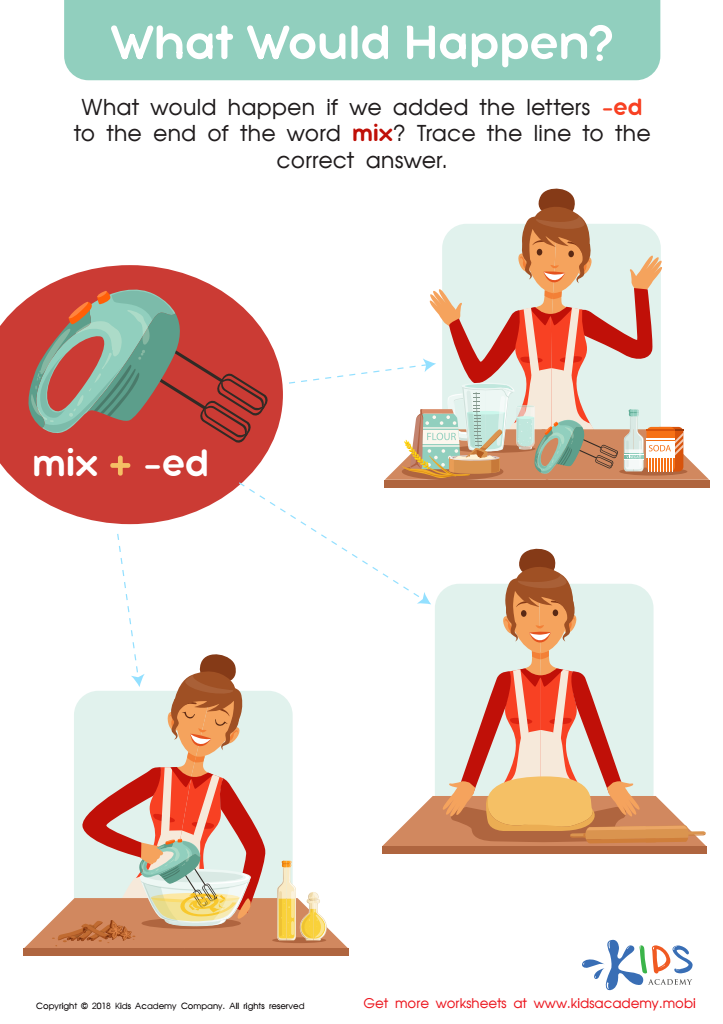
What Would Happen? Worksheet
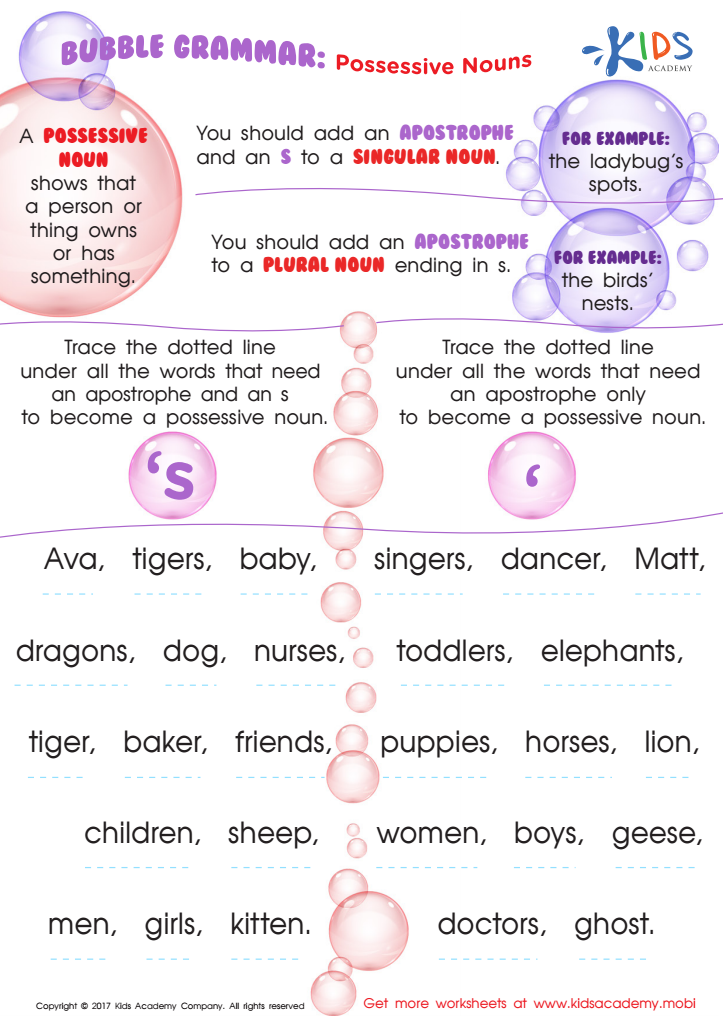
Possessive Nouns Worksheet for Grade 3 PDF
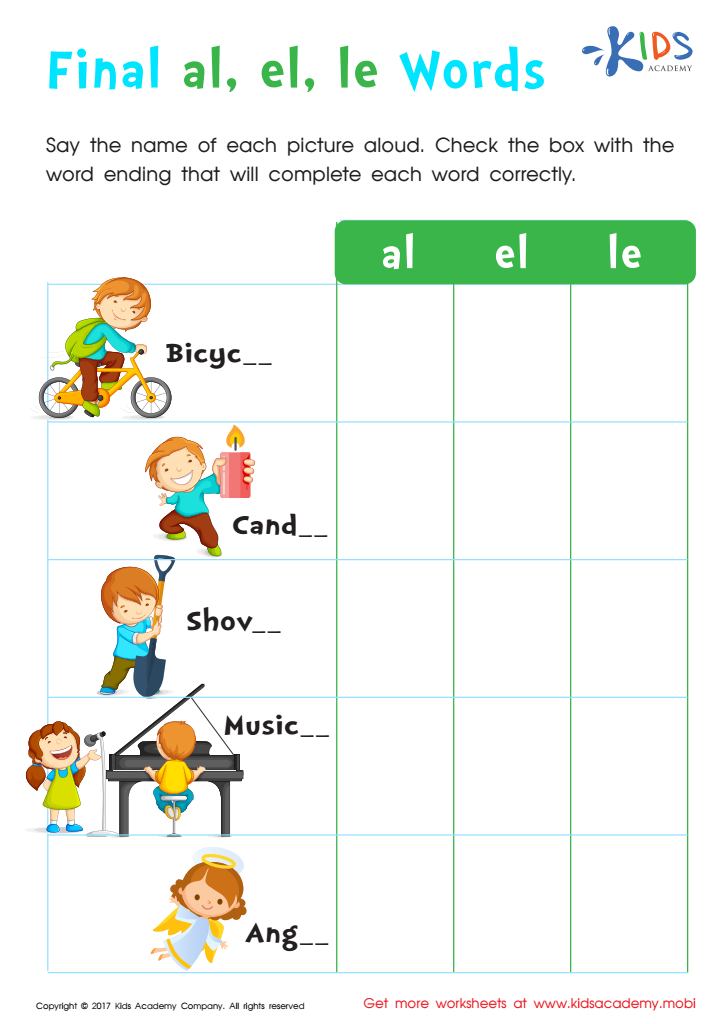
Spelling Words Ending with –le, –el and –al Worksheet








Extra Challenge Writing for ages 6-9 is crucial for developing children's literacy skills, critical thinking, and creativity. This stage in early education is vital as students transition from learning to read to reading to learn. Engaging in writing activities provides a foundation for effective communication, helping children express their thoughts and emotions.
Parents and teachers should prioritize Extra Challenge Writing because it fosters essential skills such as problem-solving, organization, and the ability to convey ideas clearly. By allowing children to explore different writing styles and prompts, they can discover their unique voice and style, fostering a sense of confidence and ownership over their learning.
Additionally, writing presents an opportunity for children to delve deeper into subjects they are passionate about, encouraging a love for learning that extends beyond the classroom. It also serves as a medium for self-reflection, enabling young writers to understand themselves better.
Furthermore, Extra Challenge Writing helps in assessing a child's comprehension and creativity, allowing parents and teachers to identify strengths and areas for growth early on. By incorporating these writing challenges, we can empower our children to become thoughtful, articulate individuals who can navigate the complexities of the world ahead.