Fine Motor Skills Extra Challenge Letter Recognition Worksheets for 6-Year-Olds
7 filtered results
-
From - To
Our "Fine Motor Skills Extra Challenge Letter Recognition Worksheets" for 6-year-olds are designed to enhance letter recognition while developing essential fine motor skills. These engaging worksheets offer a variety of activities, such as tracing, connecting dots, and creative coloring tasks that encourage children to better control their hand movements. Perfect for early learners, these challenges not only make learning fun, but also foster concentration and motor skill enhancement. Ideal for both classroom and home use, these worksheets support literacy development and provide a solid foundation for reading readiness. Get ready to spark your child’s curiosity through hands-on learning experiences!
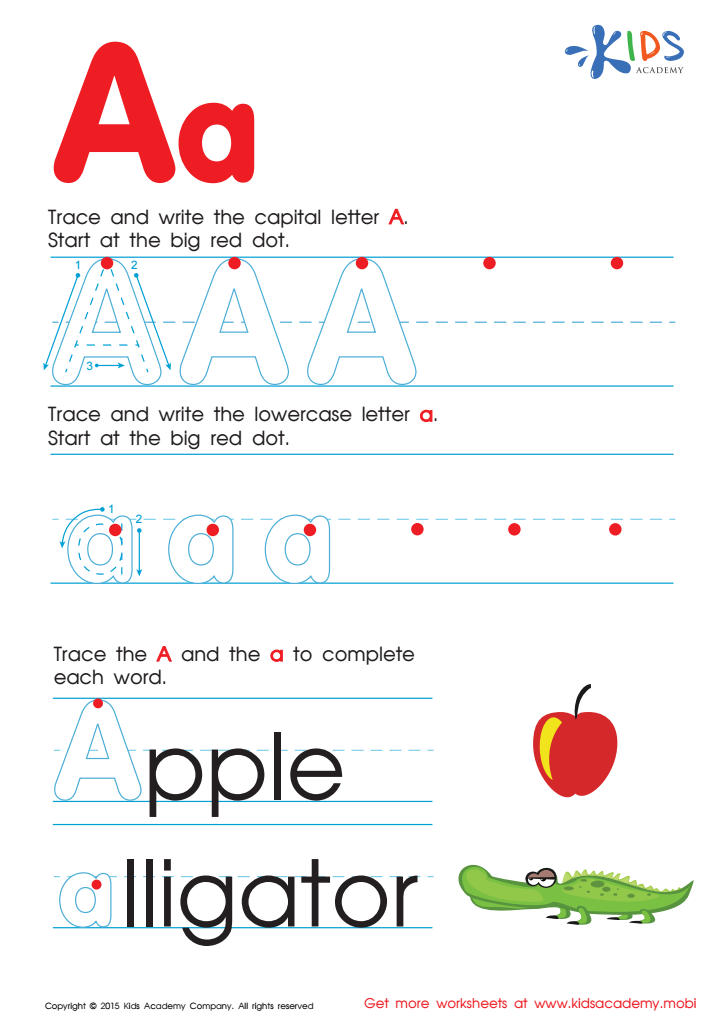
Letter A Tracing Page
 Assign to My Students
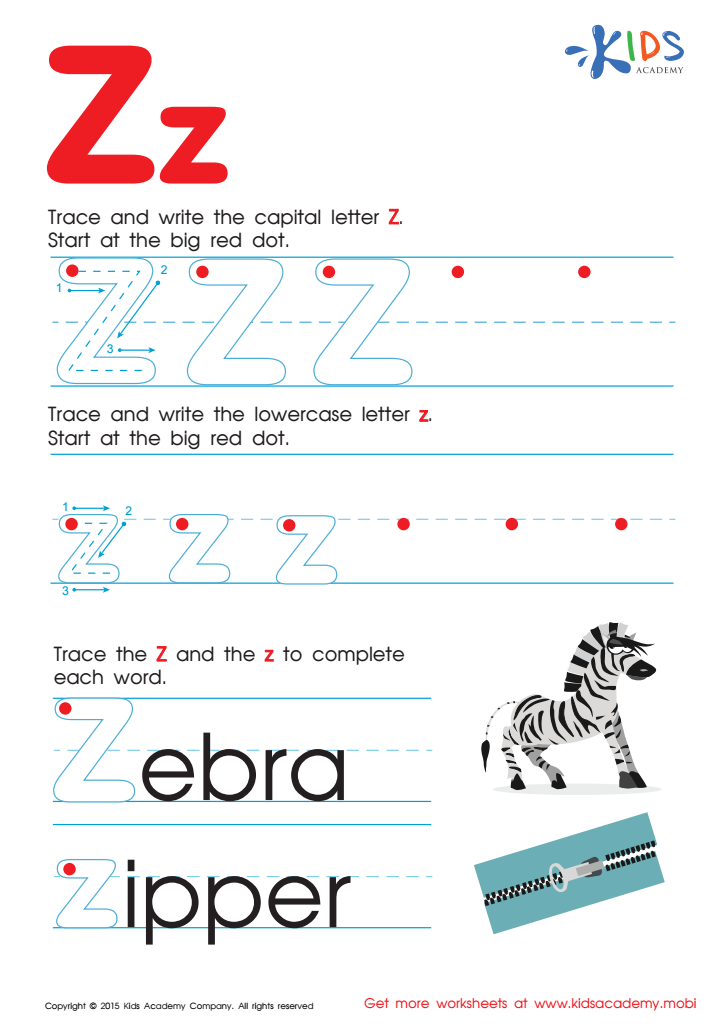
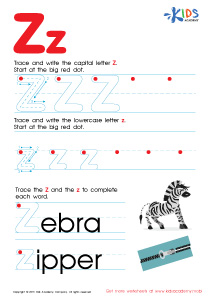
Letter Z Tracing Page
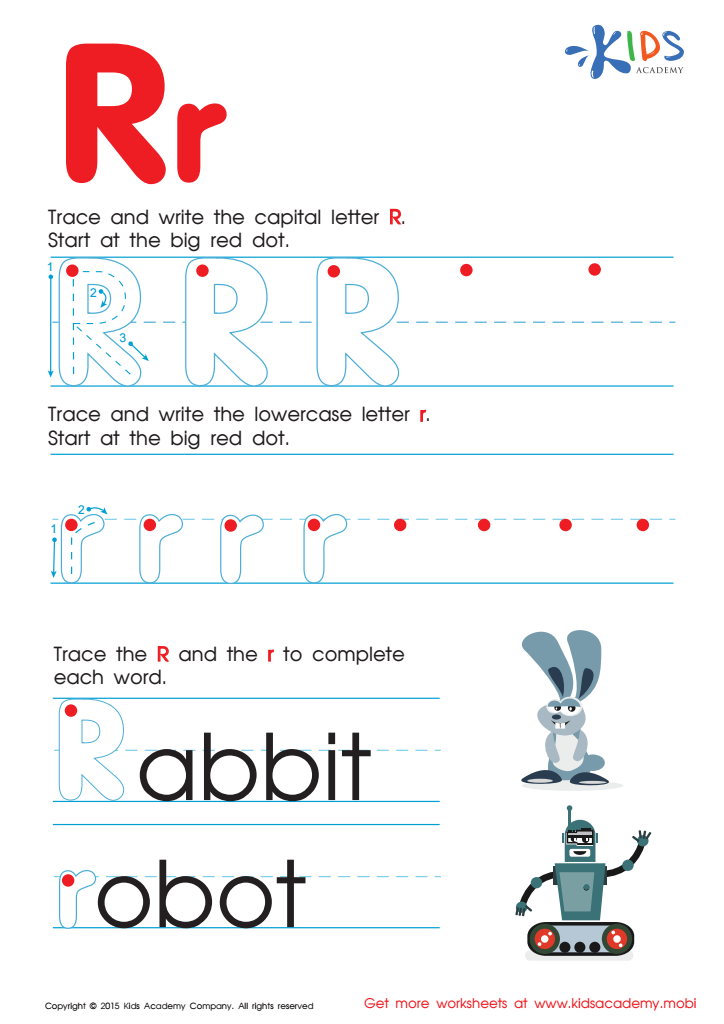
Letter R Tracing Page
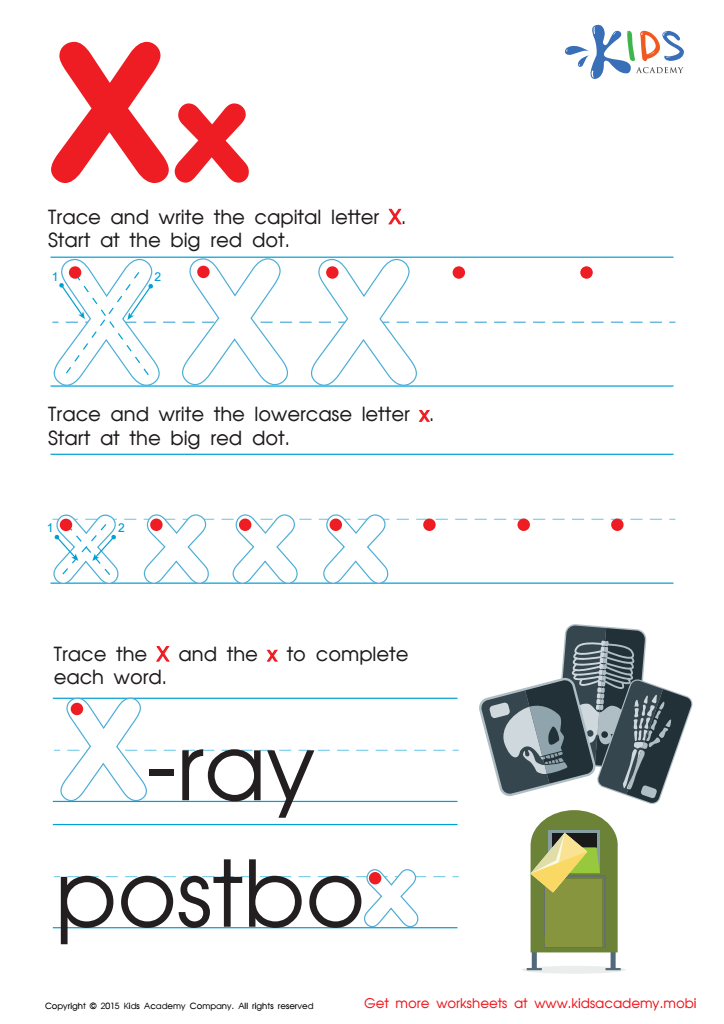
Letter X Tracing Page
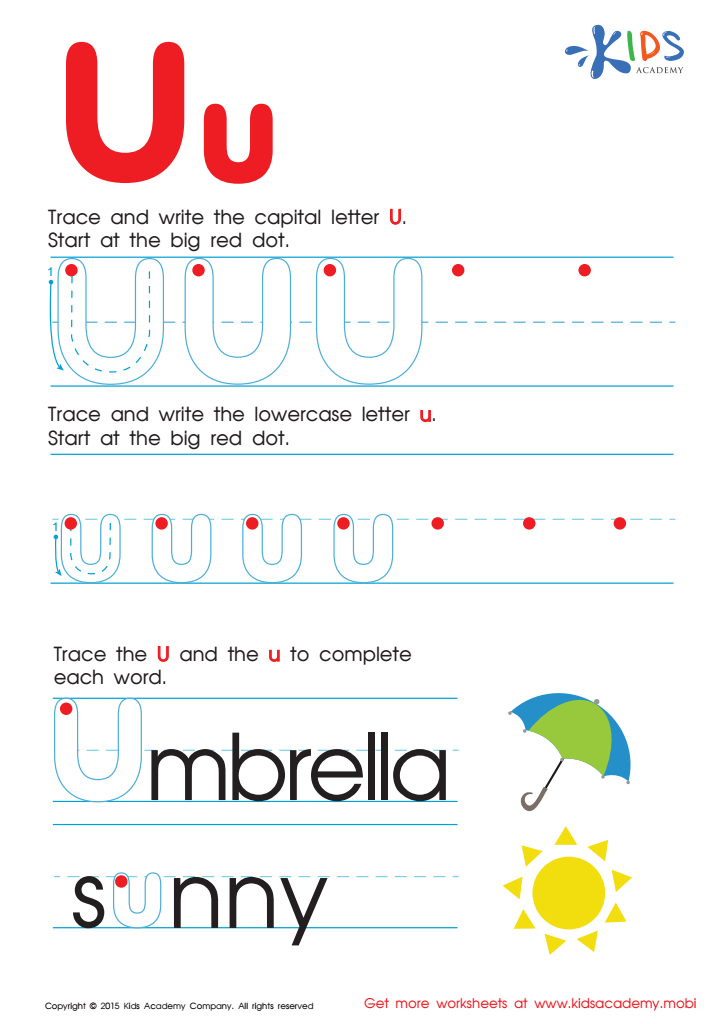
Letter U Tracing Page
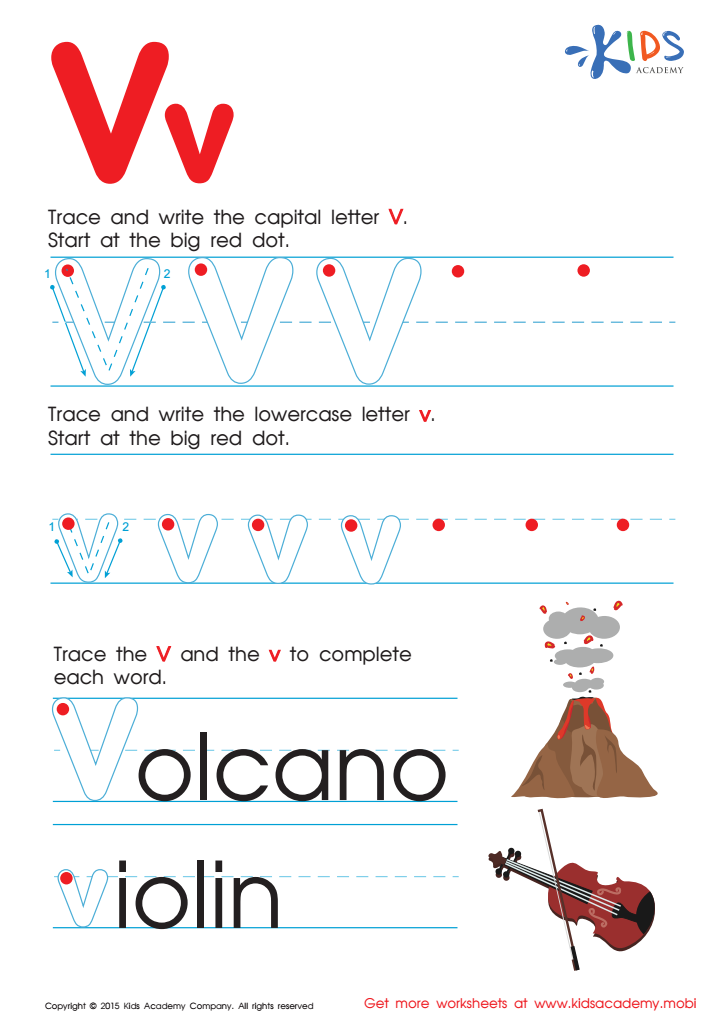
Letter V Tracing Page
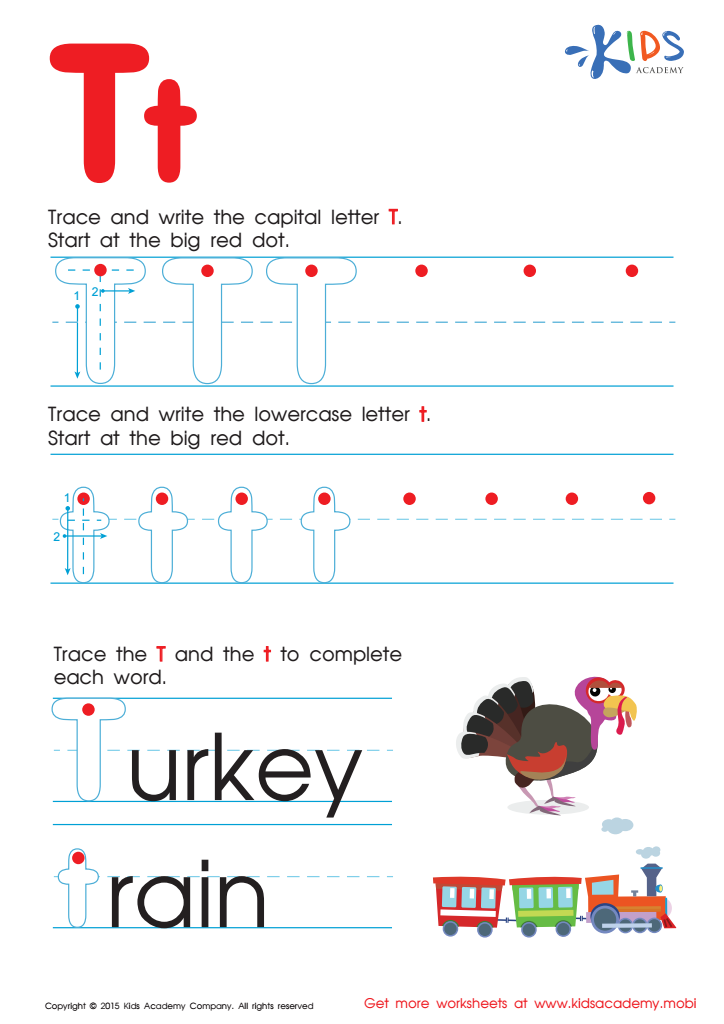
Letter T Tracing Page








Fine motor skills are crucial for a child’s overall development, encompassing their ability to perform tasks that require small muscle coordination, particularly in the hands and fingers. For six-year-olds, mastering fine motor skills contributes significantly to their academic success, especially in letter recognition and writing. Parents and teachers should care about this because having strong fine motor skills helps children hold pencils correctly, use scissors safely, and engage in activities such as drawing and crafting, all of which are important for early literacy.
Fine motor skills also play a vital role in cognitive development. When children practice manipulating objects, it enhances their hand-eye coordination and spatial awareness, contributing to their ability to recognize and differentiate letters. Furthermore, early letter recognition is foundational for reading and spelling, key components of academic competency. By implementing extra challenges that focus on fine motor skills alongside letter recognition, such as threading beads or practicing with play dough, adults can create a stimulating learning environment. This not only fosters physical dexterity but also nurtures a love for learning and independence in young learners. Ultimately, investing in fine motor skill development prepares children for future educational challenges and encourages lifelong learning.